

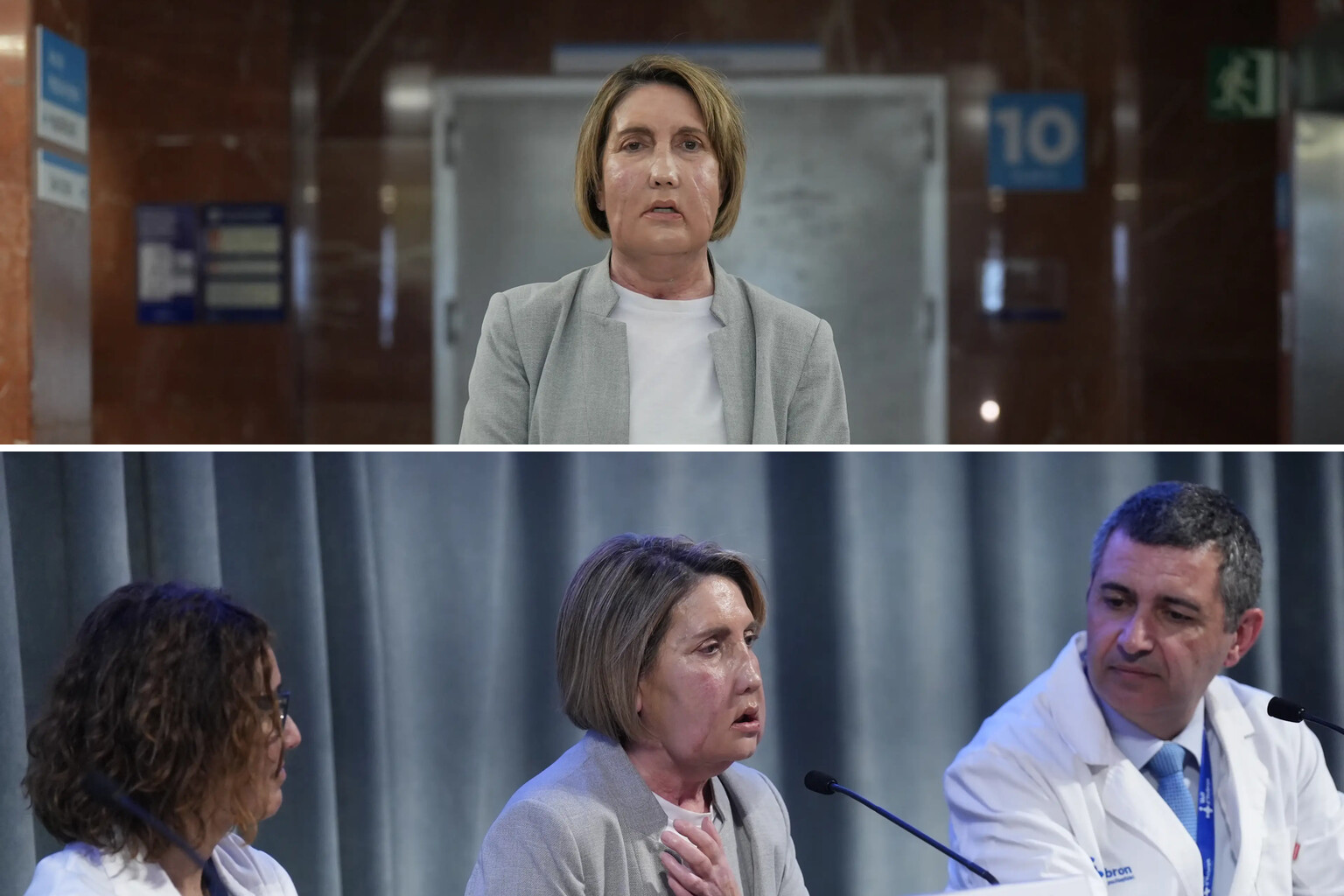
Carmen has spoken publicly about receiving the world’s first face transplant from a donor who chose assisted dying.
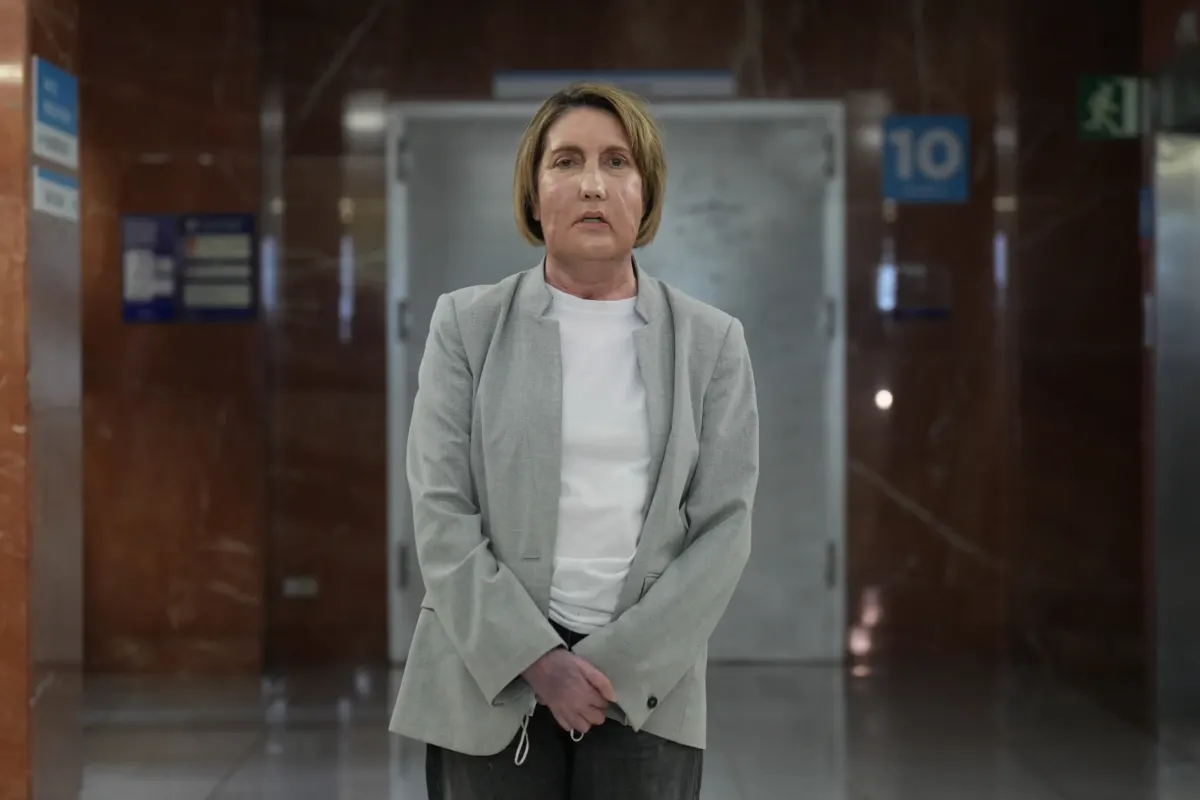
The Spanish patient, 59, lost her nose, upper lip and palate after a 2024 spider bite triggered a flesh-eating bacterial infection that put her in a coma. She later told Sur in English that she had been “horrified” when she first saw her reflection, feeling she “looked like a monster,” and that she specifically rejected grafts in favor of a full transplant because she “wanted to live as I had before.”
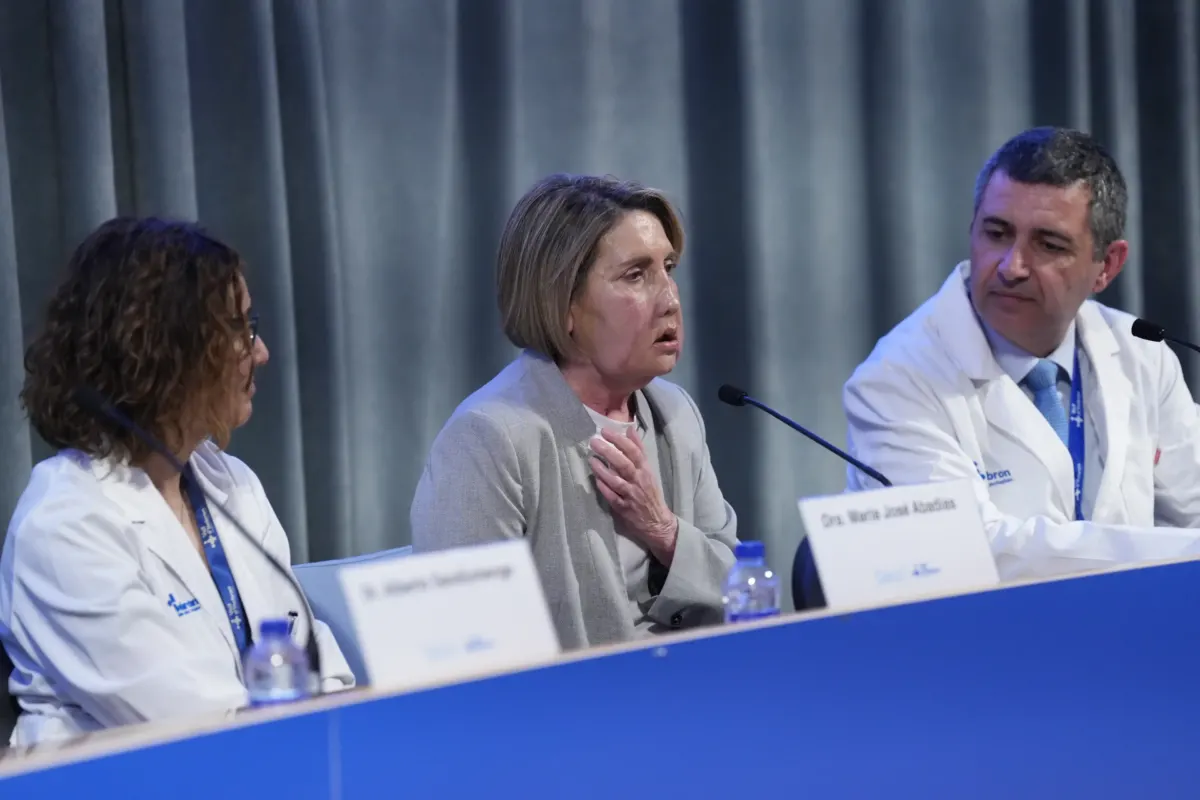
Dr Joan-Pere Barret, the surgeon who led the operation at Vall d’Hebron hospital in Barcelona, met the donor in person before the procedure. The young woman had elected euthanasia and made the donation of her face one of her final wishes. “What happened with the donor is truly unique,” Barret told Sur, becoming emotional during the interview. “Nobody set out to do it: she wanted to donate her face.”
Elisabeth Navas, the hospital’s transplant coordinator, said in February that the donor displayed “a level of maturity that leaves one speechless,” Navas added that “someone who has decided to end their life dedicates one of their last wishes to a stranger and gives them a second chance of this magnitude.”
The assisted death allowed the complex surgery to be scheduled in advance, a rarity in transplant medicine where donor availability is typically unpredictable. Carmen and the donor matched on all critical markers: same sex, compatible blood group and similar head size. Around 100 professionals including psychiatrists and immunologists supported the operation, which required four surgeons working simultaneously in shifts across 16 hours, with four anaesthetists on duty throughout.
Barret explained the surgical sequence to Sur: “First, you have to revascularise the face. Once the organ is in the recipient, you let the blood flow through, check that it’s working properly, and then start removing the deformed tissue to carry out the transplant itself.”
Immediately after waking, Carmen described a “strange sensation” to Sur, noting that “you haven’t seen yourself yet, but you notice that your face feels different.” She has since addressed public reaction to her post-surgical appearance, remarking that people said she “looked like Putin” at a press conference but maintaining that she doesn’t “see herself as ugly.”
The Canary Islands holiday where Carmen was bitten had begun unremarkably before the spider transmitted a bacterium resembling flesh-eating types. Her own immune system turned against her, escalating the damage until she fell into a coma at 59. The mirror she faced after waking confirmed the extensive destruction to her features, setting her on the path toward the unprecedented transplant.
Now recovering, Carmen is relearning basic functions. She told Sur she is “practicing blowing kisses outwards” and kisses “as best I can.” Drinking has become comfortable again, and she has set a specific culinary goal: “To eat a ham sandwich with warm bread and tomato. I still can’t open my mouth fully, so the crusts would hurt.”
Barret was responsible for two of the five facial transplants previously carried out in Spain, making this his third. The donor’s identity remains confidential beyond her youth and gender.
Carmen said she now recognizes herself primarily through her eyes, carrying forward the vision of the young woman whose final act was to give a stranger her face.