

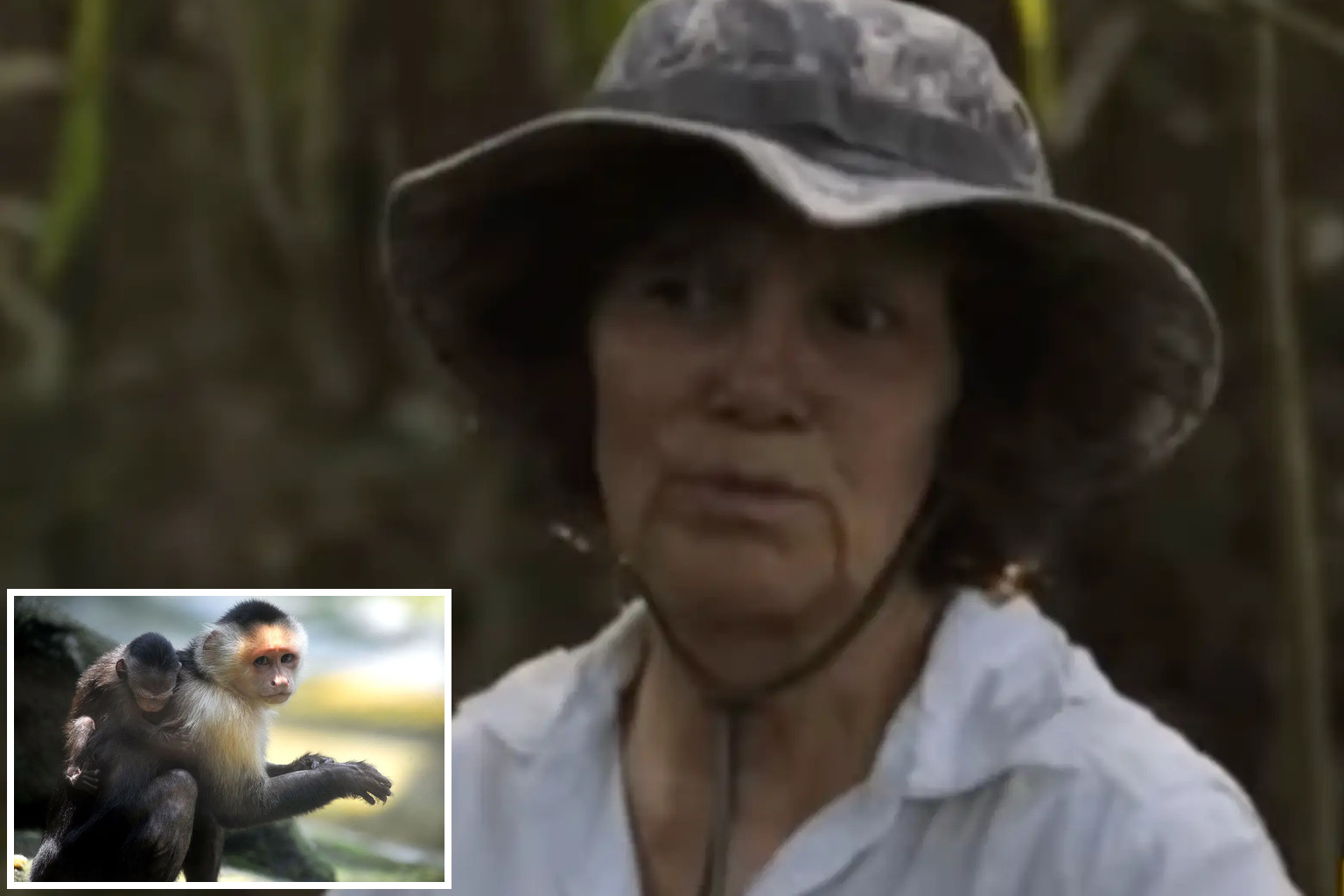
Marina Chapman has spoken again about the capuchin monkey she believes saved her life during her years in the Colombian rainforest.
Chapman, who says she was kidnapped around age four or five and abandoned in the jungle, said that an older monkey she named Grandpa dragged her to water and forced her to vomit after she ate poisonous berries. “One time, I became very ill after eating some berries. I’d been watching the monkeys eat fruit and assumed the berries were safe,” she said. “They were sweet and tasted delicious, so I ate far too many.”
The illness struck hard and fast. “A few hours later I felt terrible. Everything was spinning and I thought I was dying,” Chapman continued. “I lay on the ground unable to move. That’s when Grandpa approached me.”
What happened next still shapes how she views animals. “He stared at me for a while, then grabbed my hair and dragged me towards a pool of water,” she recounted. “At first I was frightened. He pushed my head towards the water several times and I struggled to breathe. Then I started vomiting. I was sick repeatedly, and afterwards I felt dramatically better.”
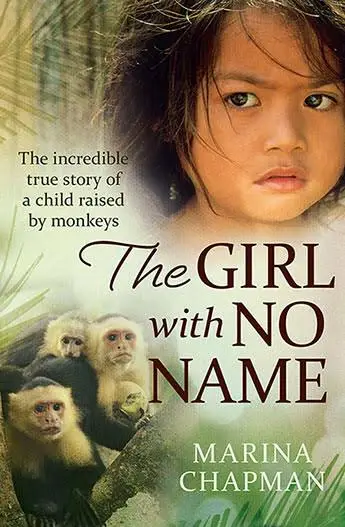
Chapman, whose memoir *The Girl With No Name* was published in 2013 with her daughter’s help, now sees the incident as deliberate aid from the animal. “At the time, I didn’t understand what he was doing. Looking back, it felt as though he somehow knew I needed to get the poison out of my system. That experience always stayed with me.”
The alleged kidnapping that began her jungle life remains vivid in her memory. “I remember playing with other children in a garden when someone came up behind me and covered my face. There was a very strong smell and I suddenly felt incredibly sleepy,” she said. “I could hear children crying behind me, but I couldn’t move or do anything.”
She woke to darkness and terror. “It was very dark and very noisy,” Chapman recalled. “There were lots of animals around and I was terrified. I had no idea what to do. I couldn’t see anything.” She initially hoped her abductors would return, but instead she found the capuchin troop that became her family.
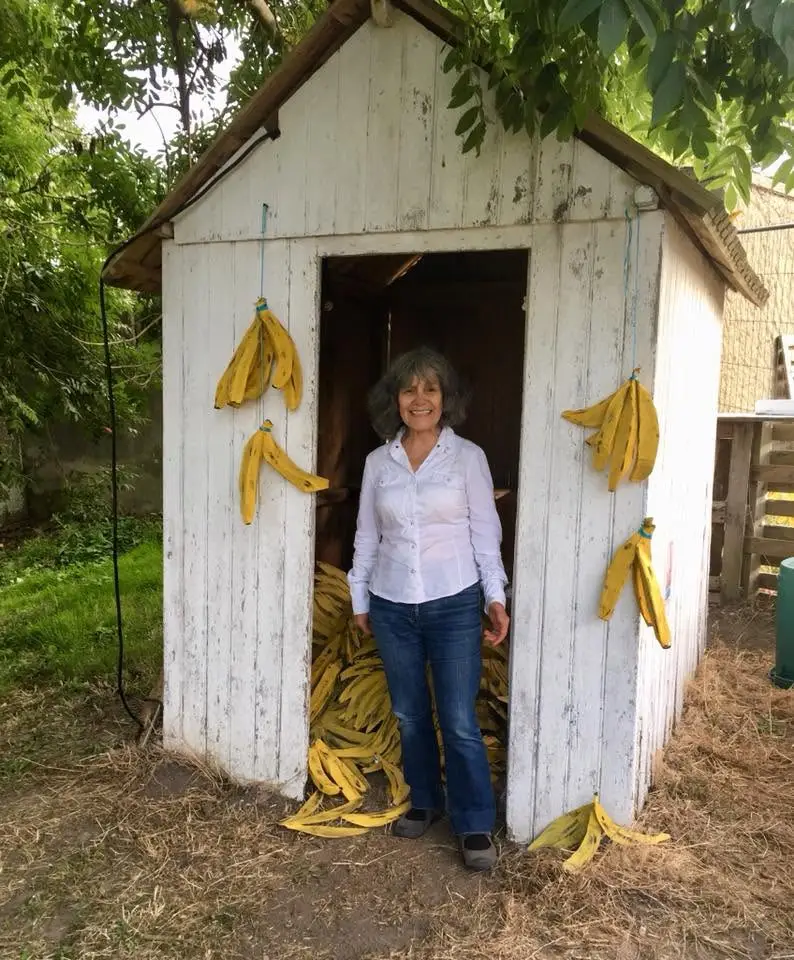
Her integration with the monkeys happened gradually. A small monkey first examined her face and hair, and she felt comfort rather than fear. “Although it was quite small, it was surprisingly strong,” she noted. “I wasn’t frightened. In fact, I felt a little comforted because I’d been alone for so long.” Hunger drove her to watch them constantly, and she celebrated when they dropped bananas. “Sometimes the monkeys would drop bananas and I’d quickly pick them up and eat them. To me, that felt like a feast.”
The grooming bond formed when a younger monkey climbed onto her shoulder. “That’s when I realised they were grooming me,” Chapman explained. “I had small insects around my ears and in my hair, and the monkeys would remove and eat them. As strange as it sounds, they were helping me.” She also learned their vocal warnings, distinguishing calls for danger, food, and nearby animals. “I became familiar with their different calls,” she said. “Over time, I realised certain sounds meant danger, while others meant food or that another animal was nearby.”
Tree climbing proved painful to master. “I wasn’t very good at sleeping in trees,” Chapman admitted. “I often fell and hurt myself.” Insects crawled into her ears and nose as she slept. Yet she adapted so thoroughly that human language began slipping away, and she estimates—based partly on medical examinations of her hair growth and development—that she spent roughly nine to ten years in the jungle, emerging close to her teenage years.
Hunters ended her jungle existence, but Chapman felt no relief. “I actually miss the jungle,” she shared. “When hunters eventually took me away, I was devastated. I know that probably sounds strange, but by then the jungle was all I knew.” The transition to a vehicle felt like captivity. “I remember being put into a vehicle and being forced to stay seated. I felt trapped and frightened. Part of me wanted to escape and go back.”
Human society presented unfamiliar obstacles. “I didn’t know how to behave in human society anymore,” Chapman said. “Learning those things was very difficult. People often stared at me or made fun of me because I behaved differently.” Her memoir describes further exploitation, including forced prostitution, before a woman helped her rebuild her life.
England became her permanent home after she arrived expecting a three-month stay. “I never imagined I’d end up staying,” Chapman remarked. She had travelled with a Colombian family for whom she worked as a childminder. There she met John Chapman, and the couple built a life in West Yorkshire and raised two daughters. She has now been married nearly fifty years. “I’ve lost count, if I’m honest!” she joked.
Some jungle habits persist. Her family has described her enthusiasm for climbing trees and making monkey noises. Asked what she misses most, Chapman pointed to animal directness. “I miss the honesty of animals,” she said. “With animals, you generally know where you stand. People can be difficult to understand sometimes, but animals are straightforward. Their behaviour makes sense.”
Chapman’s account has drawn public fascination since her 2013 memoir, though researchers and journalists have questioned aspects of her story. For Chapman, the rainforest remains a place of deep, complicated happiness.
She and John Chapman continue their life together in West Yorkshire.