

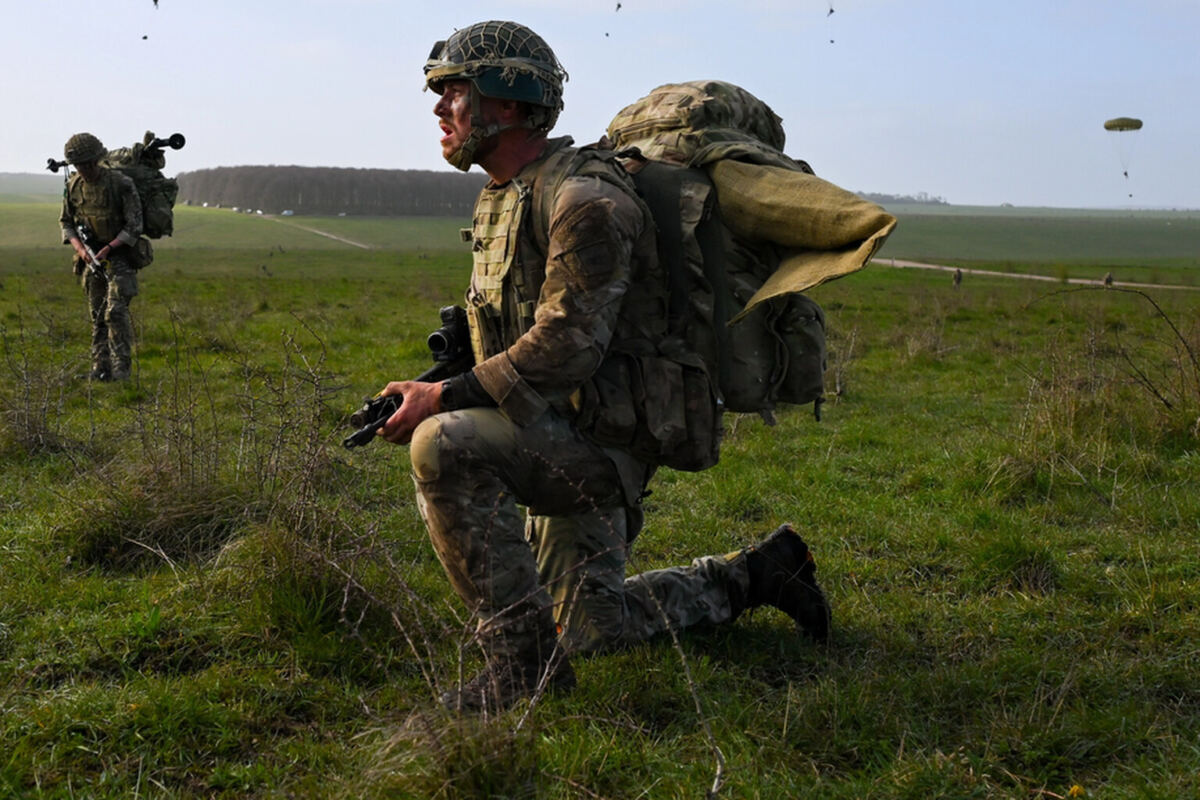
A former British Army chief has laid out exactly who would be called up first if global tensions ever forced the UK back to conscription.
Lord Dannatt, a retired senior British Army officer, told The Daily Express that any future mobilization would follow a clear hierarchy. The youngest eligible recruits would be tapped only after existing forces were already deployed.
“I would expect to see the Army Reserve mobilised first, then Regular Reservists recalled to active service and then His Majesty’s Government would need to consider conscription, starting with 18-24-year-olds,” he said.
He added that Britain would not immediately force untrained civilians into uniform.
“Britain would not necessarily begin by compelling civilians with no military experience to join the armed forces,” he continued. “Reservists and former service personnel would provide an initial pool of people with military training, although recalling them at scale would present substantial logistical challenges.”
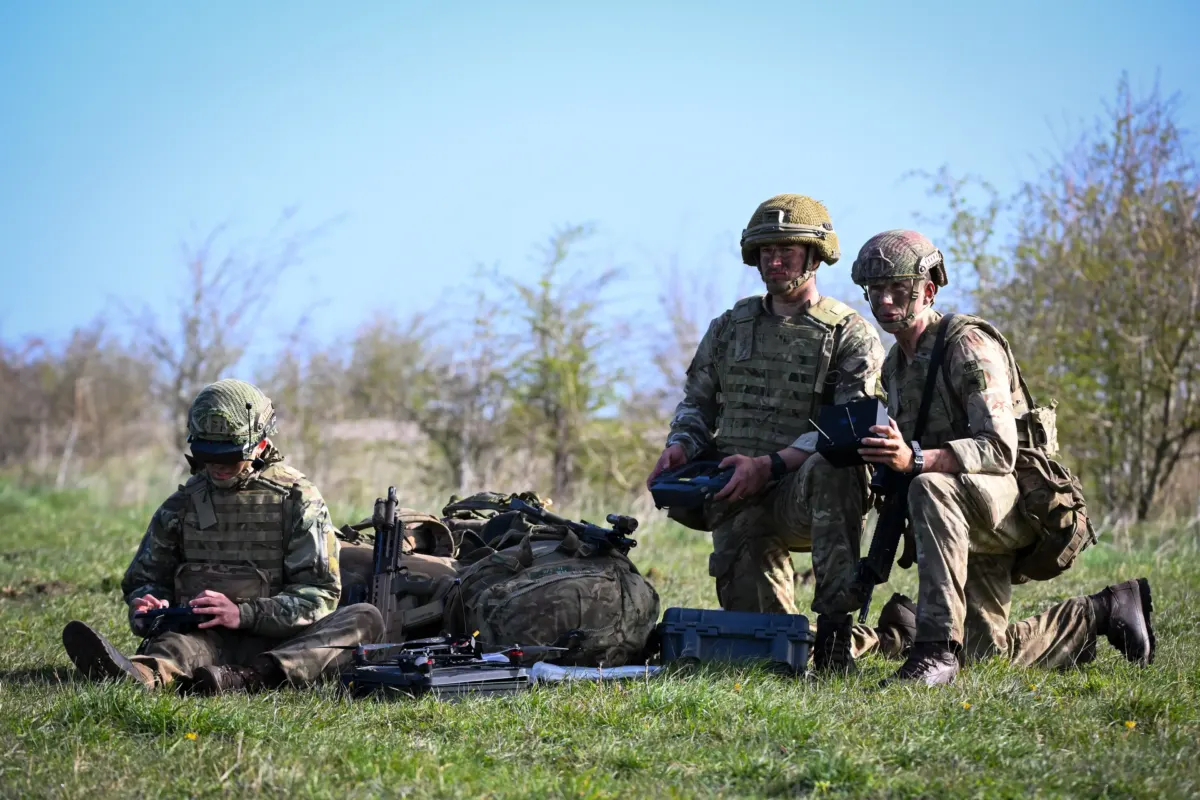
The comments come after the UK Government announced in January that it would raise the maximum recall age for former military personnel from 55 to 65. The plan, detailed further in June, also lowers the threshold for mobilizing Reservists beyond the current requirement of “national danger, great emergency, or attack on the UK.”
“The key changes include increasing the recall liability for personnel up to the age of 65 and lowering the threshold for recall so that Reservists can be recalled for ‘warlike preparations’,” the plan states.
Paul Griffiths, the general leading the British effort, said in January that the reforms would allow the military to “mobilise talent rapidly when it matters most, strengthening our readiness and aligning with a similar approach many NATO forces are taking.” these new rules are scheduled to take effect from spring next year.
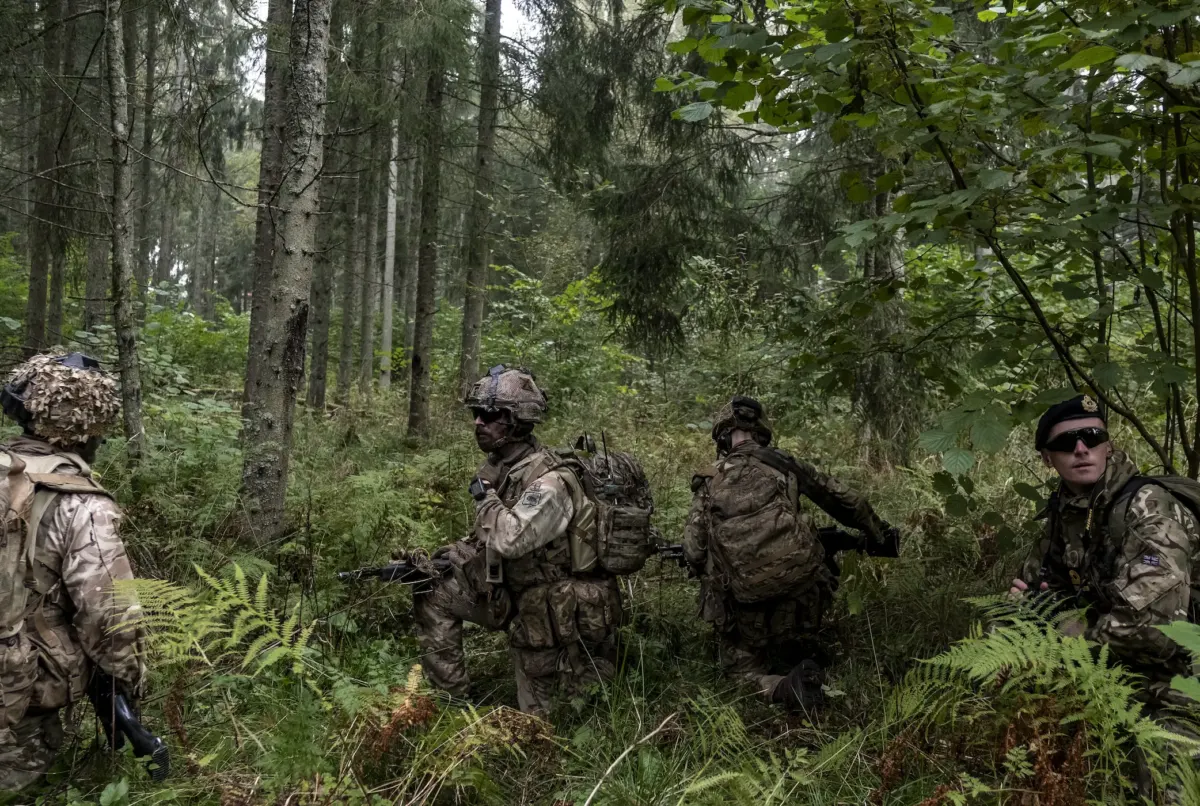
The UK Government has repeatedly stressed that actual conscription is not on the table. “This Government has no plans to introduce conscription in the UK and believe the best way of defending our country is by maintaining professional Armed Forces who choose to serve,” a spokesperson previously said.
The current debate echoes Britain’s World War II experience, when men aged 20 to 22 were called up six months before hostilities began. Once war broke out, that expanded to ages 18 through 41, and by 1942 men up to 60 were required to perform some form of National Service.
The spokesperson’s reassurance and Dannatt’s scenario both arrive amid heightened global tensions and government recommendations that citizens begin stockpiling certain supplies, though officials emphasize no immediate war threat exists.
The reforms reflect a broader NATO trend toward rapid-readiness postures, with Britain now positioning experienced reservists as its first line of expanded manpower rather than untrained conscripts.