

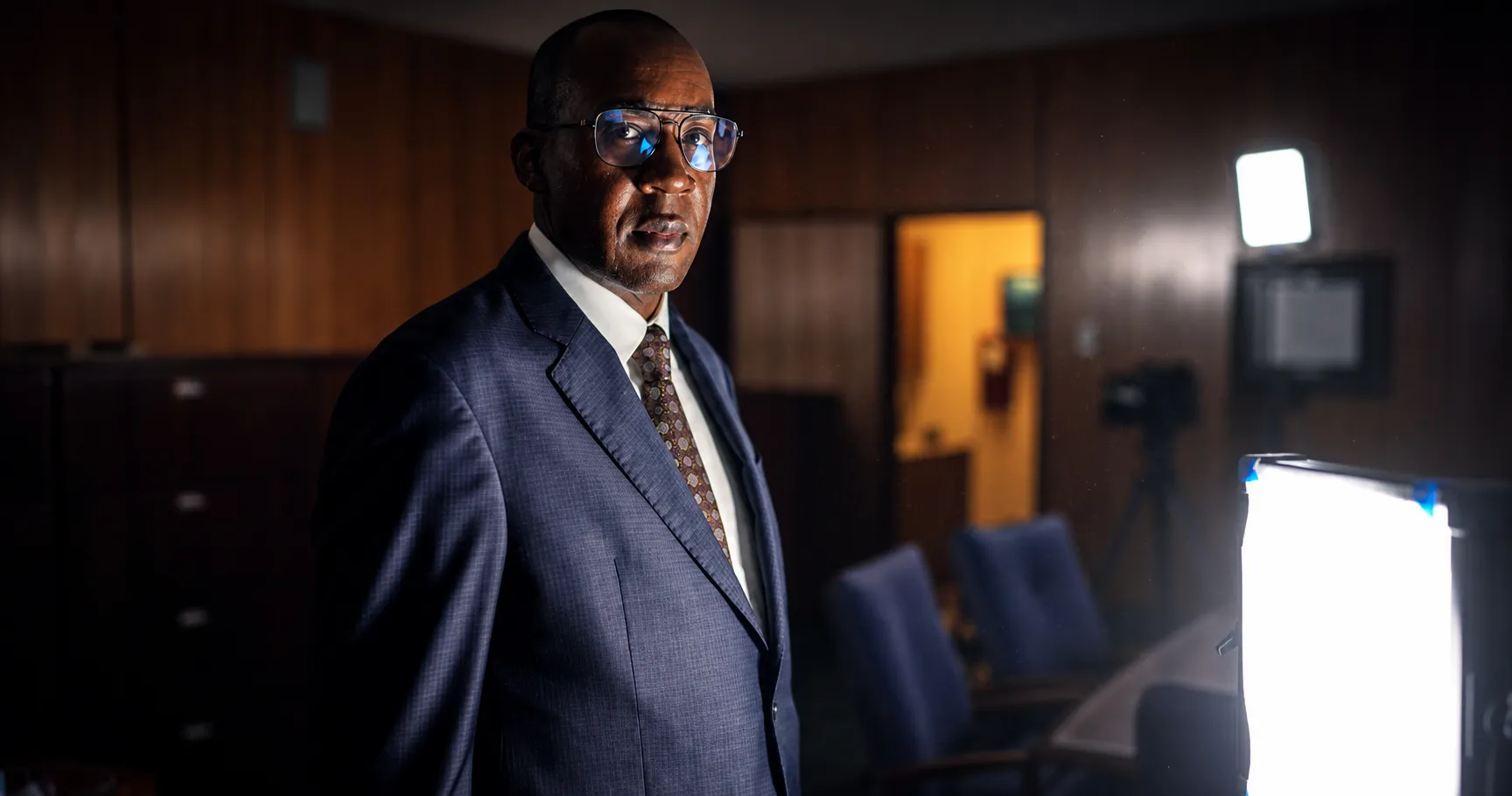
Los Angeles County’s chief medical examiner is making an unusually direct push for greater transparency in the release of autopsy findings in high-profile death cases, challenging law enforcement’s practice of sealing records to protect ongoing investigations.
Dr. Odey Ukpo’s call for openness was most visibly demonstrated when autopsy results were released for 14-year-old Celeste Rivas Hernandez, whose dismembered body was found in a Tesla in the Hollywood Hills. The young girl’s death had been sealed by court order while singer D4vd faced murder charges. When the autopsy results finally emerged, Ukpo included a pointed statement calling it “unfathomable” that her grieving parents had to wait months to learn how their daughter died. The comment marked his most forceful effort yet to establish his office’s independence from police and prosecutors while making death information public as quickly as possible.
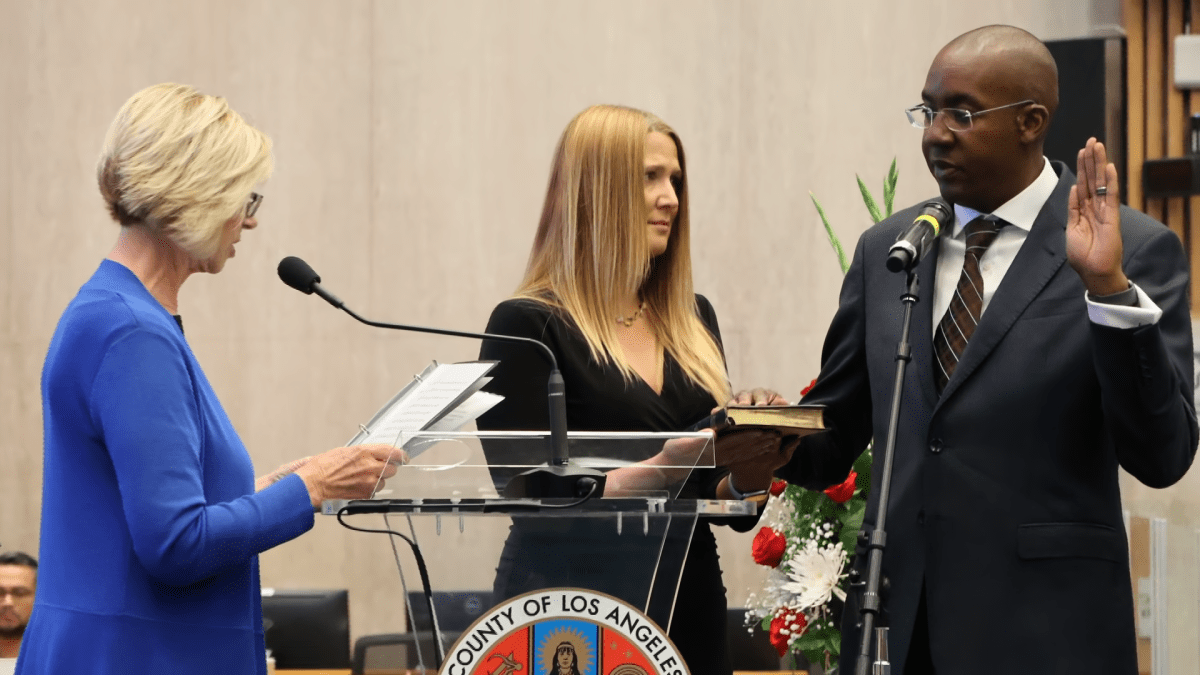
Ukpo, 46, was appointed chief medical examiner-coroner in 2023 and became the first Black leader of the department since its founding in 1850. He oversees a staff that responds to approximately 13,000 sudden, unexpected and premature deaths per year. In a recent interview, he emphasized that celebrity cases and high-profile deaths should not be treated differently than others when it comes to public disclosure.
“Life is complicated, but death is simple,” Ukpo said, expressing his philosophy that autopsy findings should be released promptly. He noted that celebrity cases receive intense scrutiny and attract significant media attention, making careful and thorough work essential. Rather than viewing transparency as an obstacle to investigations, he sees public disclosure as an opportunity to educate communities about dangers they may face.
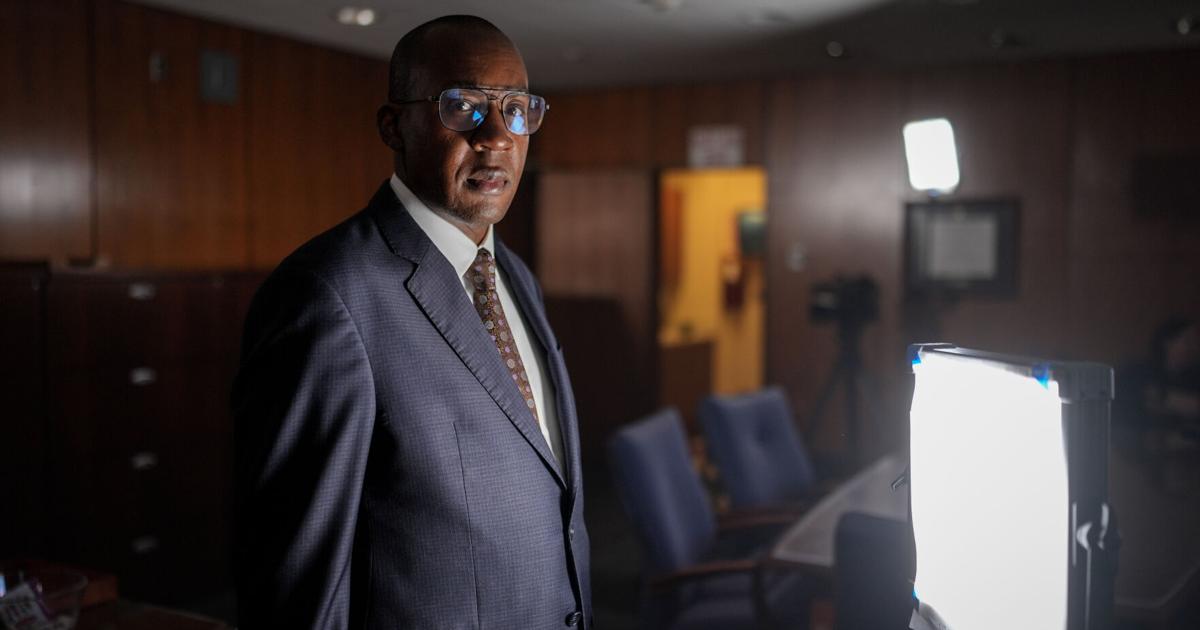
The medical examiner’s position puts him at odds with law enforcement practices. The Los Angeles Police Department, which handled the D4vd and Reiner cases, did not respond to requests for comment. The district attorney’s office also declined to comment. However, the LA County Sheriff’s Department defended the practice of temporarily withholding autopsy reports, saying security holds “are rarely requested and are carefully reviewed on a case-by-case basis to determine whether temporarily withholding the autopsy report is necessary to preserve sensitive investigative information.” The department argued that detailed findings can contain information “that only the person responsible would know,” which detectives can use to assess credibility of witness statements and uncover false confessions.
Ukpo disputes this reasoning. He does not believe sealing autopsy reports helps police investigations. “That goes completely against our mission,” he said, expressing frustration with the practice. He noted the case of filmmaker Rob Reiner and his wife Michele Singer Reiner, who were found stabbed to death in their Brentwood home in December 2025. Their autopsy records remain sealed by court order despite the cause of death having been publicly announced as “multiple sharp force injuries.” Their son Nick Reiner has pleaded not guilty to charges of first-degree murder.
“The Reiners’ case is one that’s straightforward,” Ukpo said. “It’s unclear to me what sort of information we have that would ruin the case.” He questioned the logic of withholding information when the suspect already knows what occurred. “People say: ‘Why would they get the information out there? Because then the case is just going to go awry.’ But awry? How? What information?” he said. “The killer knows what they did.”
In recent months, Ukpo’s office has handled several major cases that drew national attention. When “Friends” star Matthew Perry died in his pool, Ukpo’s office determined the primary cause was acute ketamine toxicity. The finding generated significant public interest in how the drug can be dangerous and prompted important conversations about its risks. Ukpo emphasized that such cases provide opportunities to educate the public about health threats.
Another major focus of Ukpo’s leadership has been enhancing the office’s independence from law enforcement. Shortly after his appointment, he supported a change to remove “coroner” from the department’s official title, recognizing that the term typically refers to an elected official and can suggest the department operates within law enforcement agencies. The name was officially changed to Los Angeles County Department of Medical Examiner in 2023.
“‘Coroner’ just kind of confused our purpose and suggested that we were within a law enforcement agency,” Ukpo explained. “It’s so important to establish our independence.” Criminal defense experts have supported this perspective, noting that close working relationships between medical examiners and law enforcement can sometimes undermine objectivity.
Ukpo said his work is driven by a desire to serve the public. Beyond high-profile cases, he aims to make information about heat-related deaths, drug-related deaths and deaths among the unhoused readily available to the community. “What I’m trying to shift during my leadership here is to try to focus on community first,” he said. “Death doesn’t just happen for the family, for the individual. When a death happens, it reverberates.”
His background shaped his commitment to forensic pathology. At age 6, Ukpo wanted to become a homicide detective. That changed when he met his family physician and realized he could combine his passion for investigative work with medical expertise. He earned his medical degree from Loyola University Chicago and completed his forensic pathology fellowship in Albuquerque, New Mexico, after additional training at the Mayo Clinic.
Before his appointment as chief, Ukpo had performed autopsies on several high-profile cases, including those of rapper Mac Miller, actor Tommy Lister Jr., and model and actor Kim Porter. His expertise and commitment to thorough work caught the attention of county leadership, who selected him to lead one of the nation’s most prominent medical examiner’s offices.
As cases involving public figures continue to draw attention, Ukpo’s push for transparency represents a significant shift in how Los Angeles County approaches the release of autopsy information. His stance reflects a broader tension between law enforcement’s need for investigative secrecy and the public’s right to information about deaths in their community.