

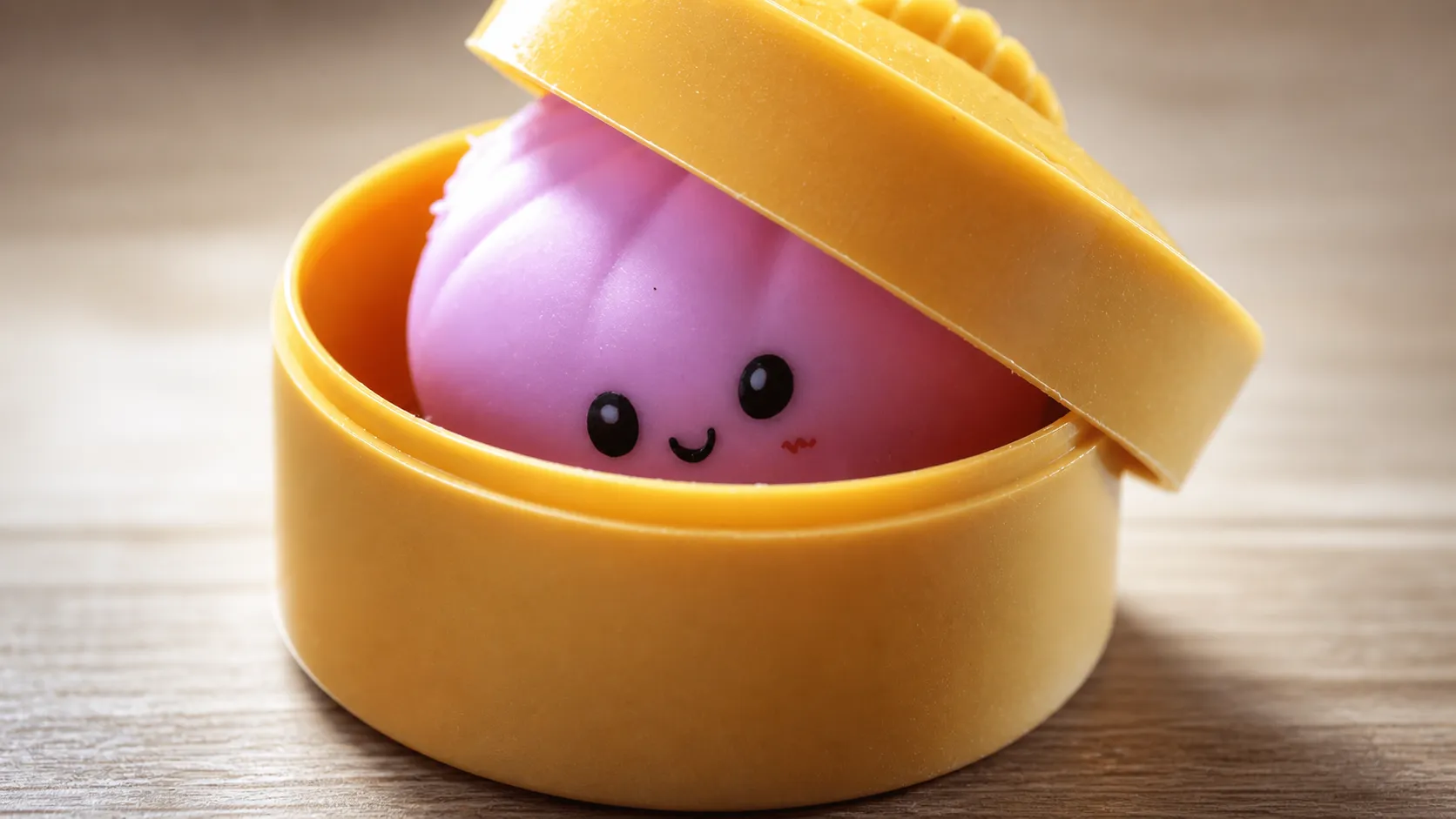
Health professionals are renewing warnings over a viral children’s ‘squishy dumpling’ toy after fresh concerns emerged about the risks it could pose in homes.
Parents have increasingly raised alarms about the popular collectible toy, with some versions reportedly found to contain high levels of Benzene, a carcinogenic chemical.
In the UK, the warning has been sharpened by a June product recall for a batch of “Squeezy Dumplings” after testing found an excess concentration of benzene in the outer layer. Trading Standards teams in several areas have also seized hundreds of similar non-compliant squishy toys from shops and urged parents to check for UKCA or CE markings, the manufacturer’s details, and safety instructions before buying.
Officials from the Trading Standards team at Northumberland County Council in the UK have warned that both shoppers and sellers should take extra care before buying the dumpling-style toys. Their concern comes after a social media trend encouraged people to microwave the items to make them feel softer.
It said: “The toys often emit a strong, pungent chemical smell when opened, with laboratory tests on similar items revealing the presence of toxic chemicals.”
For some families, the safety issue has already had serious consequences.
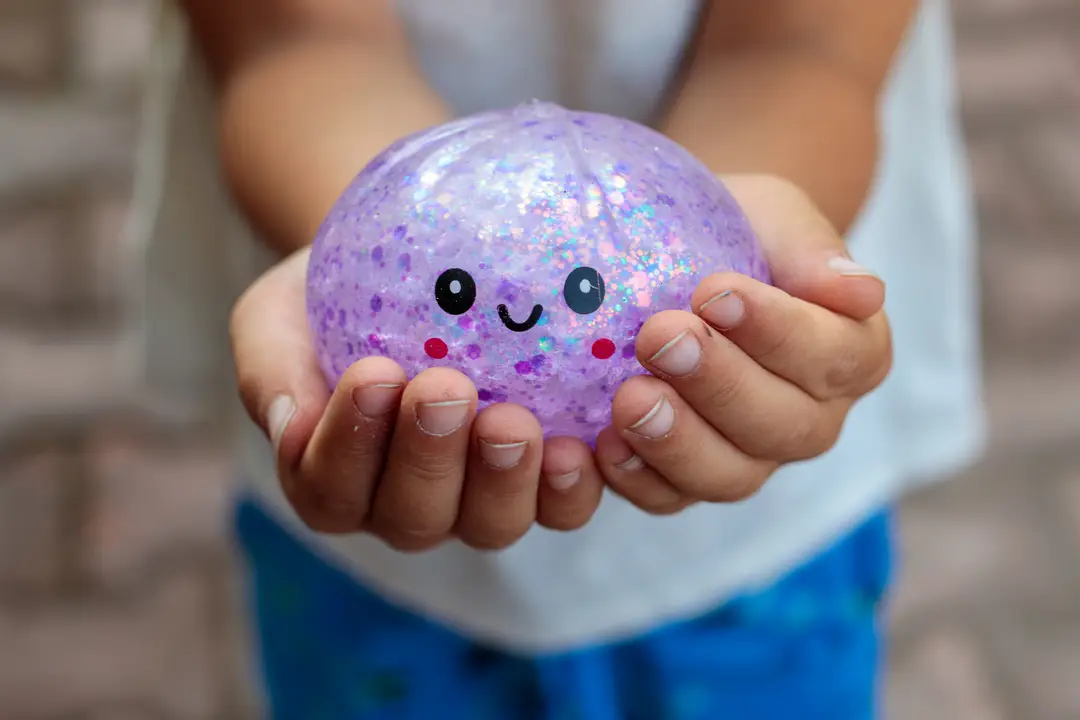
A hospital in Boston has now issued another warning to US parents after seeing more children needing treatment for burns linked to the toys.
Laura Abbott, a nurse practitioner at Shriners Children’s Boston, told Boston 25 News there has been a “definite uptick” in burn cases, with the hospital seeing around one or two patients each week.
“We’re seeing pretty much second-degree burns from the chemicals inside,” she explained.
The bao bun-shaped toys have surged in popularity online, helped by the appeal of collecting rare and shiny versions.
Although they are marketed as sensory toys, experts say they can become dangerous when exposed to heat.
Abbott explained: “Even like five seconds in the microwave can heat up the gel inside exponentially. Once the kids take them out of the microwave, they’re exploding and the gel kind of hits their skin and gives them either a chemical or scald burn.”
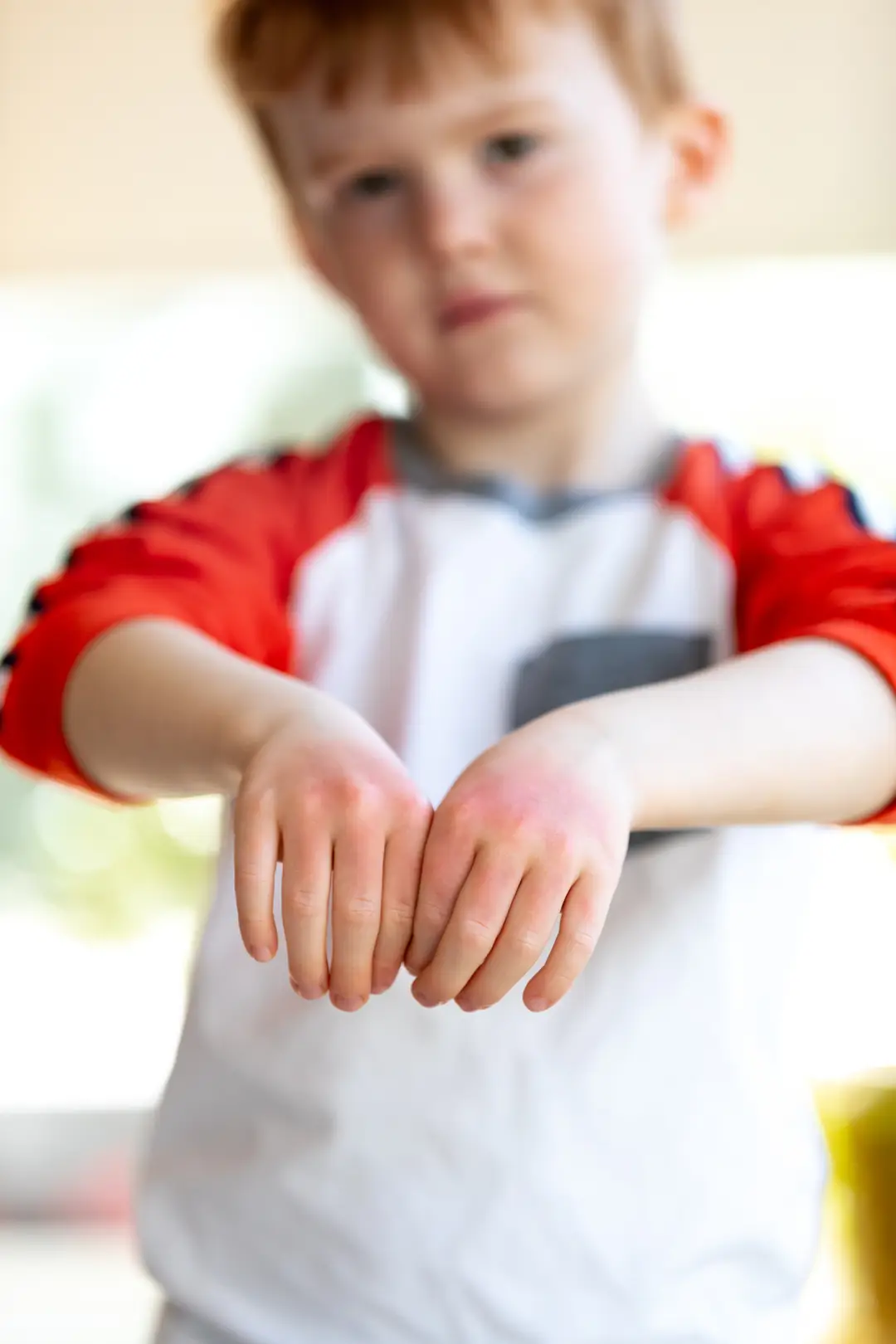
She also warned that the gel inside can cling to the skin, which may cause a more severe injury.
According to Abbott, these burns can have “lifelong implications and scarring”, and microwaving is not the only concern.
Any major temperature change could create a hazard, including leaving the toy in a hot car, putting it in a freezer, or exposing it to strong sunlight.
She further advised parents to take care when buying unbranded versions sold by unfamiliar retailers.
In the UK, Northumberland County Councilor Gordon Stewart, Cabinet Member for Public Safety, also addressed the issue in a statement about the toy’s distribution.
He said: “The safety of our children must always come first, and we are issuing this important warning to consumers, especially parents – to remain vigilant when purchasing any toys to ensure they are buying the genuine product.”
He added: “While these cheaper ‘squishy’ toys may look harmless, they could pose a hidden risk to children.
“Our Trading Standards officers are currently visiting stores across the county to ensure retailers remove these items from shelves.”
Abbott said that if a burn does happen, any affected clothing should be removed and the injured skin should be held under cool running water for 15 to 120 minutes before medical treatment is sought.
Parents are also being told to stop using any squishy toy that leaks, splits or becomes damaged, and to keep it out of reach of children if there is any sign of overheating, a chemical smell or swelling.