

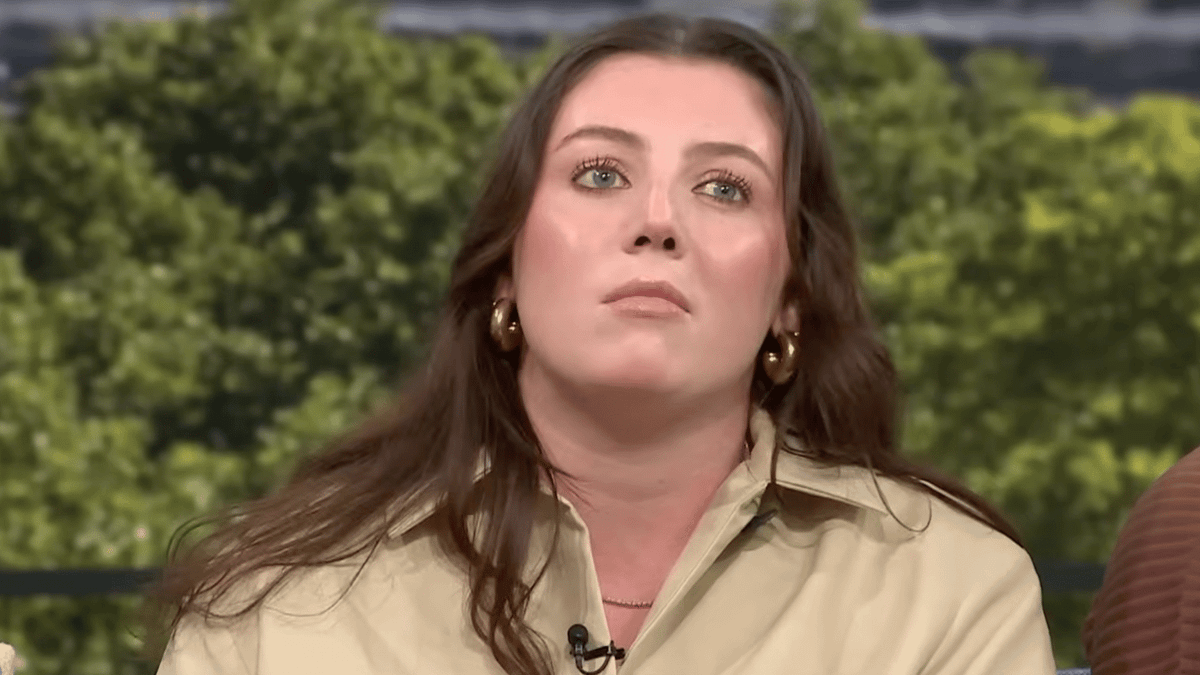
Niamh Foster has described the alarming signs she noticed after suffering a stroke in her sleep at 26, saying she only realized she had a “drooped face” the following morning.
Foster, now 28, has spoken about being taken to hospital in 2024 after the medical emergency happened overnight. Figures cited by Stamford Health place stroke among people aged 20 to 44 at 28 cases per 100,000 in the US. Young adults make up approximately 10-15% of all stroke cases each year.
Even though the warning signs matched what doctors often tell people to look for, she said, “I didn’t think stroke because at 26 that would have been the last thing [you thought of].”
In an interview with This Morning, Foster said she woke at around 2:30am feeling “restless” and “uncomfortable”. It was only later, as her partner Reece was about to leave for work, that they realized she had a “drooped face”.
She also recalled, “I had cramp on my right hand side, which now you know my right hand side was affected,” as she reflected on the symptoms that appeared that night.
Because the couple lived close to a hospital in the UK, she was quickly seen and sent for an MRI scan.
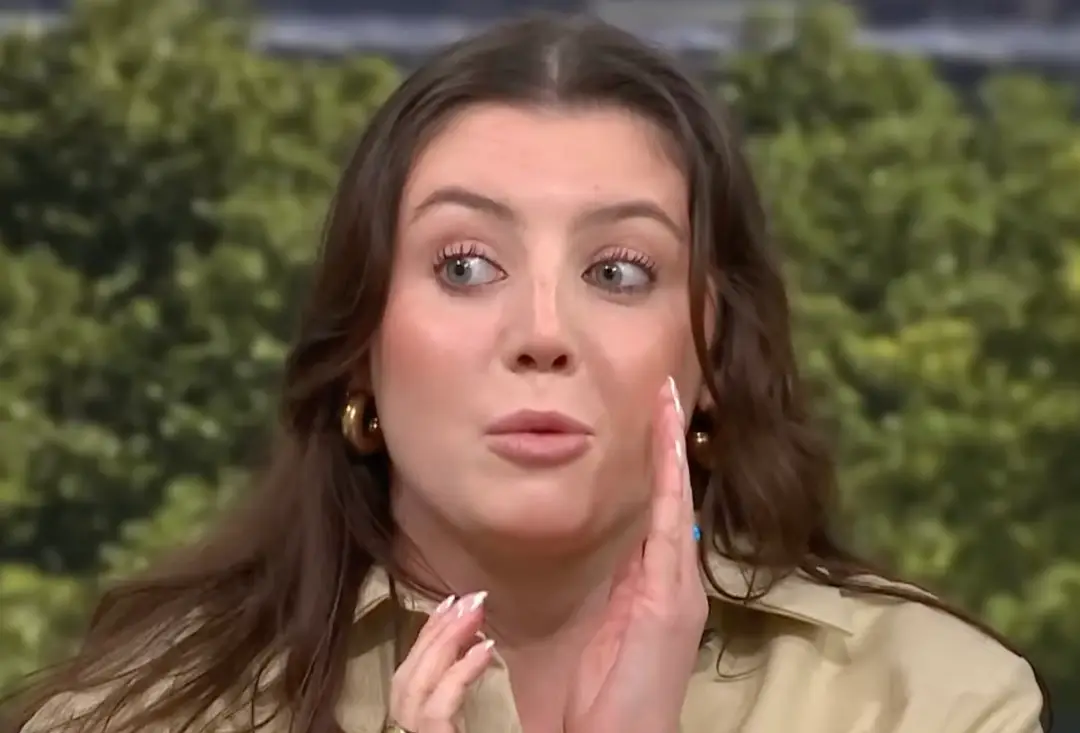
She said the seriousness of the diagnosis did not immediately sink in, explaining, “I remember not really realizing the gravity of it because I wasn’t really in the know.”
Foster added, “I didn’t know about strokes. There was no stroke awareness, I thought they happened to older people.”
Although she said the stroke itself was not painful, she described the experience as “surreal”. Doctors later told her it had been caused by a hole in her heart, something she said is “quite common”.
The American Heart Association says about one in four people have a small flap-like opening known as a patent foramen ovale. Research indicates that between 15 and 35 percent of the general population has a PFO, with prevalence potentially reaching up to 45 percent among patients with cryptogenic stroke. Many people only learn about it accidentally during routine tests or scans.
A PFO can increase stroke risk in young people through a process called paradoxical embolism, in which a blood clot bypasses the normal lung filtration and travels through the opening in the heart to the brain.
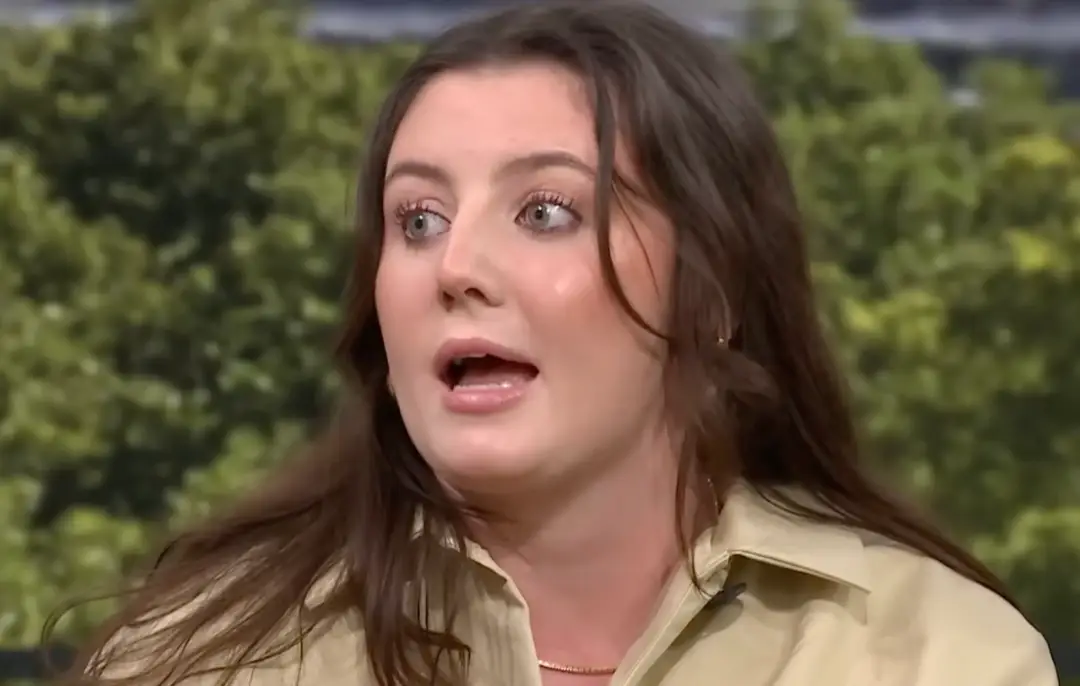
Reflecting on what followed, Foster said the stroke was “the medical emergency itself”, but the aftermath became a much longer challenge, describing recovery as “the whole beginning of a new story”.
She said, “I had no idea that two years nearly post stroke I would still be recovery. I had an occupational therapy session yesterday.”
Foster’s extended recovery aligns with medical evidence showing that while most noticeable recovery happens during the first three months after a stroke, recovery can continue for many months or years with ongoing therapy. The progress often slows after six months, but rehabilitation professionals note there is no expiration date for stroke recovery.
The Stroke Association encourages people to remember the “FAST” check for stroke symptoms, which stands for Face, Arms, Speech and Time. Young adults may also experience additional warning signs beyond the standard FAST criteria, including sudden difficulty breathing, general weakness, dizziness, loss of balance, vision changes, confusion or a sudden severe headache.