

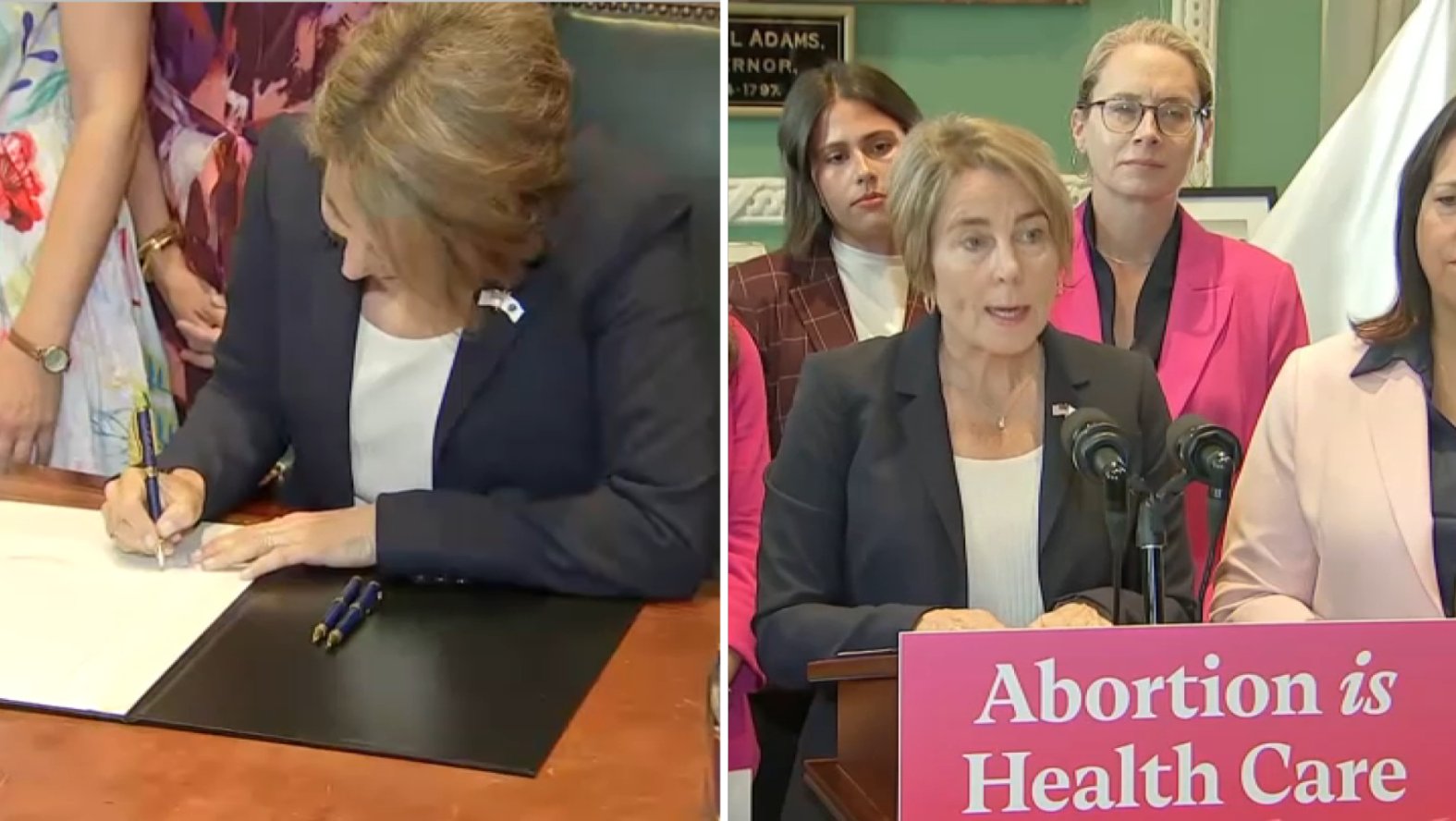
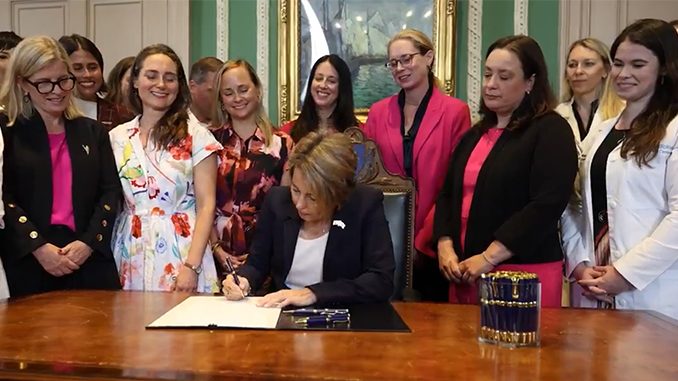
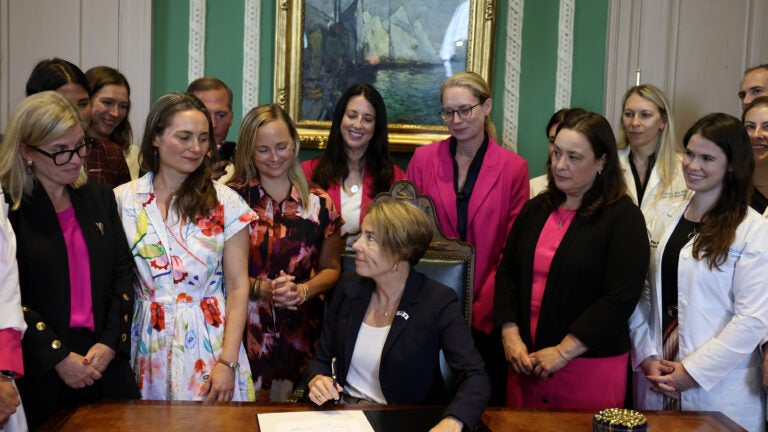
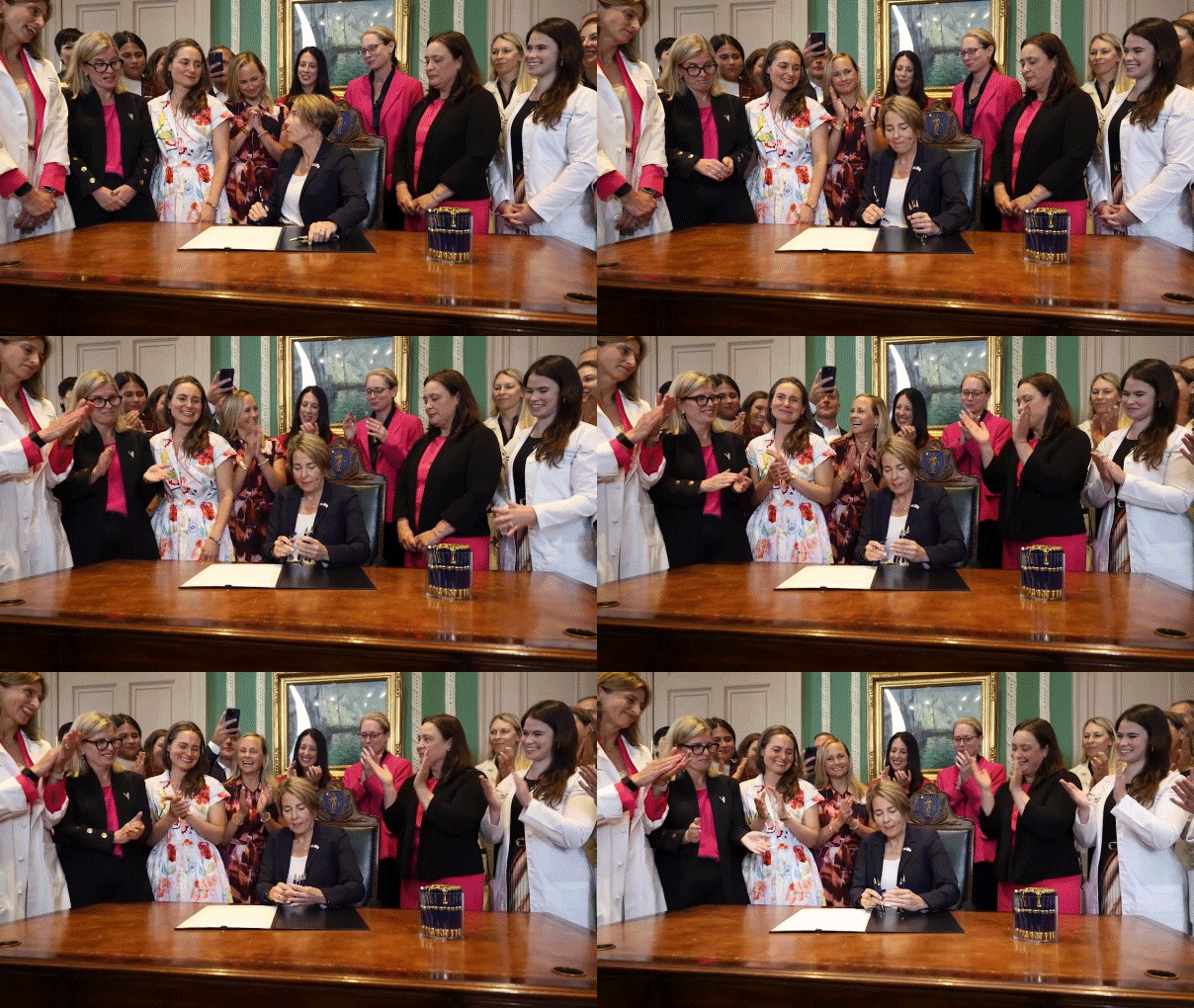
Massachusetts Gov. Maura Healey signed into law new abortion regulations on Monday, Aug. 10.
Democratic Gov. Maura Healey was met with applause and smiles as she signed away Massachusetts’ gestational limits on abortion, making the deep-blue state the 10th to permit the procedure up to birth.
Under the Prioritizing Patient Access to Care Act, health care workers will have greater discretion in determining whether to perform an abortion later in pregnancy, without facing legal penalties under the state’s previous restrictions.
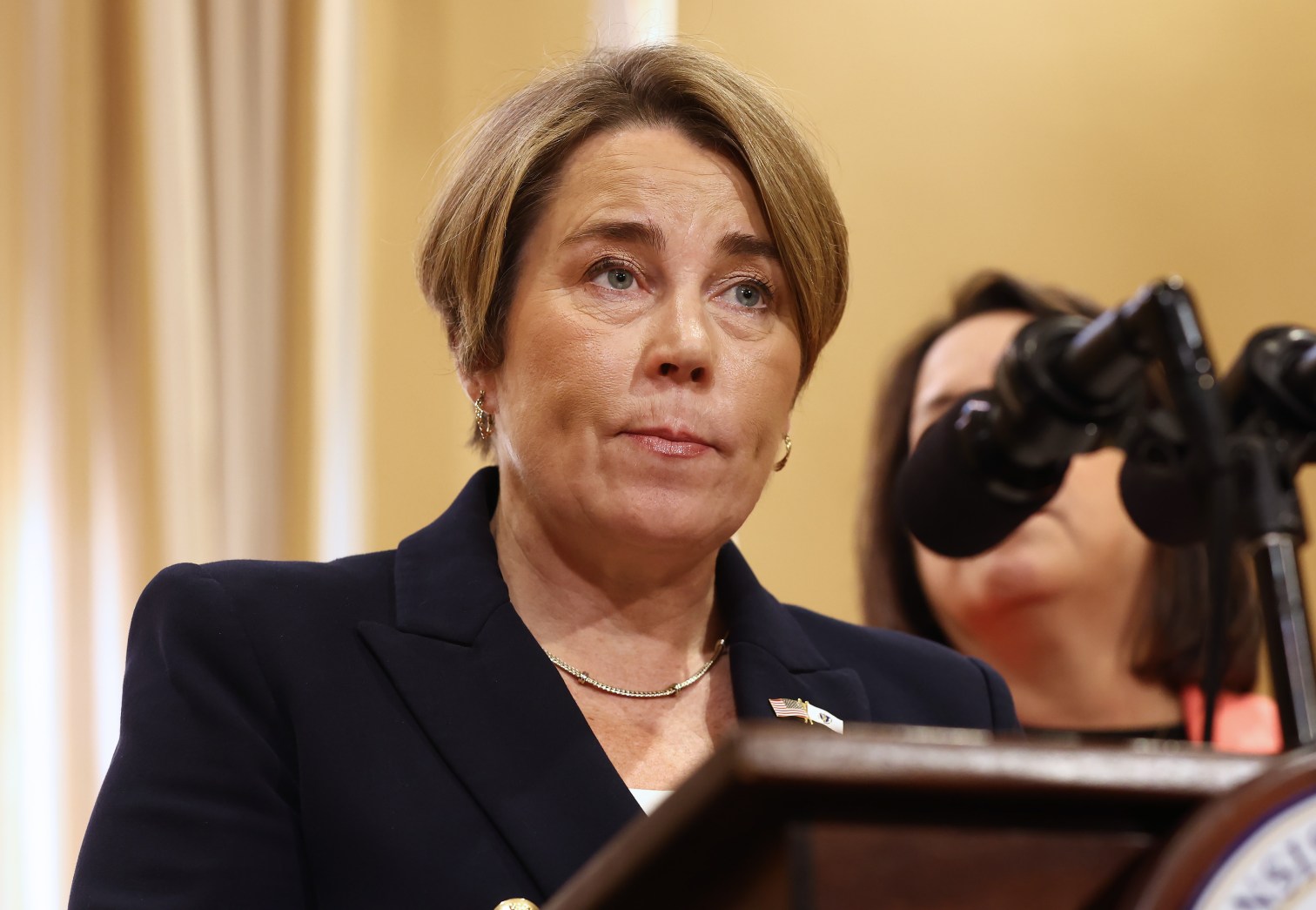
Healey said the law is intended to ensure families facing medical complications late in pregnancy can abort their babies in Massachusetts rather than having to travel out of state. Those complications can include maternal health complications and fatal diagnoses.
Healey said: “That’s my commitment to you.” The bill is scheduled to take effect in 90 days. Previously, state law generally prohibited abortions after 24 weeks, with limited exceptions.
The law eliminates the existing four-pronged framework enabling abortions for pregnancies at or beyond 24 weeks in life-threatening situations for the patient or fetus, instead writing a new law that states “an abortion may be performed by a physician based upon the professional judgment of the physician.”
“We know that protecting abortion access and reproductive health care has been under fire,” Healey said, noting the U.S. Supreme Court’s decision to overturn Roe v. Wade in 2022 and adding, “Today, one in three women in America live in a state with an abortion ban.” The House on July 22 voted 119-33 to pass the bill, with all Republicans who voted casting their votes against it.

“We believe that health care decisions should be made between women and families and their doctors, not politicians,” Healey said. “Abortion will remain safe. It will remain legal, and it will remain accessible here in Massachusetts.”
Healey declared: “I promise that no matter what Donald Trump or Republicans in Congress or the Supreme Court does, we’re going to continue to make sure that women and families have access to the health care that they need right here in Massachusetts.”
Massachusetts now joins nine other states in removing gestational age limits, allowing abortions up to birth.
Kate Dineen spoke alongside her husband, Alex Lawton, at Monday’s signing and described learning nearly 33 weeks into her pregnancy in 2021 that their son, Teddy, had suffered what she described as a catastrophic stroke in utero.
Dineen said the couple was told their son would either die or survive with potentially devastating medical complications.
She said his diagnosis did not qualify for an exception under Massachusetts law at the time.

“Our doctors highly capable hands were tied by Massachusetts state law,” Dineen said.
The couple traveled from Massachusetts to the Washington, D.C., area to obtain an abortion.
“We ultimately drove a thousand miles paid thousands and thousands of dollars to access what I consider basic medical care,” Lawton said.
“At the care clinic in Bethesda, Maryland, we received compassionate abortion care from the late doctor Leroy Carhart,” Lawton said. “We gave our son Teddy the middle name Lee to honor the doctor who helped our family when the doctors here weren’t able to.”
“We felt like fugitives, fleeing our home state with the best-in-class hospital right down the road.”
“We have learned that an abortion ban with exceptions does not allow patients to access the care they need when they need it,” Dineen said. “And so today we are righting this wrong once and for all.”
State Sen. Robyn Kennedy said the change is intended to put those decisions in the hands of doctors rather than the legal system. “This bill would allow abortion to be provided after 24 weeks based on the professional medical Judgment of a licensed physician, prioritizing health and safety during challenging circumstances and leaving medical decisions to doctors not attorneys,” Kennedy said.
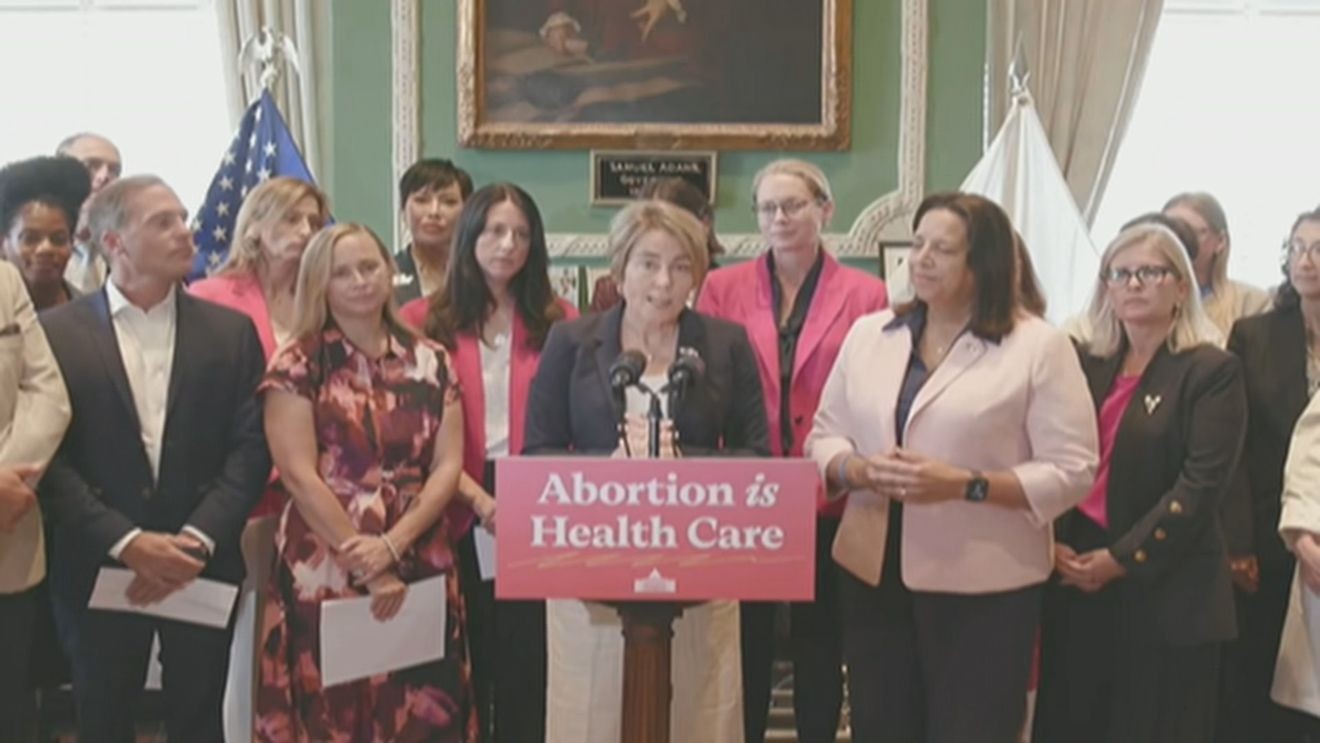
Carol Rose, executive director at the ACLU of Massachusetts, released the following statement in response: “Abortion care is health care, and thanks to this new law, pregnant patients in Massachusetts will no longer have to travel far from their home state to access the care they need. At a time when reproductive freedom is under relentless attack across the nation, this new law ensures that our commonwealth remains at the forefront of the movement to protect and expand civil liberties in the United States.”
Healey and supporters of the measure said the change in the law was needed because Massachusetts hospitals were increasingly refusing to provide abortions for women who already qualified for post‑24‑week abortions under existing law and that doctors needed clearer authority to reaffirm that medical judgment governs late‑term abortion decisions.
SBA Pro-Life America President Marjorie Dannenfelser called the bill “egregious” in a statement Monday, arguing that late-term abortions typically involve dismemberment of the fetus and that the U.S. Remains one of only eight countries worldwide permitting abortion at any stage of pregnancy.
Kate Dineen became the face of the push to change Massachusetts’ restrictions after she was forced to travel 500 miles in 2021 when she was nearly 33 weeks pregnant following a devastating fetal diagnosis. Her son, Teddy, had suffered a catastrophic stroke in utero with no chance of recovery. Despite living in a state with strong abortion protections and having access to world-class hospitals, Dineen and her husband could not get the care they needed locally. They traveled to Maryland and received an abortion from Dr. LeRoy Carhart, whom they honored by giving their son the middle name Lee. Dineen later publicly shared her story in the Boston Globe, sparking conversations among lawmakers and advocates about the limitations of abortion restrictions with exceptions. Her experience became a driving force behind the push for full removal of the state’s gestational limit.
The new law will go into effect in 90 days, Healey’s office confirmed.