

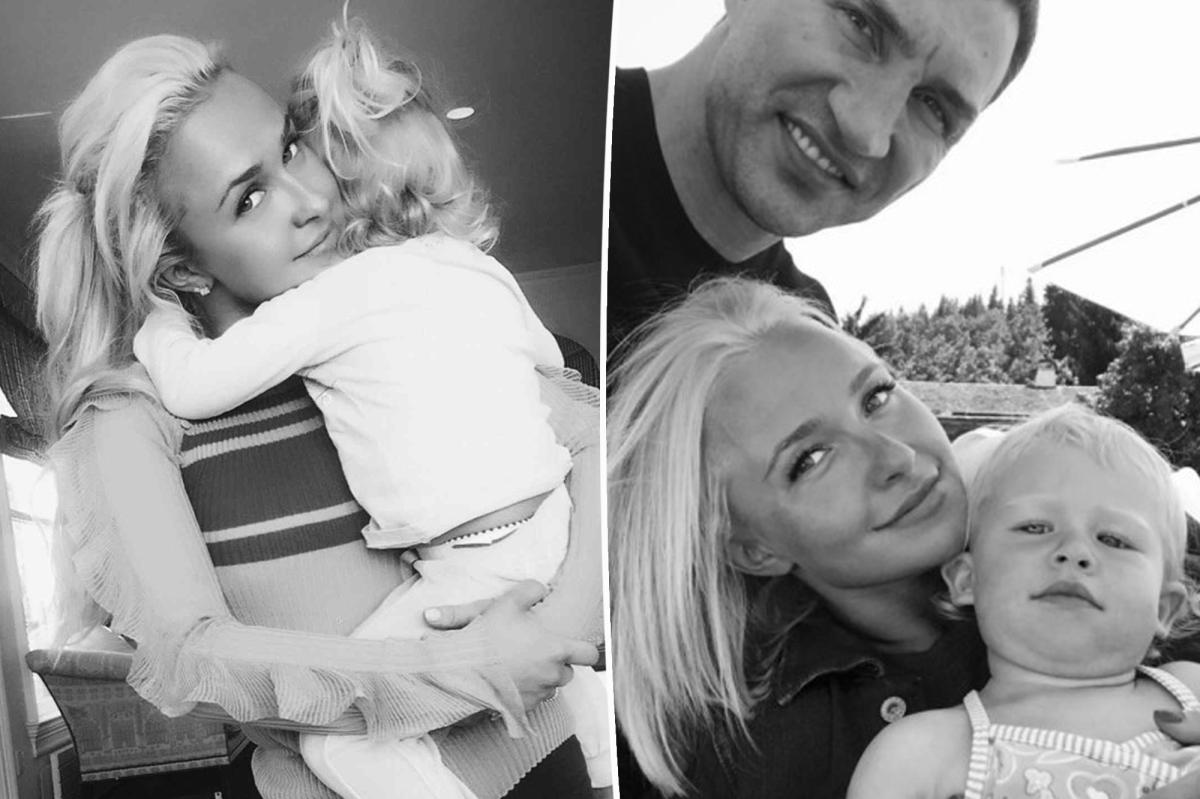
Hayden Panettiere’s final interviews about her custody decision are resurfacing after her death at age 36.
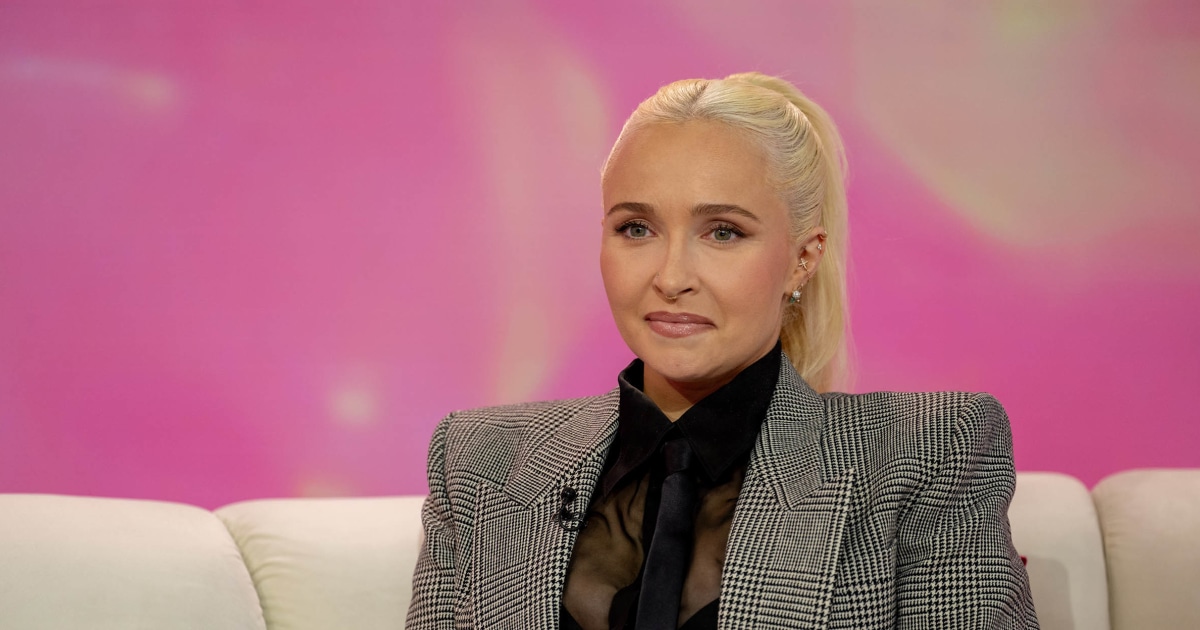
The “Heroes” alum, 36, spoke extensively about giving up custody of daughter Kaya, 11, to ex-fiancé Wladimir Klitschko, 49, in the months before she was found dead on Sunday. Her father, Skip Panettiere, confirmed the death in a statement, calling his daughter “an incredible light and a force of nature.” The cause of death has not been officially disclosed, though multiple outlets reported emergency responders were called to her home.
Panettiere gave her most detailed account of the custody decision during a May appearance on Jay Shetty’s “On Purpose” podcast, timed to the release of her memoir “This Is Me: A Reckoning.” She became emotional as she described the 2018 agreement that sent Kaya to live with Klitschko in Ukraine.
“I mean, the idea that anybody would think that I would just give away my child and be okay with it is heartbreaking,” she told Shetty. “Couldn’t be farther from the truth.”
She continued, “That was incredibly difficult. The fact that my child wasn’t going to be with me all day, every day was … you can’t put words to it. It’s just a really intense feeling or multiple feelings really layered together.”
Panettiere pushed back against what she called a “common misconception” that she had abandoned her daughter. “I think a misconception is that I have been, in the past, forced into treatment when, in fact, I have been the one who sought it out, who was saying, ‘I desperately need help. I know this is going to look terrible, but I am. I cannot live like this anymore,'” she explained on the podcast.
The actress described how Klitschko first raised the idea of Kaya living with him full-time when their daughter was 2. “When that first happened, I did not have a good reaction to it. I went like ‘mother lion.’ I would have burned the world down for my child,” she recalled. But she eventually agreed after seeing how well Kaya had adapted to her life in Europe.
“By the time I finally got healthy, I felt like it would have been unfair of me to, and selfish of me to try to pull her out of this life that she had been [creating], this life that she had been living,” she shared. “An incredible life.”
In her memoir, Panettiere wrote with raw specificity about the day she signed the custody papers. “I remember every second of that day. Every f–king second,” she wrote. “No mother could forget a single thing about the day she signed her child away,” She added elsewhere that the legal battle would have “destroyed me psychologically at a time when my heart and soul were weaker than they’d ever been.”
The custody decision came after years of struggle that began shortly after Kaya’s birth in Hawaii on December 9, 2014. Panettiere underwent a traumatic C-section that required seven blood transfusions and emergency surgery when her blood wouldn’t clot. “I almost passed away while having my daughter,” she said in May. “I didn’t know if I was going to make it.”
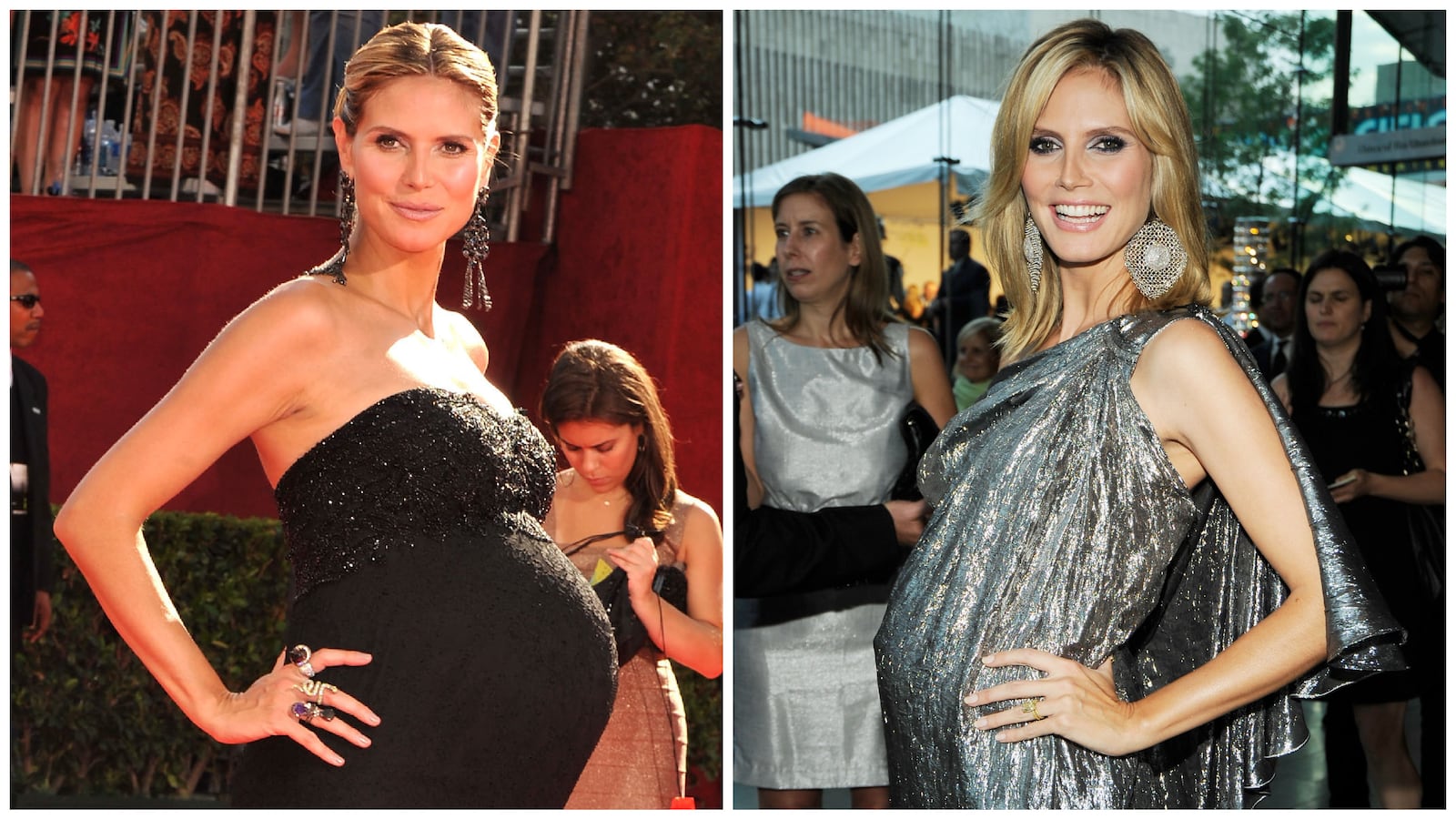
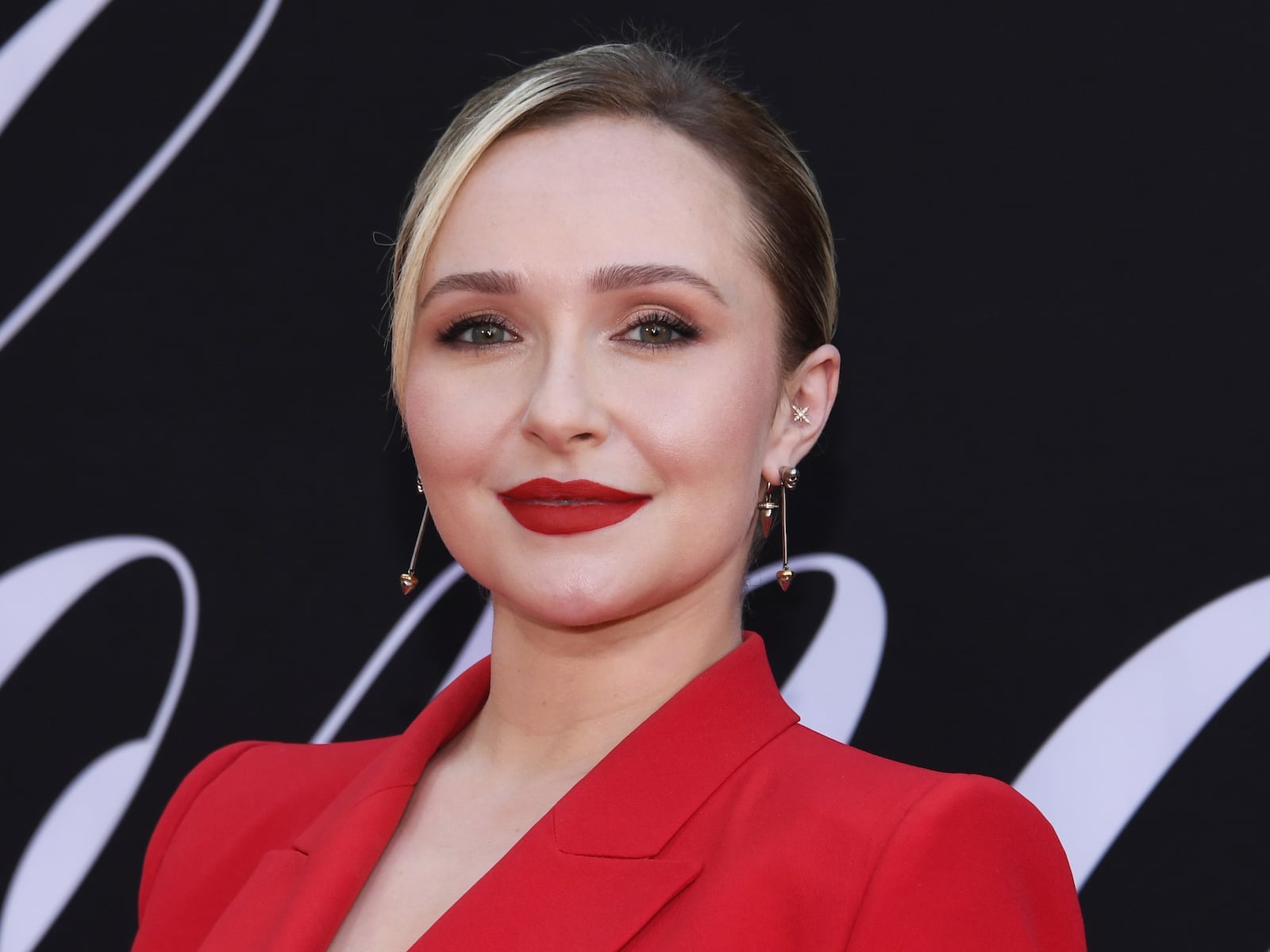
Four months after giving birth, Panettiere was diagnosed with postpartum depression. She first spoke publicly about it during a September 2015 appearance on “Live! With Kelly and Michael.” “It’s something a lot of women experience,” she said at the time. “When [you’re told] about postpartum depression, you think it’s ‘I feel negative feelings towards my child, I want to injure or hurt my child’ — I’ve never, ever had those feelings. Some women do. But you don’t realize how broad of a spectrum you can really experience that on.”
She entered treatment for alcohol abuse that October, briefly stepping away from her role on “Nashville.” In her memoir, she admitted her drinking had spiraled dangerously. “I needed a drink to function—at 6:00 a.m.—and that was f–ked. If I didn’t get some help as soon as possible, I was f–ked,” she wrote.
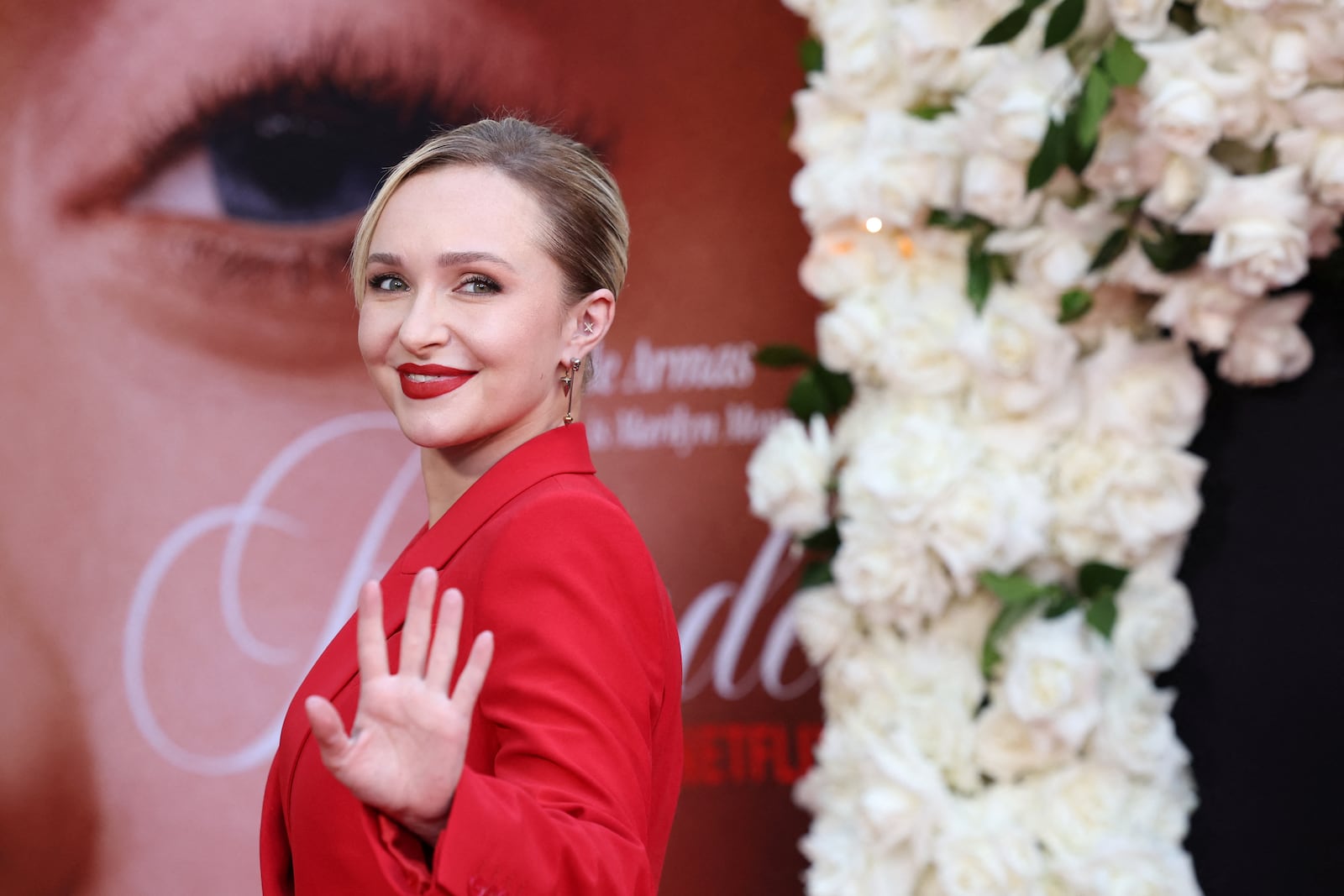
Panettiere said in May that she had believed alcohol would “fix” her postpartum depression, but it “made everything worse.” She described long stretches of emotional numbness. “I’d always heard that mothers feel an instant rush of love the moment they lay their eyes on their baby, but I felt nothing,” she wrote in her memoir.
Despite the distance, Panettiere emphasized her ongoing connection with Kaya in her final interviews. “I go travel as much as I can. I see her. I do spend a lot of time on FaceTime with her, but we talk about really deep things,” she told Shetty in May. “We have a really intense, incredible bond and I’m very grateful for that.”
She described Kaya as “so happy and speaks five languages” and said her daughter “knows that she’s got two parents that love her and I know in my heart that she feels supported.”
In what became her final interview, speaking to parenting magazine Momé in July, Panettiere called Kaya her “mini me” and said she’s “so proud of the young woman she is becoming,” She added, “I talk to her all the time, and I feel so connected to her. One day she’ll understand my story, and why I wasn’t able to be with her all the time.”
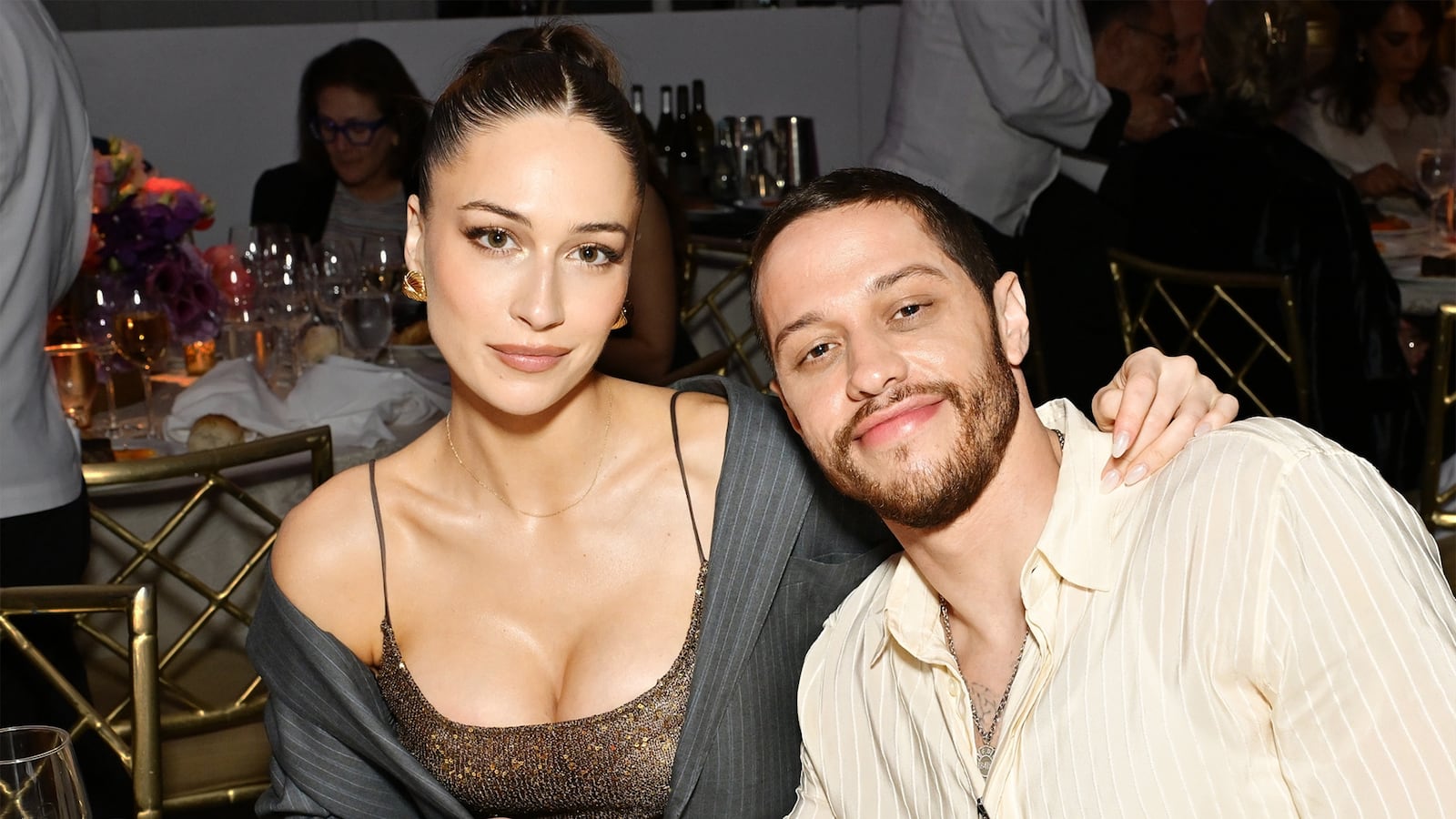
Panettiere expressed hope for their future relationship on Shetty’s podcast. “I always miss her. I always want to have my arms wrapped around her,” she said. “But that’s not the way life is right at this moment. But I do believe there will be a day where she’s an adult and she’s able to make her own decisions and go wherever she wants and I have faith that she is going to come to me and that we’re gonna have an incredible relationship and bond and friendship that a lot of parents don’t get to have with their kids.”
Her 2015 “Live! With Kelly and Michael” appearance became a watershed for celebrity openness about maternal mental health. She returned to the topic repeatedly over the following decade, culminating in her memoir and promotional interviews this spring that now stand as her final public words on motherhood.
Klitschko has not issued a public statement since Panettiere’s death.