


Lindsay Clancy’s former labor and delivery colleague testified Monday that Clancy once broke down in tears upon hearing about Andrea Yates.
Margaret Hamp, who worked alongside Clancy, 36, at Massachusetts General Hospital, told jurors in Plymouth Superior Court that the exchange occurred when a pregnant patient arrived at the hospital expressing suicidal intentions. Hamp said she brought up the Yates case to Clancy during that shift.
“I explained [Yates] to her, and [Lindsay] cried and said, ‘How could a mother hurt her children?’ ” Hamp recalled from the witness stand.
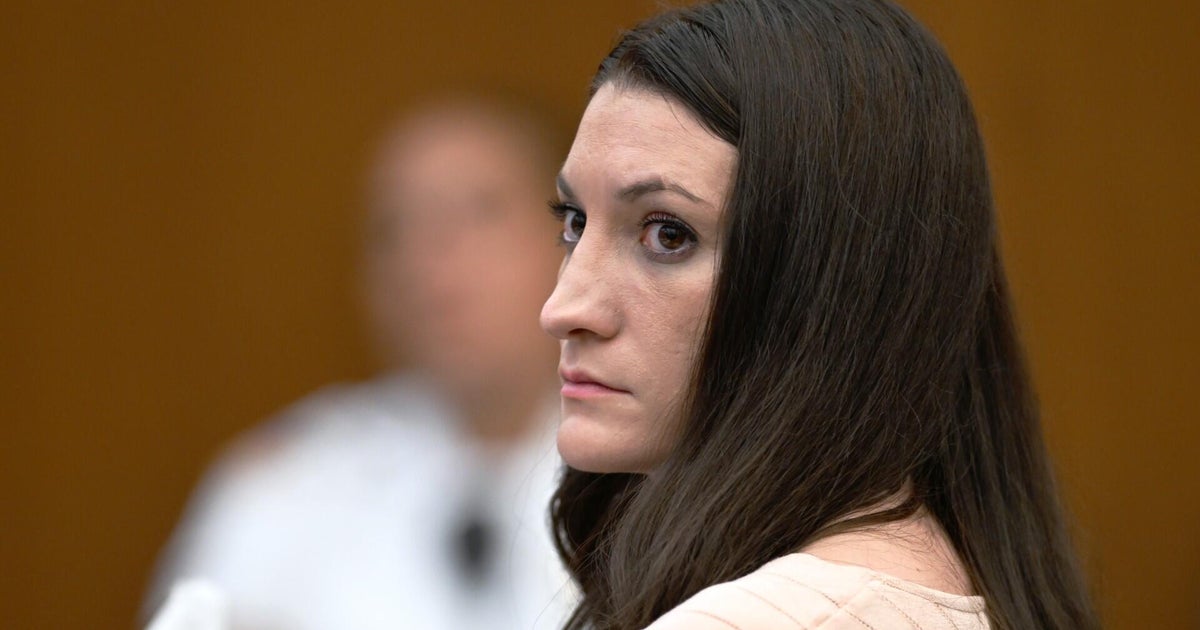

The testimony came during the second week of Clancy’s murder trial in Massachusetts, where she faces first-degree murder charges in the deaths of her children Cora, 5, Dawson, 3, and 8-month-old Callan. Clancy has pleaded not guilty, with her defense attorney Kevin Reddington arguing she was suffering from postpartum psychosis and overmedication when she strangled the children with exercise bands in their Duxbury home on Jan. 24, 2023.
The Yates reference carries particular weight in Clancy’s case. Andrea Yates drowned her five children in a bathtub in suburban Houston in 2001, and her defense team — including forensic psychiatrist Phillip Resnick, who is expected to testify for Clancy’s defense — successfully argued she was suffering from severe postpartum psychosis. Yates was found not guilty by reason of insanity at her 2006 retrial after an initial conviction was overturned.
Prosecutors have pushed back against parallels to Yates, with prosecutor Shanan Buckingham telling jurors in opening statements that Clancy “acted intentionally, rationally and swiftly.” Buckingham contended that “this was not a woman in the throes of psychosis.”
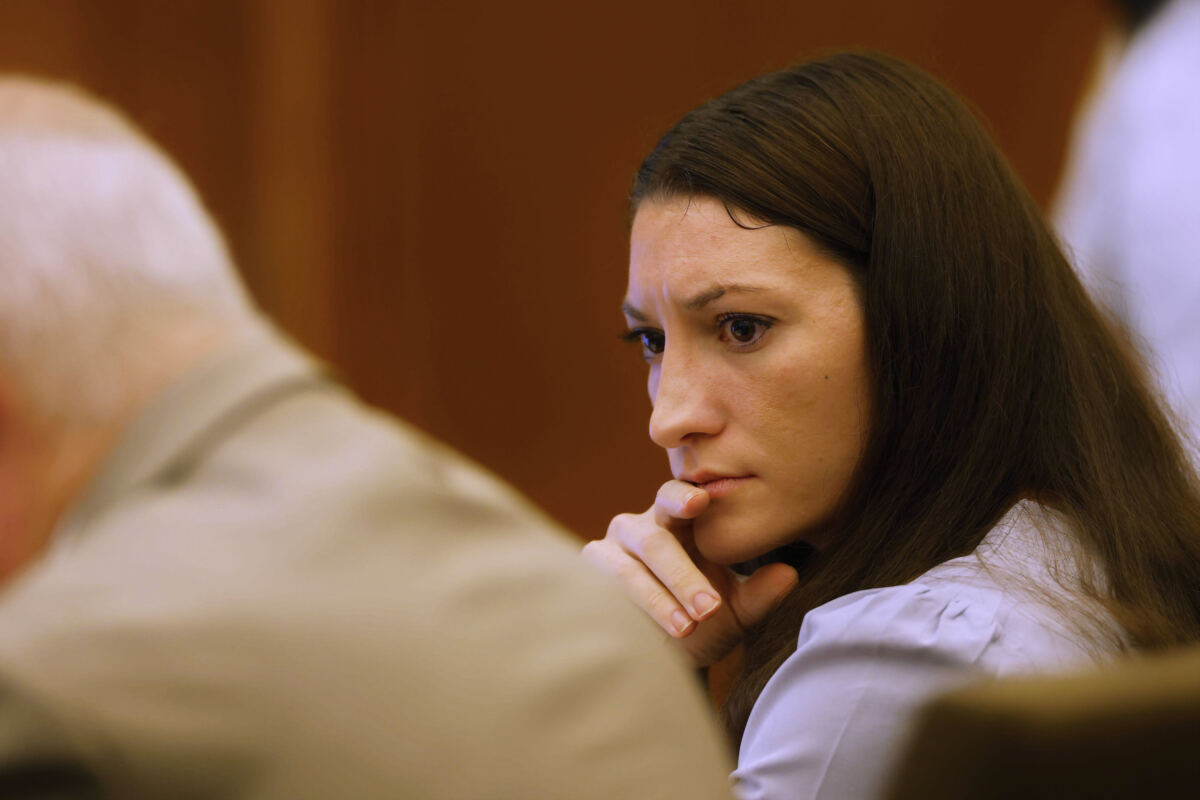
Clancy’s emotional reaction to the Yates story, as described by Hamp, stands in stark contrast to the prosecution’s portrayal of a methodical killer. The defense has emphasized Clancy’s documented mental health struggles following the birth of her third child, including multiple psychiatric hospitalizations and prescriptions for roughly a dozen different medications in the months before the killings.
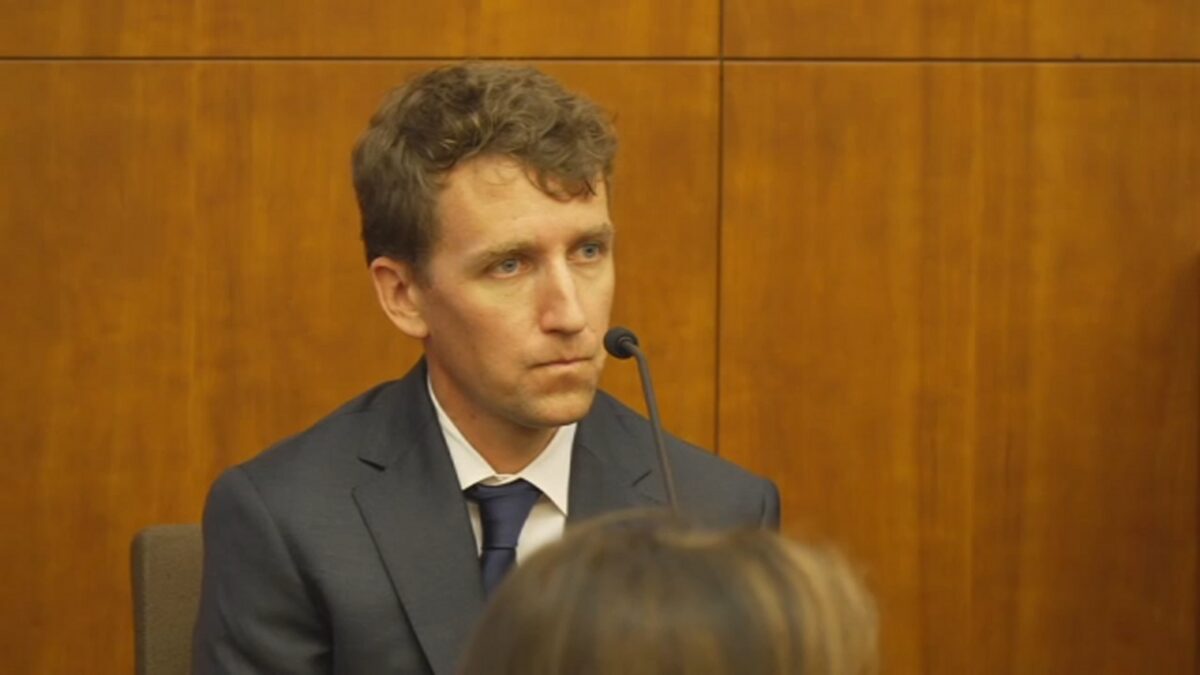
Patrick Clancy, her former husband, testified earlier in the trial that his wife’s condition deteriorated despite treatment. He told jurors that a month before the killings, she began describing suicidal and intrusive thoughts about harming the children, though she denied having actual plans to hurt them or herself. He described the situation as “very confusing” because she would alternate between expressing disturbing thoughts and performing routine maternal tasks like making lunch or playing with the children.
“I never saw Lindsay harm the kids,” Patrick Clancy testified.
The trial has already seen multiple emotional moments from Clancy herself. On Wednesday, Judge William Sullivan cleared the courtroom twice after Clancy broke down sobbing during testimony from medical examiner Barbara Olson about the autopsies performed on two of her children. At one point, Clancy could be heard crying out, “I can’t do it!” According to courtroom reports.
Legal analyst Jennifer Roman told WBZ-TV that continued outbursts could force the judge to remove Clancy from the courtroom. “She has a right to be present, but she doesn’t need to be present,” Roman said. “At some point, Judge Sullivan may tell her that she needs to leave the courtroom if her emotions remain so unchecked.”
Clancy sent her husband out to run errands on the evening of Jan. 24, 2023, then strangled her three children with exercise bands in the basement of their home. She cut herself and jumped from a second-story window, leaving her paralyzed from the waist down. Patrick Clancy returned to find her in the backyard and discovered the children’s bodies in the basement. Clancy later told investigators she heard voices saying, “This is your last chance. Kill the children so you can kill yourself,” according to her defense team.
The case has drawn comparisons to Yates and other mothers who killed their children while suffering from postpartum mental illness. Rusty Yates, Andrea’s former husband, told NewsNation’s “CUOMO” that the criminal justice system has failed to evolve in handling such cases. “We haven’t come up with anything more creative or definitive for handling cases like this,” he said.
Dr. Nicole Cirino of Baylor College of Medicine, who has testified in infanticide cases, said women experiencing postpartum psychosis often believe they are helping their children. In their own minds, “they may be saving their children from damnation,” Cirino said.
With more than 70 witnesses called so far and experts on postpartum psychosis still expected to testify, the trial is projected to continue for several more weeks before the jury begins deliberating.