


Roger Edwards called the timing an “astounding coincidence.”
The longtime meteorologist and Dolly Parton fan spoke out after Tropical Storm Dolly formed in the central Atlantic just days after the country music legend’s death. Edwards, who has followed both storm naming and Parton’s career for decades, said that the overlap between the pre-selected storm name and the singer’s passing was something he never expected to see. The storm developed last week from a tropical wave that the National Hurricane Center had been monitoring since late August.
The name Dolly was added to the Atlantic storm naming list back in 1996. It replaced Diana, a Category 2 hurricane that killed 139 people in Mexico in 1990. Because the World Meteorological Organization rotates six alphabetical lists on a seven-year cycle, the name Dolly was destined to come up again in 2025 regardless of current events. Edwards noted that this scheduling was locked in thirty years ago, long before anyone could have predicted the singer’s death would align with its return.
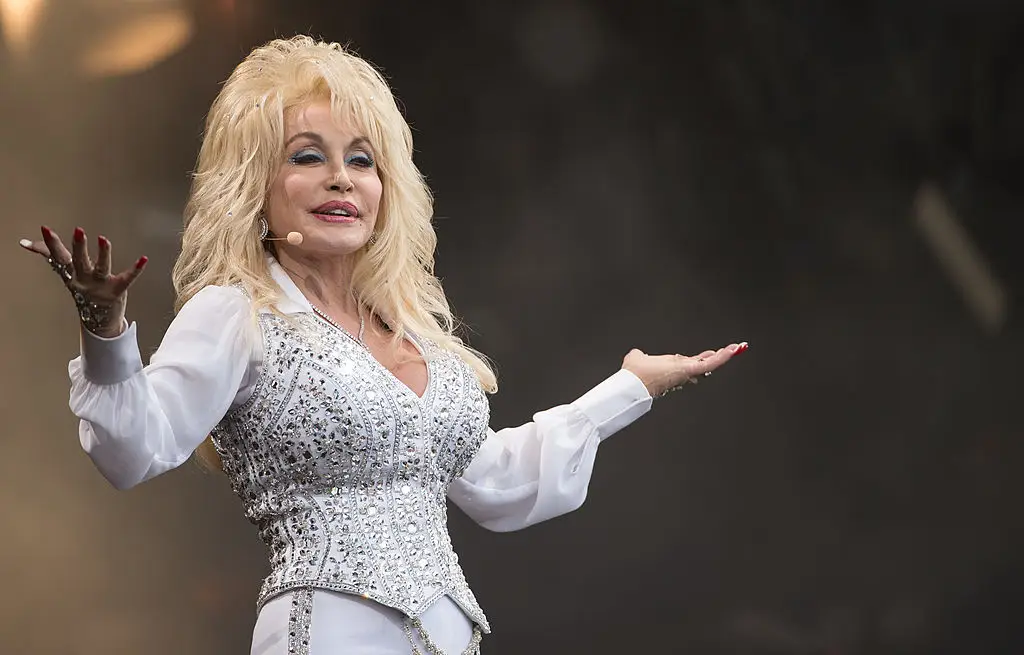
The storm name has been used three times previously. The most recent was Tropical Storm Dolly in 2020, and the most severe was Hurricane Dolly in 2008, which made landfall as a Category 1 storm in south-eastern Texas after reaching Category 2 strength at sea. None of those earlier storms prompted any connection to the singer, who was very much alive and performing during each of those years.
Parton herself had developed a personal connection to hurricane relief efforts in recent years. In 2024, she donated $1 million to help communities in North Carolina and Eastern Tennessee recover from flooding caused by Hurricane Helene, according to the Knoxville News Sentinel. Her business reportedly matched the donation. Lori Moore, executive director of Mountain Ways, the organization that received the funds, told News 13 that Parton later gave an additional $1 million for specific recovery needs.
“We were told it was going to buy the doors to their new home or the windows to their new home,” Moore said. “It truly was a bit of a light for them in the moment when a lot of people reached desperation.”
“These were truly her people and her mountains,” Moore added. “When she said she wanted to give back to them, she absolutely did what she said she was going to do.”
Parton had marked the Helene donation with a musical twist on one of her biggest hits. She sang a rewritten version of “Jolene” with the storm’s name substituted in: “Helene, Helene, Helene, you came in here and broke us all apart. Helene, Helene, Helene, we’re all here to mend these broken hearts.”
Parton died on August 26 at age 79, prompting an outpouring of tributes from fellow musicians and fans worldwide. Miley Cyrus, who called Parton her “Aunt Dolly,” posted a remembrance on August 26. The singer’s death came just as the National Hurricane Center was tracking the tropical wave that would become the 2025 storm, creating the overlap that Edwards and others found so striking.
The World Meteorological Organization has not suggested any plans to retire the name Dolly from future rotation. Storm names are typically retired only after particularly deadly or destructive systems, and the 2025 Tropical Storm Dolly is not currently projected to reach hurricane strength or make landfall in the United States.