

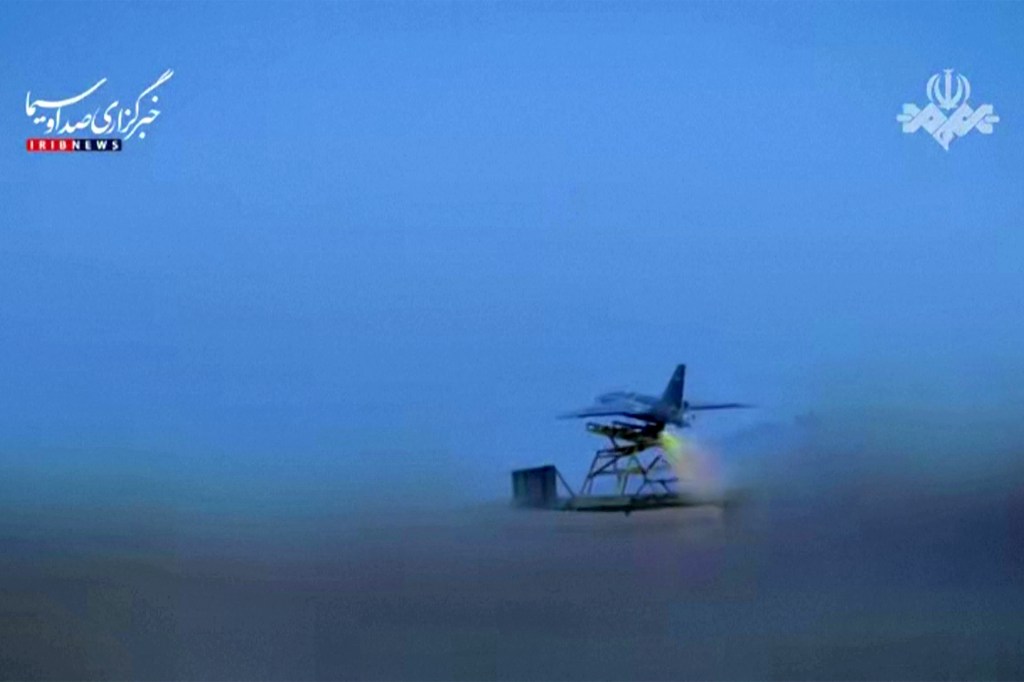
Iran launched drone and missile attacks against U.S. Allies across the Gulf early Wednesday, striking Kuwait City and targeting Bahrain after American warplanes pounded Iranian military sites in the deadliest exchange between the two powers in weeks.
The renewed violence shattered a monthlong lull in direct fighting and sent Brent crude oil climbing above $95 per barrel, up more than 30 percent since the war began. About one-fifth of globally traded oil normally moves through the Strait of Hormuz, though traffic has slowed to a trickle since Israel and the U.S. Attacked Iran on Feb. 28 and Tehran largely shut the waterway.
Kuwait’s government communications center confirmed that an Iranian drone hit a residential complex in the capital at dawn, sparking a fire that was later contained. Officials reported no casualties from the blaze. Bahrain, which hosts a major U.S. Naval base, said its air defense systems intercepted incoming Iranian fire and accused Tehran of “attacks targeting civilians” in a military statement.
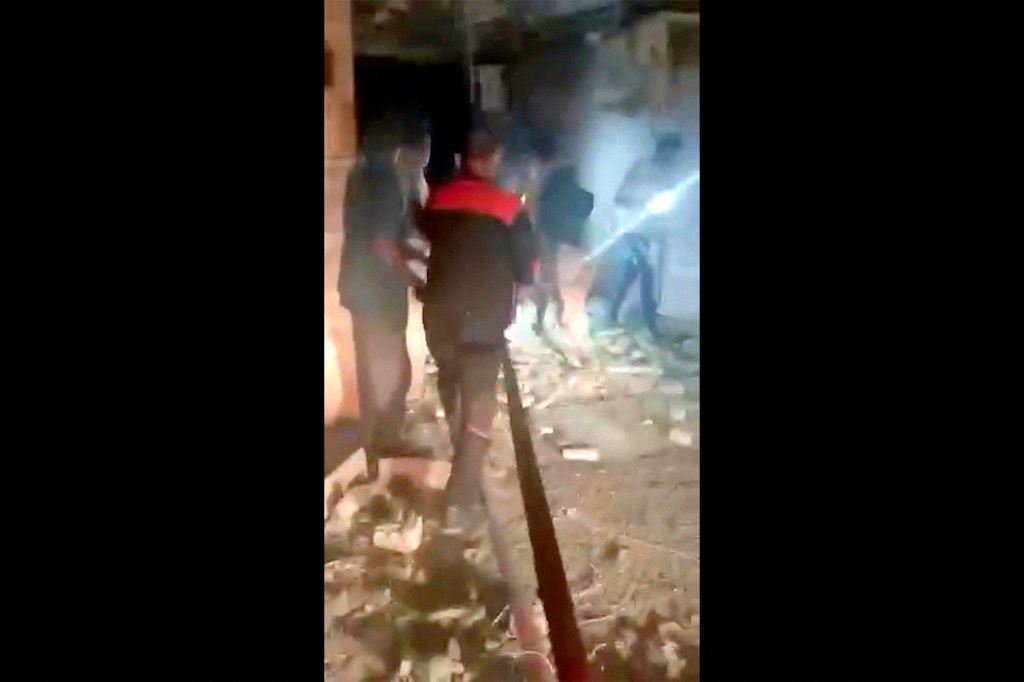
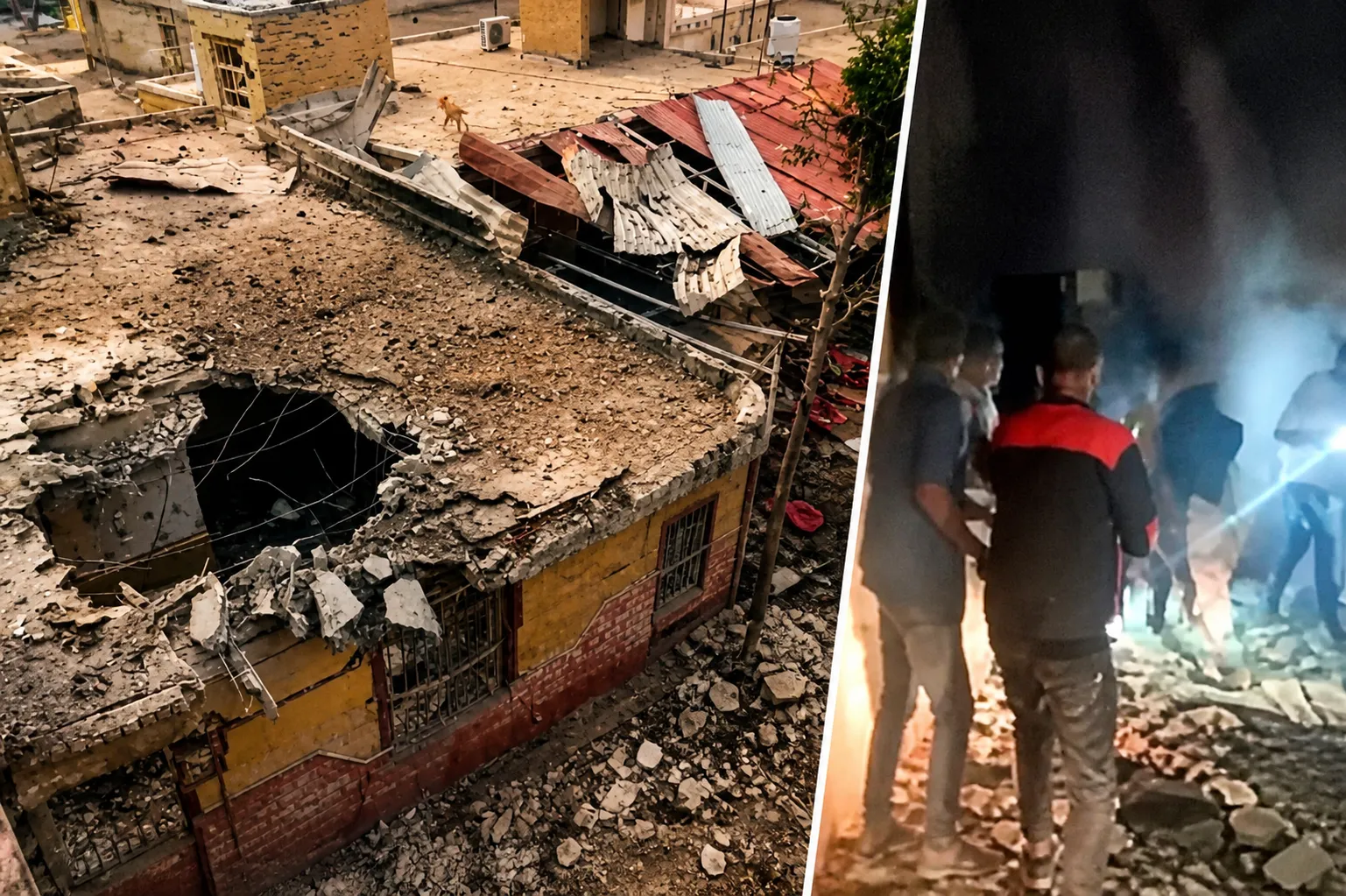
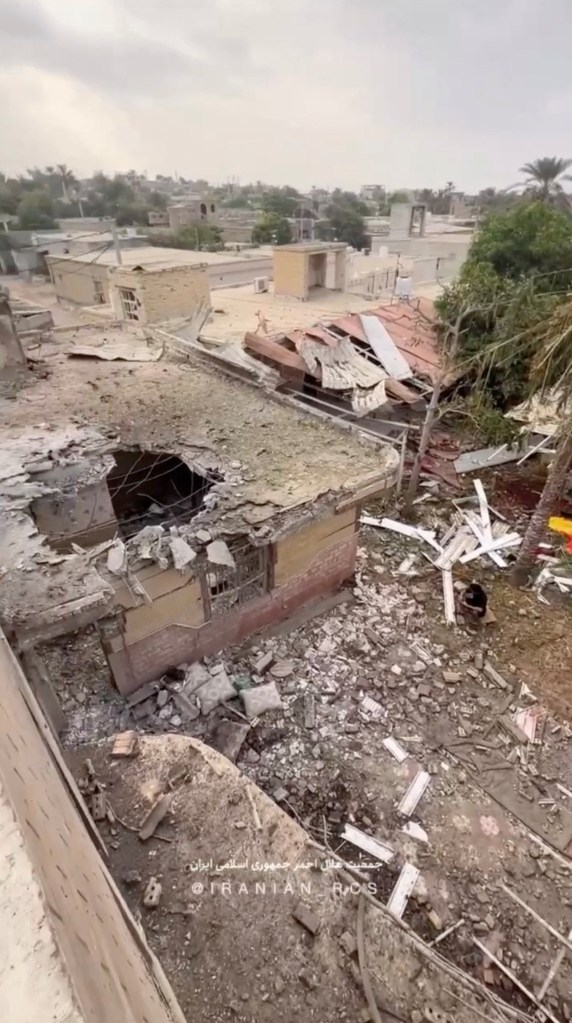
The Gulf strikes came hours after U.S. Central Command bombed Iranian air defense sites, radar installations and maritime assets. One American strike hit a home where a wedding was underway, according to Iranian media, killing at least five people including a child and wounding at least 68 others. Images from Iran’s semiofficial Tasnim news agency showed hospitalized children receiving treatment, while Iranian Red Crescent footage captured rescue workers picking through rubble in a densely packed neighborhood where one house had a gaping hole in its roof.
“Make no mistake: these crimes will not go unpunished,” Ebrahim Azizi, chairperson of the Iranian parliament’s National Security and Foreign Policy Committee, wrote on X.
The U.S. Military acknowledged awareness of the civilian casualty reports but maintained that it “never targets civilians.”
President Trump offered his own rationale for the strikes in a phone call with Fox News, describing a calculated delay in hitting Iranian radar systems. “We waited until it was almost built and then we hit it,” he said.
Trump also used social media to dismiss diplomatic solutions and taunt Tehran’s leadership. “I couldn’t care less if they sign a worthless, to them, agreement. I like our position now much better, with almost total control of the Hormuz Strait, and their economy totally collapsing,” he wrote. “They are just playing out the inevitable. When are the Iranian people going to rise up and fight?”
The president had earlier threatened escalated retaliation if Iran answered the U.S. Strikes, warning that Tehran “will be hit again at a much harder and higher level.”
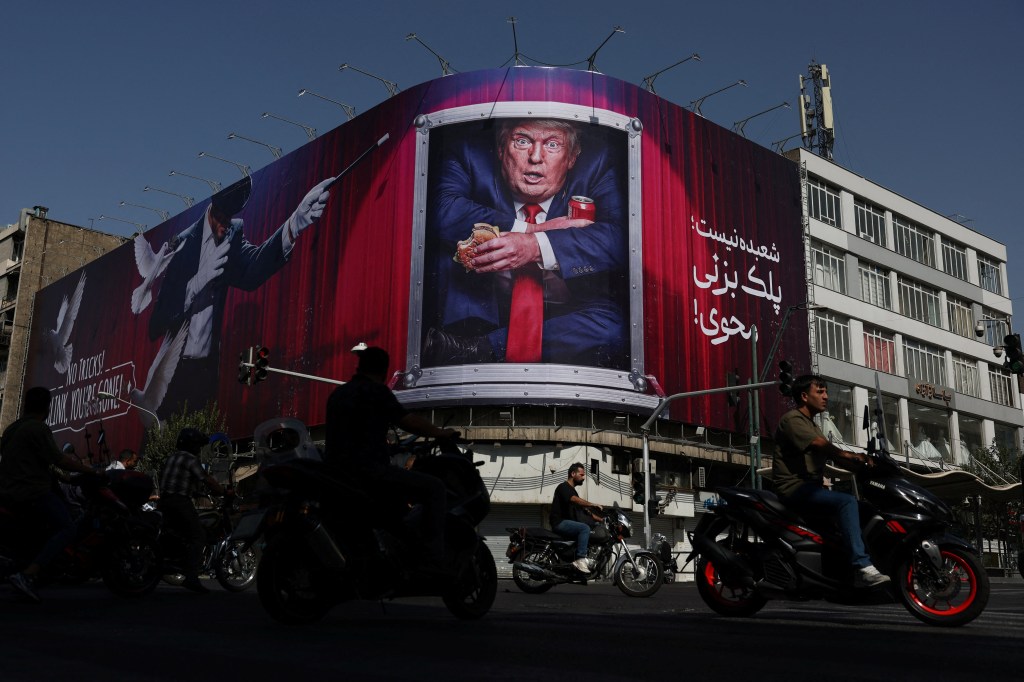
Regional fallout extended beyond the Gulf. In Iraq, Kurdistan’s Counter-Terrorism Directorate intercepted ten explosive-laden drones in the Irbil area, while Iranian television reported American bases there had been targeted. Israel’s military said Iran-backed Hezbollah fired two explosive drones at its soldiers in southern Lebanon without causing casualties. The United Arab Emirates reported intercepting an Iranian drone over its waters on Monday, and Saudi shipping firm Bahri confirmed two Filipino sailors were killed in a Strait of Hormuz attack late Monday.
Washington’s weekend operations began when American forces struck Iranian rocket launchers on an island in the Strait of Hormuz, claiming Iran planned to use them to mine the critical waterway. Iran responded by firing missiles at U.S. Bases in Jordan, all of which were intercepted.
During the recent lull in combat, the Trump administration intensified economic pressure on a country already suffering soaring inflation, negative growth and currency collapse. Despite repeated U.S. Declarations that the strait is open, only a handful of ships now transit daily as Iran continues attacking vessels.
Trump is scheduled to hold a campaign rally in Wisconsin on Friday.