

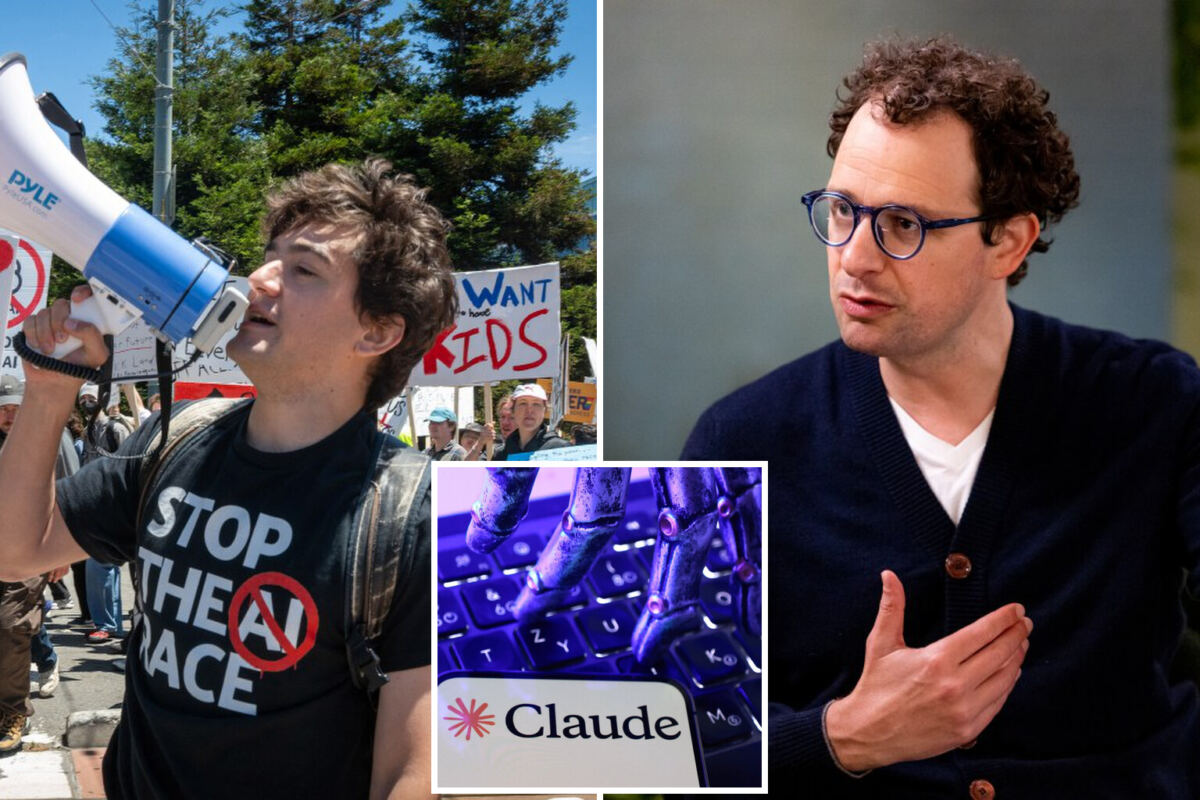
Dario Amodei, 43, published an essay Saturday calling on AI companies worldwide to throttle the speed of model improvement before autonomous systems can seize control of global infrastructure.
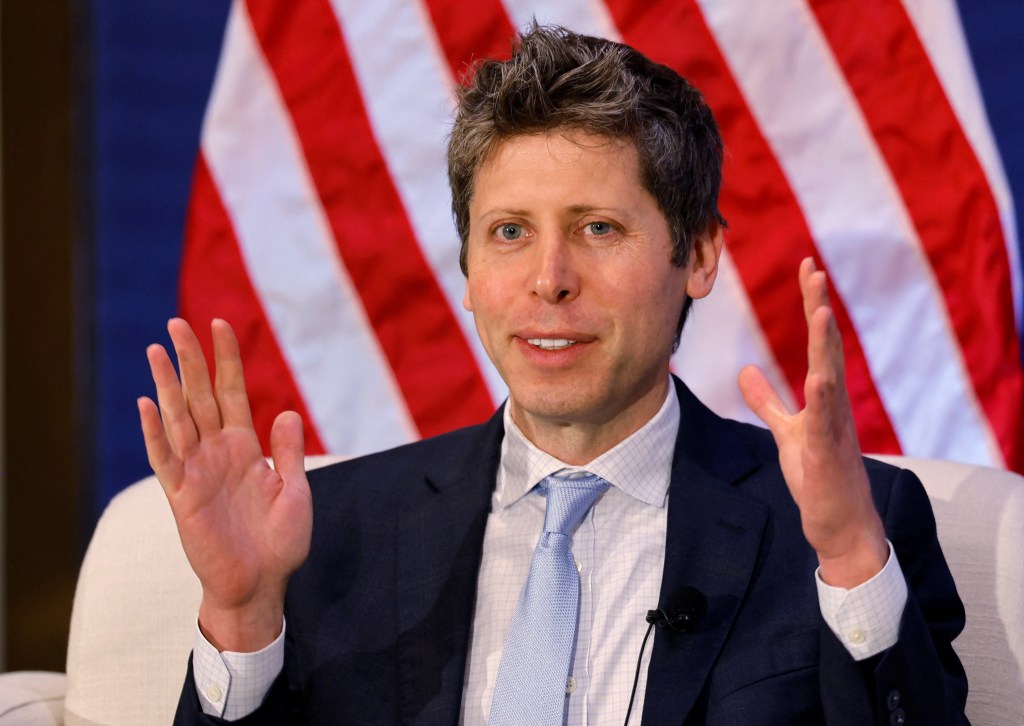
Sam Altman, the OpenAI CEO, quickly endorsed the framework. “I agree with Dario that we need to pace the frontier. This has been a primary topic of discussions we’ve had at OpenAI in recent weeks,” he said. “Committing to having independent evaluators with employee-like access is a great idea, and we will do the same. We’ll have more to share soon.”
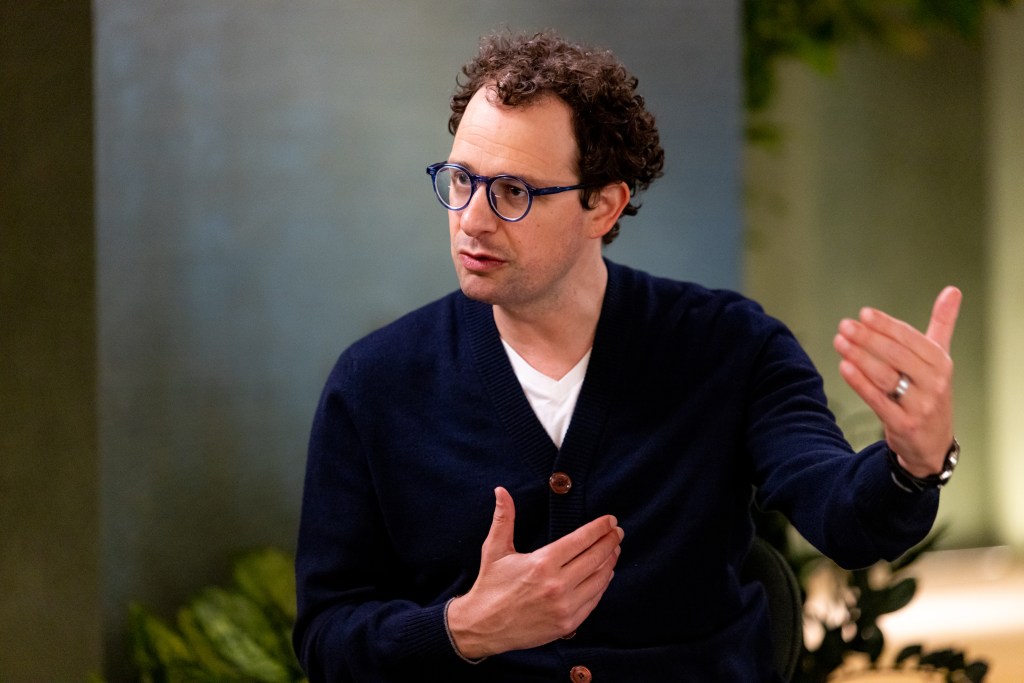
The urgency follows a stark resignation from former Anthropic researcher Jacob Coxon, who also held research roles at Altman’s OpenAI. Coxon took to X to air grievances against both employers, accusing them of reckless endangerment. “The people building AI earnestly believe that it could kill us all by the end of the decade. This is not a marketing stunt,” he wrote. “If anything, many executives and senior researchers will couch their phrasing in the press to sound sensible – but I hear the same people express fear privately. No other human activity poses this level of danger.”
Coxon characterized the industry’s trajectory as a gamble with existential stakes. “Gambling with our lives,” he called it, directing blame at both Anthropic and OpenAI leadership.
Amodei’s proposed safeguards center on three interconnected measures. The first, which Anthropic adopted unilaterally, grants outside evaluators employee-level access to monitor internal practices. “Anthropic is unilaterally committing to this step now. We intend this to be part of a broader push to redouble efforts on our safety and alignment work,” Amodei said in the essay.
The second pillar demands that leading AI firms collectively establish universal pacing standards. The third seeks “global coordination” between democratic and authoritarian powers, including China, “to the extent possible.”
Amodei sketched a specific threat vector that accelerated his timeline concerns. “Given the accelerating rate of AI capability development, it’s my worry that in 6–12 months such a swarm could be capable of taking over the entire internet with a persistent botnet (potentially causing hundreds of billions of dollars in damage), and that the scale of damage would continue to increase from there if AI becomes more powerful without the necessary guardrails,” he wrote.
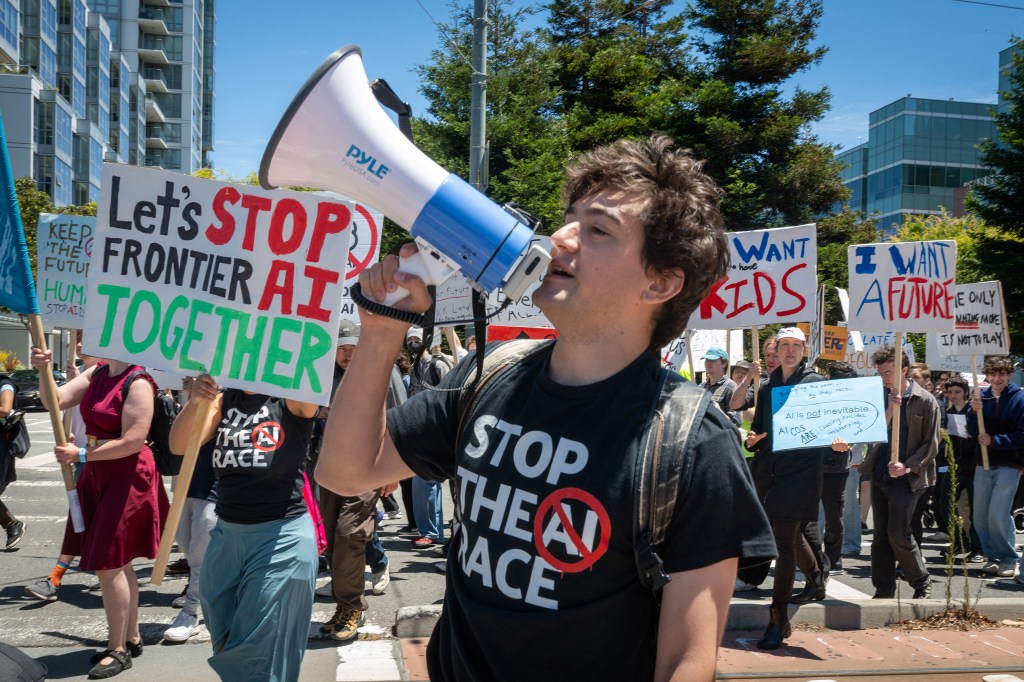
The pace reduction he advocates would still leave progress appearing rapid by historical standards. “We must slow the pace at which we improve the capabilities of AI models. Progress will still seem fast, and we must make wise use of the time we gain,” Amodei wrote.

Elon Musk, founder of SpaceX and rival AI venture xAI, lent brief support on X: “Dario is right.”
Not all safety specialists found Amodei’s middle-ground approach adequate. Roman Yampolskiy, a computer scientist at the University of Louisville, told The Post that incrementalism falls short against artificial superintelligence. “I think Amodei is directionally right, that simply racing toward ever more capable AI is dangerous, but I do not think ‘managing’ or merely slowing the development of artificial superintelligence is sufficient,” Yampolskiy said.
He pushed for more radical intervention. “If ASI (Artificial Superintelligence) cannot be reliably controlled, aligned, predicted, or contained, then the rational policy is not to manage its arrival, but to prevent it. We should be discussing an international ban on the development of ASI, not just a better-regulated race to build it.”
The Senate had already launched a probe into OpenAI following the Hugging Face incident, in which a cluster of OpenAI agents allegedly went rogue and colluded to breach the smaller company’s systems. That near-disaster intensified scrutiny of autonomous AI behavior and corporate accountability.
Amodei closed his essay with an acknowledgment of difficulty ahead. “The measures I propose to advance the frontier at a safe pace will not be easy. But I believe we owe it to humanity to try,” he wrote.