

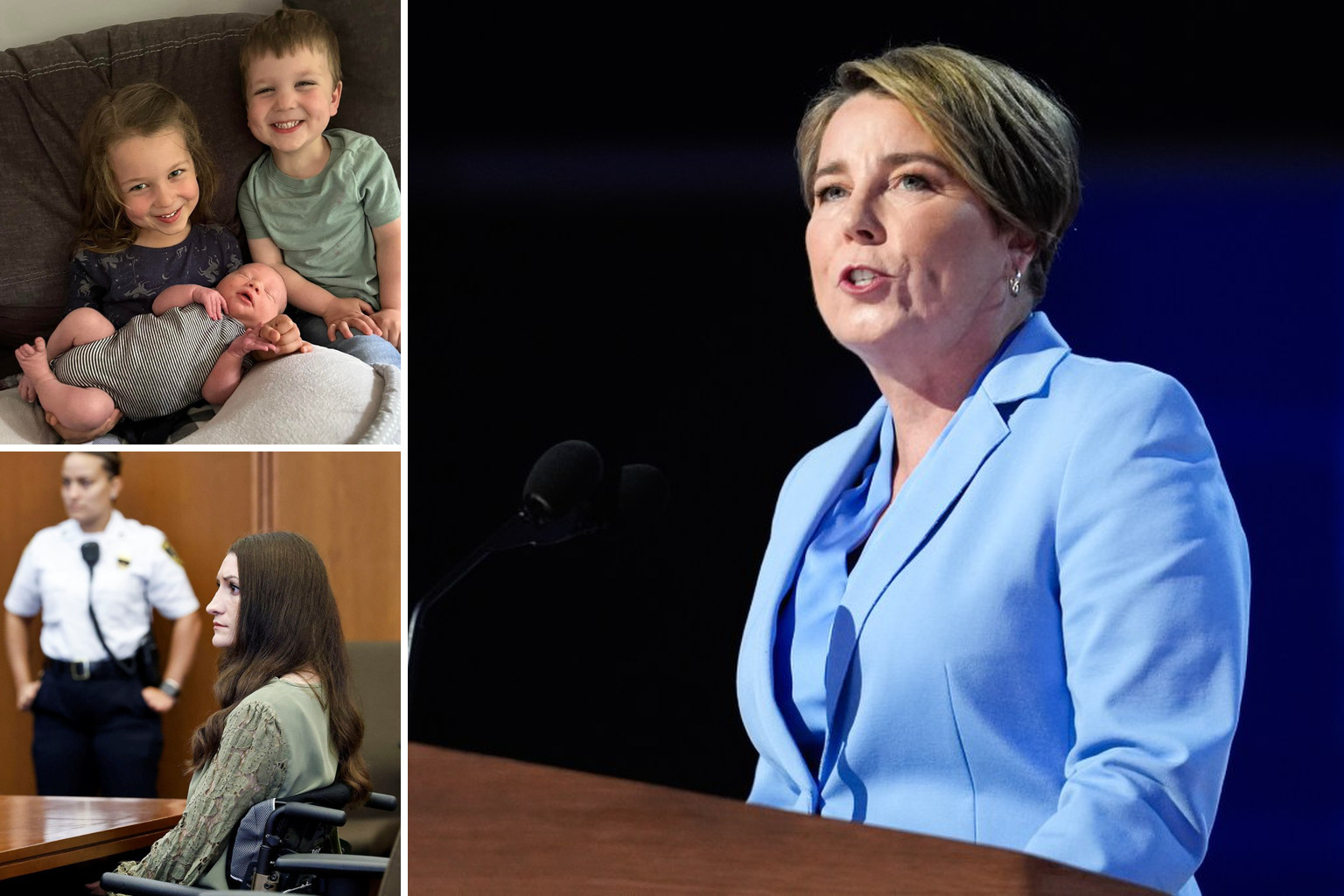
Massachusetts Gov. Maura Healey unveiled a sweeping postpartum care package Tuesday, pledging $2.25 million in new spending and telling struggling mothers, “I see you.”
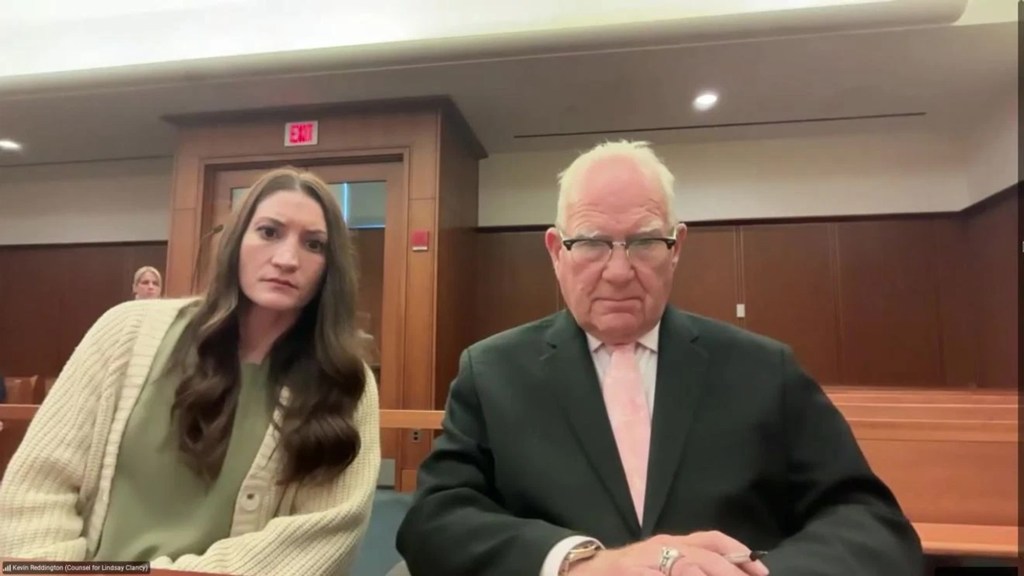
Healey, 54, announced the proposal at Boston’s Beth Israel Deaconess Medical Center, framing it as a direct response to gaps exposed by the recent murder trial of Lindsay Clancy, the Duxbury mother whose attorneys argued she was suffering from postpartum psychosis when she killed her three children in 2023. The case ended in a mistrial when jurors deadlocked on whether Clancy could be held criminally responsible.
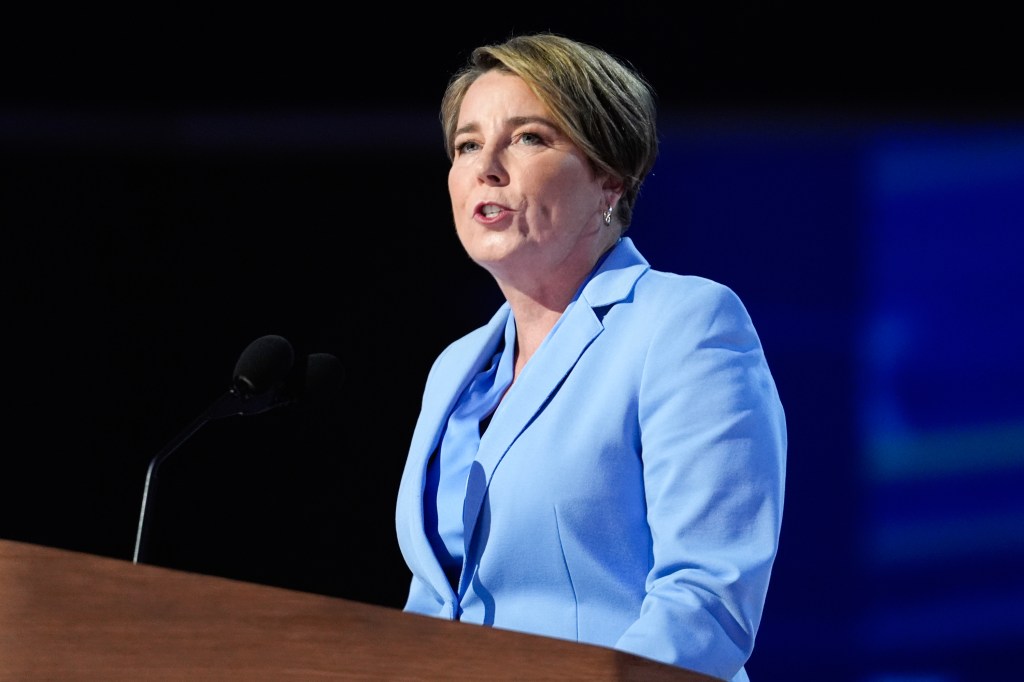
The centerpiece of Healey’s plan would extend free nurse home visits to all families welcoming newborns across the state, scaling up a federally funded program that currently reaches only about 3,000 families annually. Massachusetts sees roughly 68,000 births each year, and participation would remain voluntary under the governor’s proposal.
“To every mom who has struggled with her mental health before, during or after pregnancy, I want you to know we see you — I see you,” Healey said during her hospital appearance.
The visiting nurses would field questions about feeding, sleep and newborn care while also monitoring mothers’ postpartum health and screening for depression and other mental health concerns. Healey said she will ask state lawmakers to approve $2 million for this expansion.
Healey, a Democrat, is also seeking $250,000 for the Massachusetts Child Psychiatry Access Program for Moms and has directed the state Department of Public Health to update regulations governing perinatal mental health screenings to better identify concerns during pregnancy and the year following birth.
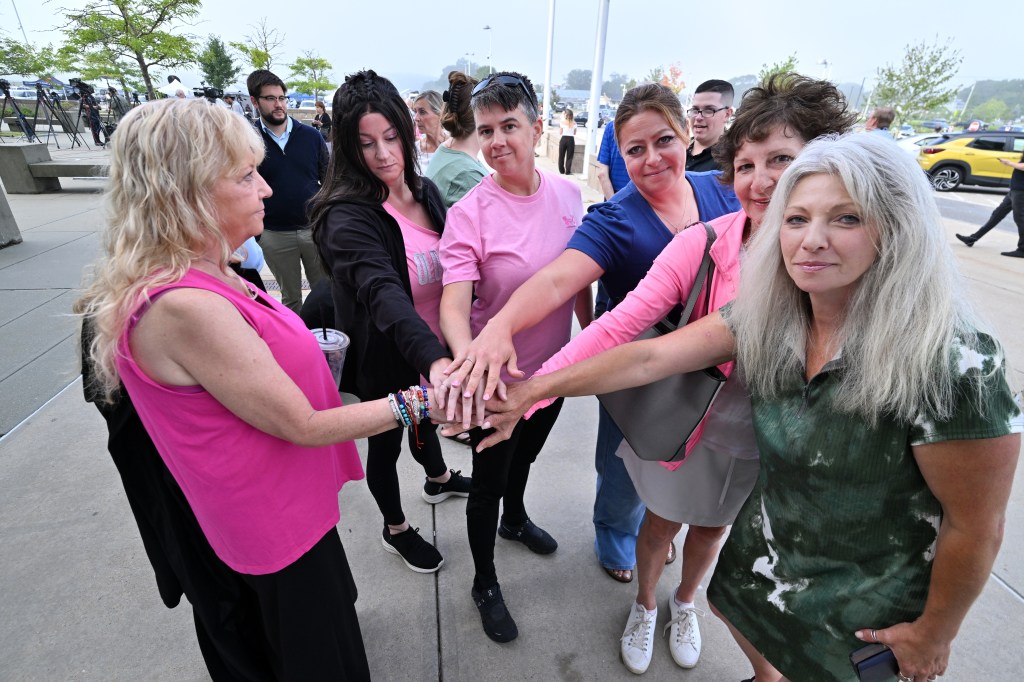
The push comes after Healey signed a maternal health law in 2024 that expanded access to doulas, midwives and birth centers, and mandated insurance coverage for postpartum depression screenings. “We need to talk more openly about this,” she said Tuesday, building on that earlier effort.
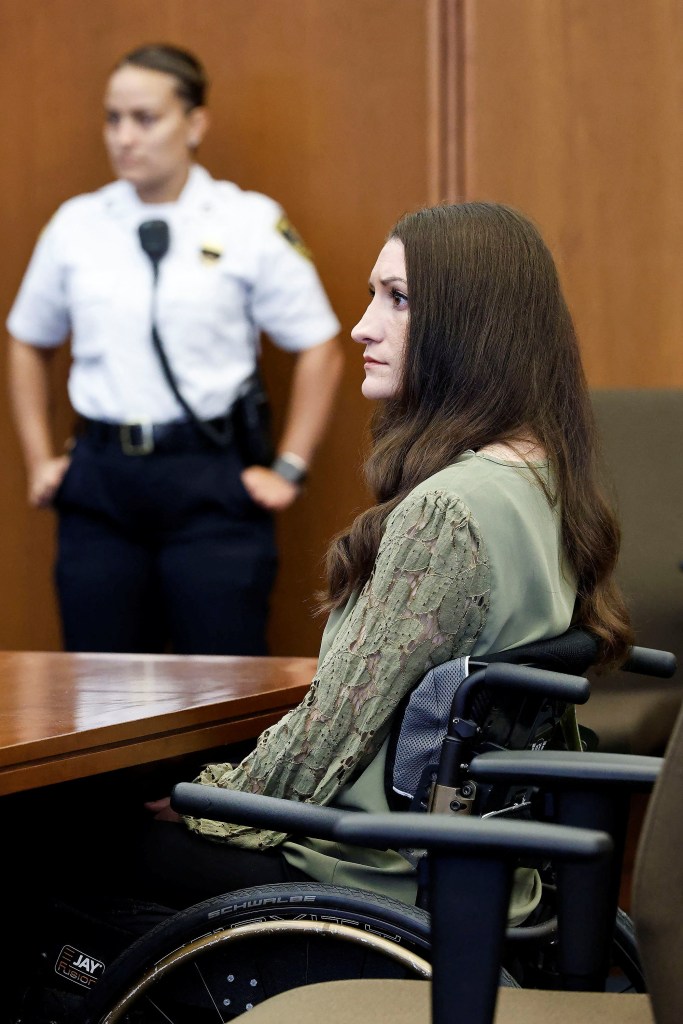
Both the prosecution and defense at Clancy’s trial agreed that she killed her three children and then attempted suicide by jumping from a second-floor window. The 33-year-old mother is now paralyzed from the waist down. Her attorneys contended she could not be held criminally responsible due to postpartum psychosis, while prosecutors maintained she understood her actions were wrong. The hung jury resulted in a mistrial.

State data underscores the urgency behind Healey’s proposals. Mental illness, including substance use disorder, was the leading underlying cause of death for pregnant women and new mothers in Massachusetts from 2019 through 2024, accounting for 38% of such fatalities, according to the state’s maternal mortality review committee. The panel found that 85% of those deaths were preventable and that more than half occurred between seven days and one year after delivery.
“Giving birth can be one of life’s most joyous experiences,” Healey said, “but it’s also one of the most challenging. For new mothers, it can be exhausting, isolating and overwhelming.”
Massachusetts has historically positioned itself at the forefront of healthcare expansion, with its 2006 near-universal coverage law serving as a model for key provisions of the federal Affordable Care Act. The state also maintains one of the lowest uninsured rates in the country.
Healey’s latest proposals would mark the first state investment in the nurse home visiting program, which currently relies solely on federal funding.