

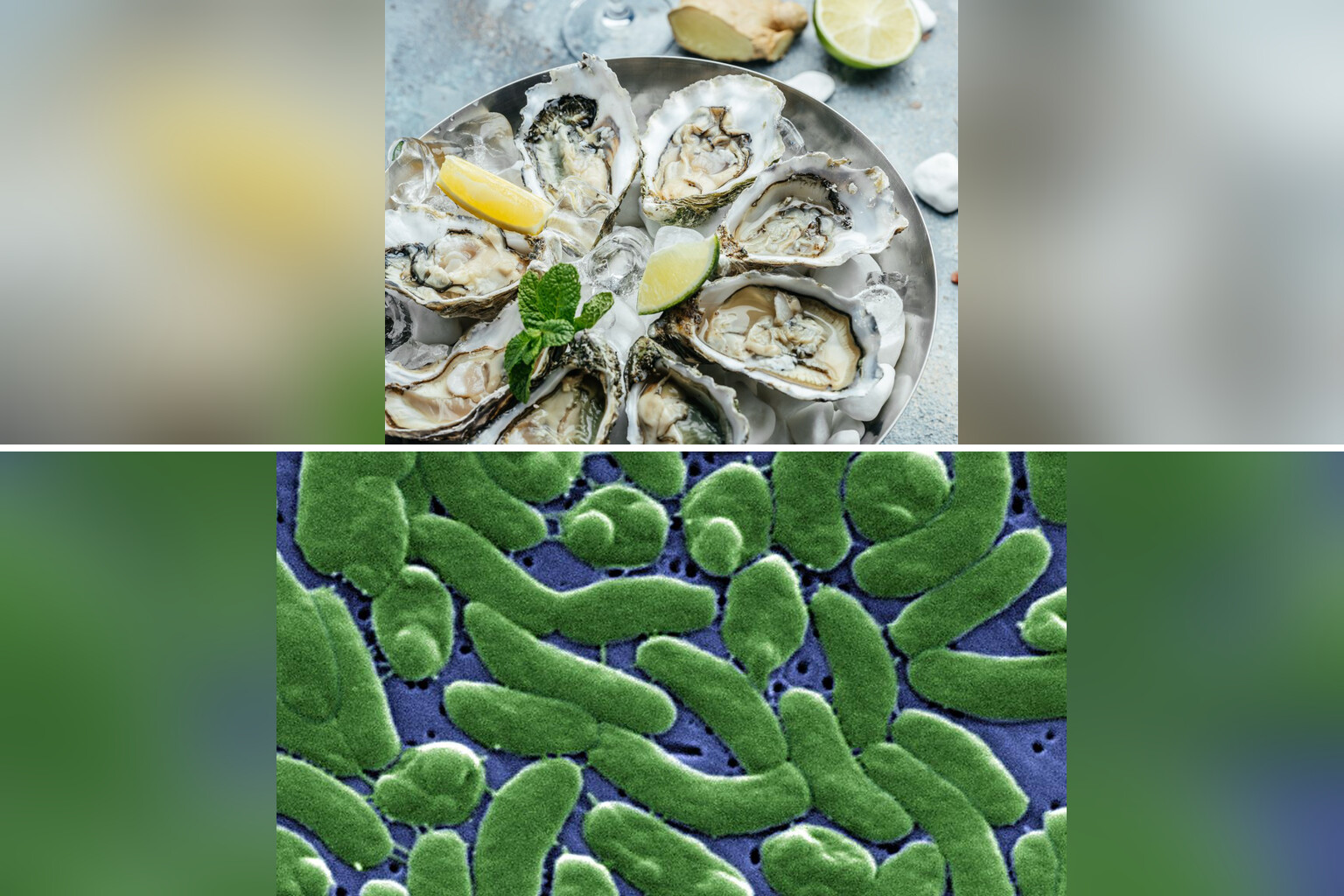
A fourth Floridian has died from Vibrio vulnificus, the flesh-eating bacterium tied to raw oysters and contaminated water, state health officials confirmed Thursday.
The latest victim, a resident of Broward County between the ages of 75 and 79, was added to the Florida Department of Health’s updated fatality count. How exactly this person contracted the infection remains unknown.
Three previous deaths this year have been traced to residents of Bay, Palm Beach and Marion counties, according to the state’s health department. Florida has now recorded 21 cases of the deadly bacterium in 2026.
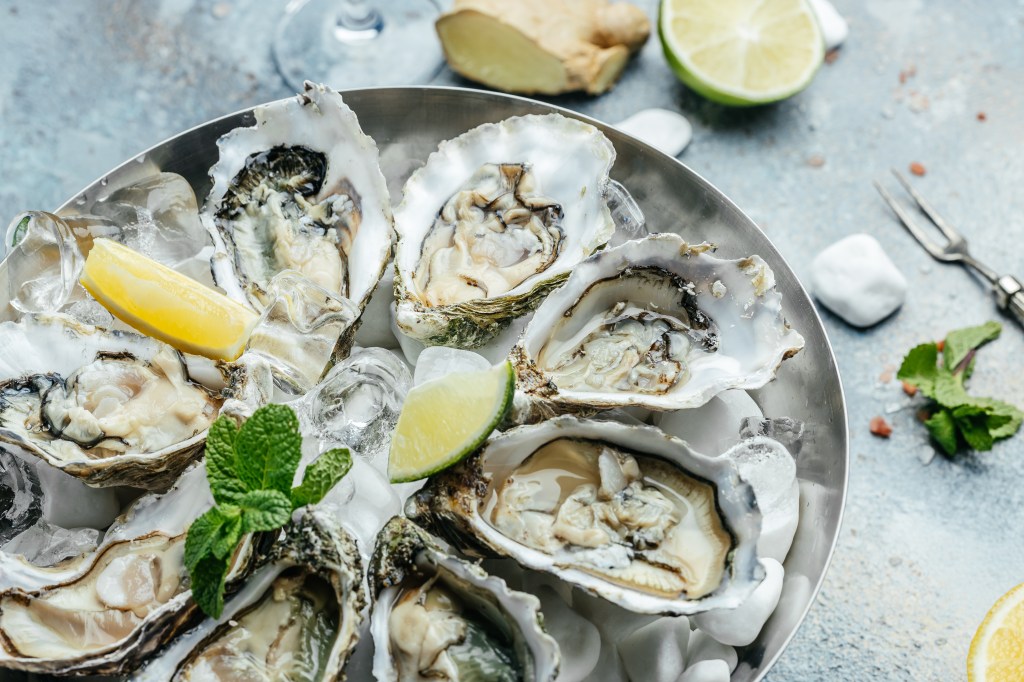
“Most people get vibriosis by eating raw or undercooked shellfish, particularly oysters,” the Florida Department of Health said.
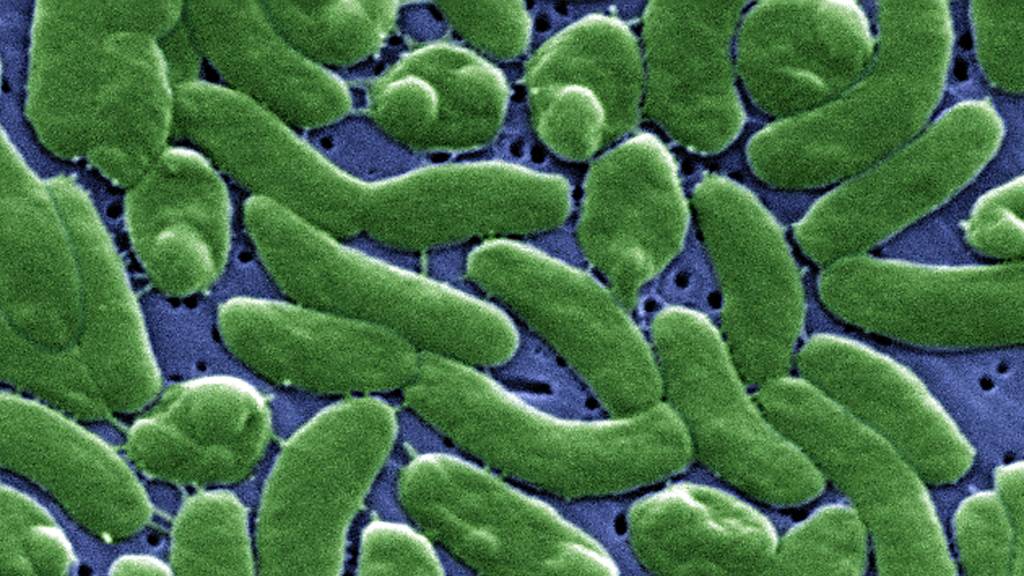
Vibrio vulnificus occurs naturally in warm, brackish seawater. People become exposed either by consuming contaminated oysters or by entering contaminated water with open wounds. Bloodstream infections caused by the bacterium prove fatal roughly half the time, health officials said.
While healthy individuals usually experience only mild illness, those with weakened immune systems face severe danger. “A recent study showed that people with these pre-existing medical conditions were 80 times more likely to develop Vibrio vulnificus bloodstream infections than healthy people,” Florida health officials said.
Severe cases bring fever, chills, decreased blood pressure leading to septic shock, and blistering skin lesions. Wound infections can progress to tissue damage so extensive that amputation becomes necessary.
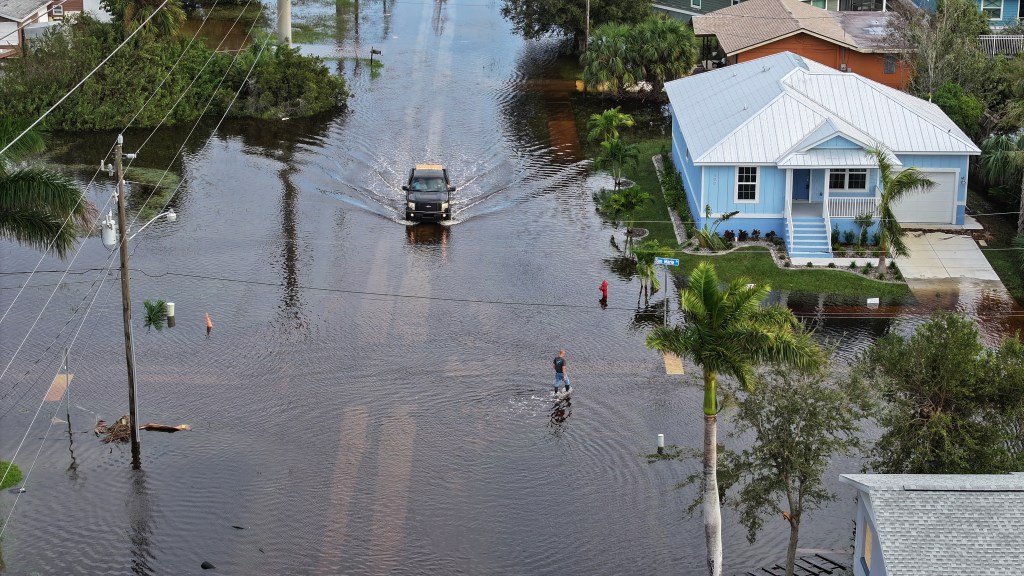
The current year continues a troubling pattern. Florida logged 19 deaths and 82 cases in 2024, following 17 deaths and 74 cases in 2022 — among the highest totals in the last decade. Officials linked that unusual spike to hurricane impacts in certain counties, specifically naming Helene and Ian. Standing or floodwaters from severe weather events create additional exposure risks, they noted.
Elsewhere on the Gulf Coast, Louisiana has reported 15 cases and six deaths this year as of Sept. 9, the Louisiana Department of Health announced. Fourteen of those cases stemmed from wound or seawater exposure rather than food consumption. Mississippi recorded three cases as of August. Texas, according to the Texas Department of State Health Services, typically averages 33 cases annually.