

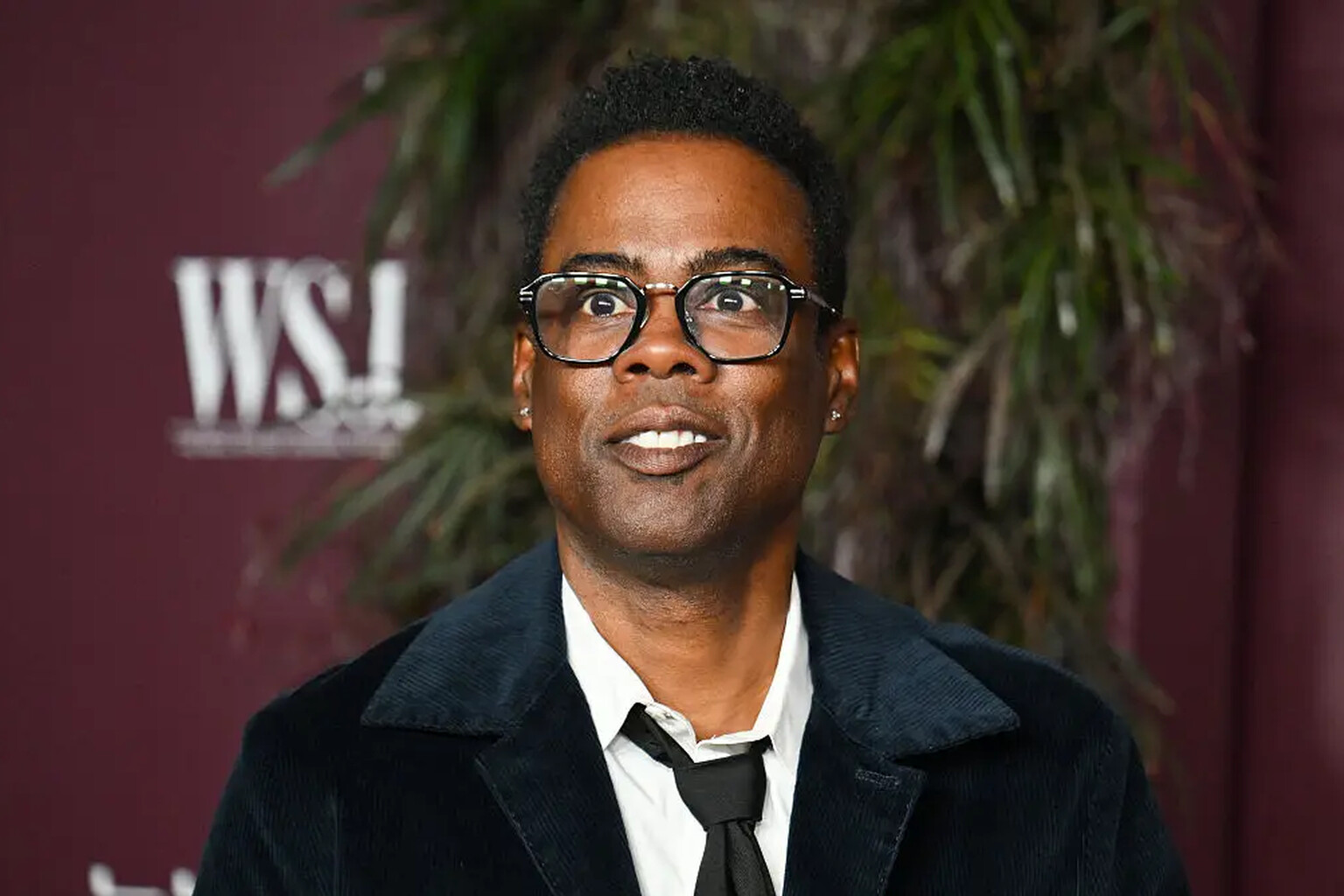
Chris Rock has opened up about the moment that led to his nonverbal learning disorder diagnosis.
The comedian, 59, told GQ that a friend’s casual remark set him on a path toward an eight-hour cognitive assessment and, ultimately, answers about his difficulty reading social situations. Rock said the conversation happened while he was preparing his 2018 Netflix special “Tamborine,” a project where he already was doing heavy personal excavation about his marriage’s collapse and his decision to quit pornography.
“I’m not one for a hint,” Rock said in the interview. “You got to tell me exactly what the f–k you want. You have to tell me exactly what the f–k you mean.”
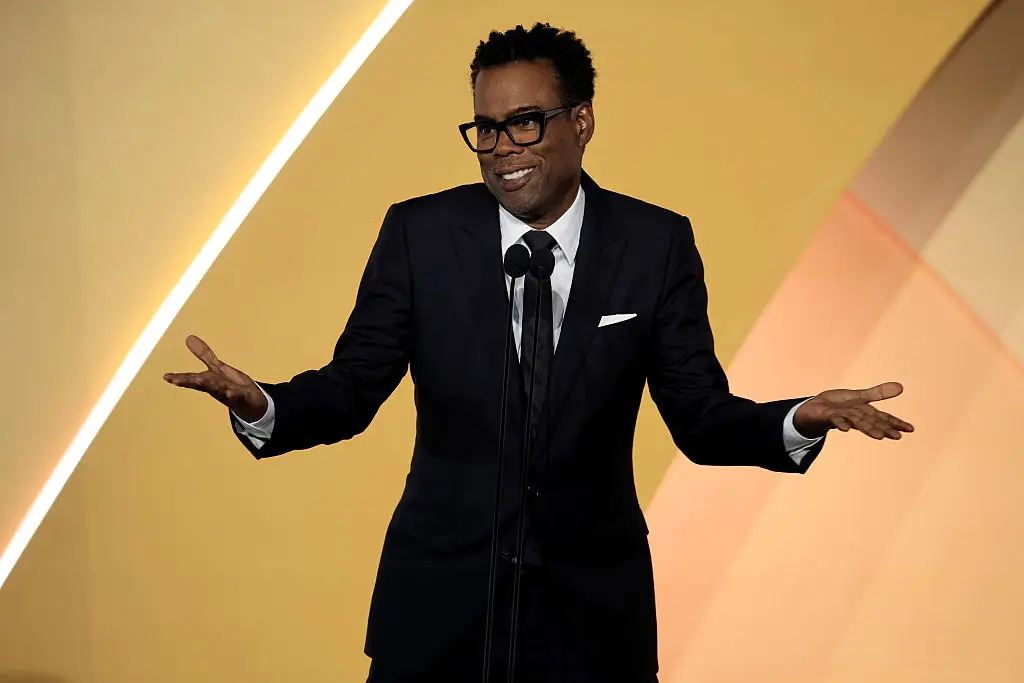
The friend, Rock explained, “just kind of blurted it out one day.” He decided the observation was worth investigating rather than dismissing. The resulting diagnosis reframed decades of interactions he had misunderstood or mishandled.
“It made me realize how insensitive a lot of my behavior was throughout the years,” Rock said. He added that before the assessment, he had developed what he called a “chronic unique-ism” — a belief that his celebrity status explained why connections with people felt so strained. Fame had become his default explanation for social friction, a shield against considering that he might be missing signals others caught naturally.
Rock described how the condition operates in real time. He can register that something has shifted in a conversation but cannot decode what it means until much later.
“I can pick up on a cue, but I can’t make sense of it,” he said. The pieces might not fall into place for weeks.
That processing lag, he noted, has complicated tough conversations throughout his life. The disorder affects his ability to interpret nonverbal communication unless it is laid out with explicit clarity.
Rock also traced some professional advantages back to the same cognitive patterns. He identified black-and-white thinking and catastrophizing as tendencies that have served his comedy writing, turning rigid interpretive habits into structural tools for building material.
The comedian is currently undergoing multiple forms of therapy and support for the condition. He has been candid about the emotional toll, saying the process made him “cry like a bitch.” He emphasized that therapy does not operate on a fixed timeline with a clear endpoint but continues as an ongoing practice.
Rock is promoting “Misty Green,” his fourth feature as director and his first since 2014’s “Top Five.” The film stars Rosalind Eleazar as an actress navigating Hollywood obstacles, with Anna Kendrick also appearing.