

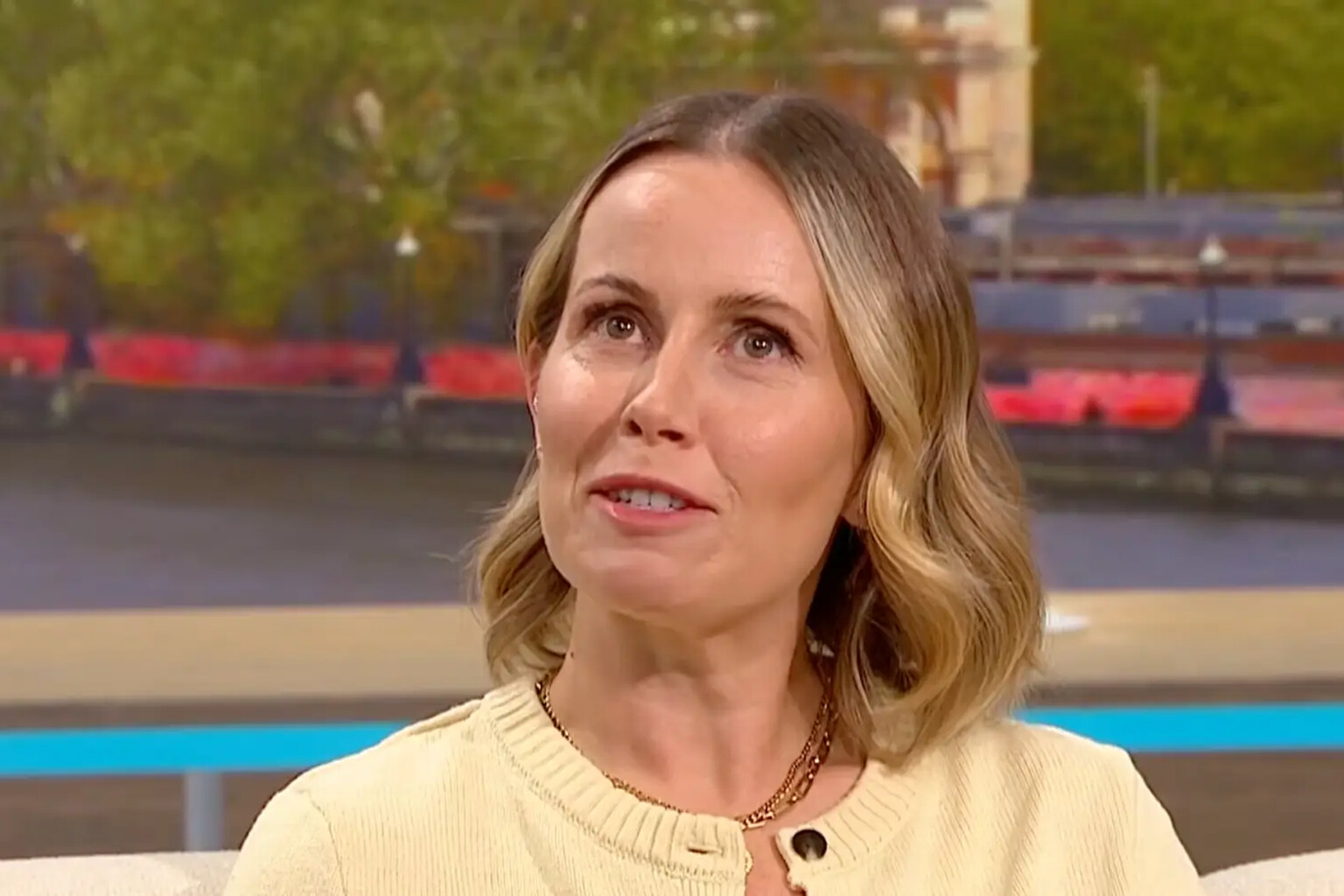
Gemma Renwick has gone viral for exposing a lifetime of undiagnosed suffering that doctors repeatedly dismissed as anxiety or IBS.
The Eastleigh mother-of-two, who endured more than 40 years without being able to burp, is now flooding social media with warnings about Retrograde Cricopharyngeus Dysfunction after a £920 private treatment transformed her daily existence. Her candor has triggered an outpouring from strangers who finally have a name for their identical plight, including pop singer Jade Thirlwall.
RCPD blocks the throat’s cricopharyngeus muscle from relaxing to release gas upward. For Renwick, that malfunction meant trapped air accumulated mercilessly through every waking hour. She described the sensation in a TikTok video that quickly spread across platforms:
“Everyone knows what trapped wind is like but it’s like that but times a million, it’s so painful. It’s not just in your tummy but in your chest too.”
The condition’s symptoms extended far beyond discomfort. Renwick, who received her diagnosis only in 2024 after decades of medical dead ends, found the trapped air interfering with basic functions most people never consider. She detailed the escalating physical crisis in the same social media post:
“You get breathless and feel like you can’t swallow or breathe. You cannot physically eat or drink anything else because the air is there and trapped.”

General practitioners had offered her every plausible alternative explanation throughout her life. Trapped wind, irritable bowel syndrome, anxiety — each label landed without accompanying relief. The repeated misdiagnoses left her isolated in her specificity, convinced she alone inhabited this particular bodily hell. She vented that frustration during her Good Morning Britain appearance:
“None of the doctors have ever understood it. They basically just tell you they’ve never heard of it before and it makes you feel really weird because you feel like you’re the only person in the world with it.”
The breakthrough arrived when Renwick stumbled across another video mentioning “throtox,” a Botox injection directly into the malfunctioning throat muscle. The procedure forces temporary paralysis that can retrain the muscle’s behavior. She pursued it privately, paying out of pocket for a treatment unavailable through her National Health Service coverage.
Within days, the effects materialized. She tracked her progress with undisguised amazement, noting the gradual return of a bodily function she had never before experienced:
“I’d say by day four or five [after the treatment] they were coming out better and I was getting bigger burps and now I’m doing loads of burps now.”

The transformation rippled through every corner of her life. For five consecutive weeks, the chronic bloating that had distorted her silhouette and constrained her wardrobe vanished entirely. The secondary indignities — the downward passage of gas she could not release upward, the social calculations required to hide her distension — evaporated alongside it. She catalogued the changes with palpable relief:

“It feels amazing and I haven’t had any bloating for five weeks and I haven’t had any wind down below or tummy issues.”
Renwick’s pre-treatment existence had been shaped by elaborate compensatory behaviors. She had resorted to “air vomiting,” a forced regurgitation of swallowed air that offered partial, humiliating relief. Social situations demanded constant vigilance; the unpredictable noises her throat produced — the croaking sounds characteristic of RCPD — required strategic concealment. The condition had been not merely medical but existential, constraining how she moved through public space.
The viral response to her story has redirected her energy toward systemic advocacy. She is pressing for RCPD’s inclusion in general practitioner training, framing the knowledge gap as a structural failure rather than individual physician negligence. She extended that generosity even while describing her own diagnostic nightmare:
“I feel like everybody needs to know about it, especially GPs. It’s not their fault they didn’t know what it was.”
Her ultimate target is governmental recognition that would democratize access to the treatment she paid privately to obtain. She pressed that case in her concluding remarks on the morning program:
“But ultimately we need awareness just so the government takes it seriously so it’s included in training for new GPs.”
The resonance of her story has reached celebrity circles. Jade Thirlwall, formerly of Little Mix, identified publicly with similar experiences of non-burping, amplifying the condition’s visibility through her substantial platform. The convergence of an ordinary patient’s testimony and a pop star’s corroboration has accelerated the term’s penetration into mainstream medical discourse.
Renwick’s own emotional arc bent toward validation rather than vindictiveness. She described the moment of diagnosis as something approaching spiritual relief, the dissolution of a solitude she had carried since childhood:
“It was a massive relief to finally feel like it’s not just me. You feel very seen and heard and just a massive relief of ‘oh my God, I might be able to get help for it’.”
That relief has since hardened into determination. She continues documenting her burping progress and responding to newly awakened sufferers who recognize themselves in her chronicle.