


A Bronx judge handed a Florida man the maximum 25-year sentence Friday for a 2001 rape solved through investigative genetic genealogy, a method never before used in New York to crack cold-case sexual assaults.
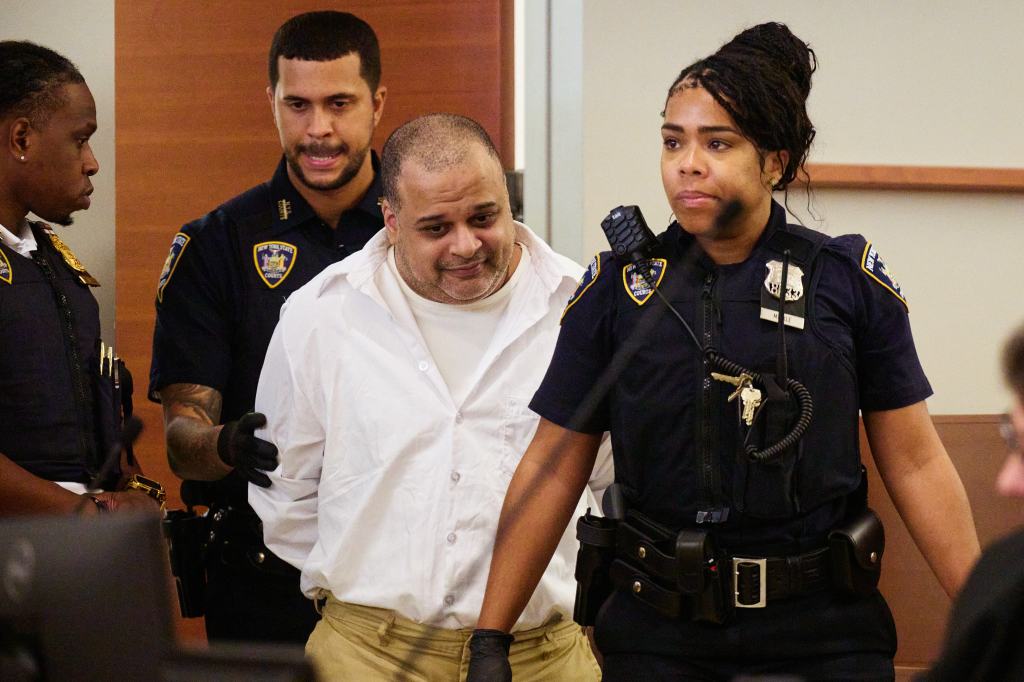
Judge Laurence Busching ordered Jancys Santiago, 50, to serve the term consecutively with a 20-year sentence he is already serving for a separate 2000 Manhattan home invasion rape. A Bronx jury had found Santiago guilty of first-degree rape in June for the December 2001 attack on Katy Vicchitto, then a 21-year-old college senior.

Santiago bound and sexually assaulted Vicchitto inside her Bronx apartment before fleeing to Florida, where he started a family and lived for more than two decades. He had lived upstairs in Vicchitto’s building at the time of the attack.
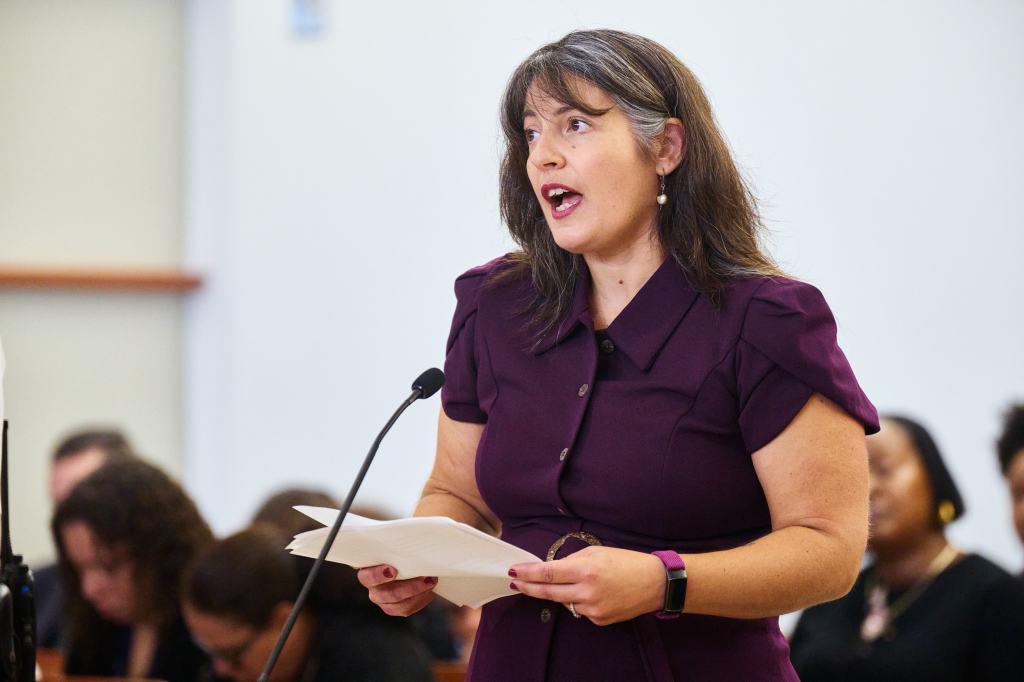
Vicchitto, now a married third-grade teacher and mother of three, delivered gut-wrenching impact testimony at the sentencing. “I can’t think of a day when what happened to me hasn’t crossed my mind at least once,” she said in court. She urged the judge to show no leniency to Santiago.
“My experience as a survivor of sexual assault affects every aspect of my life. It is like a filter that every new physical and social experience goes through,” Vicchitto continued.
Assistant District Attorney Gabrielle Martin-Klein blasted Santiago for “escaping justice” in Florida, telling the court, “He gave her a life sentence of fear.”
The cases sat cold for more than two decades until the NYPD and prosecutors secured a Department of Justice grant to use investigative genetic genealogy. Forensic experts uploaded DNA from the crime scenes to an opt-in ancestry website — the kind people use to search for relatives and map their family histories — and found users who appeared to be distant relatives of the attacker.
By mapping out those relatives’ family trees, investigators narrowed the search to Santiago’s family line and identified him as a suspect. Detectives then gathered a water bottle Santiago had discarded and tested the DNA on it, which matched evidence from both rapes.
Nineteen months before the Bronx attack, Santiago had carried out a chillingly similar assault on a 27-year-old woman inside her Midtown apartment. He hid in her closet, threatened to kill her, tied her limbs with wire coat hangers and then raped her. The DNA from that 2000 crime scene also linked him to the later attack.
Busching praised Vicchitto’s resilience before handing down the sentence, along with a permanent order of protection and a sex offender registration order.
Defense attorney Michael Croce maintained his client was innocent and vowed to appeal, arguing the prosecution relied entirely on science without eyewitness testimony. “It was a DNA case,” Croce said. “I am also troubled by the fact that there have been scientific tests in the past that have led us down a path, which may not be as reliable as we once believed.”
Croce’s challenge to the investigative method marks an early test of how courts will treat genetic genealogy evidence in New York sexual assault prosecutions, though the Bronx jury’s June conviction suggests jurors found the science persuasive.