


Navam Kaul and Malaika Chitre spent their final moments locked in an embrace before a Manhattan subway train ended both their lives.
The two 24-year-olds, longtime friends and recent Rutgers University graduates from New Jersey, were seen hugging and kissing on the platform at the Spring Street station around 3:15 a.m. Sunday, law enforcement sources said. What began as an affectionate scene between the promising young professionals turned fatal within minutes.
Kaul appeared to lose his balance and fell onto the tracks, striking his head, according to sources familiar with the investigation. Chitre followed him down in what investigators believe was an attempt to help her companion.
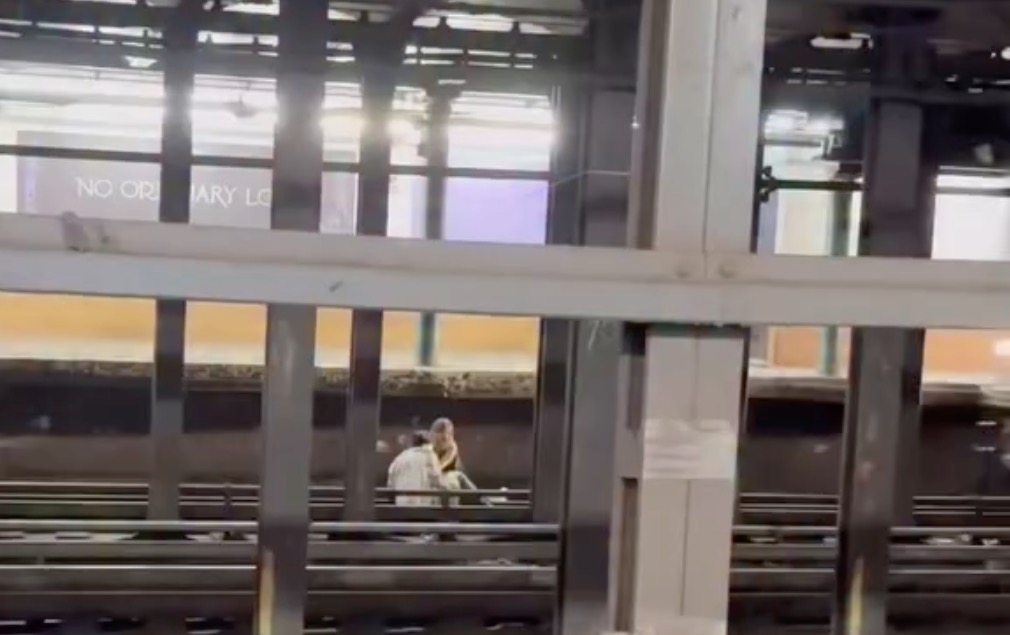
The couple were caught on camera sitting on the tracks before the incoming No. 4 train struck them. The haunting footage shows them seemingly calm in those final seconds, a detail that has puzzled investigators examining the circumstances.
Police have been probing whether intoxication played a role in the tragedy, with sources saying investigators looked at whether the pair were too impaired to grasp the danger they faced. The timing of the incident, in the early morning hours after a Saturday night out, has factored into that line of inquiry.

Investigators do not believe the deaths were a double-suicide, sources said. The determination points away from intentional self-harm and toward a devastating accident compounded by impaired judgment.
Kaul and Chitre had just begun their professional careers after completing their studies at Rutgers, according to loved ones who spoke about the pair. Their transition from college life to the working world had only recently begun when the tragedy cut both lives short.
The Spring Street station, served by the No. 4 and No. 6 trains in Manhattan’s SoHo neighborhood, has standard platform configurations without platform screen doors, leaving the track area exposed. The station sees reduced overnight service but maintains regular train traffic through the early morning hours.

The deaths add to a persistent pattern of fatal subway incidents in New York City, where riders falling or being pushed onto tracks have prompted recurring debates about platform safety measures. The Metropolitan Transportation Authority has faced pressure to install platform edge doors or other protective systems, though implementation has been limited by cost and engineering challenges across the system’s aging infrastructure.
The investigation into the exact sequence of events remains active as authorities review surveillance footage and any available witness accounts from the nearly empty station at that hour.