

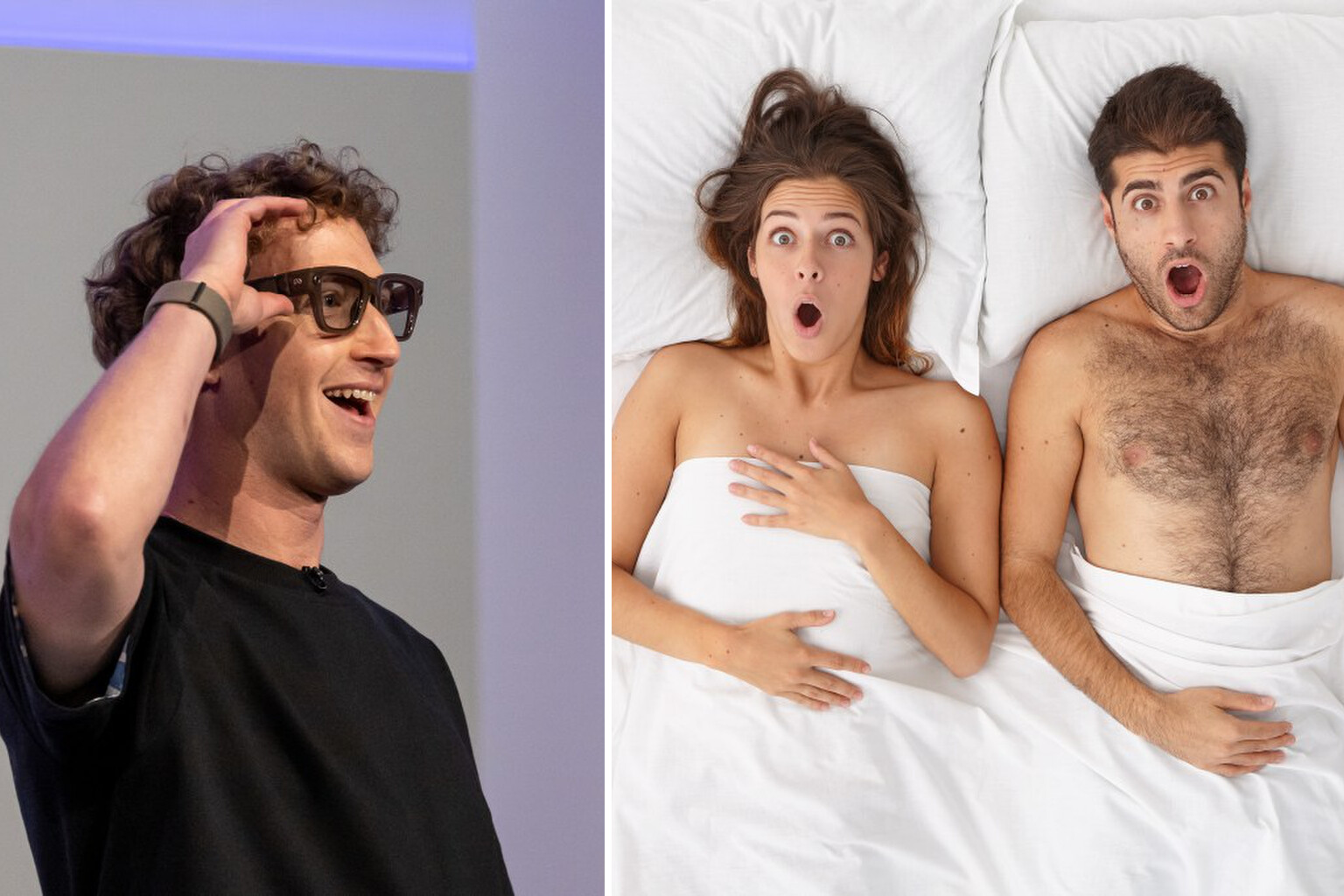
Meta is facing a lawsuit from more than 70 people who say its AI-powered smart glasses captured intimate private moments and sent them to human reviewers in Kenya.
The proposed class-action complaint, amended in late August, names purchasers, users and bystanders who were recorded without knowledge or consent, according to the filing. Plaintiffs include California residents who allege the Ray-Ban Meta glasses collected footage of people undressing, using the bathroom, having sex and entering passwords. Some say they had no idea the devices were recording at all.
One California plaintiff, identified only as PL18, discovered the scope of the collection by accident. He had left his glasses on a bathroom counter and later found images in his photo gallery that no one in his household had intended to capture. The lawsuit alleges he noticed photos of relatives bathing and using the bathroom appearing in his gallery without any deliberate action to record them.
Tina Wolfson, an attorney for the plaintiffs, told the Los Angeles Times that the case reaches beyond device owners to people who never agreed to be recorded or to have their images used for AI development. “People who bought these glasses and thought that they were cool gadgets weren’t aware that every time they activated AI, video was sent to train Meta’s AI,” Wolfson said.
The lawsuit traces the data pipeline to contractors in Kenya employed through Meta subcontractor Sama. A February investigation by Swedish newspapers Svenska Dagbladet and Göteborgs-Posten interviewed more than 30 current and former Sama employees and former Meta workers. Some contractors in Kenya reported reviewing images captured through Meta glasses and noted that people’s faces were sometimes still visible despite blurring efforts.
Plaintiffs allege that video and audio transmission can be triggered when wearers activate the Meta AI assistant by saying “Hey Meta,” and that the feature can activate unintentionally. The glasses, marketed as hands-free tools for photos, videos, calls, audio and AI interaction, are positioned for a prominent role at Meta’s developers conference in Menlo Park on Sept. 23.
Meta disputes the claims and plans to fight the lawsuit. A company spokesperson told the Times that some data from Meta AI use may be reviewed to improve products, and said the company takes steps to remove identifying information and protect privacy.

The legal pressure extends to facial recognition technology Meta has explored for the devices. Chief Technology Officer Andrew Bosworth discussed a potential “NameTag” feature in July that could help wearers remember names of people they meet. A separate proposed class-action filed this month in Illinois alleges Meta used publicly posted Facebook and Instagram photographs to train AI that could eventually power NameTag and other facial-recognition tools.
California resident Jeremy Wahl is a plaintiff in that Illinois case. His Instagram account is public and his Facebook account was previously public, according to the filing. Wahl posted photographs of himself and his daughter on both platforms and alleges Meta never disclosed that those images could train NameTag. He believes the company has already used them for that purpose.
“People shouldn’t have to worry if their biometric information will be misused simply because their photographs appear on a social media platform,” Justin Boley, an attorney representing the Illinois plaintiffs, told the Times in a statement.

The February Swedish newspaper investigation into Sama’s Kenyan operations provided early documentation of the human review pipeline now central to the California complaint. Contractors described handling sensitive material from Meta glasses with limited effectiveness of anonymization measures. The investigation surfaced as Meta was expanding its wearable AI ambitions, which now face dual legal challenges on both coasts over how the company harvests and processes visual data from users and non-users alike.
Meta is scheduled to unveil its latest wearable devices at its developers conference in Menlo Park on Sept. 23.