

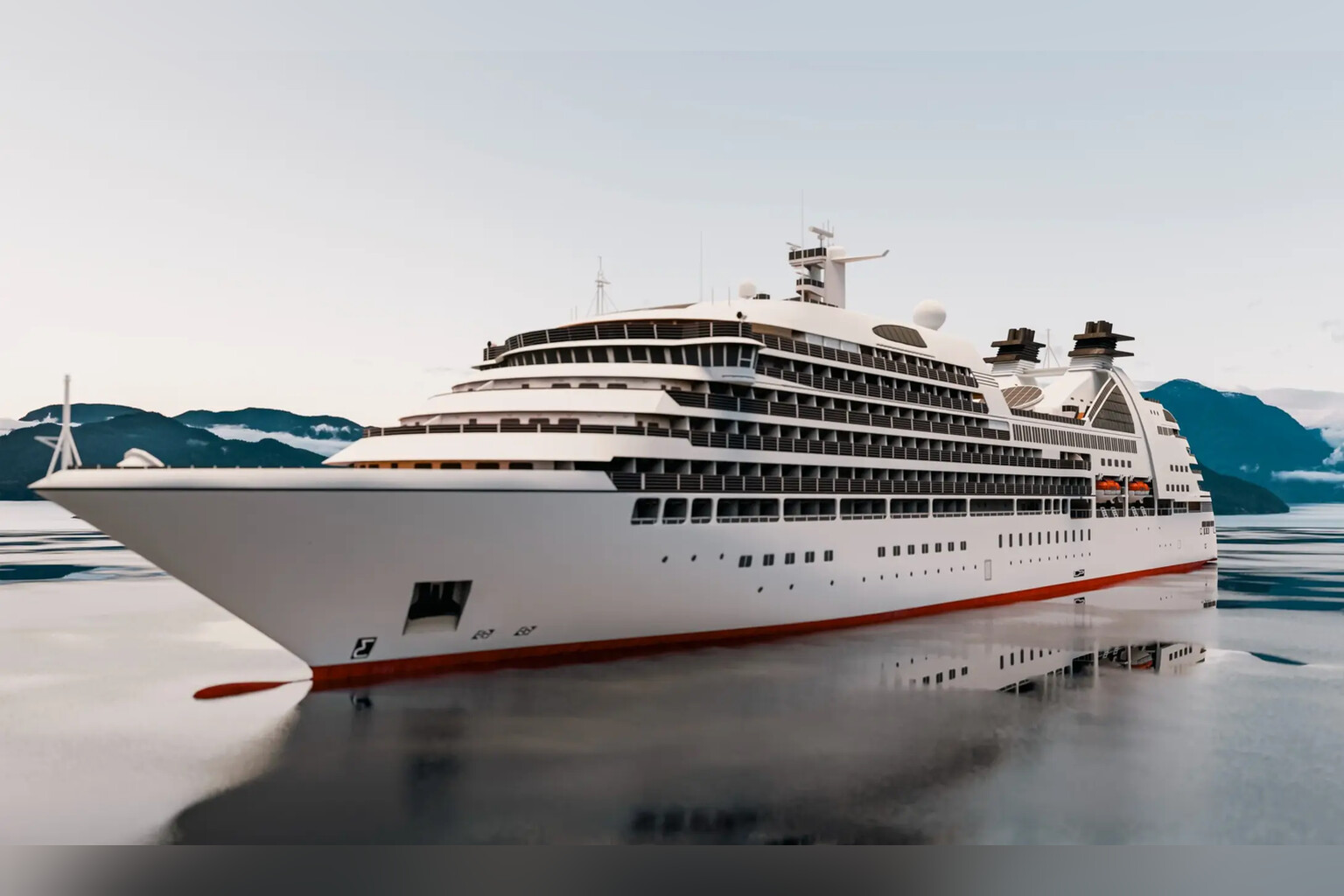
Cody Candee has warned vacationers that hearing one repeated word on a cruise ship is a signal to brace for immediate danger.
The CEO of luggage firm Bounce.com, Candee, 34, said that crew members use “echo, echo, echo” — normally repeated three times over the ship’s announcement system — to warn of a possible collision. The alert can indicate an impact with another vessel or land, or dangers from strong winds and drifting while the ship is in port.
“Normally repeated three times, ‘echo, echo, echo’ can mean ‘brace for collision’,” Candee explained in the interview.
“This could indicate an impact with another ship or land, as well as dangers posed by strong winds or drifting while in port,” he added.
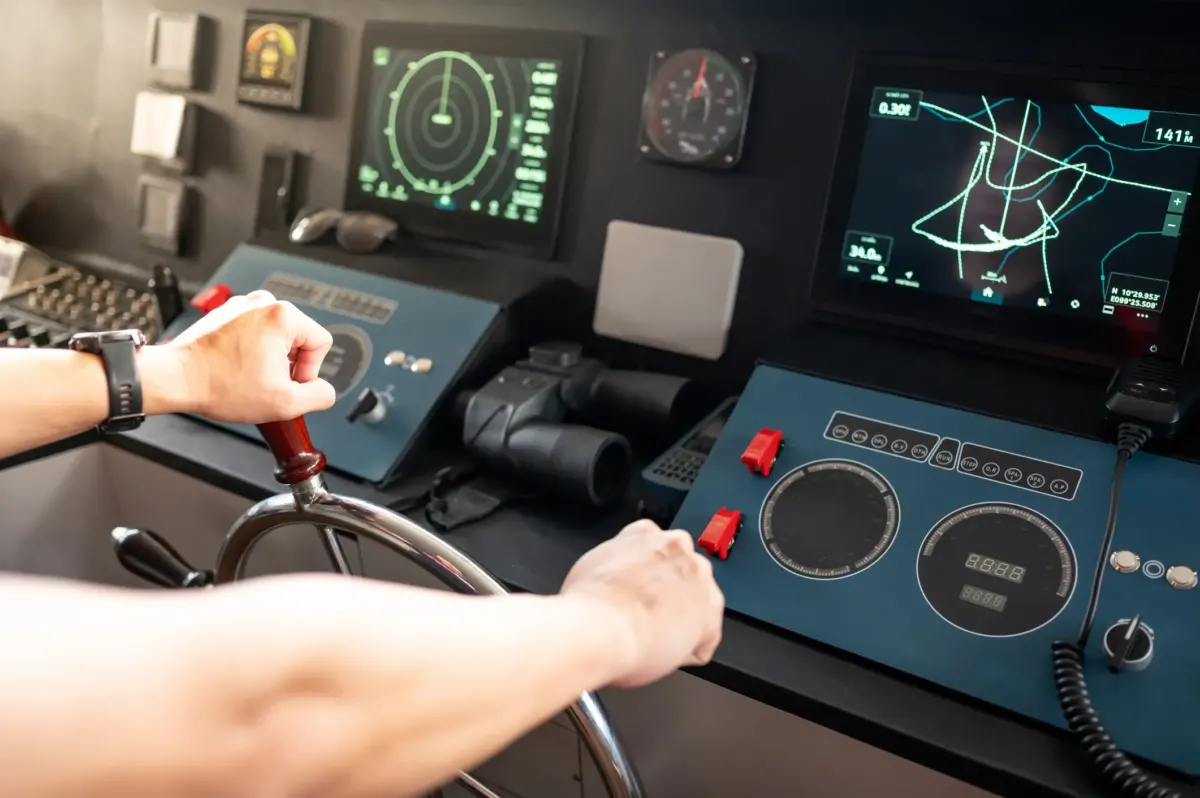
The repeated-word format follows a broader maritime and transportation tradition of coded announcements designed to prevent mass panic among passengers. While some alerts signal genuine emergencies, others handle routine incidents without alarming guests.
On Celebrity cruise ships, for instance, the triple repetition of “Purell, Purell, Purell” followed by a location alerts cleaning crews to vomit that needs attention. The code borrows the brand name of a popular hand sanitizer to discreetly summon maintenance staff.
Candee also noted that secret signals extend beyond official crew communications. Passengers themselves have developed their own visual codes to communicate interests to fellow travelers.
“Many people are already aware of the upside-down pineapple as a well-known sign for swinging or ‘wife swapping’ when displayed on a cabin door or an item of clothing,” he said in the same interview.
“However, as the symbol becomes more widely recognized, many cruise lines are cracking down on the use of this symbol on cabin doors,” he continued. “Other discreet symbols, such as pink flamingos, are gaining popularity as an alternative code for the same lifestyle.”
The upside-down pineapple has long circulated in online cruise communities as a signal for partner-swapping, though its mainstream recognition has prompted crackdowns from some cruise operators. The pink flamingo has emerged as a replacement symbol for the same purpose.
Beyond lifestyle signaling, color-coded accessories also carry meaning among cruise passengers. A blue wristband, according to Candee, indicates someone is open to finding romance during the voyage.
“So if you’re not looking for love on your trip,” he warned, “You might want to reconsider your choice of accessories.”
The various codes reflect how cruise ships function as self-contained communities where guests and crew develop informal systems to navigate social and operational needs. Crew members rely on standardized phrases to coordinate responses without triggering chaos among thousands of vacationers confined to a single vessel.
The “echo” warning stands apart from these social signals due to its life-or-death implications. Unlike the sanitation codes or passenger symbols, it demands immediate physical action from anyone who hears it.
Candee’s warnings come as cruise travel continues its post-pandemic resurgence, with major lines reporting record bookings and new mega-ships entering service. The largest vessels now carry upwards of 7,000 passengers and 2,000 crew members, making clear emergency communication protocols essential for safety management at sea.
The Bounce.com CEO, whose company specializes in luggage storage solutions for travelers, has previously spoken on various travel safety and convenience topics. His expertise focuses on the practical concerns of vacationers rather than maritime operations specifically.