

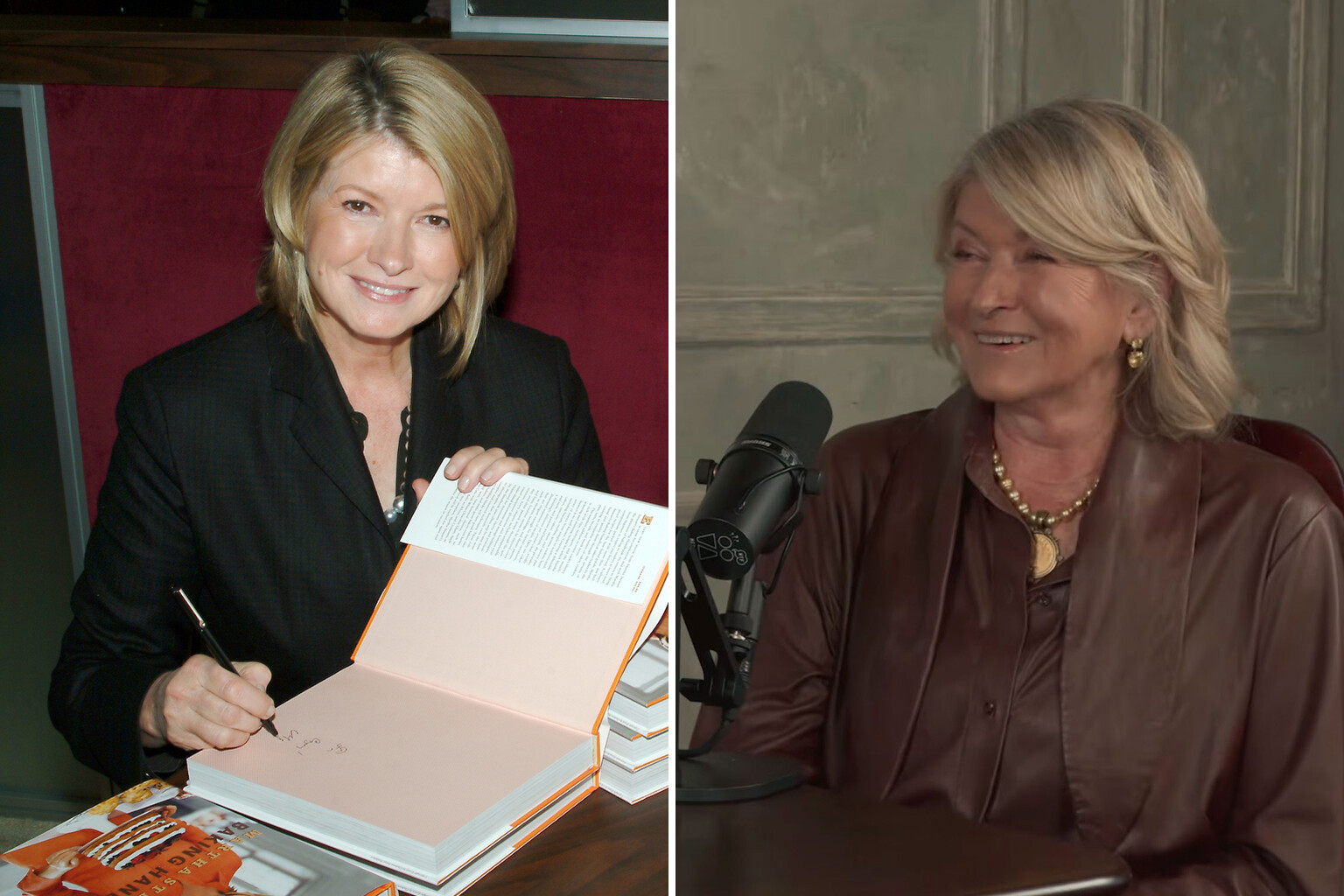
Martha Stewart has opened up about the staggering fortune she once commanded from a single retail partnership.
The lifestyle entrepreneur, 85, revealed on Monday’s episode of the “Other People’s Business” podcast that her Kmart deal alone generated $65 million annually in royalties at its height. She sat down with MasterClass CEO David Rogier to dissect the revenue streams that built her empire and the setbacks that dented it.

Stewart traced the partnership to the 1980s, calling it her “first big money” moment. “We were selling close to $2 billion worth of merchandise,” she told Rogier. “That’s a lot of money. That was funding the whole development of my magazine, the whole business. That was an amazing thing.”
The disclosure prompted a visceral reaction from her host. Rogier’s jaw dropped before he exclaimed, “Holy s–t.” He went on to call the Kmart agreement “one of the best deals ever made.”
Stewart broke down the mechanics of the arrangement during the conversation. “I would get a huge royalty on every sale of every product I designed,” she recalled. “They would pay for all the advertising. The original budget for the first year was $20 million for advertising.”
The company had taken a gamble on her brand. “We sold hundreds of millions of dollars of product, and they didn’t know we would,” she continued. “They took a chance.” The partnership ultimately lasted until 2009.
She was quick to share the credit for the negotiation. Stewart noted she doesn’t take “full credit” since her “really smart” then-husband, Andrew Stewart, helped hammer out the terms.
The media landscape has shifted dramatically since that era. Stewart clarified that matching those revenue figures would be “harder” today because “companies are paying such small royalties.” She pointed to her current influencer status as an example, noting that she often gets compensated in goods rather than cash. She highlighted one fashion show appearance where she received $40,000 worth of clothes in exchange for attending.
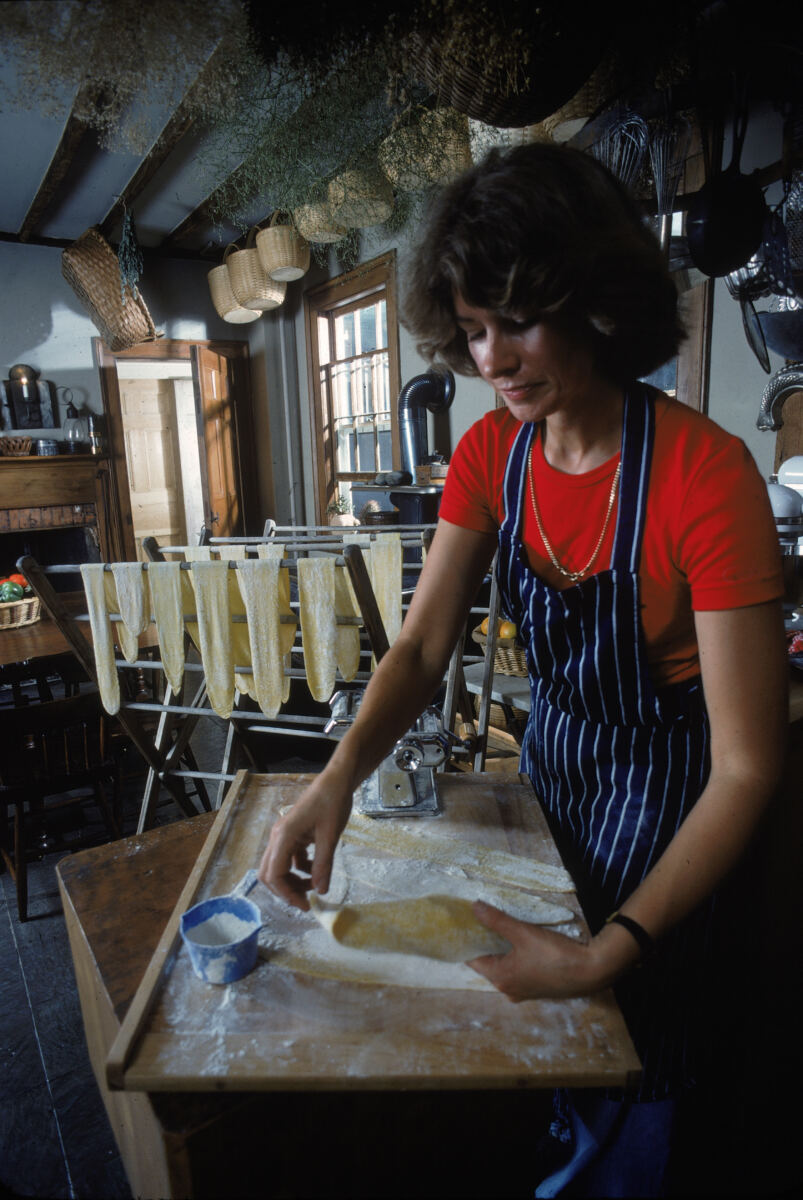
Before the Kmart windfall and her “original influencer” moniker, Stewart’s earnings were far more modest. She said she “was grossing a little more than $1 million at a catering business” and “killing [her]self physically” with “hard work … 24/7.”

Her later ventures proved equally profitable. Stewart described her subsequent projects as “very lucrative” and disclosed that she has pulled in millions in “cash up front” for commercial work. When Rogier guessed she earned $5 million publishing her magazine, she corrected him: she made “a lot” more.
Her first cookbook advance landed at $100,000, but subsequent deals brought in “a lot more than” six figures since she had become “much more valuable.” Television, however, served a different purpose. She called her shows “free advertisement” and not primarily a revenue source, describing them instead as a way to “popularize everything else.”
The conversation also touched on Stewart’s financial nadir. She told listeners she “lost about a billion dollars” navigating legal troubles in the early 2000s, a period she summarized bluntly: “I fell in a hole.”
Stewart was convicted in an insider trading scandal and served five months in prison, followed by five months of home confinement and two years of supervised probation. “The lawyers took me to the cleaners,” she said. She added, with characteristic resilience, “I’m back. I’m pretty good.”
Elsewhere in the episode, Stewart discussed Kim Kardashian and other celebrities following what she termed her “influencer playbook.” She also explained why she doesn’t keep a private jet like the reality star, a contrast that underscored the financial rebuilding she has undertaken since her legal ordeal.
The podcast episode arrives as Stewart continues expanding her media presence across multiple platforms.