

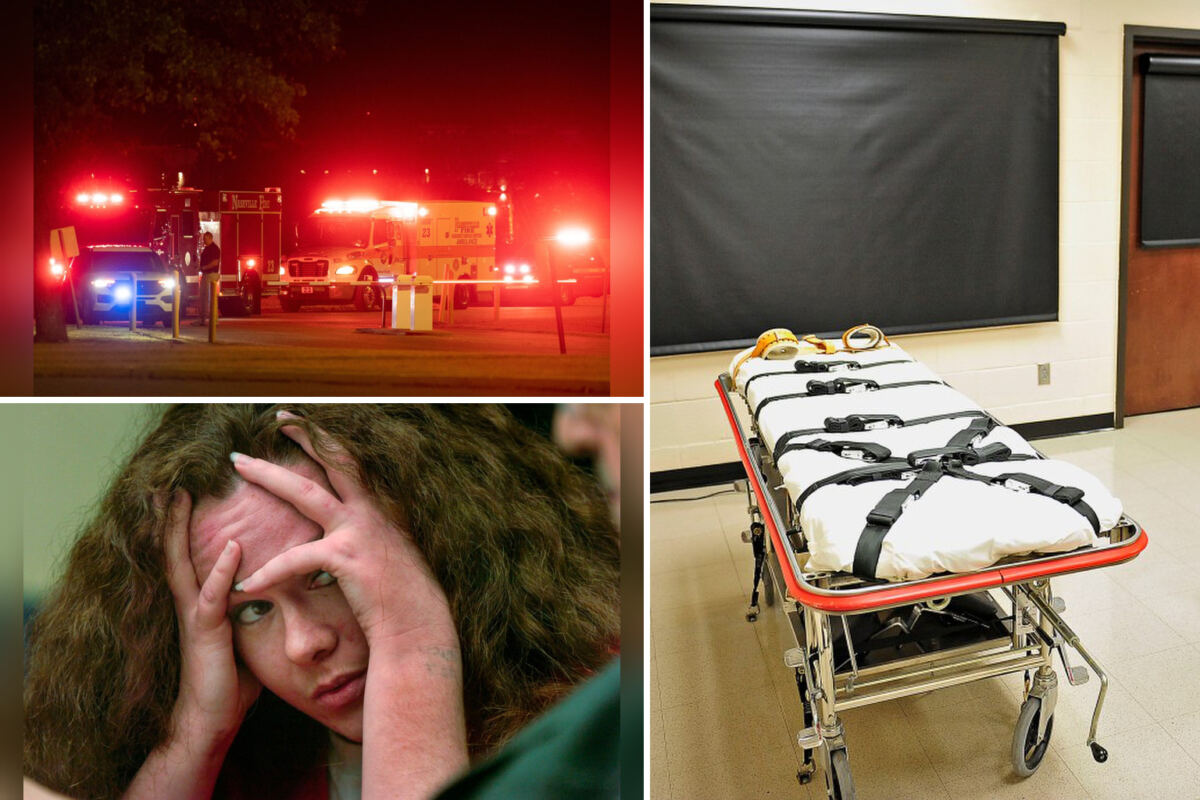
Christa Pike’s attorney says the death row inmate went from being declared brain dead to awake and talking within hours.
Randy Spivey, Pike’s lawyer, told reporters Wednesday that doctors had prepared to remove life support Monday night after the 50-year-old was left in critical condition following two failed lethal injection attempts at Riverbend Maximum Security Institution in Nashville on Sept. 30. “On Monday night, it was our understanding that Christa was brain dead and that life support would be removed the next day,” Spivey said at the press conference.
“But on Tuesday, to the shock of everyone, including me, including her team and including the medical team, Krista woke up and began talking,” he continued.
Spivey offered no medical theory for the turnaround. “I do not have an explanation for what happened between Monday night and Tuesday morning,” he admitted.

Pike had been scheduled to become the first woman executed in Tennessee in more than two centuries. Instead, she appears to have made history as the first U.S. Inmate believed to have survived a lethal injection procedure.
The botched execution has drawn renewed attention to Pike’s case, which dates back to the 1995 murder of Colleen Slemmer, a 19-year-old fellow Job Corps student in Knoxville. Pike, then 18, and her boyfriend Tadaryl Shipp lured Slemmer to a remote spot on the University of Tennessee agricultural campus, where they tortured her for hours before Pike beat her to death with a chunk of asphalt and Shipp stabbed her repeatedly. Pike kept a piece of Slemmer’s skull as a souvenir. A jury convicted Pike of first-degree murder and sentenced her to death in 1996; Shipp received a life sentence.
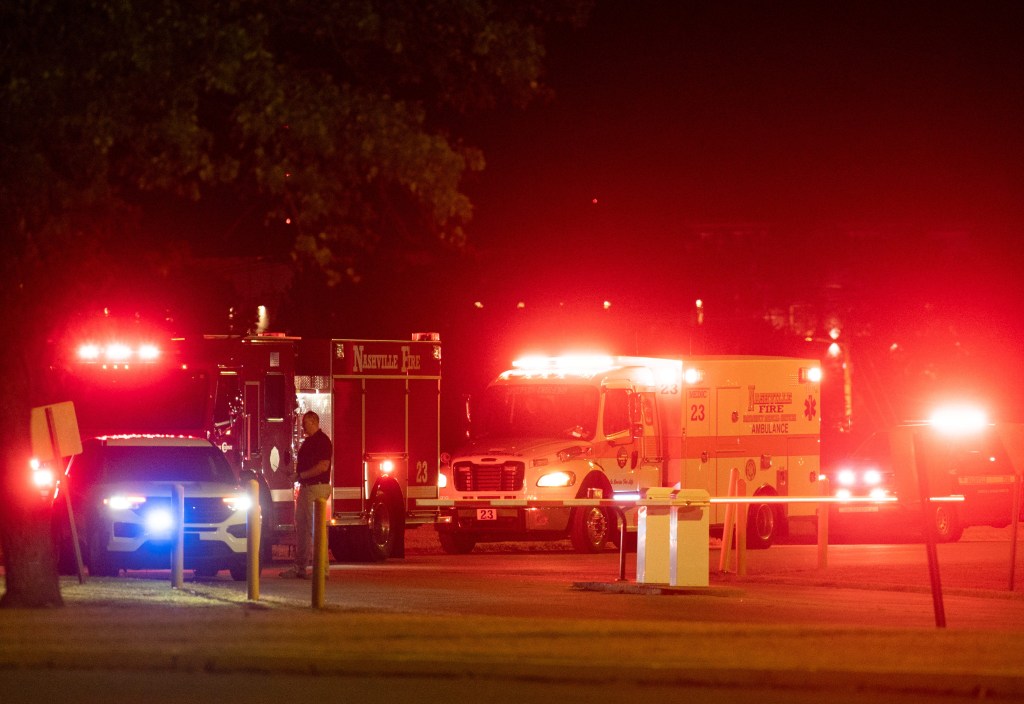
Pike’s legal team had fought the execution on multiple grounds, including claims that she suffered from severe mental illness and brain damage that made her incompetent for execution. Her attorneys argued that years of trauma, including abuse in childhood and solitary confinement on death row for nearly three decades, had left her psychologically shattered.
The failed Sept. 30 procedure unfolded over hours as executioners struggled to establish IV access, according to witnesses. After multiple attempts, the team administered two doses of lethal drugs but failed to complete the execution. Prison officials halted the process and transported Pike to a hospital, where her condition deteriorated dramatically before her unexpected recovery.
Spivey’s Wednesday update marked the first detailed accounting of Pike’s medical status since the halted execution. The attorney did not specify what Pike said upon waking or whether she has retained awareness of her surroundings since.
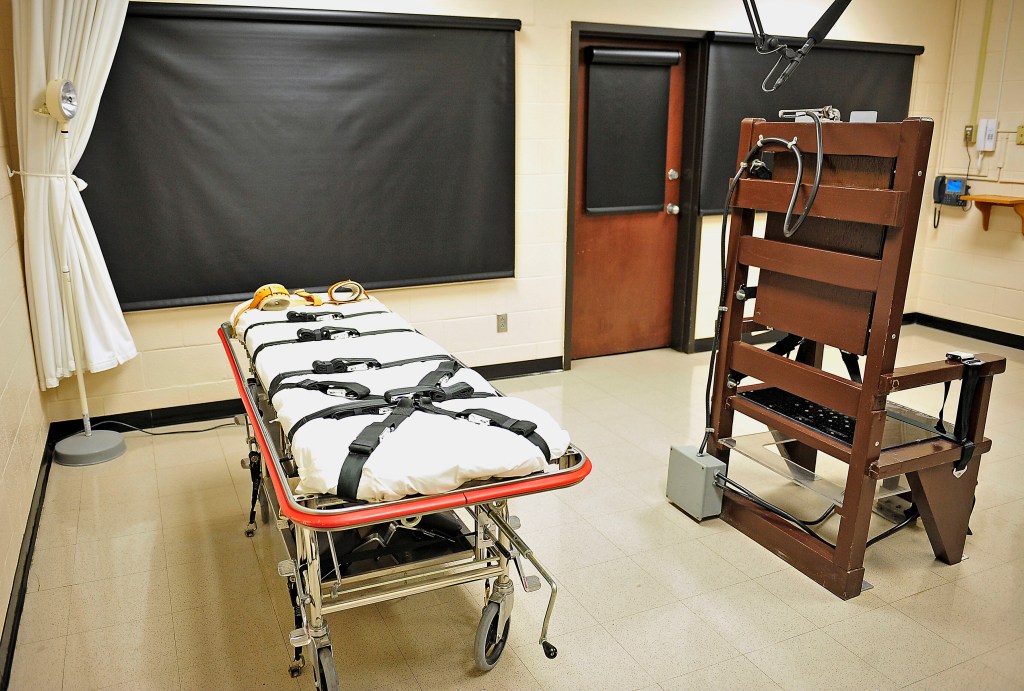
Tennessee officials have not announced whether they will seek to reschedule Pike’s execution or what procedural changes might follow the unprecedented failure.