

Elisabeth Braw is warning that undersea sabotage could plunge modern life into darkness.
The Atlantic Council senior fellow, who serves at the Scowcroft Center for Strategy and Security, lays out the threat in her new book “Undersea War: The Battle to Control the Cables and Pipelines That Connect Our World.” Braw, whose expertise has focused on hybrid warfare and maritime security, argues that the global network of submerged infrastructure has become an open target for state-backed aggression.
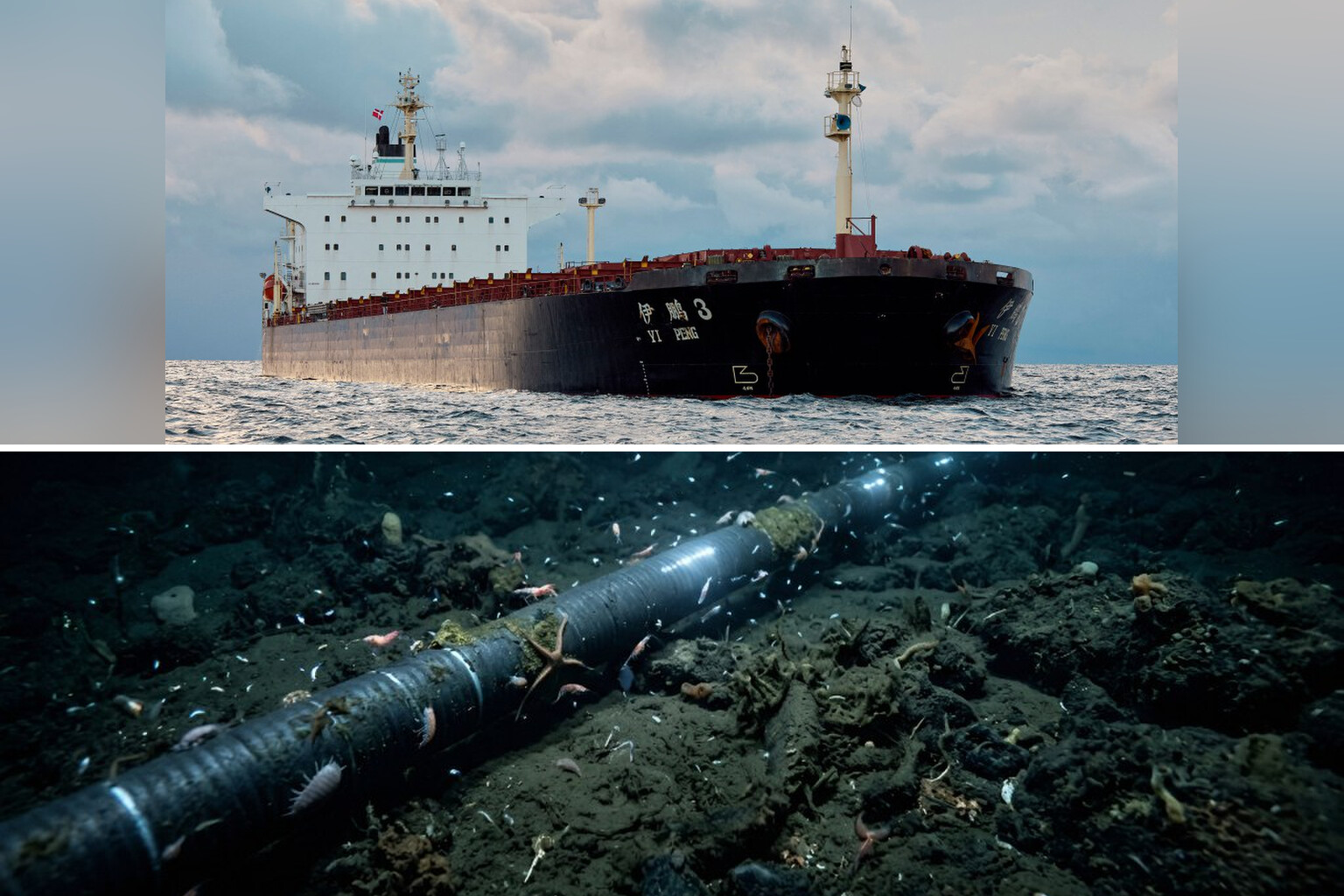
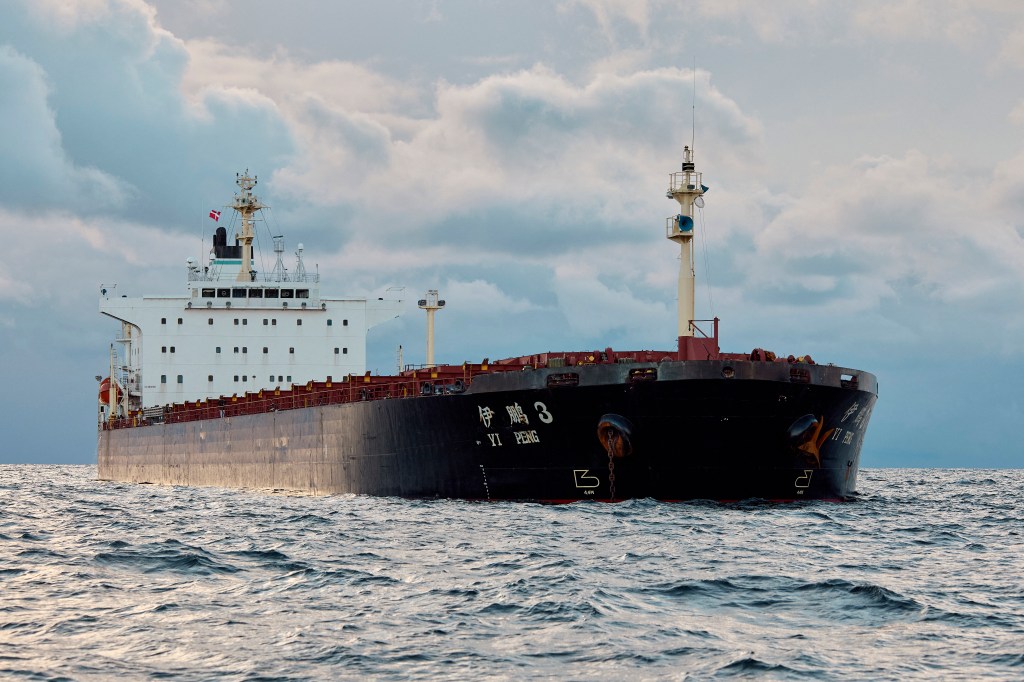
The book opens with a stark recent example. On November 15, 2024, the Chinese-flagged cargo vessel Yi Peng 3 departed the Russian port of Ust-Luga carrying mineral fertilizer and entered the Baltic Sea. Two days later, the ship passed over the undersea communications cable linking Sweden and Lithuania, and the line went dead. Within 24 hours, the same vessel crossed the only communications cable connecting Finland and Germany, and that connection went dark too. European investigators found both cables physically severed with the Yi Peng 3 present at both scenes, but China declined requests to assist with the investigation and the ship escaped accountability.
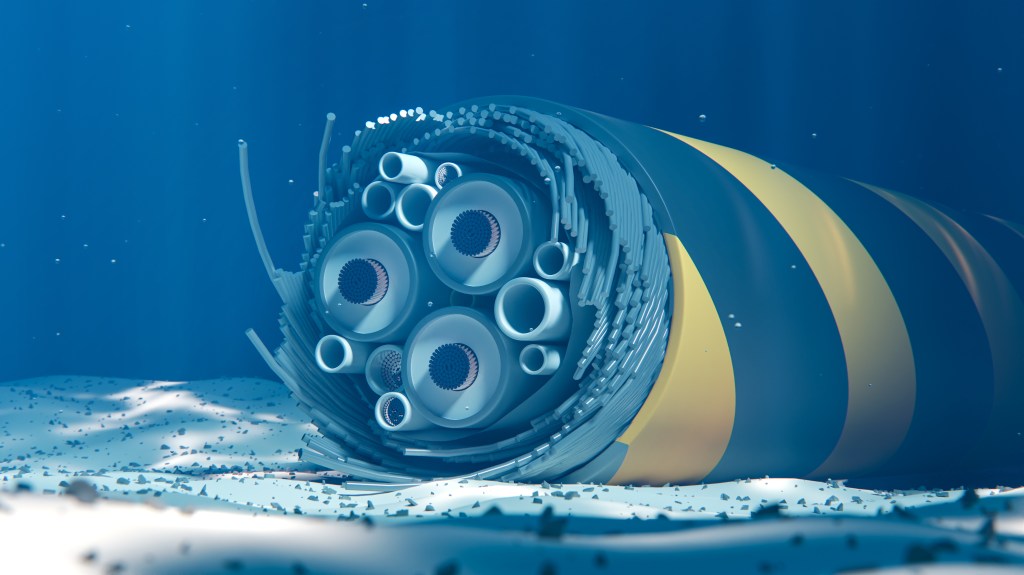
Braw calls the sprawling network of submerged infrastructure “the Undersea Kingdom,” a term that captures both its scale and its fragility. The globe contains roughly 20,000 miles of subsea pipelines transporting petroleum, crude oil and natural gas, plus approximately one million miles of oceanic communications cables roughly the diameter of garden hoses. These lines carry the world’s data, including trillions of dollars in daily financial transactions, while pipelines fuel entire continents.
“Behind every email, credit card payment and Zoom call is an ocean worker,” Braw writes. She adds that underwater pipelines “keep the lights on, heat the house.”
The legal framework protecting this infrastructure dates to the 1884 Paris Convention, which offers virtually no enforcement mechanisms when a vessel is registered to another nation. This archaic system has allowed repeat offenders to operate with near impunity. The NewNew Polar Bear, another vessel Braw examines, was implicated in anchor-attacks on both a communication line and a natural gas pipe in Finnish waters.
The vulnerability extends far beyond European waters. In 2023, Chinese cargo ships severed two communication cables connecting Taiwan’s disputed Matsu islands to the outside world. The internet collapsed instantly.
“Suddenly, information could only be obtained by word of mouth,” Braw recounts. Hospitals switched to generators. “Digital payments could not be processed. The backbone enabling modern life was simply not there anymore.”
Taiwanese investigators identified the responsible vessels but lacked authority to detain them once they exited Taiwanese waters. Under the UN law of the seas, investigation and punishment falls to the culprit boat’s home nation. China showed no interest in pursuing the case.
Braw’s book arrives amid a surge in hybrid attacks worldwide. Mysterious fires have struck weapons plants across Estonia, Germany, Poland, the Czech Republic and Bulgaria. On August 20, Romanian F-16s destroyed an intruding robotic boat loitering near a Black Sea gas platform where hundreds of workers were stationed. In September, the FBI charged five individuals working for Russian intelligence services who had been soliciting arson and murder globally, including inside the United States.
Security experts define these as “hybrid attacks” — operations conducted in the gray zone between war and diplomacy, using shadowy actors to create deniability for provocative state actions.
Braw quotes Tom Clancy’s “The Hunt For Red October” in her introduction: “This business will get out of control…and we’ll be lucky to live through it.”
The book’s proposed solutions center on redundancy. Duplicate cables, Braw notes, represent the most common and effective safeguard for subsea communication lines. She points to ongoing efforts in the Baltic, around Taiwan and elsewhere to build such backup systems.
NATO has begun responding more aggressively to the threat. In mid-September, officials said that a joint NATO operation off Norway disrupted a Russian submarine exercise targeting undersea data cables. British submarines tracked three vessels from Russia’s GUGI undersea warfare directorate during a month-long Arctic covert operation testing a weapon designed to cut cables without leaving evidence.
The incident followed another escalation in August, when German authorities blamed Russia for explosive-laden aerial drones that landed at German airports, targeting parked civilian aircraft used to support Ukraine. Germany did not invoke NATO’s Article 5 self-defense provision, and no military mobilization followed.
Braw acknowledges that the era of persistent hybrid war is already underway beneath the waves, with one consolation so far: “it hasn’t yet started World War Three.”
“If undersea disaster struck and life had to revert to life circa 1858, people would definitely notice,” Braw observes at one point, as close to humor as the book attempts.
The Nord Stream pipeline sabotage in 2022 receives treatment in Braw’s account, though the book’s fragmented narrative on this topic compares unfavorably to Bojan Pancevski’s recent “The Nord Stream Conspiracy.” Reviewers note Braw’s work will not be confused for a thriller, but praise its thorough documentation of risks that remain urgently relevant.
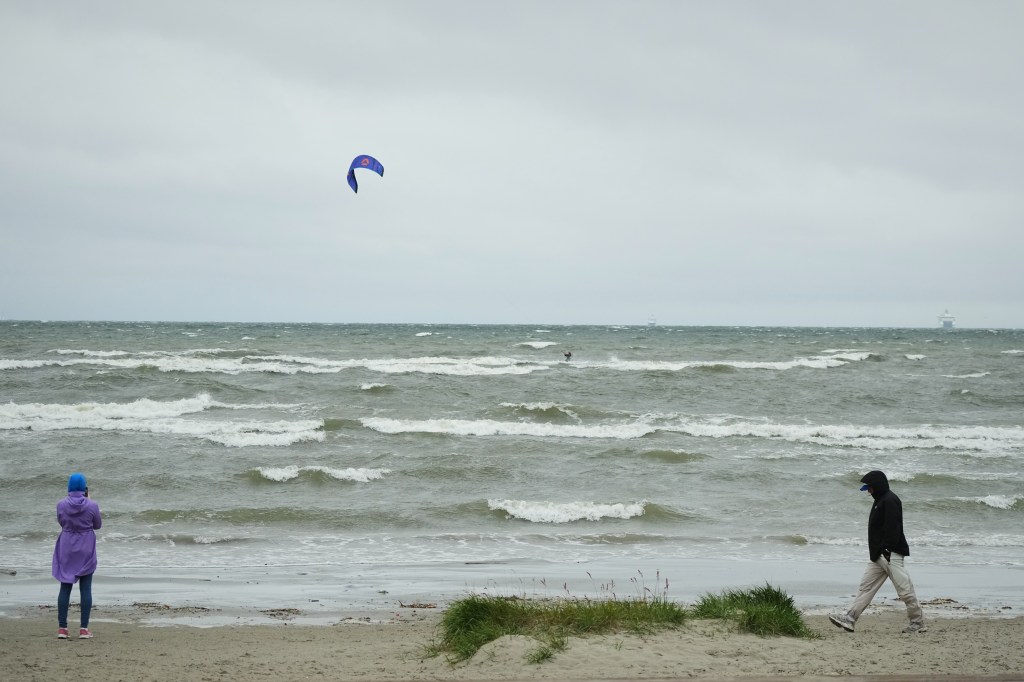
The central tension Braw presents is visibility itself. The battle for undersea infrastructure unfolds entirely out of sight, detectable only when connections fail. As she frames it, the conflict “won’t be seen or heard, until the power goes out and the Internet goes dark.”
Braw’s book was published as concerns about subsea vulnerability continue mounting across Western governments and security institutions.