

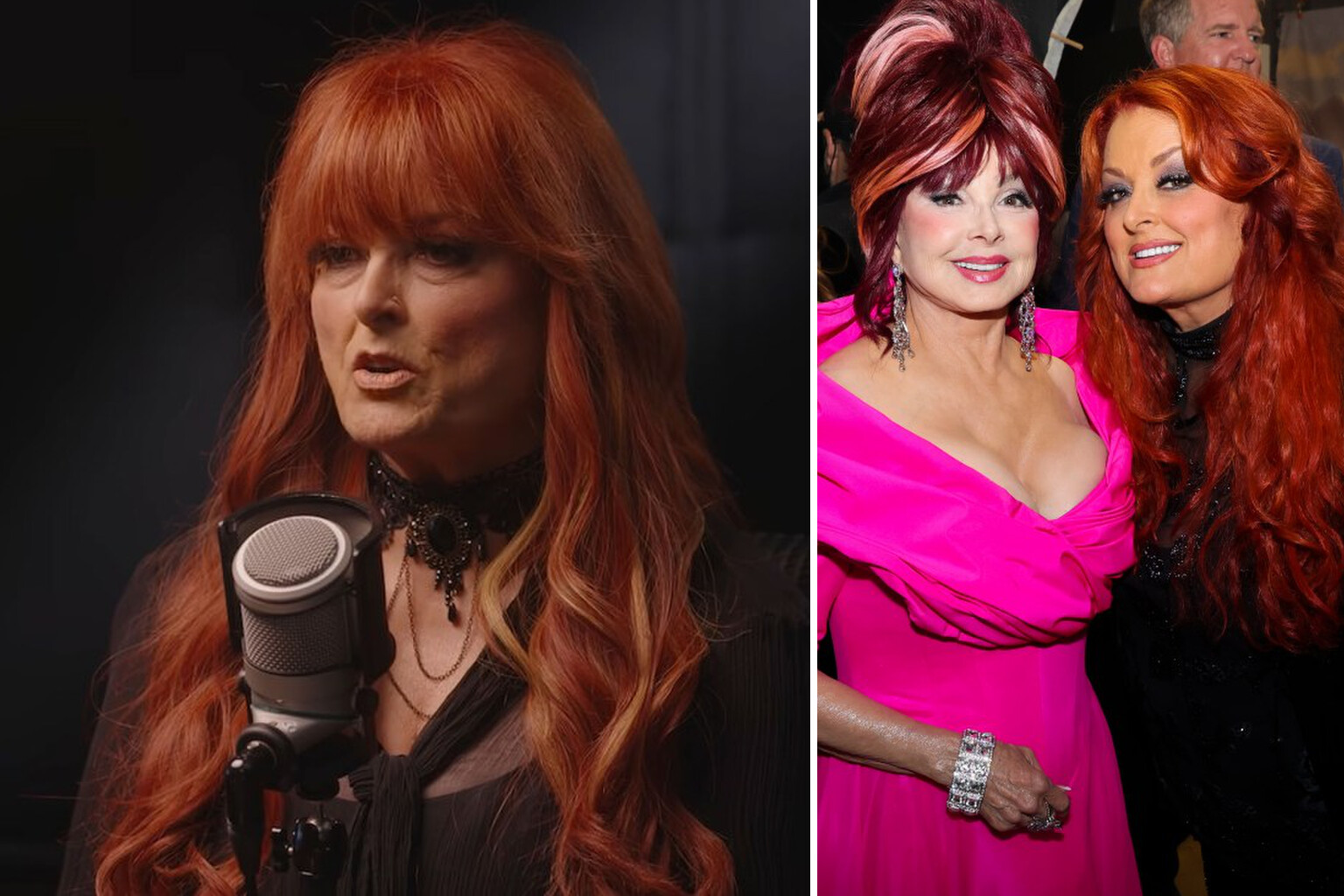
Wynonna Judd opened up about her late mother’s fixation with death in a raw interview on Anderson Cooper’s podcast.
The country star, 62, told Cooper that Naomi Judd spoke about suicide constantly before her April 2022 death at age 76. The mother-daughter duo were one day away from their joint induction into the Country Music Hall of Fame when Naomi died by a self-inflicted gunshot wound at her Tennessee home.
“She talked about it a lot, even to her grandson who’s a deputy, about jumping off a bridge,” Wynonna said on the podcast. The singer added that Naomi repeated these conversations with her and with Ashley Judd, Wynonna’s sister, though she could not pinpoint when the pattern first began.
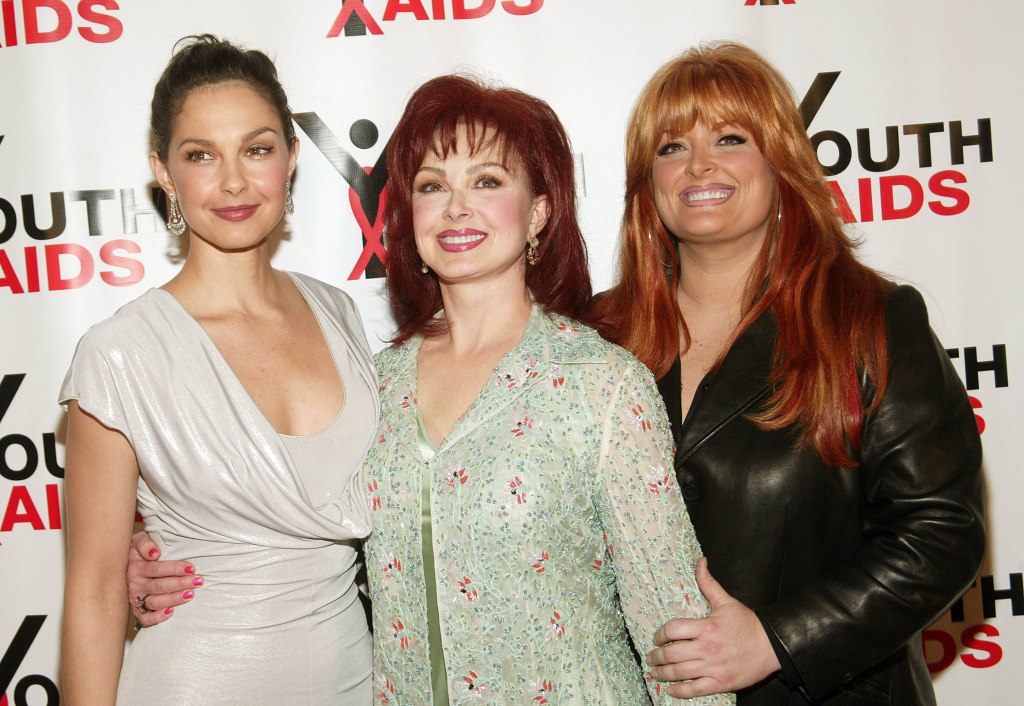
Wynonna recalled her own attempts to push back against the darkness. “I think I got to the point where, ‘No, no. You’re not gonna do that. You have too much to live for,'” she said. She would rush to her mother’s side when the calls came, sometimes spending the night to keep watch.
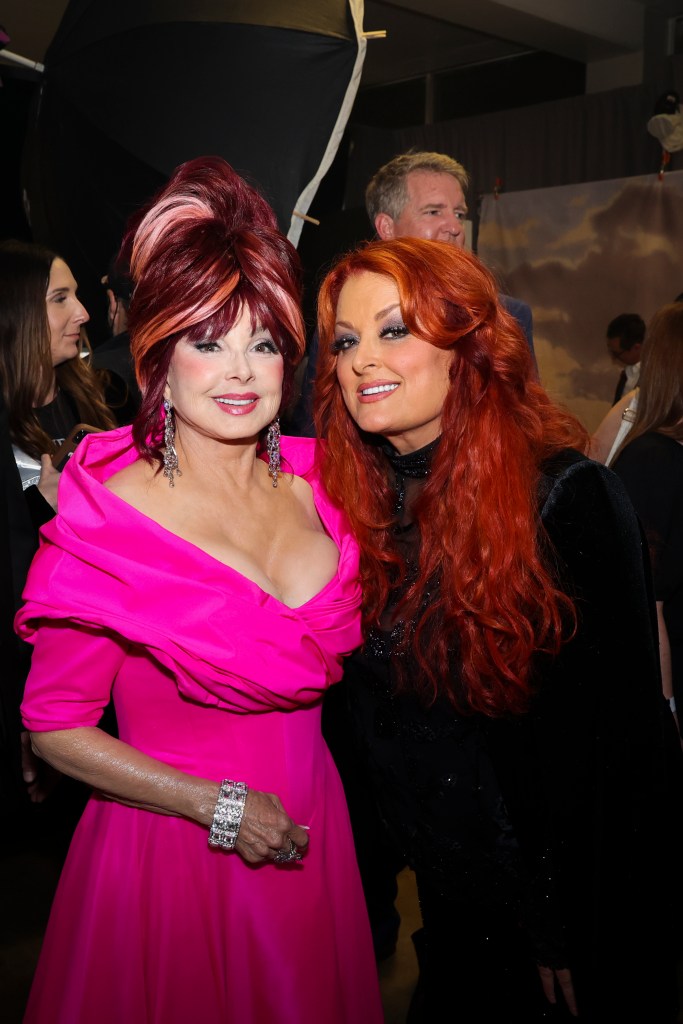
“I just remember thinking, ‘What is she doing? I don’t understand,'” Wynonna told Cooper. “And she’d call me and say, ‘I don’t want to be here anymore.’ And I’d go over and spend the night with her. And it was awful. It was really awful. She was really struggling in the end.”
Naomi’s final years were marked by a toxicology report showing multiple medications in her system, including drugs used to treat insomnia and seizures. But her mental health battle stretched back more than a decade before her death.
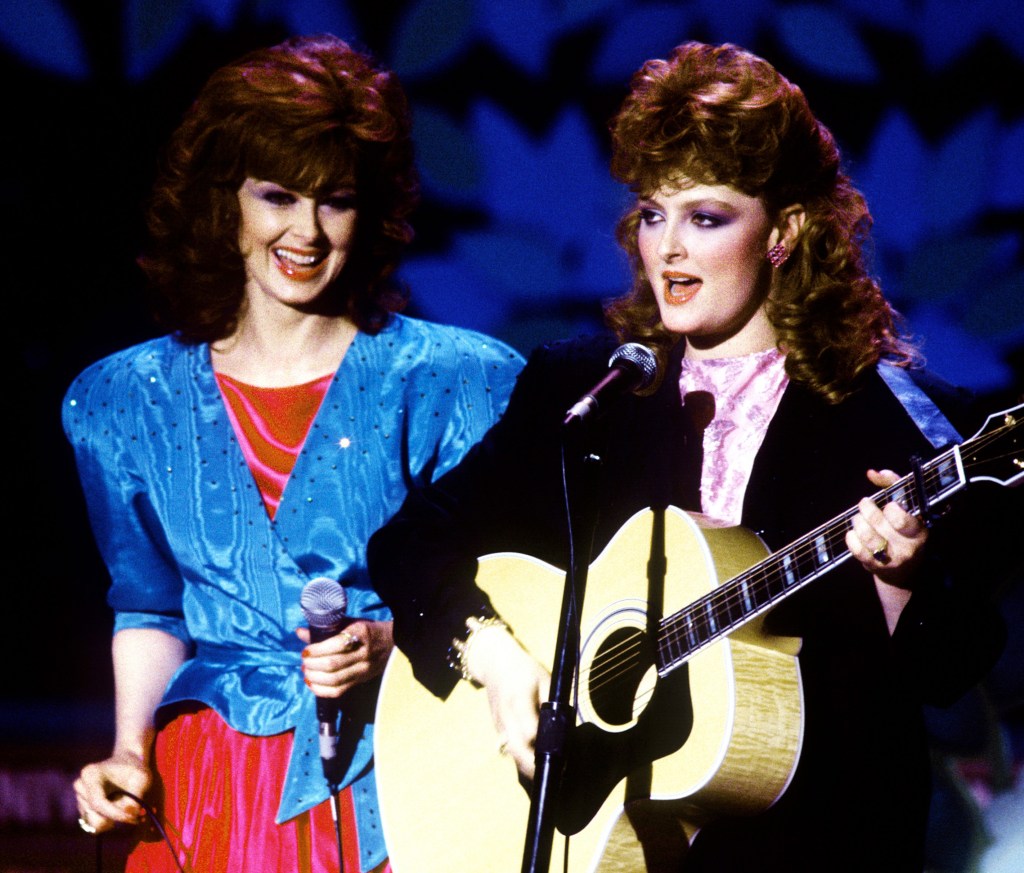
In a 2016 interview’s Robin Roberts, Naomi had already gone public with what she called “life-threatening depression.” The condition first seized her in 2010, landing her in psychiatric wards multiple times. She described the cruel split between her glittering stage persona and her private collapse.
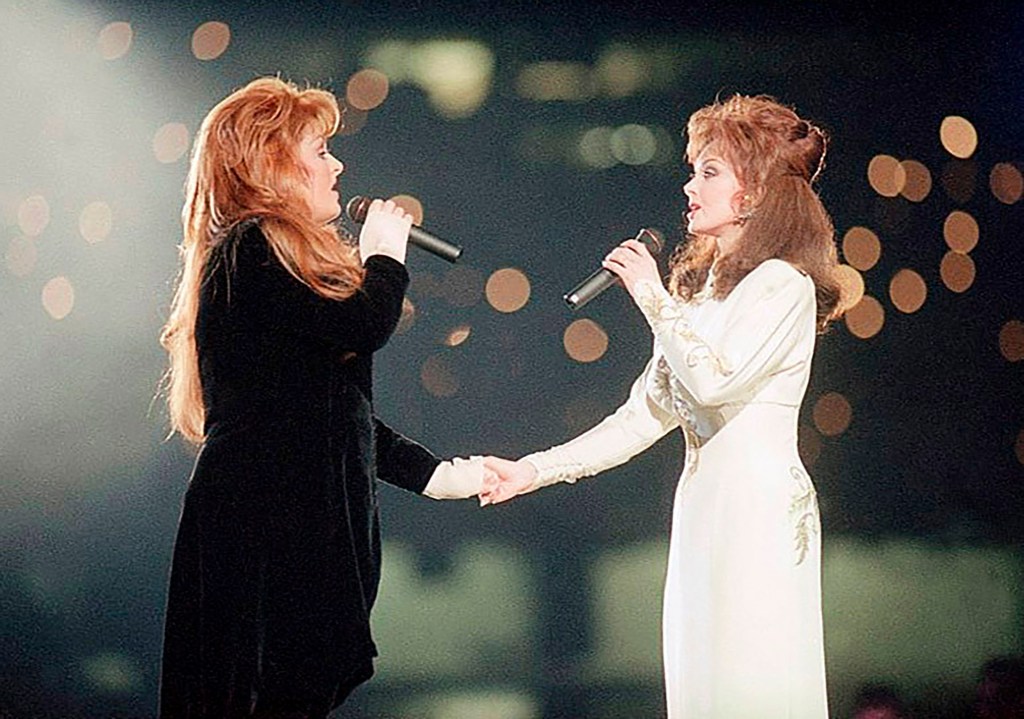
“They think, because they see me in rhinestones, you know, with glitter in my hair, that really is who I am,” Naomi told Roberts of her fans. “I’m sort of a fantasy ’cause I want to provide that for them.”
“But then I would come home and not leave the house for three weeks and not get outta my pajamas, not practice normal hygiene,” she added. “It was really bad.”
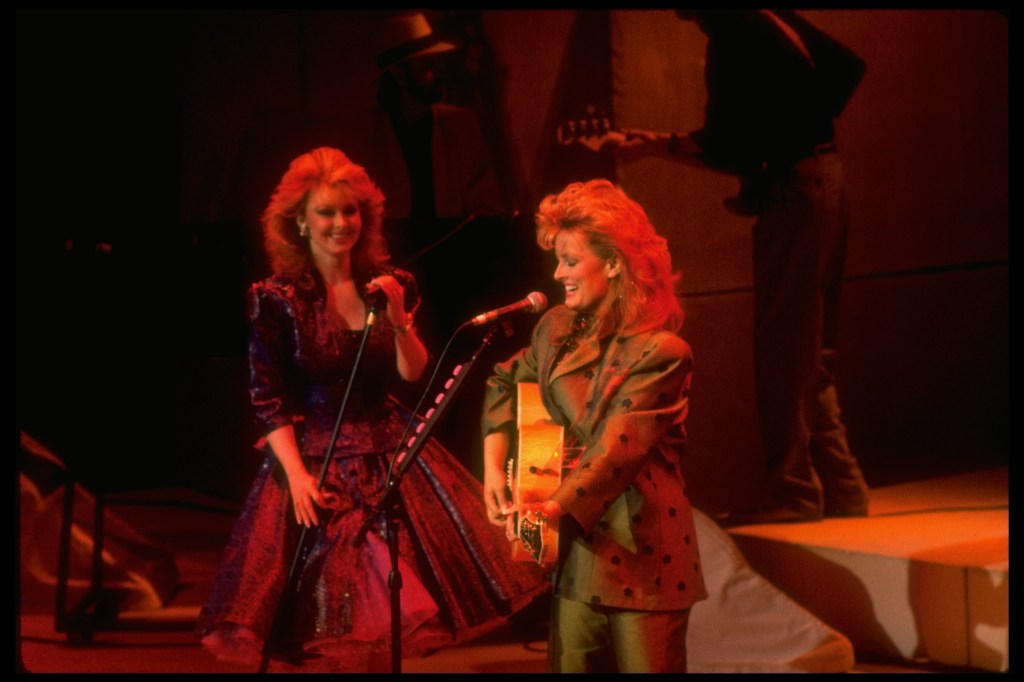
That same interview revealed the roots of Naomi’s trauma. She told Roberts that sexual abuse had started when she was three years old, and that addressing that history was part of her treatment. She also confirmed that she and Wynonna had attended therapy together, trying to mend a bond forged in early hardship.
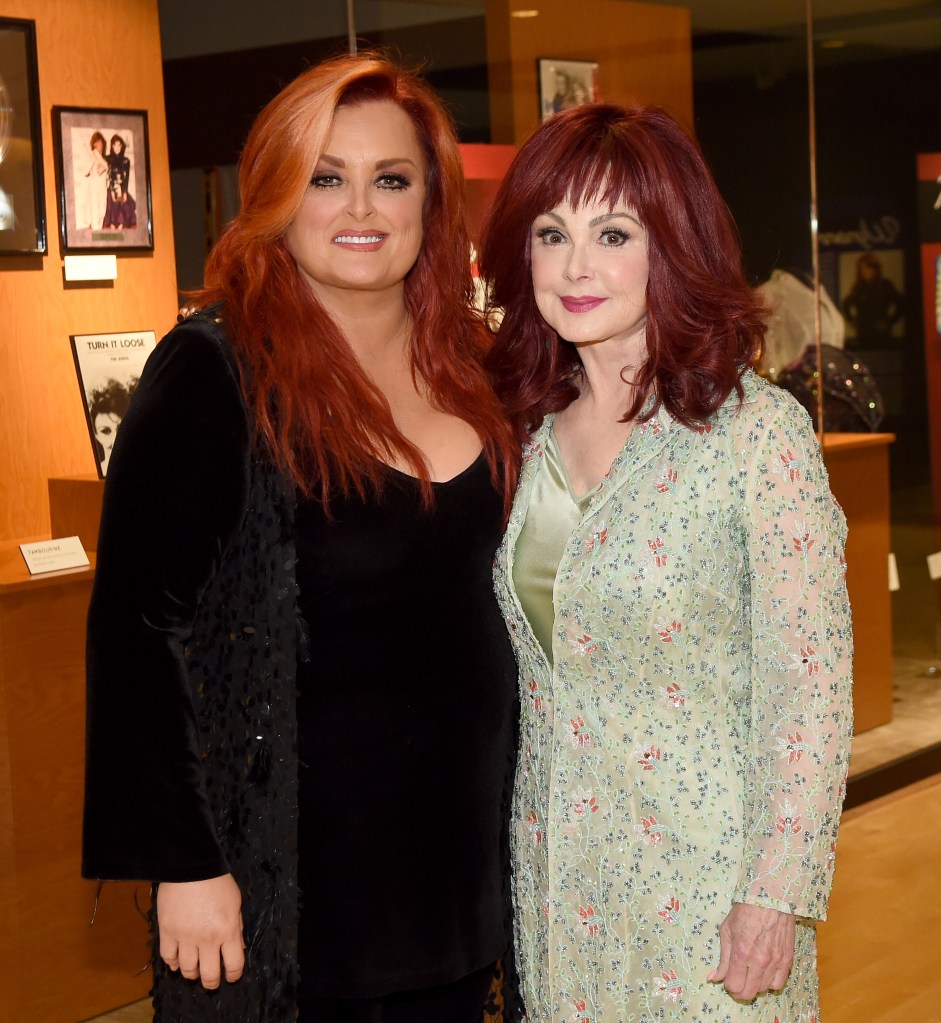
“From the day I knew she existed, it was the two of us against the world and then through the decades we kind of grew up together, ’cause it was really just the two of us,” Naomi said at the time. “And I’m always tellin’ her, ‘If I’d known better, I would have done better.'”
Wynonna was raised primarily by Michael C. Ciminella, Naomi’s husband from 1964 to 1972, though her biological father was Charles Jordan. Naomi and Ciminella also shared daughter Ashley. The fractured family history repeatedly surfaced in both women’s public reflections.
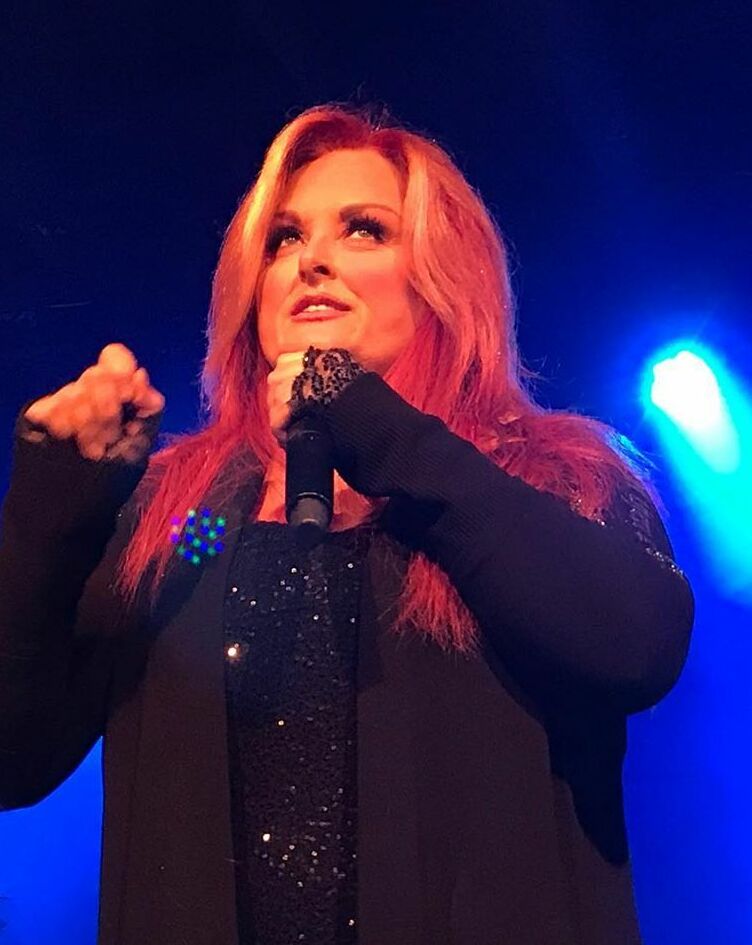
Wynonna noted that Naomi consumed media with dark themes during her decline, behavior that left her daughter baffled and alarmed. The repeated suicide talk became so normalized that Wynonna lost track of its origin, only remembering the exhausting cycle of emergency visits and sleepless nights.
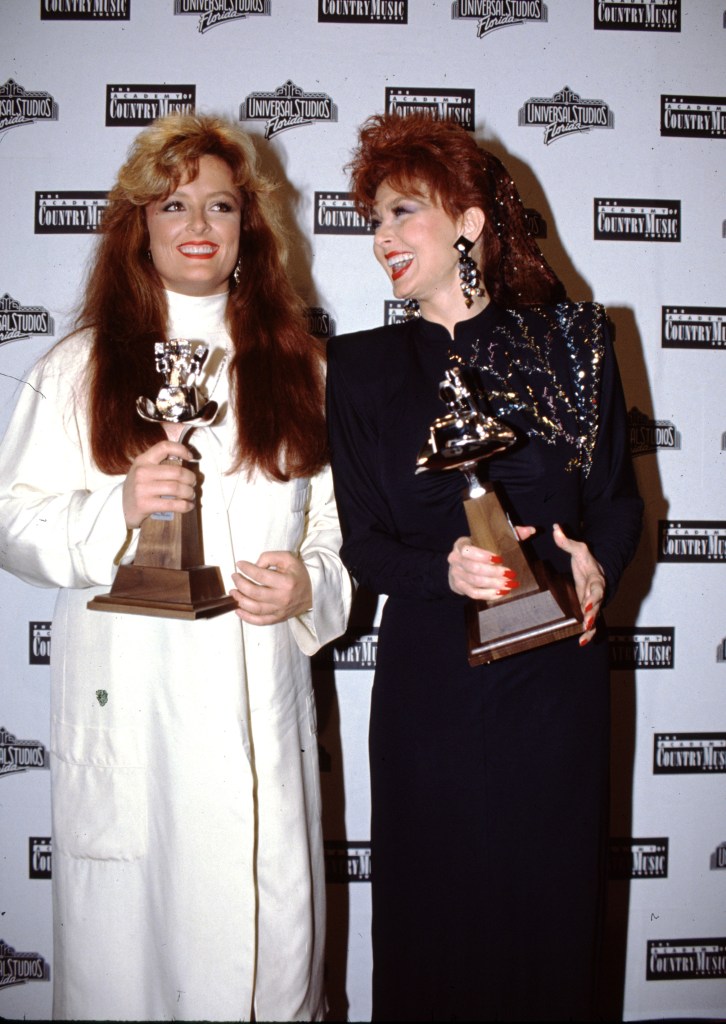
Naomi’s transparency about her condition had made her an unlikely advocate during her lifetime. The contrast between her public candor and her private suffering now frames how Wynonna processes the loss.
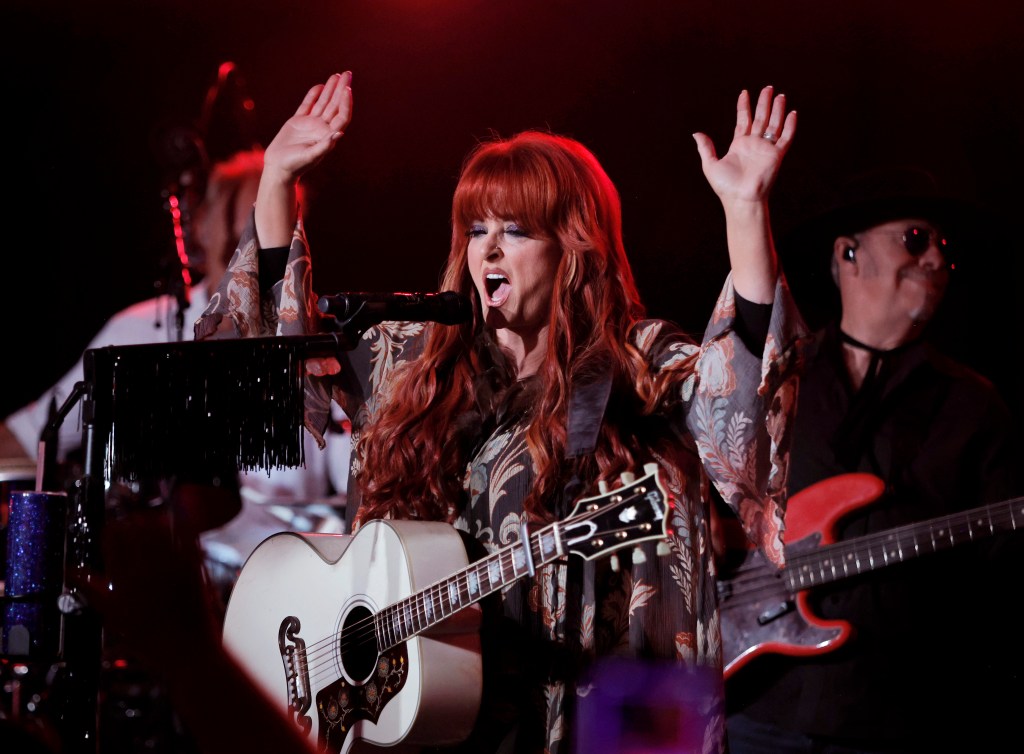
Wynonna continues to tour and perform as a solo artist after The Judds ended with Naomi’s death.