

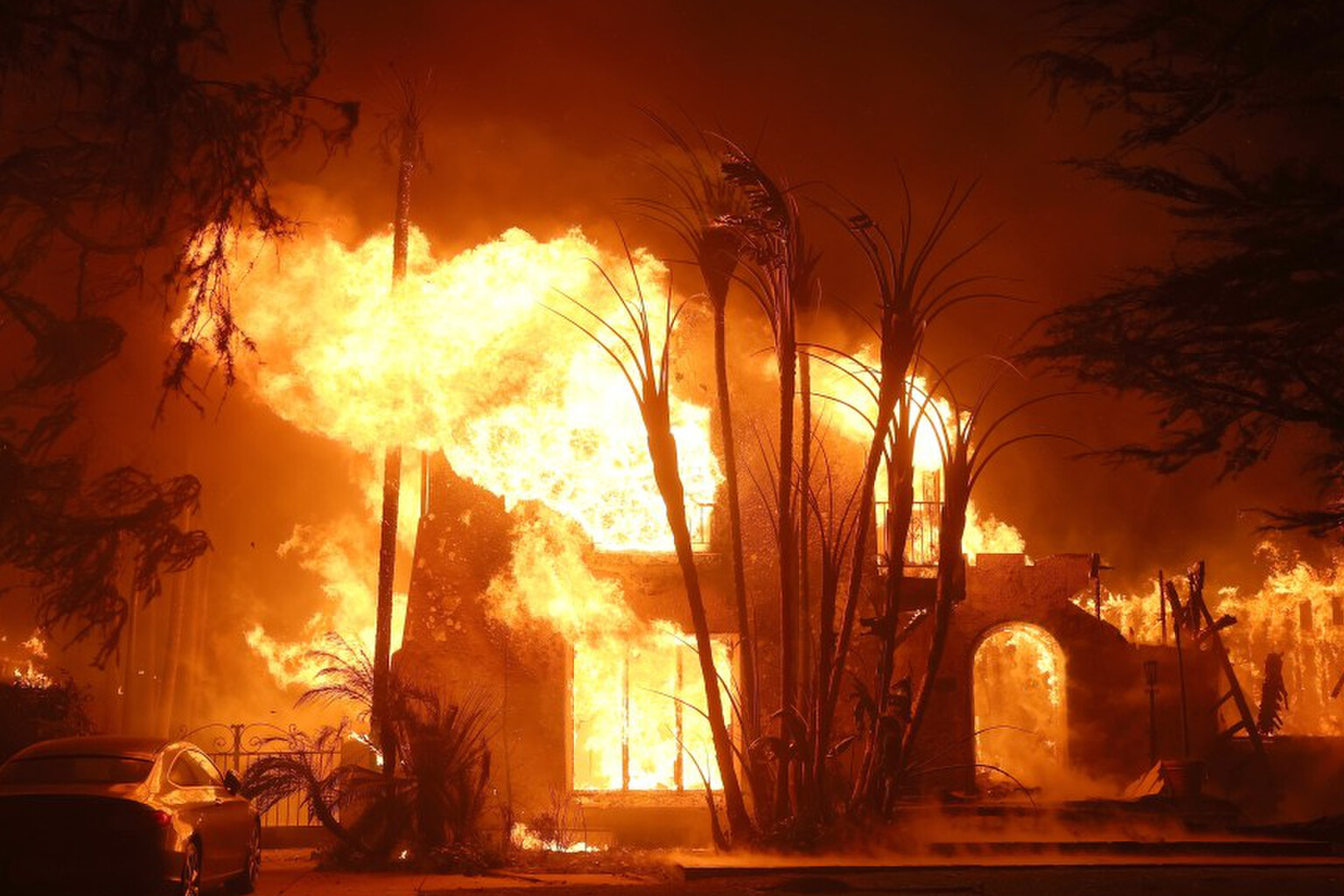
A Caltech study has revealed that smoke from the 2025 Eaton Fire carried lead levels 80 times higher than normal, exposing millions of Los Angeles residents to a toxic metal cocktail rarely seen in wildfire plumes.
Haroula Baliaka, a Caltech PhD student and lead author of the research published Wednesday, began investigating urban fire pollution after trying to understand why Los Angeles already struggled with chronically elevated pollution. She and co-author Ryan Ward used the Atmospheric Science and Chemistry mEasurement NeTwork, known as ASCENT, to track airborne particles around the clock throughout the year.
“ASCENT has the unique capability to measure the chemical components and the size of these different particles in real time,” Caltech professor Nga Lee “Sally” Ng said.
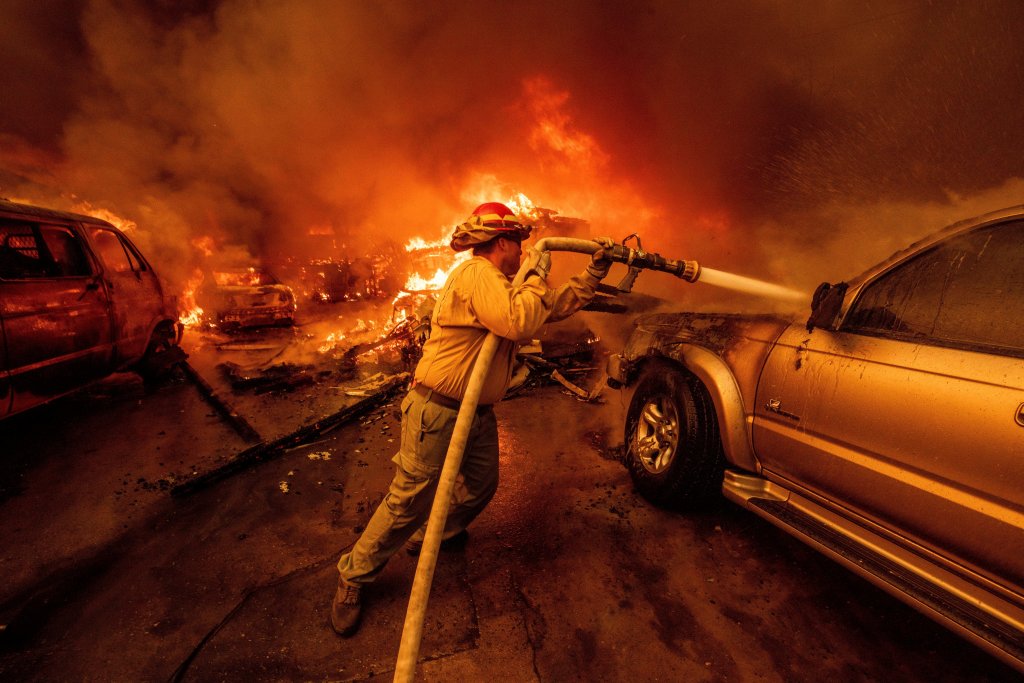
The researchers compared the Eaton Fire’s smoke chemistry with that of a typical vegetation-fueled wildfire and documented stark differences. The urban blaze released a fundamentally different and more dangerous pollutant profile because it consumed vehicles, electronics, and building materials rather than forest or brush.
“Compared to wildfire smoke, the urban plume was enriched more than 50-fold in lead, 7-fold in halogens, and 3-fold in arsenic, a toxic mixture linked to burning vehicles, electronics, and building materials, a fundamentally different fuel from conventional wildland vegetation,” the research article stated.
The findings arrive as fires increasingly burn into densely populated areas, where homes, cars, and consumer goods become fuel sources that spew hazardous pollutants into air breathed by millions of residents.
“Unlike wildfire smoke that has been the focus of decades of air quality research, this plume represents an emerging class of urban fire air pollution that demands revised exposure frameworks and emergency response protocols as fires increasingly burn into cities,” the paper added.
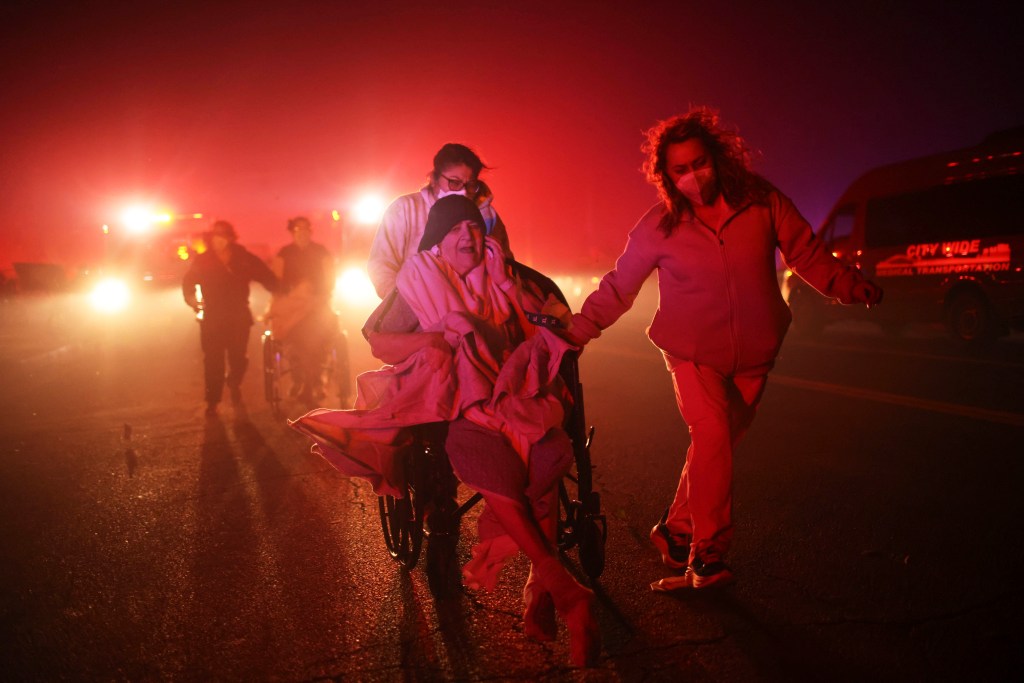
The Eaton Fire started on January 7, the same day the Palisades Fire ignited. The two infernos killed at least 31 people and destroyed more than 16,000 structures across Los Angeles County. Residents were forced to evacuate, most Pacific Palisades businesses were completely wiped out, and many residents lost their homes entirely.
The health implications of the newly documented pollution extend far beyond the immediate disaster period. High lead exposure can stunt growth in young children and prove fatal in severe cases. It can also damage kidneys and nervous systems in people of any age.

The study’s authors argue that decades of air quality research focused on wildfire smoke have left emergency responders and public health officials unprepared for the distinct threat posed when urban areas burn. The research calls for new frameworks to assess exposure risks and guide emergency protocols during city fires.
The Eaton and Palisades fires forced mass evacuations and left millions exposed to smoke even when they did not lose property. The Caltech findings suggest those millions may face lingering health consequences that standard wildfire response plans do not address.

The ASCENT network’s continuous monitoring allowed Baliaka and Ward to capture real-time data on particle composition and size during the disaster, providing a detailed chemical fingerprint of an urban fire plume for what the researchers describe as an emerging pollution category.