

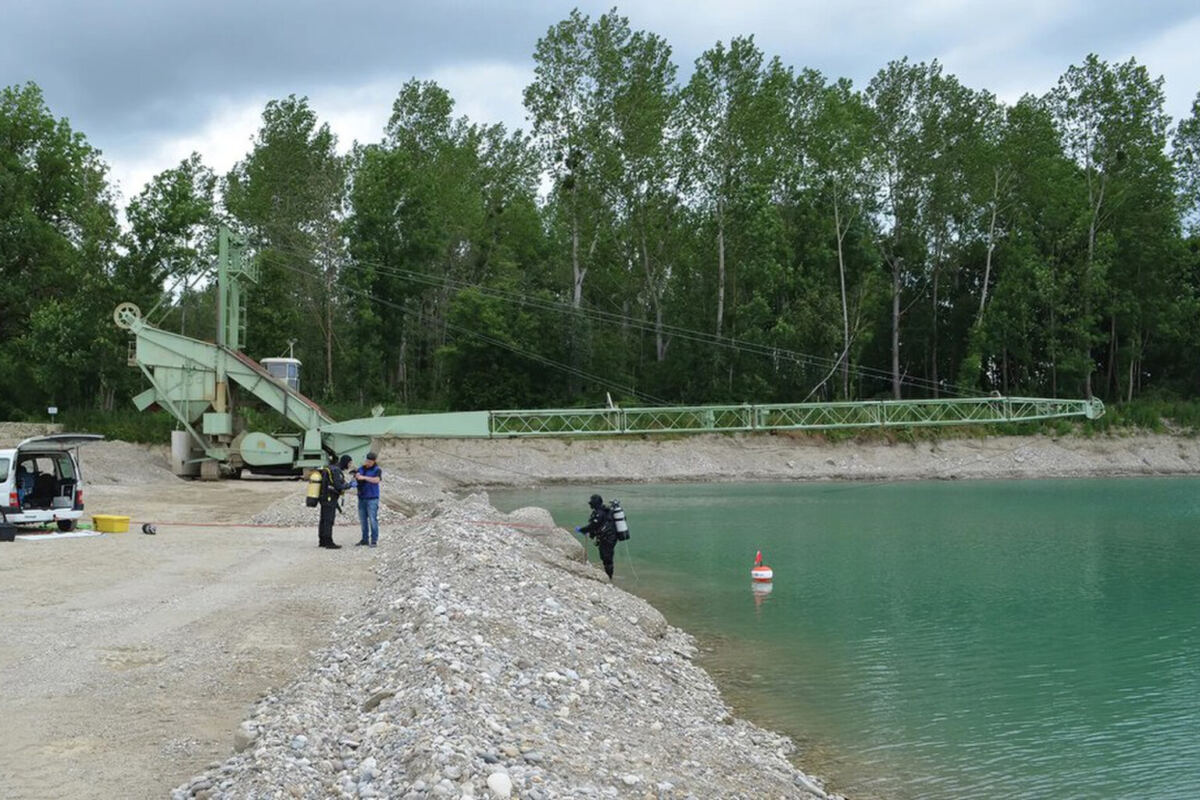
Archaeologists have crowned a 2019 riverbed discovery in Austria as Europe’s largest known Iron Age iron hoard, with new research tracing the “rusty treasure” to a probable shipwreck on the Danube more than two millennia ago.
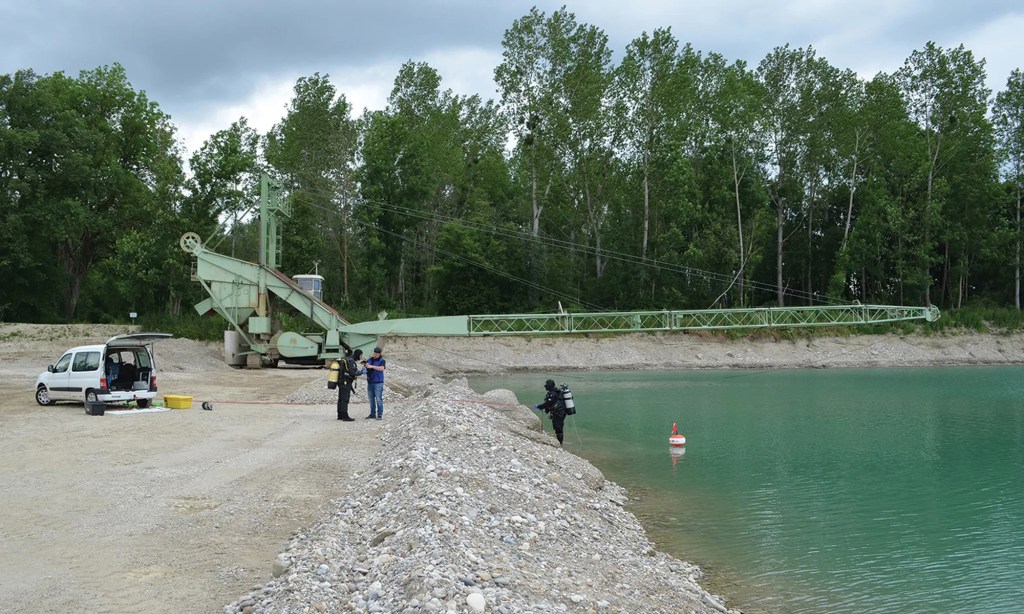
The find contains at least 500 iron bars weighing over a metric ton, recovered from gravel extraction work in Deinham, Austria. Peter Trebsche, a professor at the University of Innsbruck, said that the bars turned up in an old, silt-filled channel of the Danube where navigation hazards like stone balls and sand banks persist.
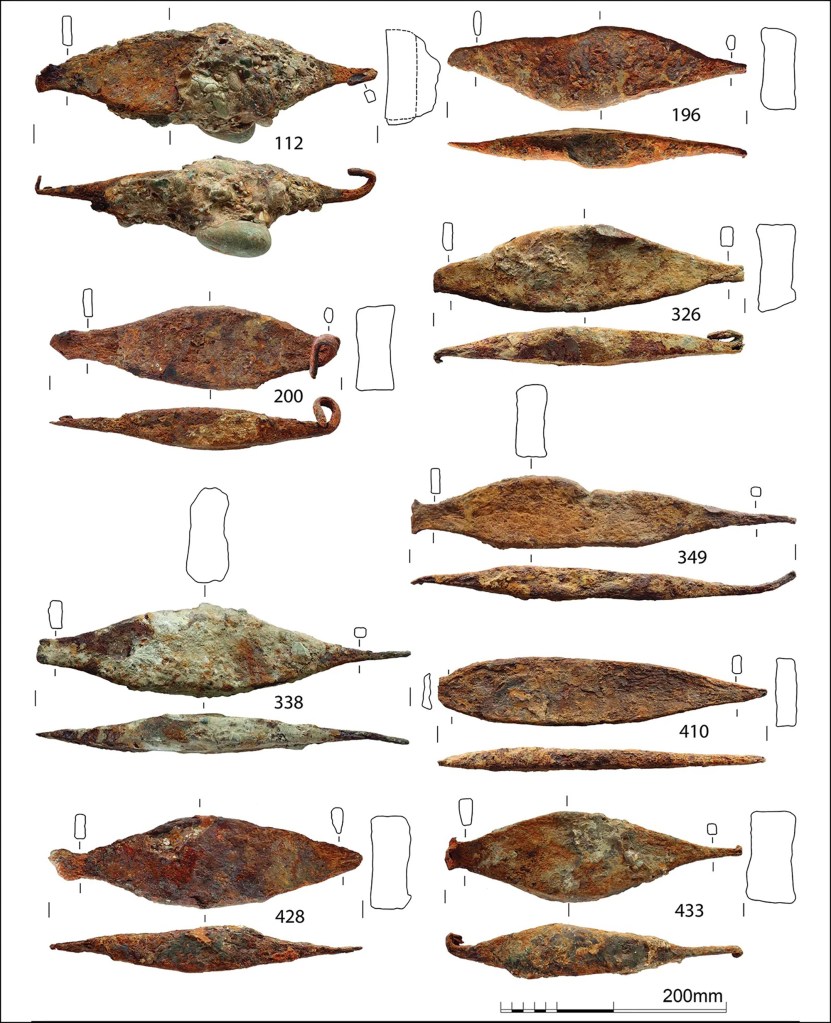
The total haul could have supplied enough raw material for roughly 500 swords weighing between 3.3 and 4.4 pounds each, though researchers note the iron might equally have become tools or jewelry. Trebsche emphasized that the 500-sword figure remains only an estimate.
Radiocarbon dating places the bars in the third or second century B.C., a period when iron production and trade were expanding rapidly across Europe. Researchers believe the metal was likely forged in Bavaria, Germany, then shipped along the Danube toward an unknown destination.
“The amount of iron from Deinham is about ten times larger than the largest iron hoard finds of that period,” Trebsche said. He called the most surprising aspect “the sheer quantity of iron being transported at once — and the fact that so much was available for a single trade transaction during the Late Iron Age.”
A shipwreck offers the most plausible explanation for how the cargo sank, according to Trebsche, even though no vessel remains were recovered. “No parts of the ship were recovered, because this section of the Danube poses some dangers to navigation like stone balls and sand banks,” he noted. He added that none of the bars show signs of intentional destruction, which would have suggested a ritual offering rather than an accident.
“This finding demonstrates the increased capacities of iron production that were reached in the 3rd/2nd century BC in the Danube region,” Trebsche said.
The discovery only reached full scientific attention after gravel workers chose preservation over profit. “Fortunately, the gravel workers [who found the iron bars] reported this find to the Monuments Authority and did not sell them to a scrap dealer,” Trebsche said.
In a statement, he called the preservation “nothing short of a minor miracle” and expressed gratitude that the finders “decided to donate this extraordinary trove to a state museum collection.”
A press release from the research team highlighted the scientific value of that decision: “Therefore, the discovery of numerous double-pointed iron objects during gravel extraction along the River Danube provided a unique opportunity to investigate large-scale prehistoric iron production and trade.”
The research was published earlier this fall by Trebsche and archaeologist Marion Berranger in the journal Antiquity. The study arrives amid a wave of Iron Age finds across Europe this year, including a 2,000-year-old temple uncovered in Denmark and rare four-wheeled wagon remains found among 950 metal objects in northern England — the first potential evidence of such vehicles in Britain.