

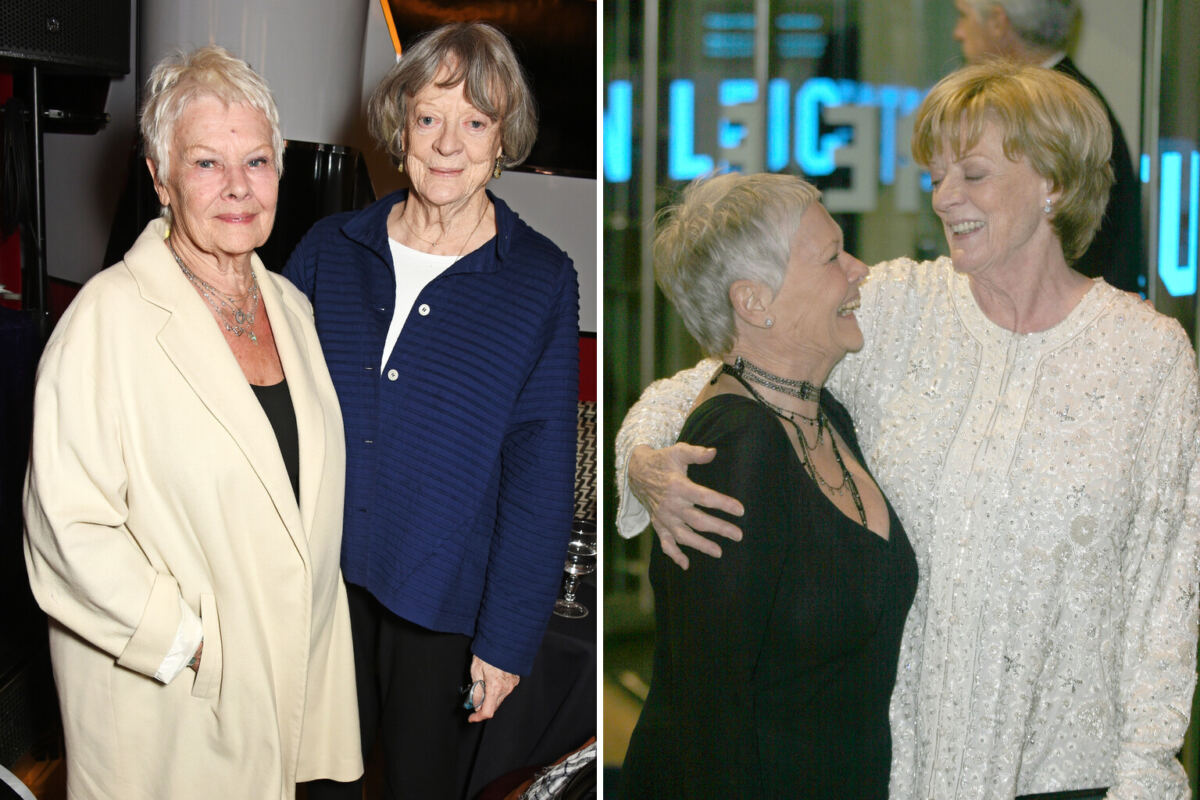
Judi Dench, 91, has dismissed persistent rumors of a backstage feud with her late friend Maggie Smith over dressing room hierarchy.
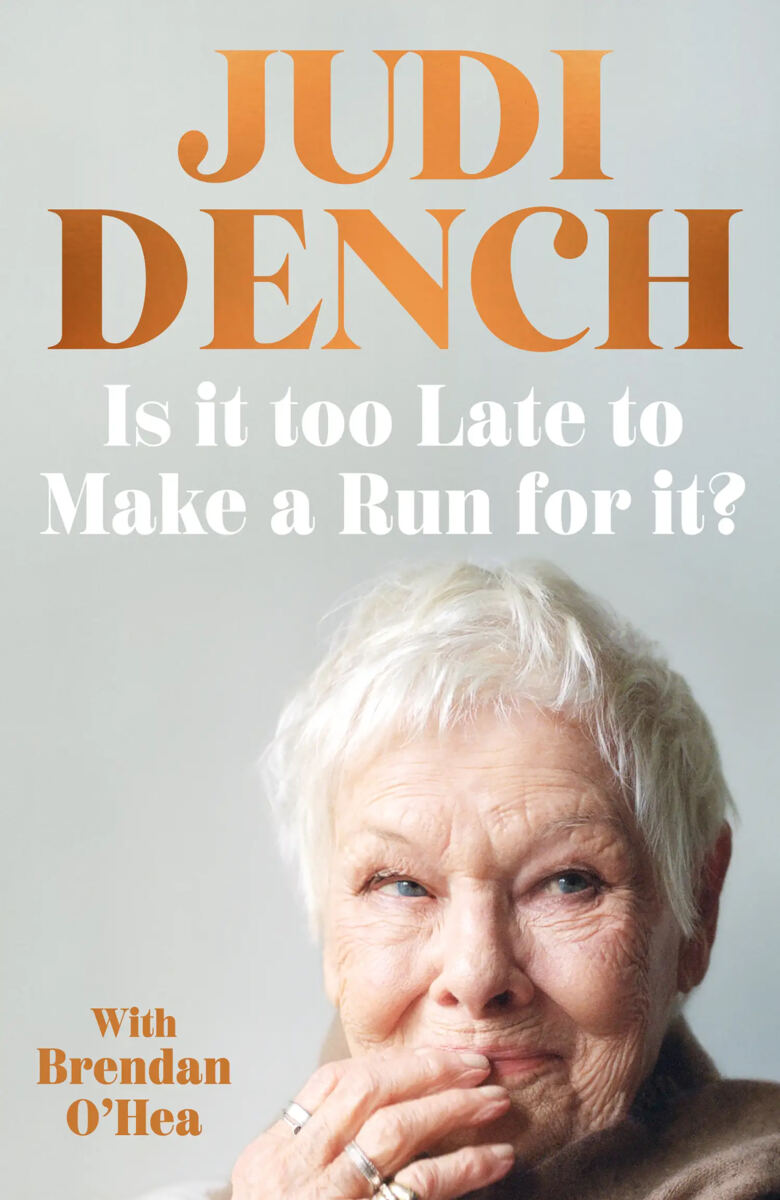
The Oscar-winning actress addresses the speculation directly in her new memoir, “Is It Too Late to Make a Run for It?”, during a conversational exchange with actor and director Brendan O’Hea. When O’Hea raises the topic of performers falling out over dressing room allocations, Dench shuts the idea down immediately.
“Don’t be ridiculous,” she responds in the book.
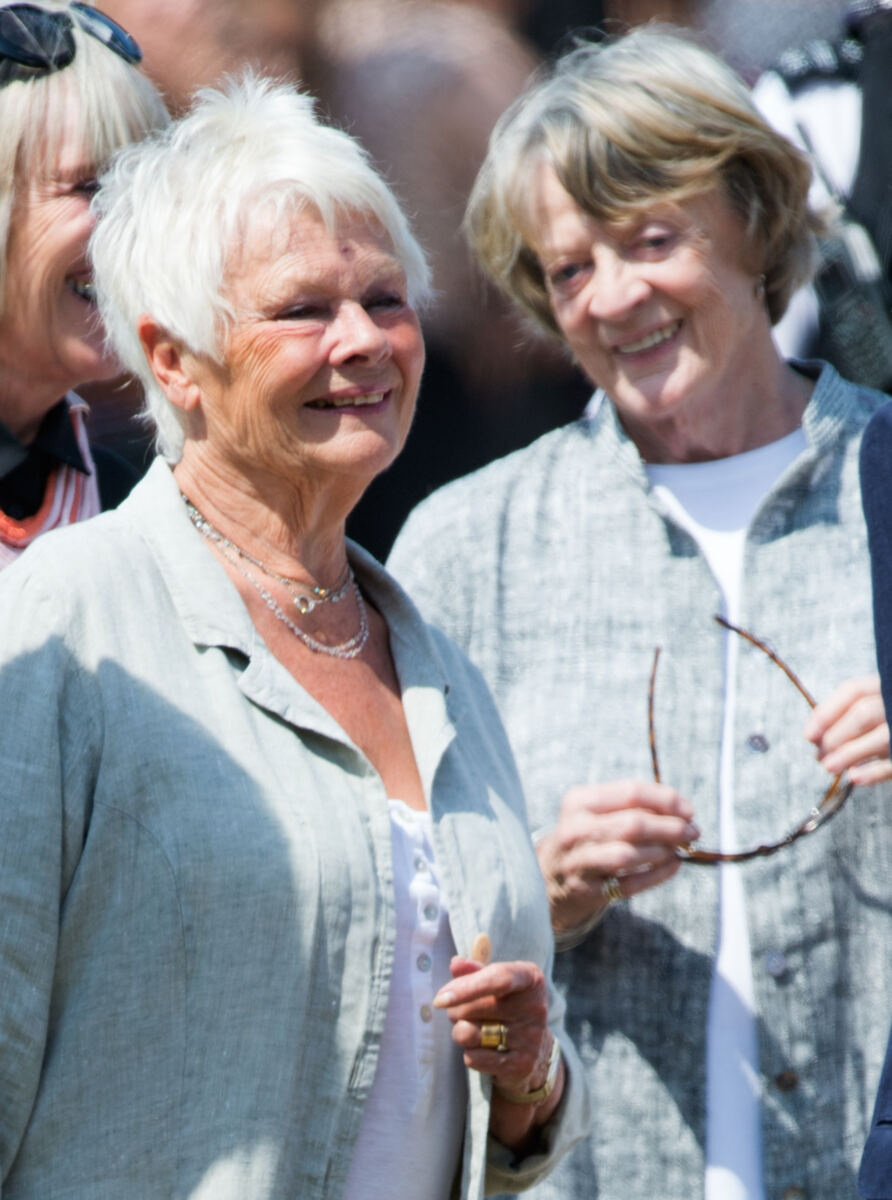
The “Skyfall” star does acknowledge that such disputes plague other actors. She recounts a producer’s creative solution to company-wide bickering over who deserved the top dressing room: labeling every door with the number 1. Dench expresses genuine bafflement at the behavior.
“What’s the matter with people? Haven’t they got enough to worry about with the play? I never mind where I am,” she tells O’Hea.
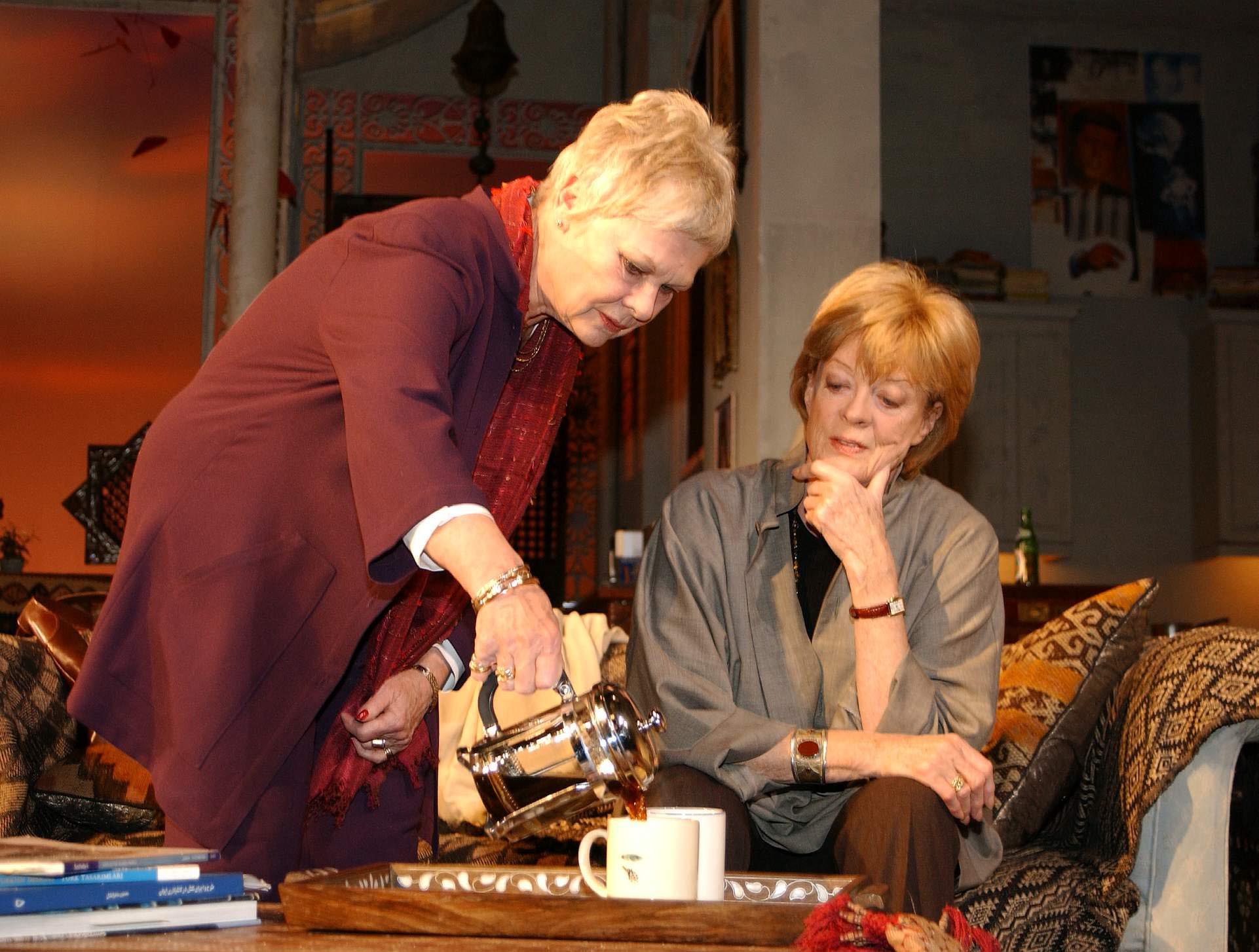
The two British legends first crossed paths in the late 1950s as young performers at the Old Vic in London, launching a friendship that would span more than six decades. Their professional collaborations included “A Room with a View,” “Tea with Mussolini,” “Ladies in Lavender,” and both “Best Exotic Marigold Hotel” films. Smith died in September 2024 at age 89.
Despite their closeness, Dench confirms they would never have shared a dressing room, not from conflict but from incompatible temperaments.
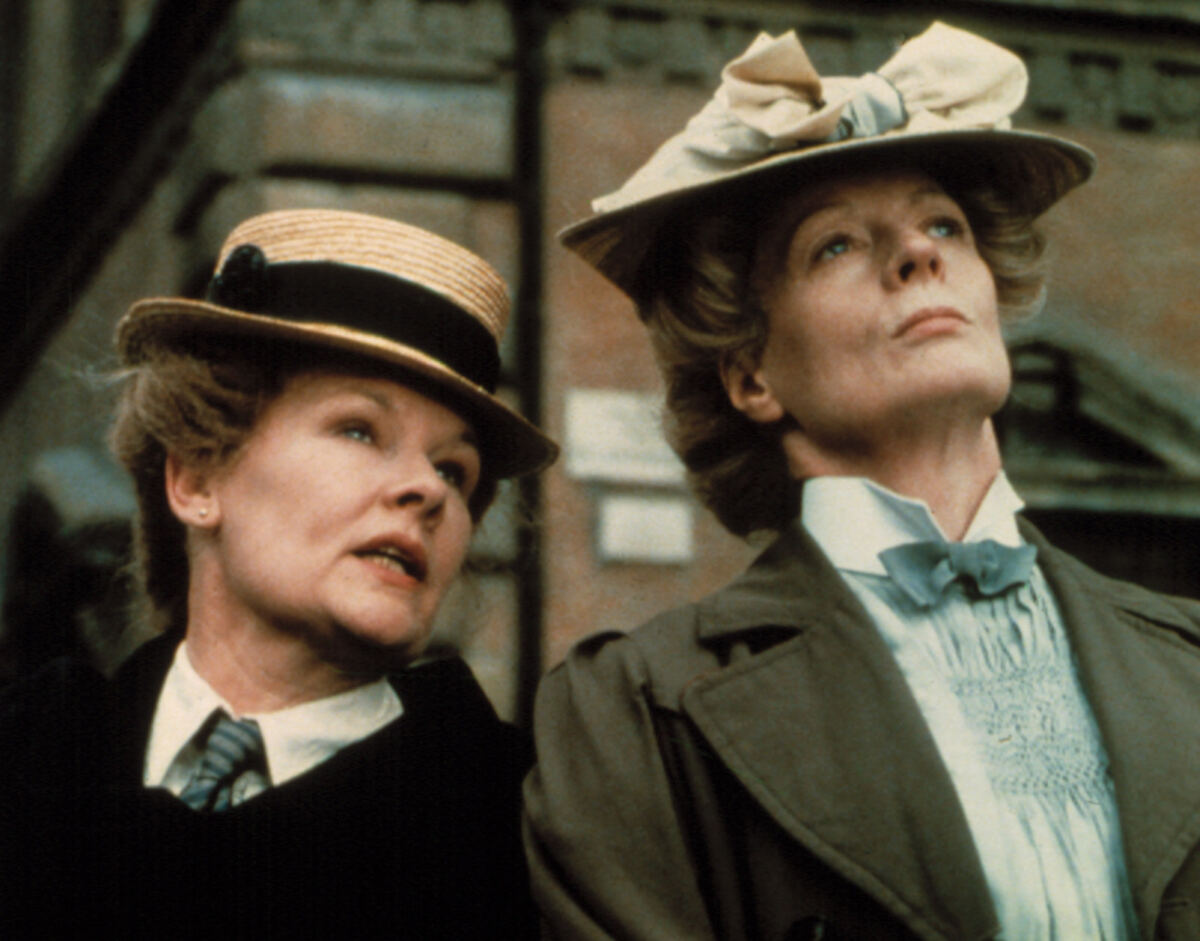
“We’re too different,” Dench explains. “Mags would prefer to sit in a corner, quietly reading, whereas I need the hustle and bustle of people coming in and out of the room – the hubbub and the chat and the tannoy turned up to full.”
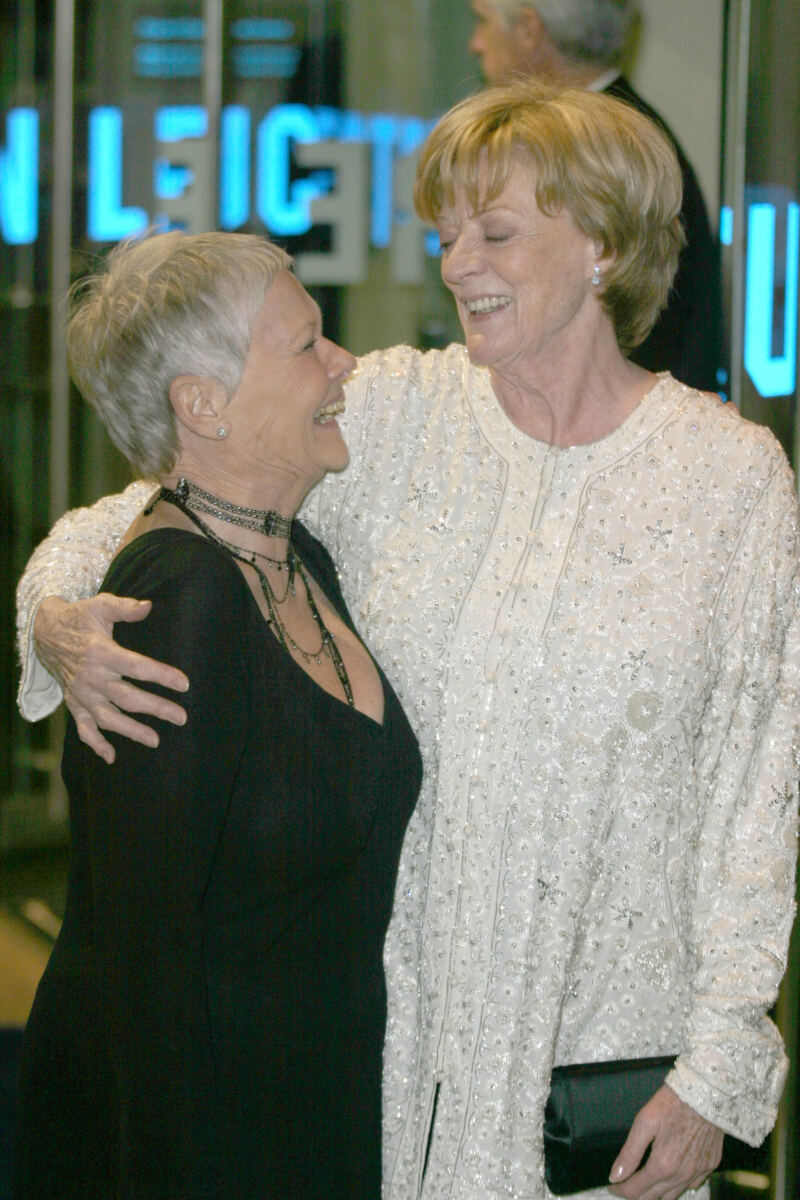
Dench’s own backstage needs run social rather than solitary. She recalls how Nicholas Meredith, her co-star from a 1960 Old Vic production of “Romeo and Juliet,” used to visit her dressing room simply to keep her company. Left alone, she grows “miserable,” she admits.
The memoir offers an intimate portrait of Smith’s contradictory nature. Dench describes her friend as capable of swinging between extremes without warning.
“One minute she could be howling with laughter, sending herself up, and the next, off-piste with grief over something, utterly discombobulated,” Dench says.
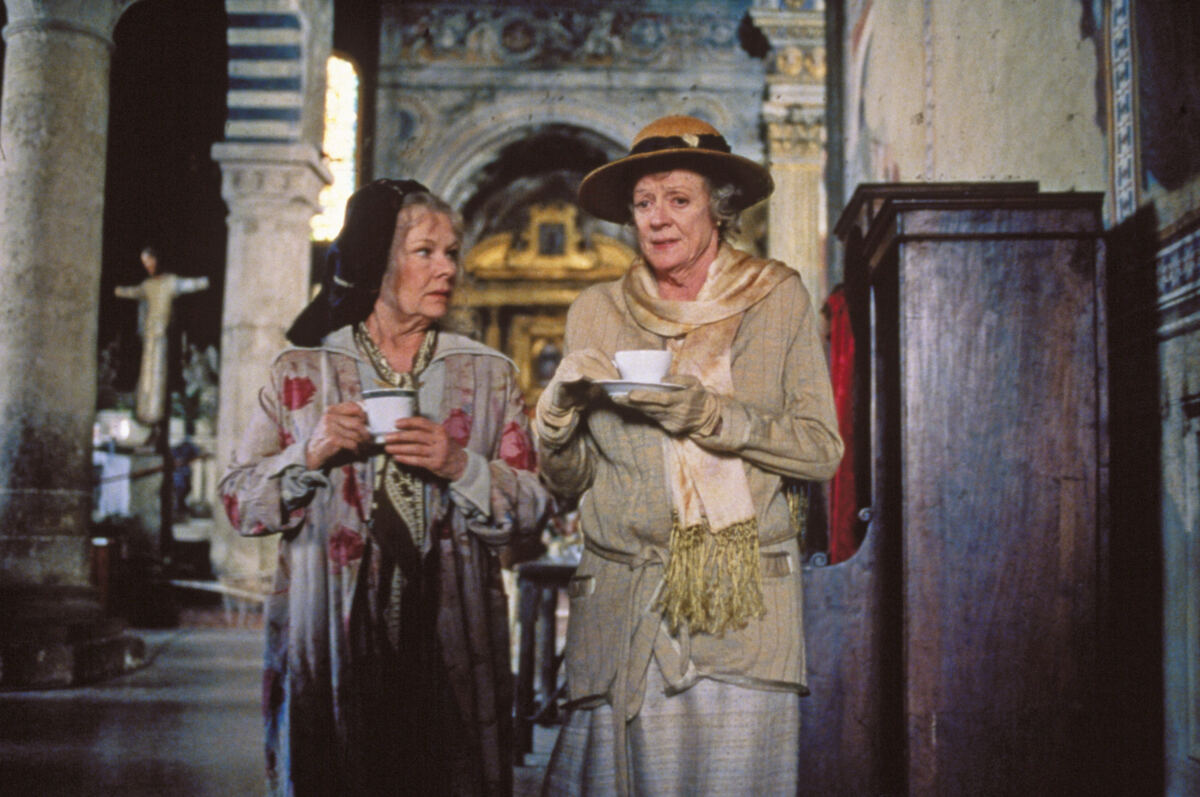
Dench characterizes the “Harry Potter” and “Downton Abbey” star as “a very complex person” who remained “intensely private” throughout her life. She suspects Smith was “quite lonely at times” and notes her defensive tendencies: “She’d occasionally erect an electric fence around herself.”
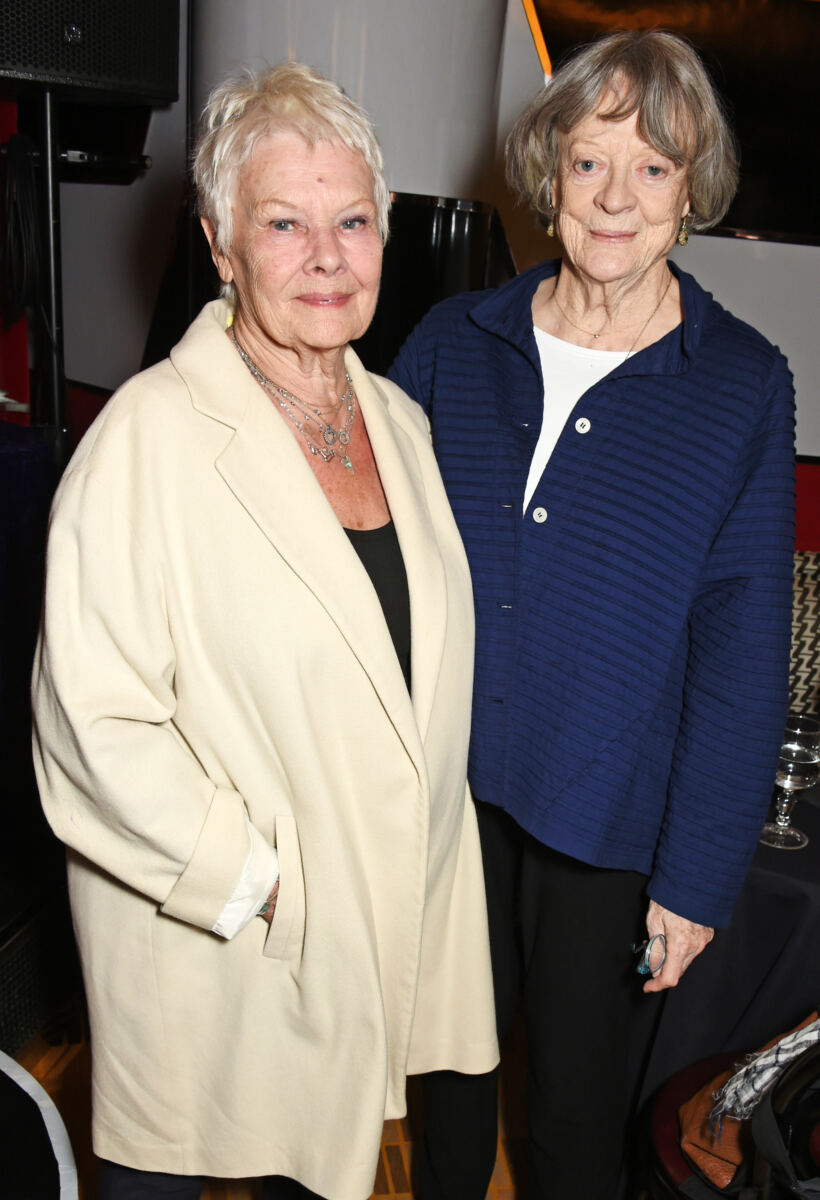
Yet Dench emphasizes the warmth beneath the barriers. Smith possessed “a ferocious intelligence, an acerbic wit and was very, very funny,” she writes, adding that she “really was the most marvelous company.”
The loss still catches Dench off guard. “God, I miss her,” she shares in the memoir. “I sometimes go to pick up the phone, thinking I must give her a ring, just to hear her voice, and I realize she’s no longer there.”
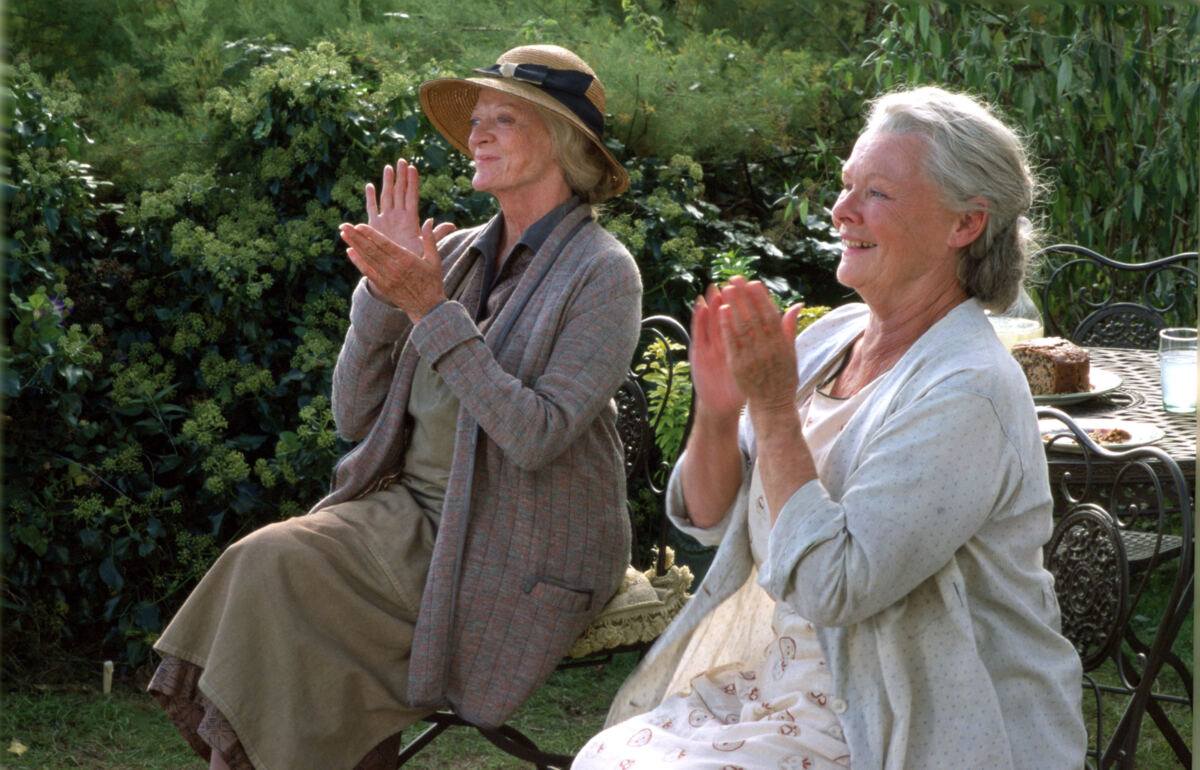
Dench had previously spoken about processing Smith’s death in a 2023 interview with the Times, before the memoir’s release. She described the experience as “unbelievably cathartic” and explained her method of channeling grief into creative fuel.
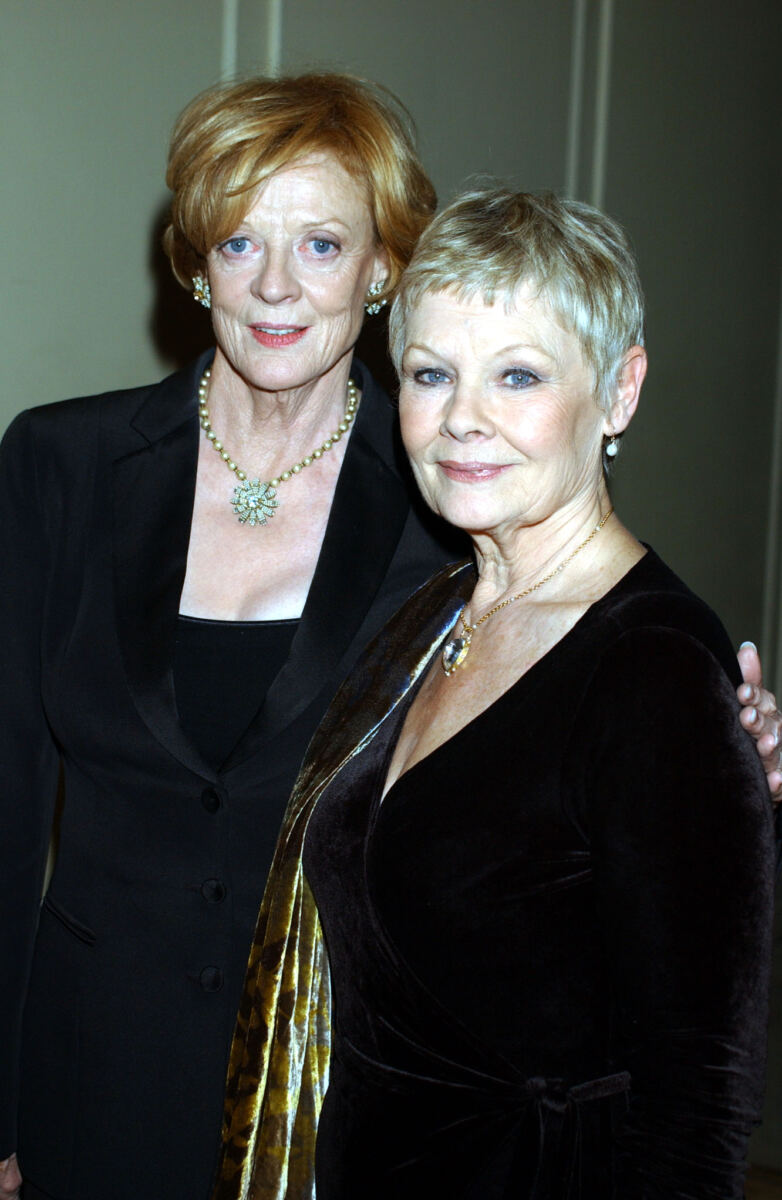
“You fortify yourself and use what you are going through as energy. Like petrol,” Dench told the outlet. “It has helped me cope with the pain.”
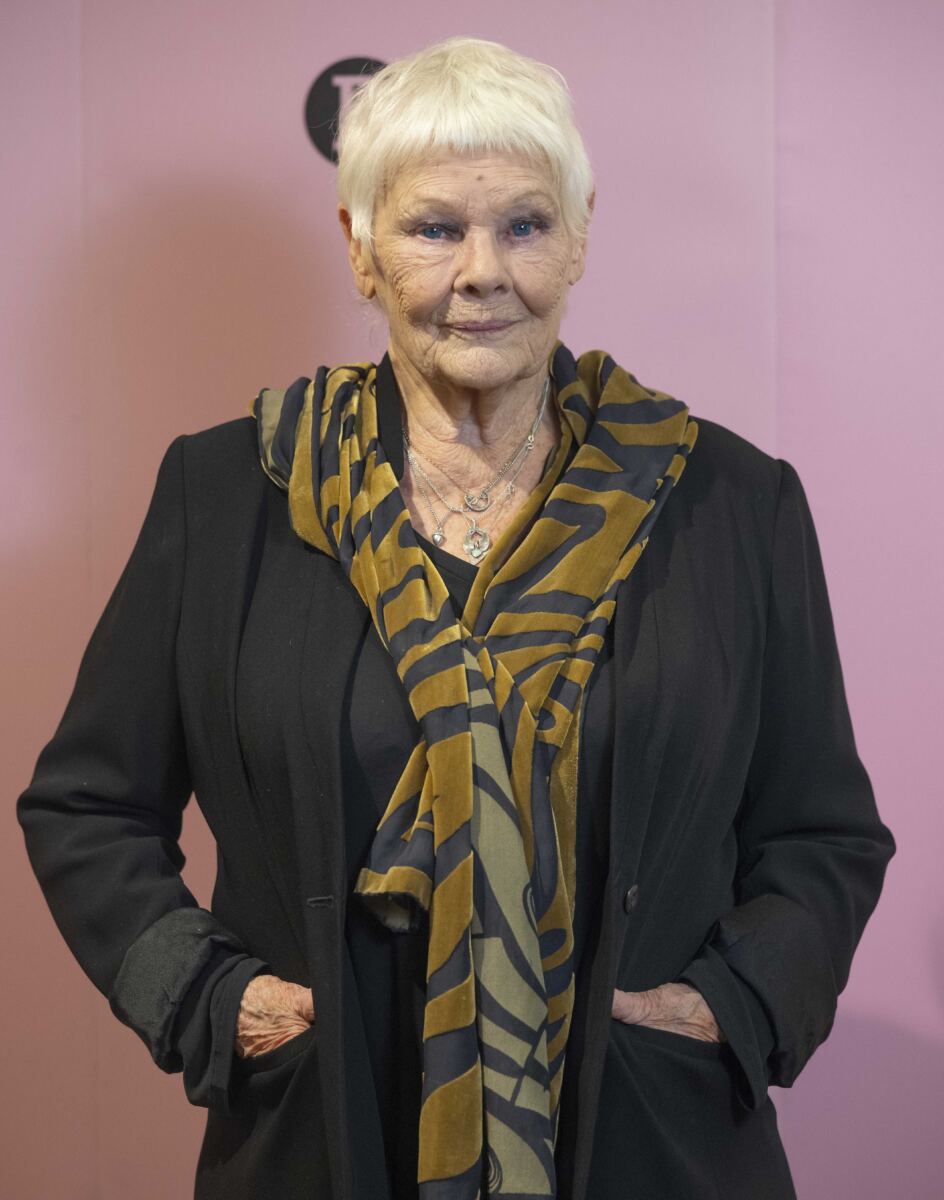
The dressing room rumor that prompted Dench’s denial appears to have circulated as a plausible but unverified backstage story, fitting a familiar show-business pattern where perceived slights over status symbols generate lasting gossip. Dench’s firm rejection, paired with her detailed explanation of how fundamentally different their working styles were, undermines the narrative of a hidden feud.
“Is It Too Late to Make a Run for It?” is available now.