

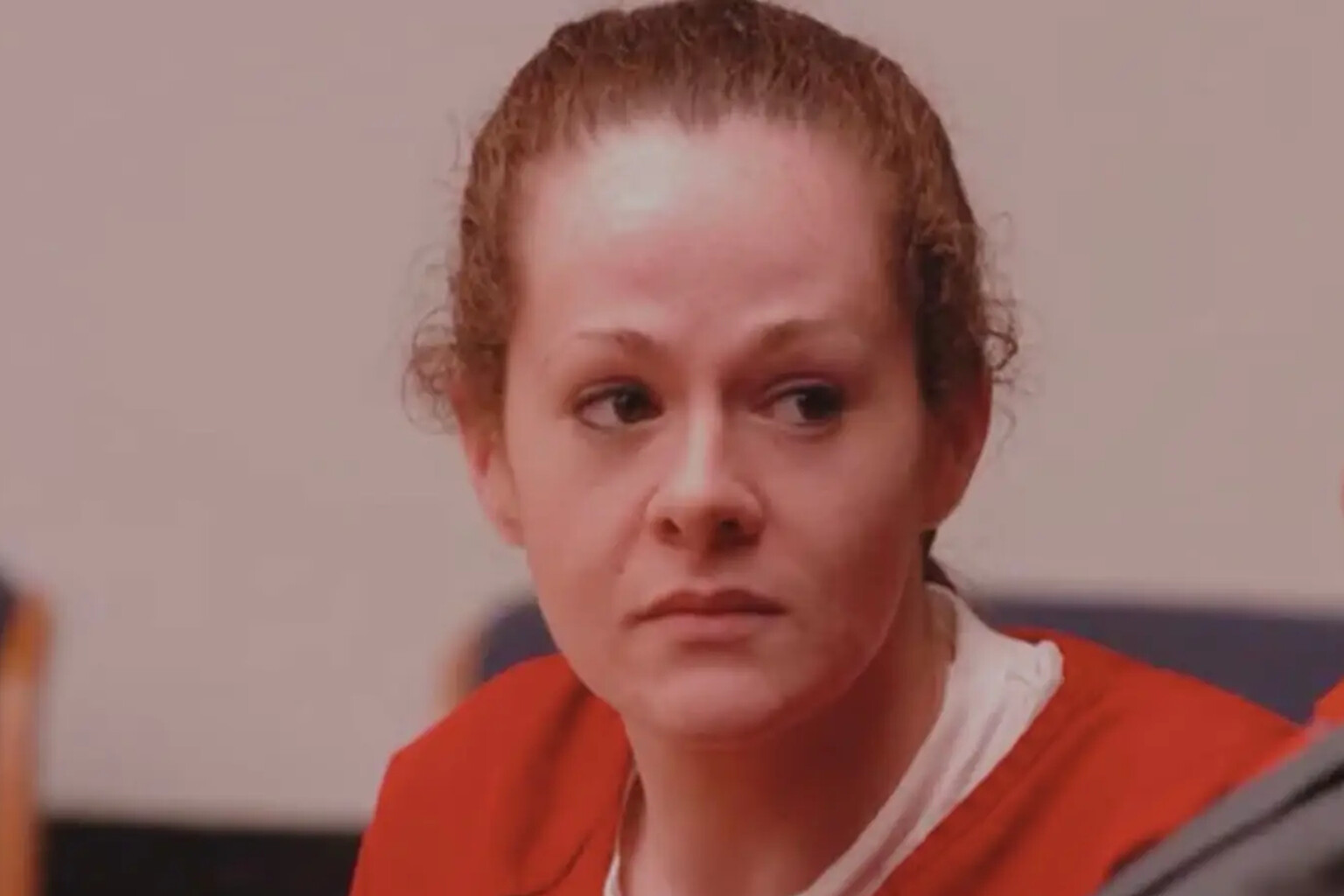
Christa Pike has broken her silence after surviving a botched execution attempt that left her hospitalized and in constant agony.
Pike, 50, issued her first statement since Tennessee officials tried and failed to put her to death on September 30, describing waking up days later alone, confused, and in unrelenting pain. The condemned inmate had been diagnosed months earlier with a rare blood cancer her lawyers warned would make lethal injection torturous, court filings now show.
Her attorneys alerted state officials nearly nine months before the execution date that Pike suffered from a myeloproliferative disorder, a cancer affecting blood cell production. They cautioned that administering pentobarbital under her condition carried acute risks.
“A pulmonary edema is not simply painful or uncomfortable; it can create a sense of suffocating or drowning that has been likened by experts to the sensation intentionally induced by the practice of waterboarding—an unambiguous form of outright torture,” the legal complaint read.
The filing further contended that the procedure would inflict “unnecessary and superadded pain and suffering, terror, and disgrace.”
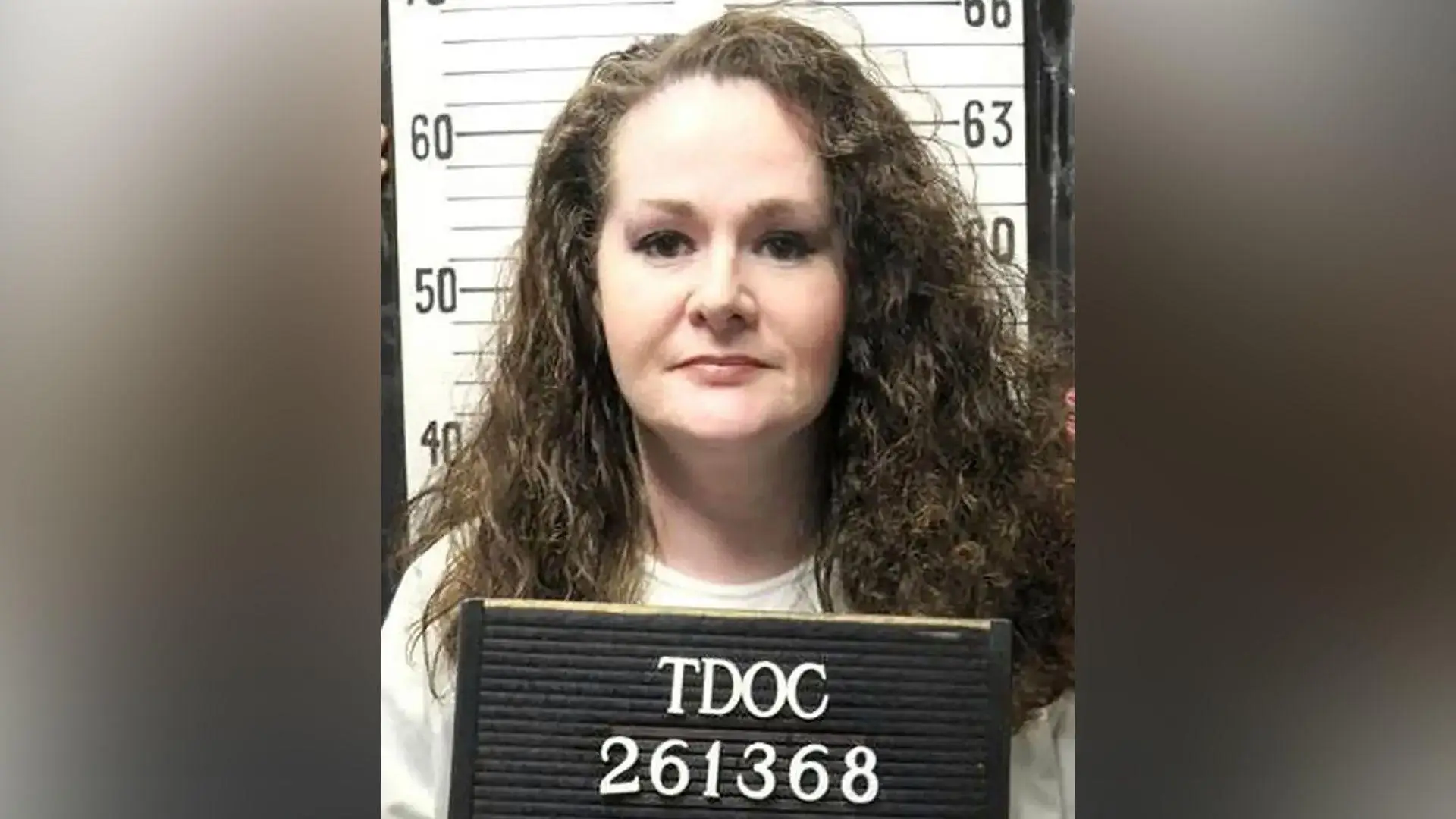
Despite these warnings, the state proceeded with the scheduled execution. The procedure collapsed when team members could not establish IV access, reportedly puncturing Pike with roughly 10 needles in the attempt. She survived two separate doses of the lethal barbiturate before being rushed to the hospital in critical condition.
Pike remained unconscious and on a ventilator for days afterward, suffering severe swelling and chemical blistering across both arms.
“Several days later I woke up alone in a hospital confused and in pain,” Pike said in her statement through counsel. “There hasn’t been a moment since that night when I haven’t been in pain. My body hurts. My arms hurt. My hands hurt. My throat hurts. I still struggle to speak.”
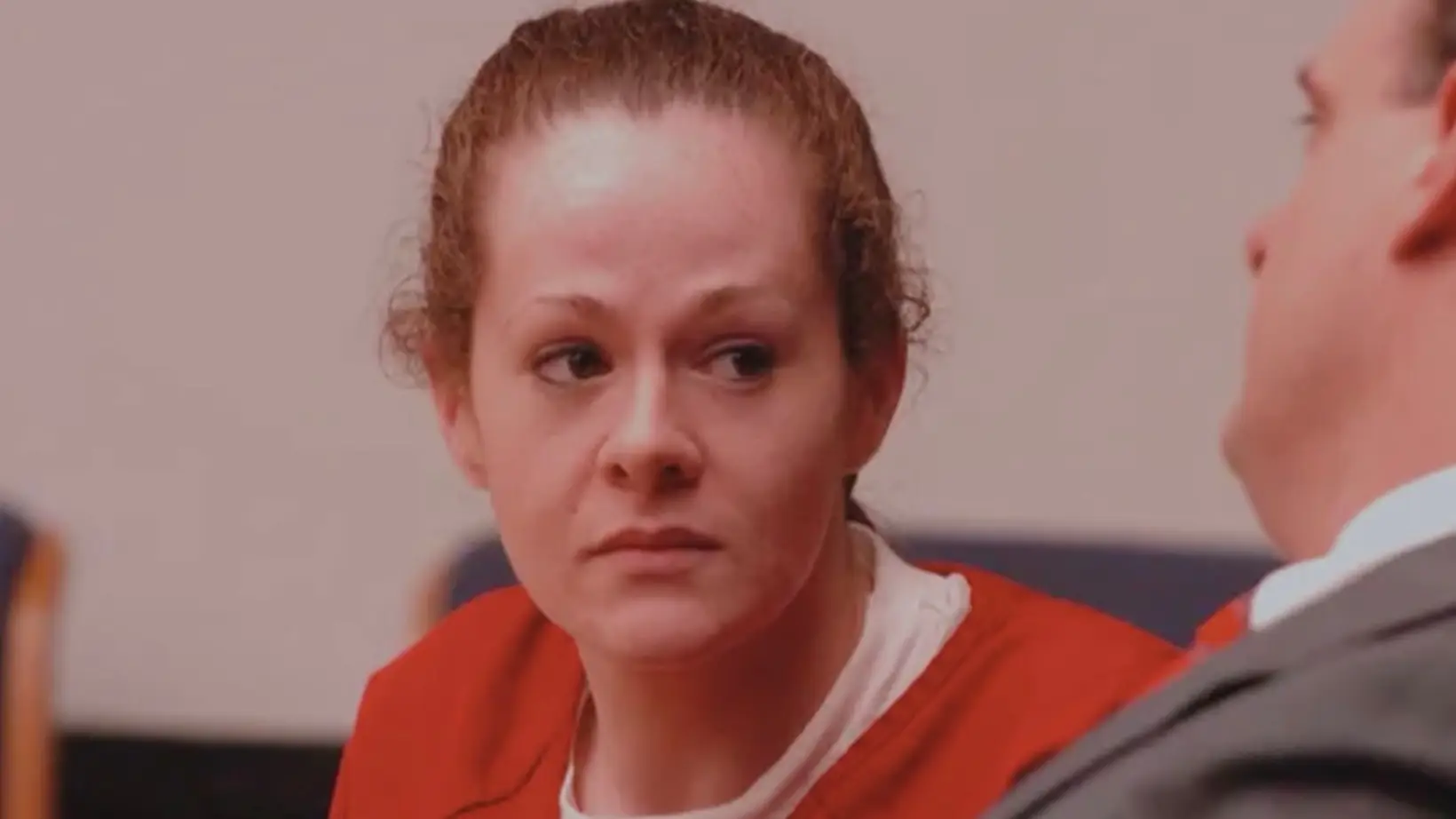
Pike now sits back at the Debra K. Johnson Rehabilitation Center while her defense presses courts to commute her death sentence to life imprisonment. They argue that both the botched execution and her underlying cancer render any second attempt unconstitutional cruel and unusual punishment. The state has not yet ruled on the request.
Pike was 18 when arrested for the 1995 murder of 19-year-old classmate Colleen Slemmer in Knoxville. She lured Slemmer to a secluded spot and beat and slashed her in an attack lasting 30 to 60 minutes, then smashed her head with a rock and kept a piece of her skull. While on death row, Pike received an additional 25-year sentence in 2001 for attempting to strangle a fellow inmate with a shoestring.
The case has reignited debate over execution protocols for inmates with serious medical conditions, with Pike’s team noting her diagnosis was on record well before the failed procedure.