

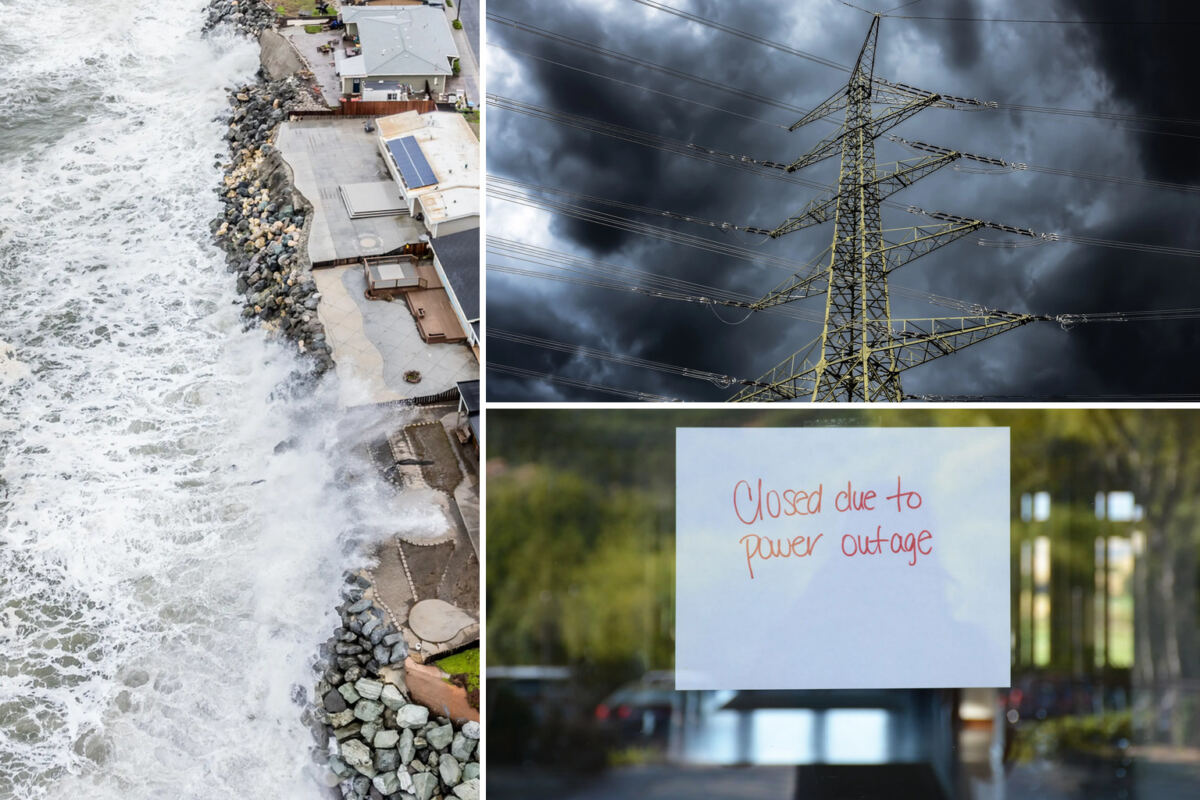
Residents across Washington, Oregon and much of California are being warned to brace for potential power outages as an atmospheric river barrels toward the West Coast next week.
The NOAA Climate Prediction Center has flagged November 13 through 15 as the critical window when heavy rainfall, mountain snow and strong winds will converge on the region. Northern and central California sit squarely in the increased-risk zone for torrential rain, while the Sierra Nevada faces moderate odds of significant snowfall at higher elevations.
Oregon’s Klamath Mountains are also staring down substantial snow accumulations. Along the coastline, gusts powerful enough to topple trees and snap power lines could leave households in the dark. The same threat hangs over Washington, where coastal areas earned a moderate-risk designation for high winds despite rainfall projections that have trended downward from earlier forecasts.
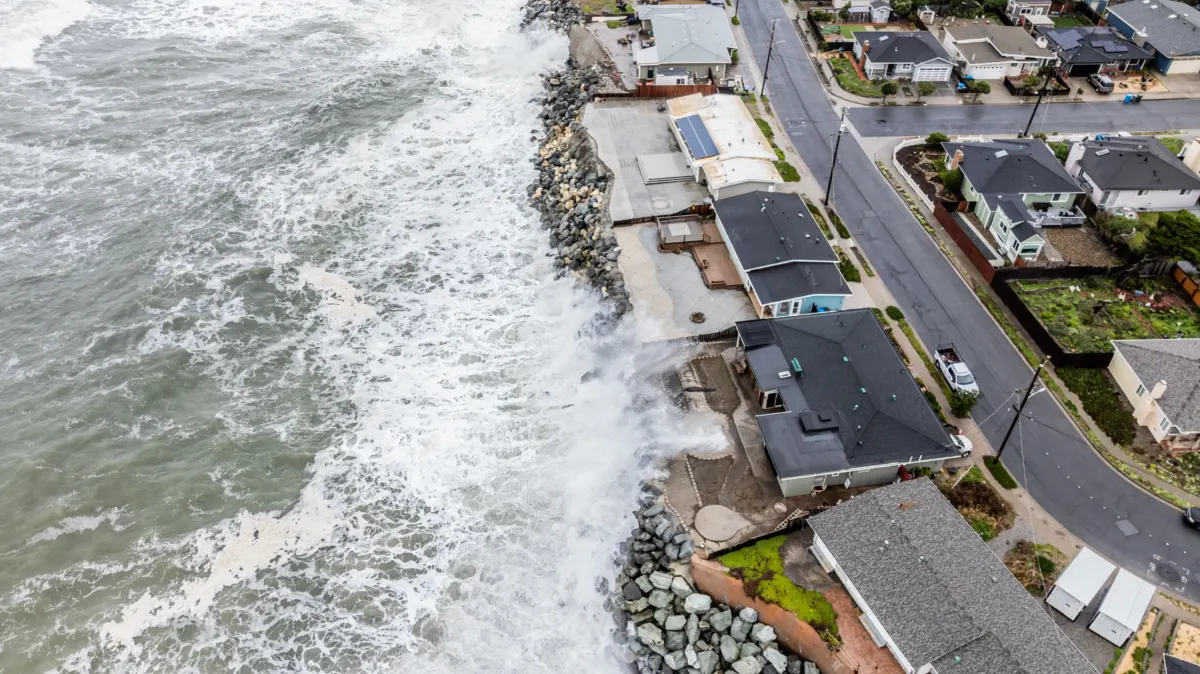
Atmospheric rivers function as narrow atmospheric highways, funnels of concentrated water vapor that can stretch thousands of miles from tropical and subtropical source regions toward the poles. When these moisture corridors make landfall, the results can be dramatic: intense precipitation dumped over compressed timeframes, with drainage systems overwhelmed and rivers swollen beyond capacity.
The phenomenon is entirely natural and plays a vital role in the water cycle. Yet the most potent systems transform from water-bearers into hazards, with wind damage to electrical infrastructure compounding the dangers of flooding and impassable mountain roads.
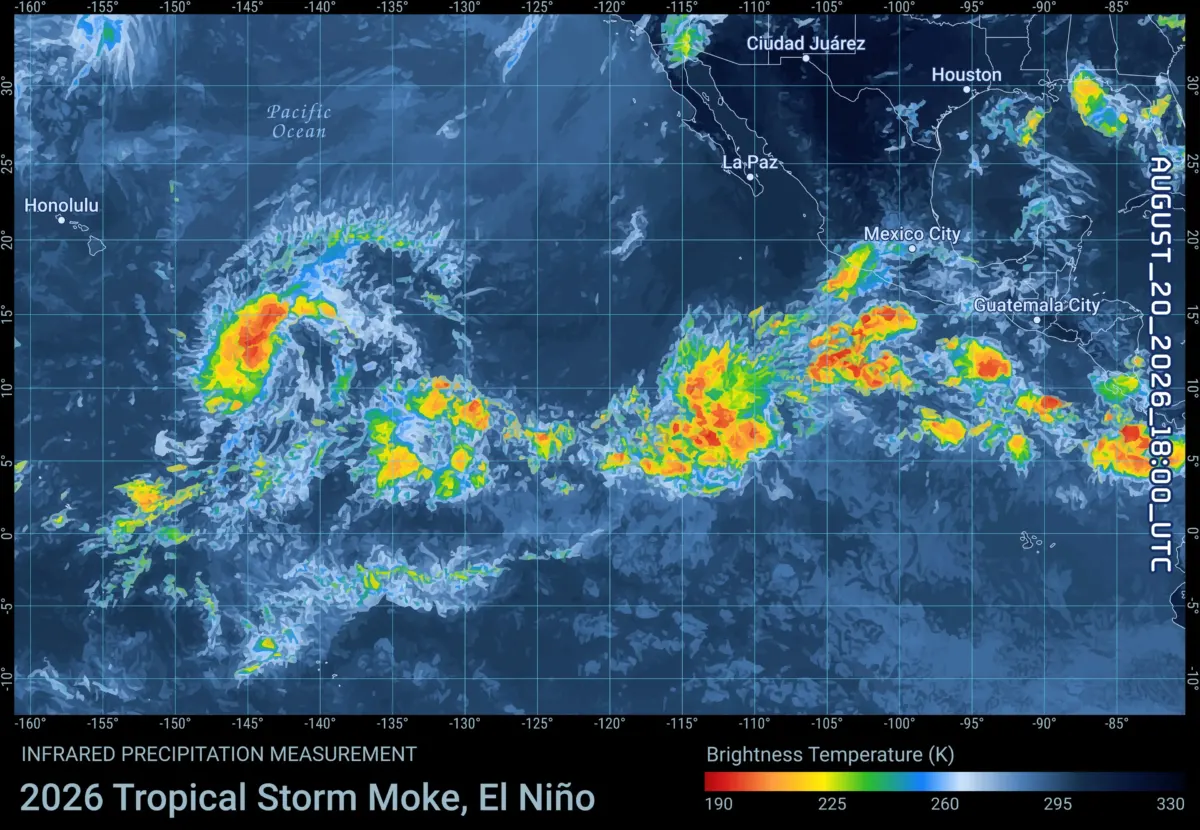
The developing storm arrives against the backdrop of a strengthening El Niño pattern that is already reshaping expectations for the coming winter. That climate driver—defined by warmer-than-average sea surface temperatures in the central and eastern tropical Pacific—shifts atmospheric circulation and reroutes typical weather patterns across broad swaths of the country.
Forecasters have not established any direct causal link between this particular atmospheric river and the current El Niño. The warmer Pacific pattern instead offers broader seasonal context as communities from the Cascades to the Sierra brace for what comes next.
Vulnerability will vary sharply by location and elevation within the three affected states. Low-lying areas with histories of flooding face acute exposure if rainfall concentrates into narrow windows. Mountain passes could become treacherous or impassable under heavy snow. Coastal wind exposure threatens the power grid precisely when residents would need electricity most for heating and communication.
The triple threat—rain, snow and wind—demands differentiated preparation across jurisdictions. Emergency managers in flood-prone California valleys operate on different timelines and priorities than utility crews in Washington’s wind-battered coastal counties or transportation officials monitoring Oregon’s mountain corridors.
NOAA’s moderate-risk designations carry particular weight for infrastructure operators already strained by seasonal transitions. Power utilities in all three states have historically scrambled to pre-position crews and equipment when atmospheric river warnings escalate, knowing that saturated soils loosen root systems and make trees more susceptible to windthrow.
The forecast timeline leaves a narrow preparation window. With the heaviest impacts expected between November 13 and 15, the coming weekend represents the last opportunity for residents to secure emergency supplies, clear drainage systems and review evacuation routes before conditions deteriorate.
Forecasters will continue refining predictions as the atmospheric river organizes over the Pacific, with local emergency services likely to issue more targeted guidance as confidence increases in specific impact zones and timing.