

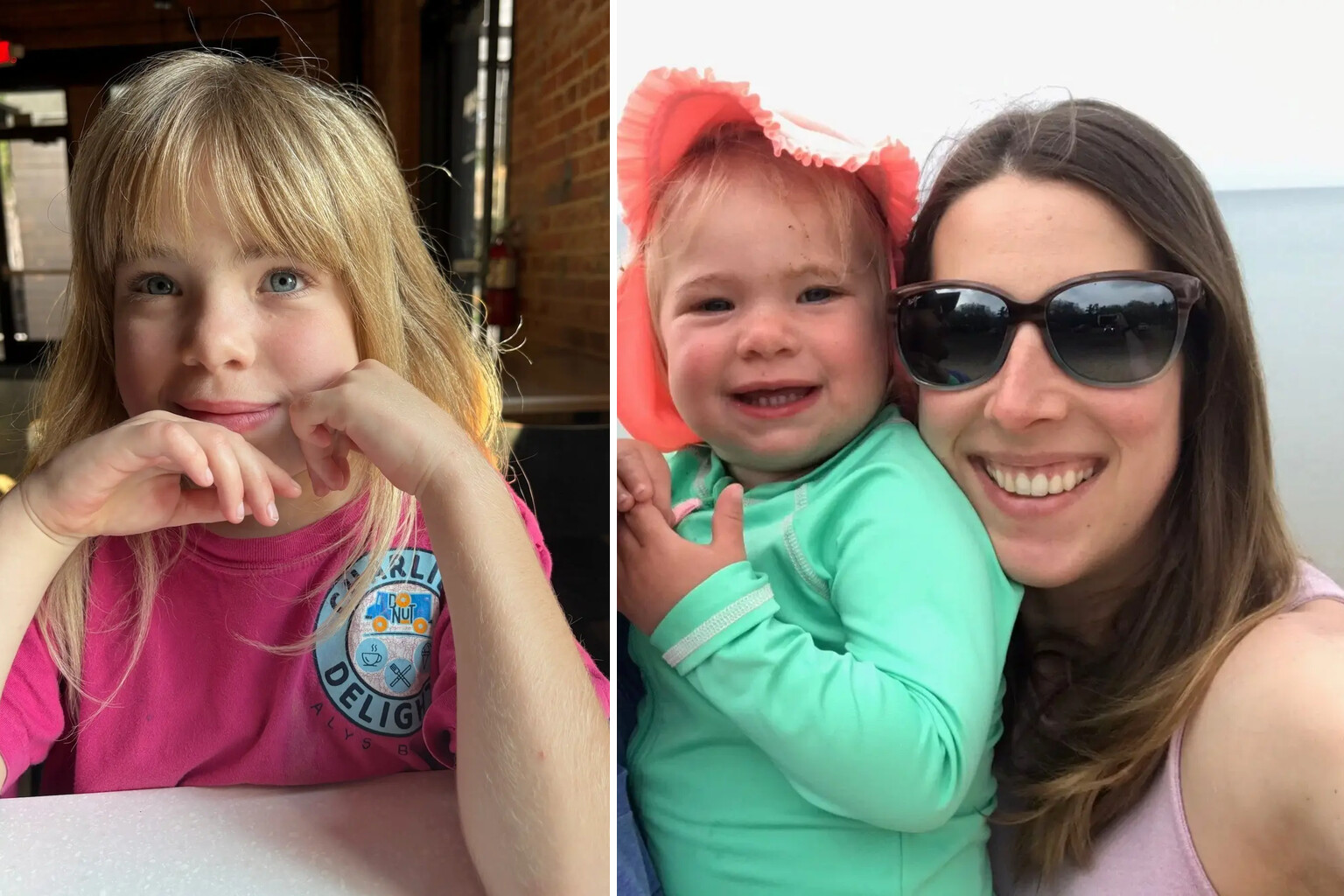
Chelsea Walline has revealed the subtle developmental delays she noticed in preschool that she now recognizes as early signs of her daughter’s rare fatal condition.
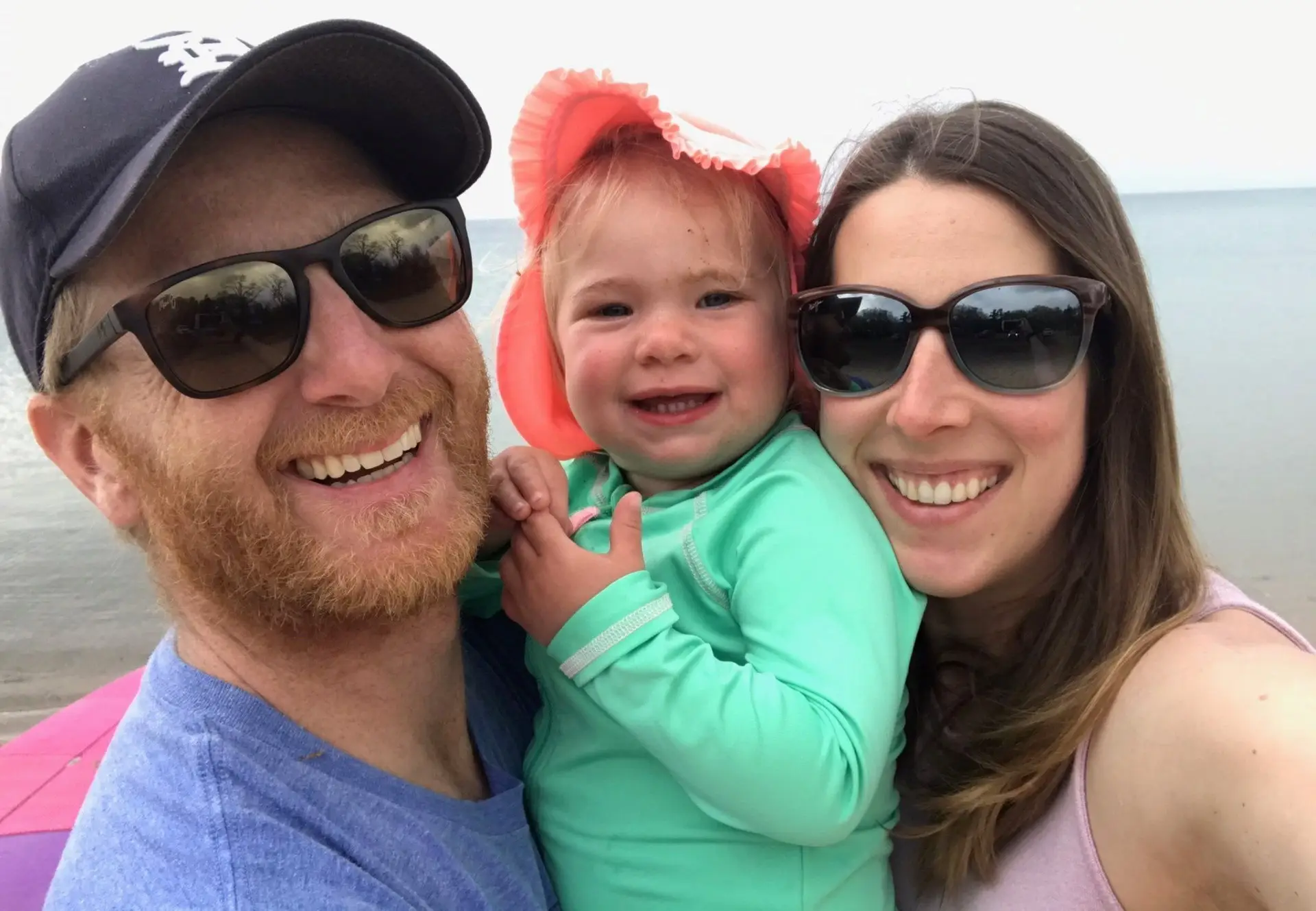
David, 41, and Chelsea Walline, 39, an accountant from Traverse City, Michigan, watched their daughter Elle, now eight, struggle to keep pace with her peers from a young age. The gaps were easy to dismiss at first, but they accumulated into a pattern that eventually led to a devastating diagnosis.
“One of the most obvious examples was when she was learning her ABC’s; you could see how she would struggle to remember them. If she was speaking, she would stop at five-to-seven-word sentences, and she wasn’t able to repeat a basic story back to us,” Chelsea said.
Elle’s verbal limitations became a daily reality. Her sentences consistently topped out at five to seven words, and she could not retell even basic narratives to her parents. On the soccer field, she would run alongside other children but never actually kick the ball, her parents observed.
The Wallines enrolled Elle in physical and speech therapy at age five, seeking answers for her developmental gaps. Neuropsychological testing followed, yielding diagnoses of autism and cognitive impairment that initially seemed to explain what they were seeing.
“For us, the diagnosis made sense,” David said. “We worked closely with the school to get to this point, and they were able to give her more support.”
Genetic testing brought a far more severe truth. On June 3, Elle was diagnosed with Sanfilippo syndrome type C, a rare inherited lysosomal storage disorder that causes progressive neurological and physical decline. The Cleveland Clinic notes that the condition produces worsening cognitive, behavioral and physical symptoms over time and can lead to premature death.
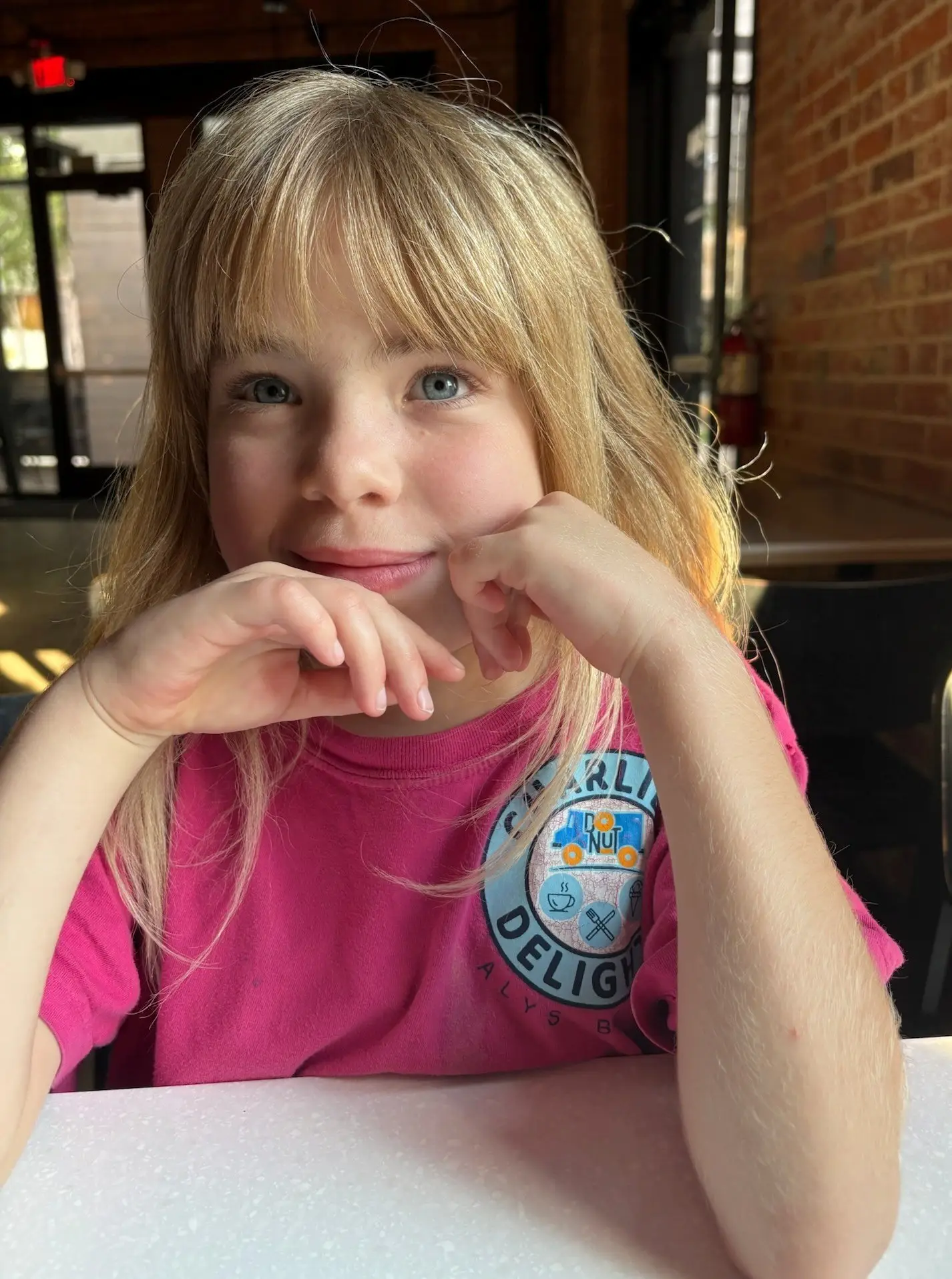
“To hear a doctor tell you that your child’s life expectancy will be into their teenage years, when they are already seven, is the most heart-breaking thing,” Chelsea said. She and David were left blindsided and devastated by the prognosis they received.
Doctors told the couple that Elle would lose her ability to walk, talk and remember them, with no available cure for her specific condition. Sanfilippo syndrome type C represents a slower-progressing subtype than type A, but it shares the same terminal trajectory without intervention.
The Wallines have since focused their efforts on advancing gene therapy research. The treatment has gained approval for type A patients, but no clinical trial yet exists for type C. Elle’s parents are now working to raise $2.5 million to push the treatment into trials for children with her subtype.
“In theory, if we could get the money to them by Christmas, we could get Elle and the other type C children benefiting from this,” Chelsea said.
Their fundraiser, hosted on givebutter.com, describes Elle’s full medical picture. “Alongside Sanfilippo, Elle also faces autism, epilepsy, hearing loss, intellectual disability, anxiety, sensory challenges, and significant speech and language delays. She works incredibly hard every day through ABA therapy, speech therapy, occupational therapy, medical appointments, and ongoing testing,” her parents wrote on the page.
Despite the mounting challenges, the Wallines emphasize their daughter’s resilience. They say she continues to show them what courage looks like as she moves through her intensive daily therapies.
The fundraising push comes as families with Sanfilippo children increasingly turn to crowdsourced research funding, with gene therapy representing the most promising avenue for altering the disease’s course. The Wallines’ campaign aims to compress the typical research timeline by directly financing the transition to type C clinical trials.
Elle’s parents continue to share their story publicly as they work toward their $2.5 million goal.