

A British celebrity lost his High Court bid Tuesday to keep his name out of a sexual misconduct investigation, with the judge ruling that press freedom outweighed the star’s fears that publication would destroy his bond with his son.
The unnamed performer, identified only as “PPT” in court documents, had argued through his lawyers that his relationship with his child could be “lost or seriously damaged” if the allegations became public. His legal team pressed the family-life argument heavily, also warning that the impact of his death, serious self-harm or prolonged psychiatric hospitalization would devastate the boy.
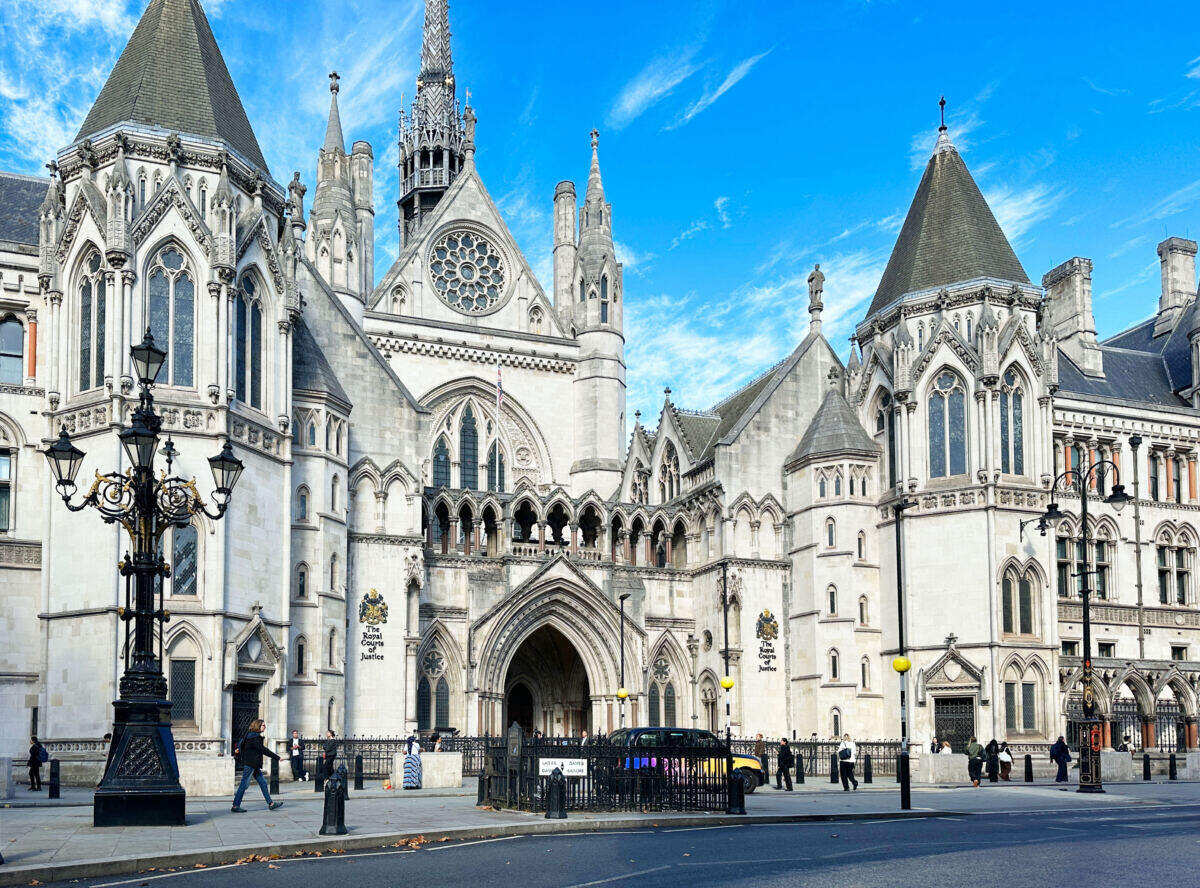
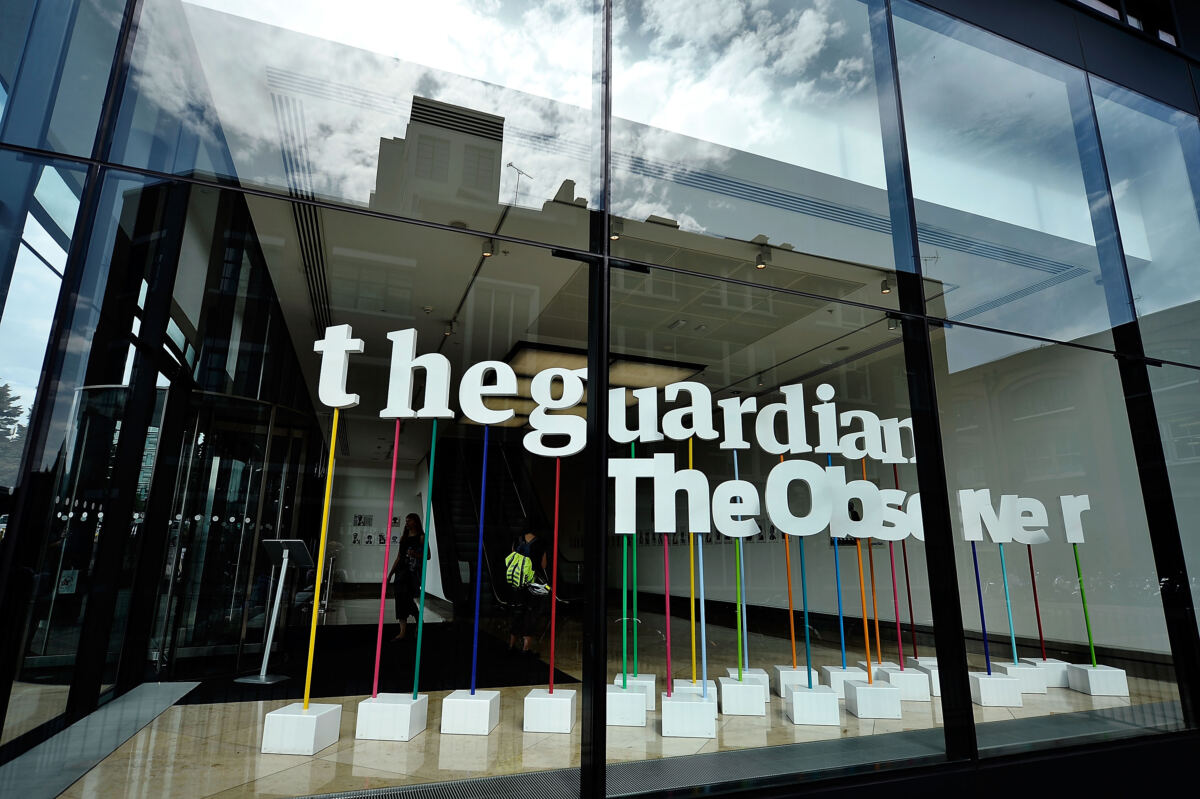
Judge Matthew Nicklin gave that family-life claim “very substantial weight” in his ruling but ultimately sided against the celebrity. The judge found that an injunction would amount to an exceptionally serious interference with ITN and the Guardian’s freedom of expression, and that the proposed reporting concerned matters of substantial public interest.
The outlets have said their investigation drew on interviews with more than 100 people, including more than 30 sources with firsthand accounts, plus a review of contemporaneous documents. The celebrity stands accused of using his fame and influence to pursue inappropriate sexual relationships with young women, some considerably younger than him. Some of the alleged conduct could amount to criminal offenses if proven.
The celebrity denies all allegations.
His mental health deteriorated sharply after ITN and the Guardian sent him letters seeking comment in May, the court heard. He has a history of depression and suicidal thoughts, and Judge Nicklin found that the prospect of publication would substantially increase his risk of suicide.
Beyond the family-life argument, the celebrity attempted to block publication on grounds that it would violate his rights to life, privacy and protection from degrading treatment. Judge Nicklin dismissed those claims as well.
The judge stressed throughout that the case was not about determining whether the sexual misconduct allegations were true.
Although the celebrity lost his bid to stop the reporting, his identity remains protected for now while he weighs a possible appeal. The temporary reprieve gives his legal team a narrow window to challenge the ruling before the outlets can name him.
The case has drawn intense attention to the tension between press freedom and individual privacy in Britain, particularly when mental health and family relationships hang in the balance. Judge Nicklin’s ruling marks a significant moment for media organizations pursuing investigations into powerful figures, establishing that public interest can override even deeply personal concerns about familial damage.

The celebrity’s legal team had painted a stark picture of the consequences of naming him, weaving together the threads of parental love, psychological fragility and the potential for irreversible self-harm. Their arguments failed to carry the day, but the judge’s acknowledgment of their weight ensures the case will likely be cited in future privacy battles involving public figures and their families.