


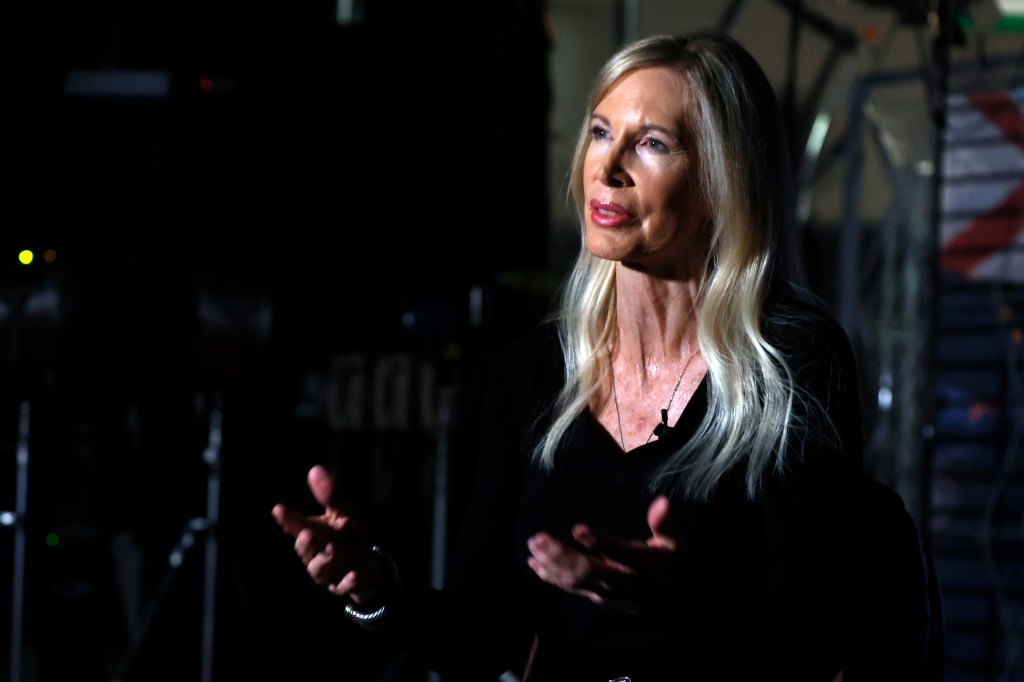
Beth Holloway has spoken on camera about confronting her daughter’s suspected killer face-to-face in the hours after Natalee vanished in Aruba.
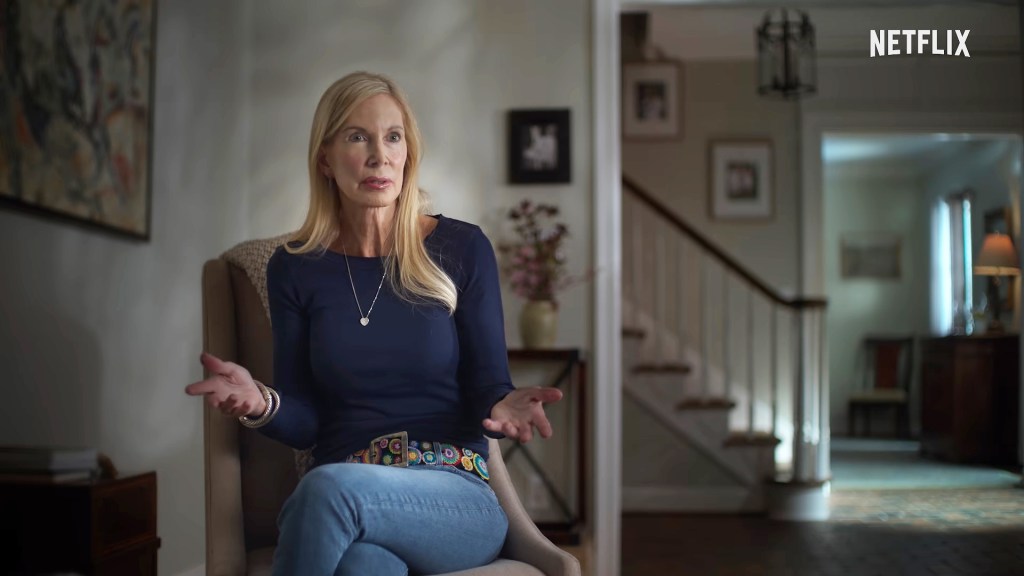
The Alabama mother rushed to the Caribbean island in May 2005 after 18-year-old Natalee Holloway disappeared during a high school graduation trip. Armed with descriptions from Natalee’s friends, Beth tracked down Joran van der Sloot at his family home. “The only thing going through my mind was, ‘Find this guy, get Natalee, bring her home,” she recalled in the Netflix docuseries “Taken: Natalee Holloway.”
During that confrontation, van der Sloot allegedly told Beth that he had kissed Natalee on a beach, then dropped her at her hotel where she stumbled from the car, hit her head, and was assisted inside by security guards. Beth knew in her “gut” that he was lying. “I don’t know what parts of that [account] are true, but I knew that he knew what happened to her. I decided, ‘Tag, you’re it,'” she said. She added, “I looked at that gray Honda and I thought, ‘Could Natalee be in that trunk?'”
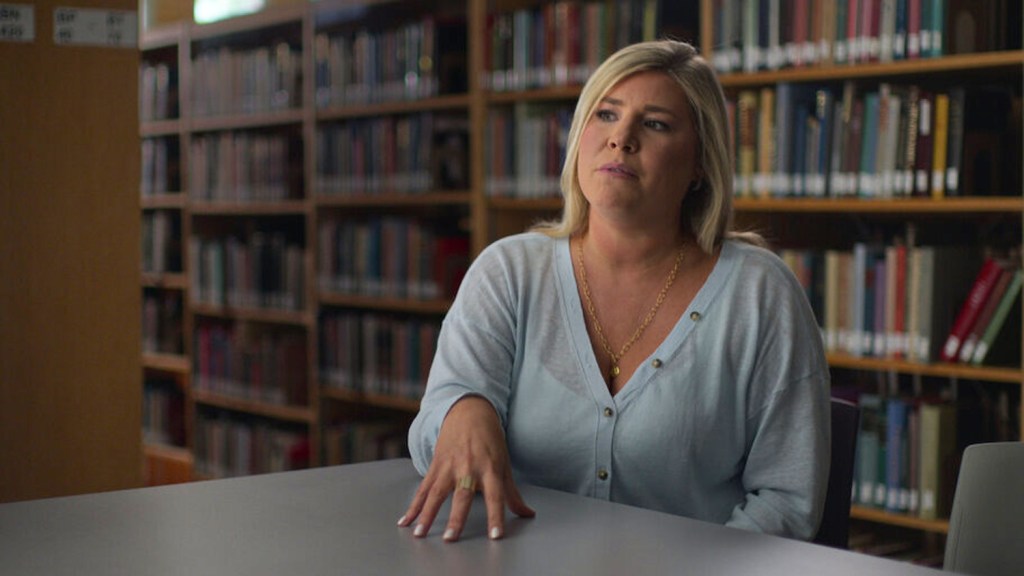
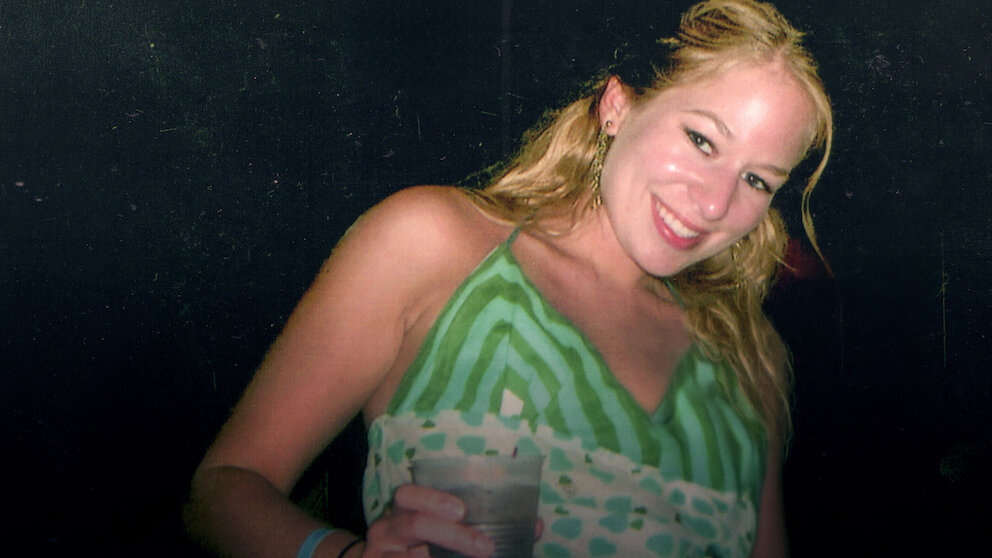
Natalee’s friend Madison Greer explained why the group initially wasn’t alarmed when Natalee left a bar with van der Sloot and two Aruban brothers, Deepak and Satish Kalpoe, on May 30, 2005. “When one of my friends saw Natalee in a gray Honda Civic with Joran [van der Sloot] and two Aruban guys driving, we were not really worried,” Greer said. Taxis on Aruba were unmarked ordinary cars, she noted, and Natalee had been in high spirits, “hanging out of the car, and saying like, ‘Aruba!’ reports said ‘Aruba!’ back. And then, she drove off.”

Greer added, “There’s no doubt in my mind that [Natalee] thought, ‘[The Kalpoe brothers] are local taxi drivers, and they’re gonna take me where we want to go, and then [back] to the hotel.'” Van der Sloot, then 17, had told the American teens he was a college student from Holland, Greer said.
The investigation’s early days were marked by frustration and what Aruban police chief Gerold Dompig called overwhelming pressure. “We couldn’t find forensic evidence, but we had so much publicity – so much pressure on Aruba,” Dompig said onscreen. Before arresting van der Sloot, police first detained two hotel security guards based on his account that he had dropped Natalee off. “Everybody looking from the outside was only focused on Joran, but the investigation has a certain tactic that you first eliminated the noise. The security guard was noise. But to exclude them, we have to investigate,” Dompig explained.
That tactic eventually yielded results. After arresting the guards, police obtained video footage proving van der Sloot had lied about dropping Natalee at her hotel. “We needed to find that stuff which you can use to corner the suspect. We hoped that he would start to break down,” said Dompig. “Normally, underaged suspects break down under interrogation. I was convinced that we were ready to try to get a confession. But Joran was very difficult to interrogate.”
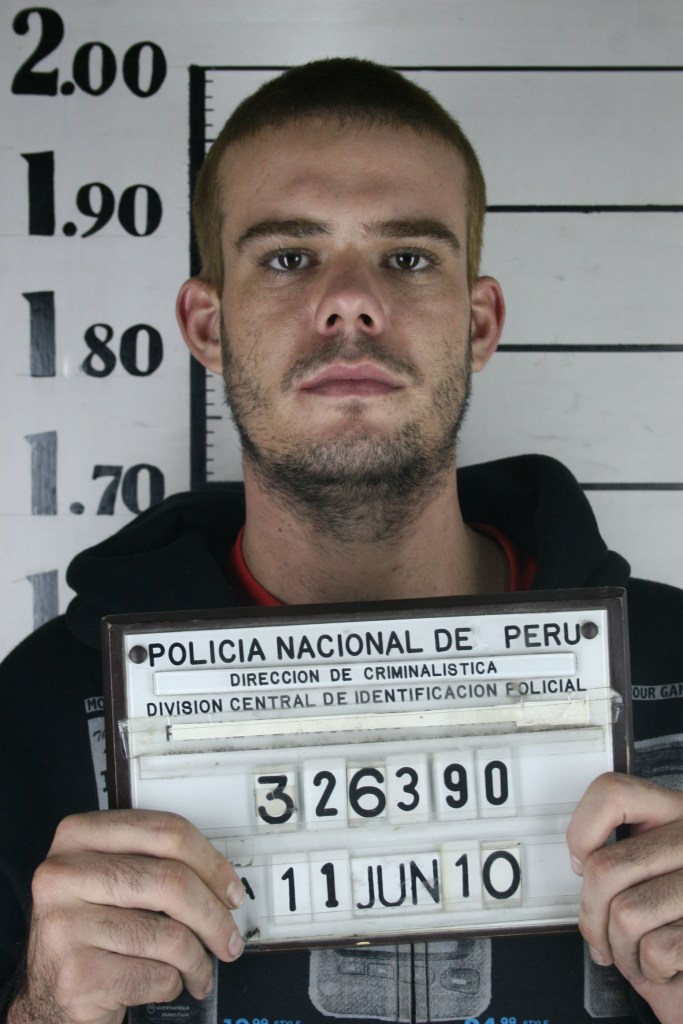
Van der Sloot changed his story roughly 40 times, Dompig said, and his behavior revealed a troubling pattern: “He liked being the dominant one, the center of attention.” The investigation faced another obstacle when van der Sloot’s father, Paulus, emerged as an attorney on track to become a judge in Aruba. “That complicated matters seriously, because he had more visiting rights…His father being a judge in training was a problem for us, because he could give his son certain advice,” Dompig said. Investigators found that Paulus allegedly told his son, “if there’s no body, there’s no crime.”
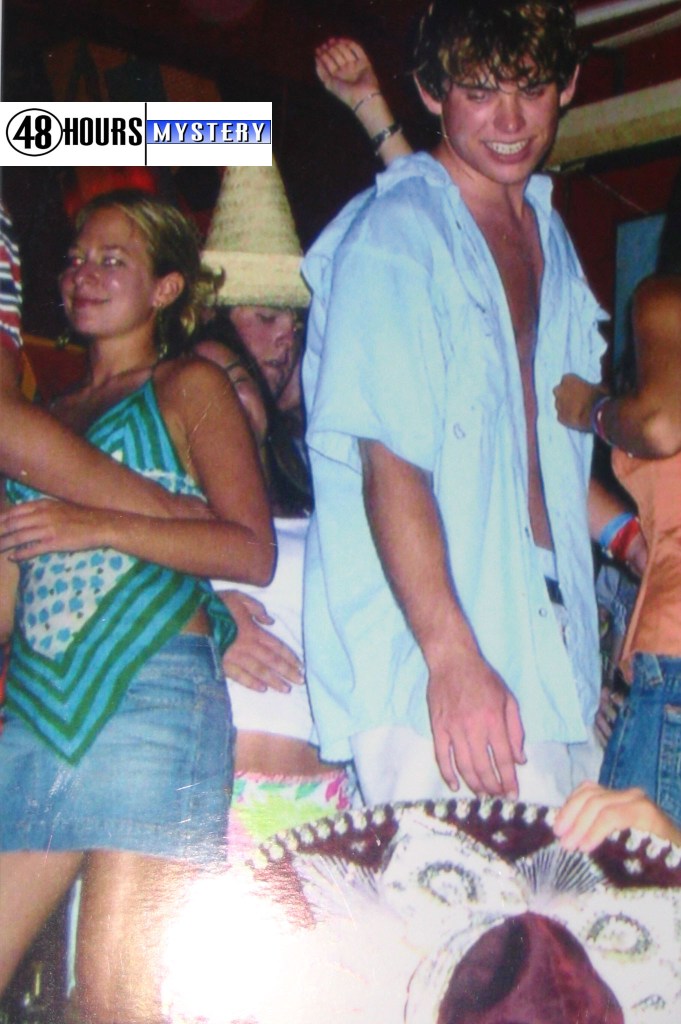
Police held van der Sloot for several weeks but released him on Sept. 3, 2005, for lack of evidence. “The main thing that was lacking in this case was that we never found Natalee,” Dompig said.
The prolonged investigation angered Natalee’s friends. “It was frustrating watching the news and wanting to have something happen,” Greer recalled. “It made us all very angry that it was taking them this long. Why are we not arresting him?” Aruban journalist Dilma Arends Geerman noted the local pain of the case: “Having somebody go missing is almost a slap in the face, we take care of our people.” Businessman Charles Croes, who helped Beth search, explained that Aruba’s tourism-dependent economy created pressure to maintain its reputation for hospitality.
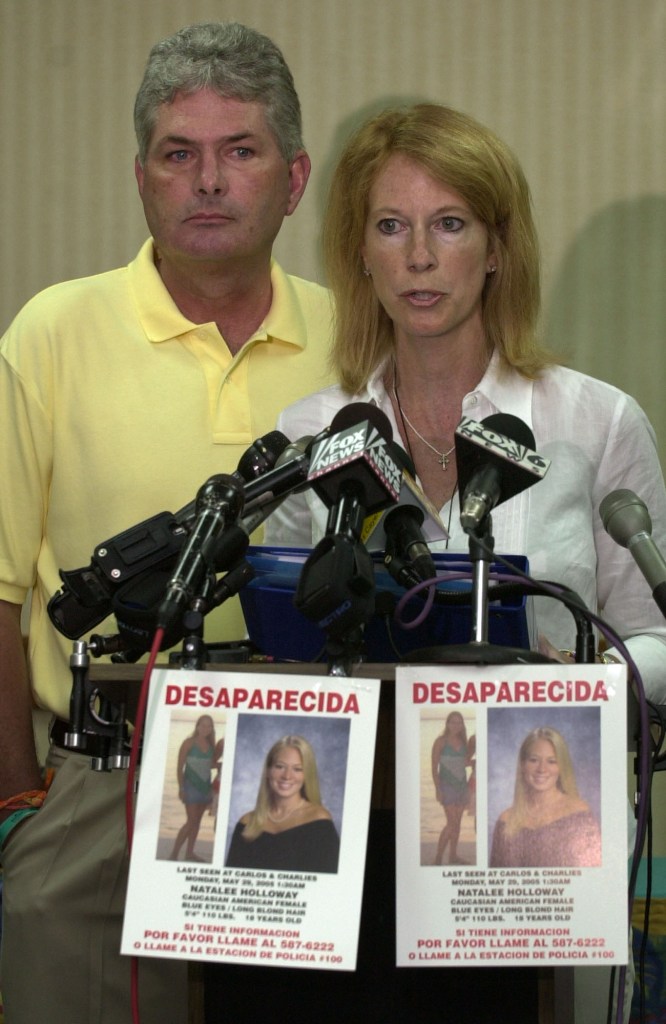
In 2010, van der Sloot contacted Beth’s attorney, John Q. Kelly, with an offer. “I will take you to Natalee. In return, I want to receive $250,000,” the email allegedly read. Kelly thought it was “complete bulls–t” but saw an opportunity. “I knew he had no intention of giving any truthful information whatsoever, but I told Beth there might be a play to get him trapped with extortion and fraud charge,” Kelly explained. American authorities lacked jurisdiction in Aruba but could extradite van der Sloot to the United States.
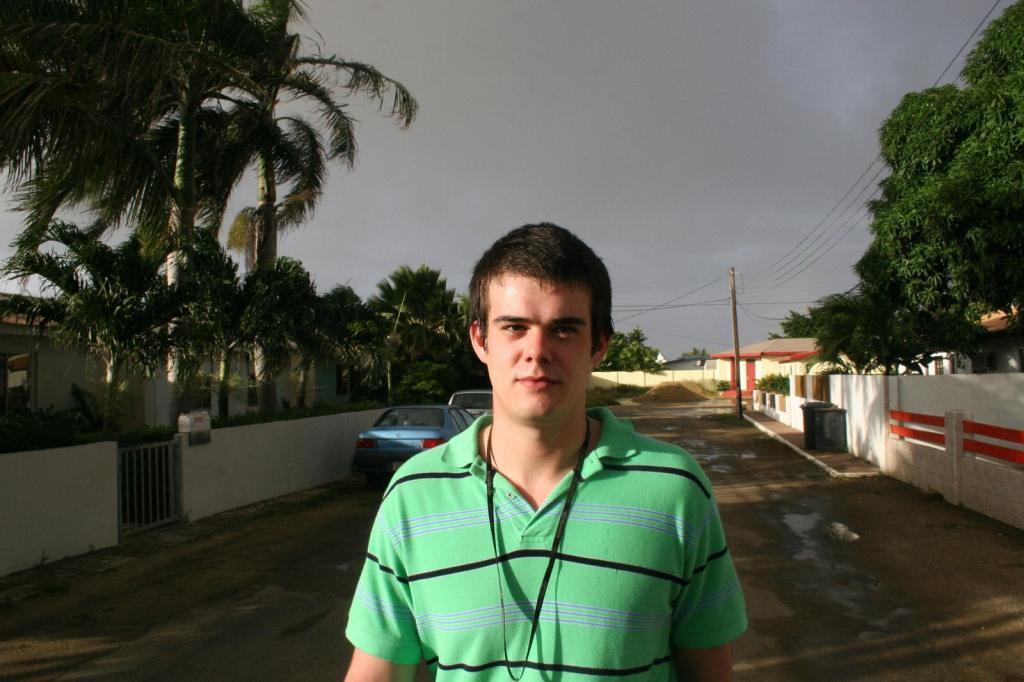
Kelly flew to Aruba, gave van der Sloot $25,000, and heard a fabricated story about Natalee’s body buried in a house’s cement foundation. “I pretended like I believed this,” Kelly said. “In theory, Joran took twenty-five grand, had a good laugh, and went about his merry way. It didn’t bother me at all, because I knew how it was going to play out.” FBI investigators confirmed the house hadn’t been under construction in 2005. Before they could act on extortion charges, van der Sloot murdered 21-year-old Peruvian student Stephany Flores Ramírez in 2010.
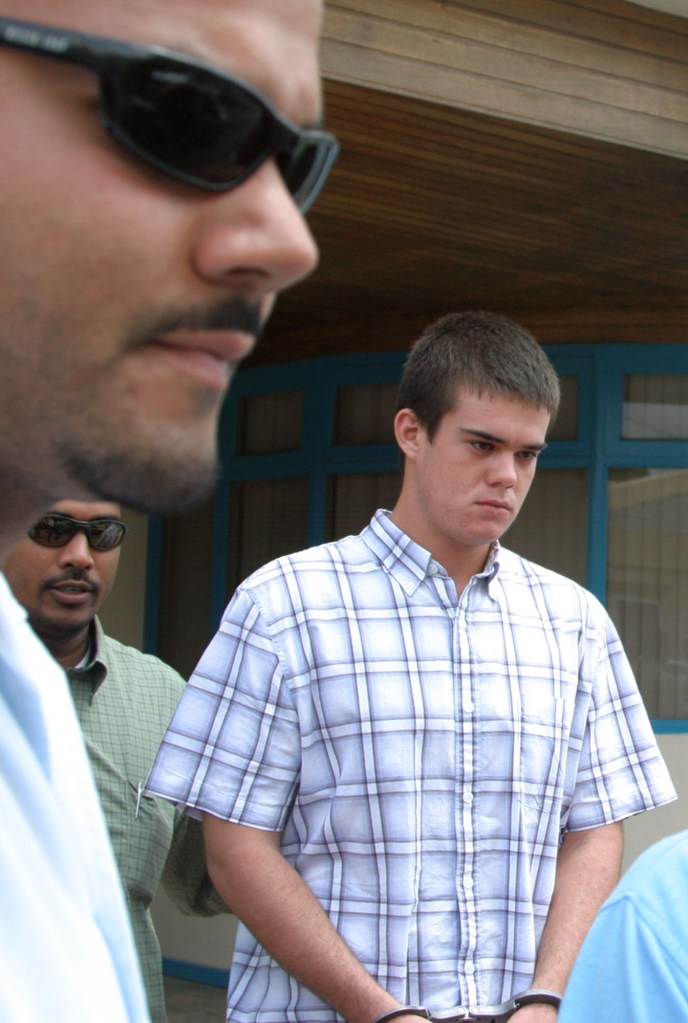
“I remember being angry. This could have been prevented,” Greer said of the Peru killing. Beth called it “devastating.” “Another young girl has lost her life, five years to the date that he murdered Natalee. I mean it was sickening. I knew he would kill again. He’s just a time bomb,” she said. Dompig was “shocked” by the news. “Sadly, the fact that we couldn’t find forensic evidence and he got away with the Natalee case made him more dangerous. I think if he was not in prison, he would kill again.”
Van der Sloot pleaded guilty to Flores’s murder in 2012 and received a 28-year sentence. In 2023, FBI agents extradited him to Birmingham, Alabama. Retired agent Alexandra Montilla, who flew with him from Peru, described him as “charismatic, easy to talk to…people are drawn to him. He comes off as a very educated man.” During the flight, van der Sloot allegedly described how he had ripped the head off his daughter’s pet rabbit after it scratched her, then casually moved to other topics. “I’ve dealt with a lot of criminals, and as a female, I thought, ‘this is probably one of the most dangerous ones,'” Montilla said.
In Alabama, van der Sloot confessed under polygraph to bludgeoning Natalee to death on an Aruba beach, claiming he waded three yards into the ocean to dispose of her body. Retired FBI agent Michael Leverock, his polygraph examiner, said the detail troubled investigators. “The one part of the story that everyone had a problem with is that 3 yards out into the water, it just doesn’t sound right. Generally, you can’t just put somebody in the ocean. They’re gonna wash up,” he recalled. However, Leverock had recently learned that the area has “an offshore wind,” meaning “if something happens [to a person] out there, they’re not coming back in.”
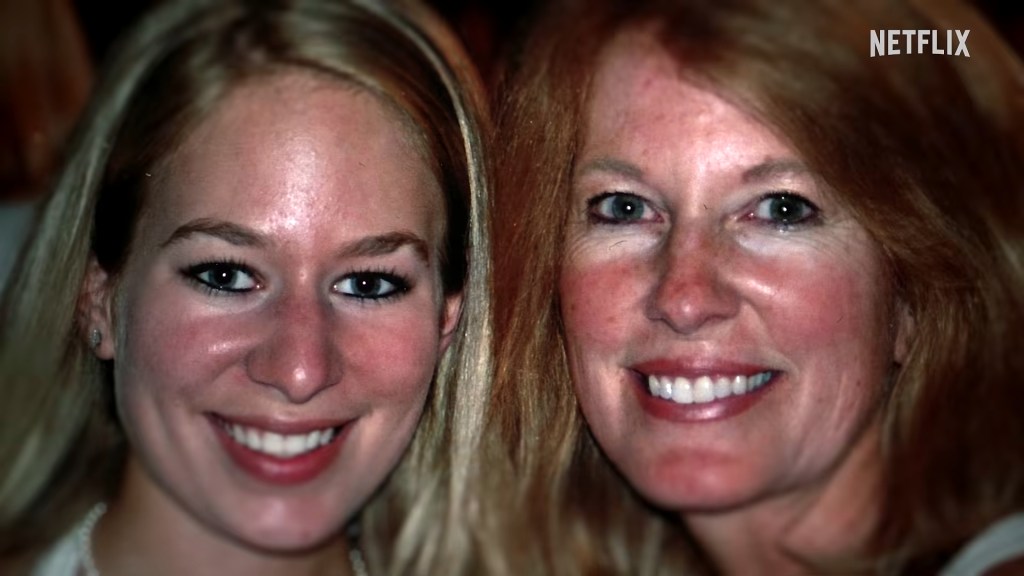
Beth found the confession agonizing but necessary. “Hard to hear, horrible to hear, but I had to hear it. The not knowing is the most torturous part,” she said. Van der Sloot is currently serving his sentence in Peru.
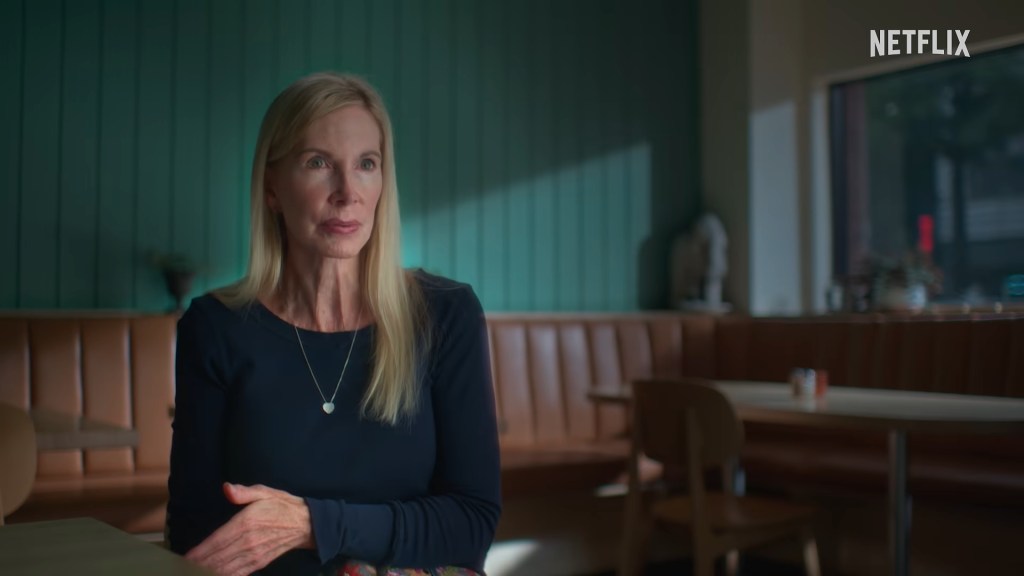
“Taken: Natalee Holloway” is now streaming on Netflix.