

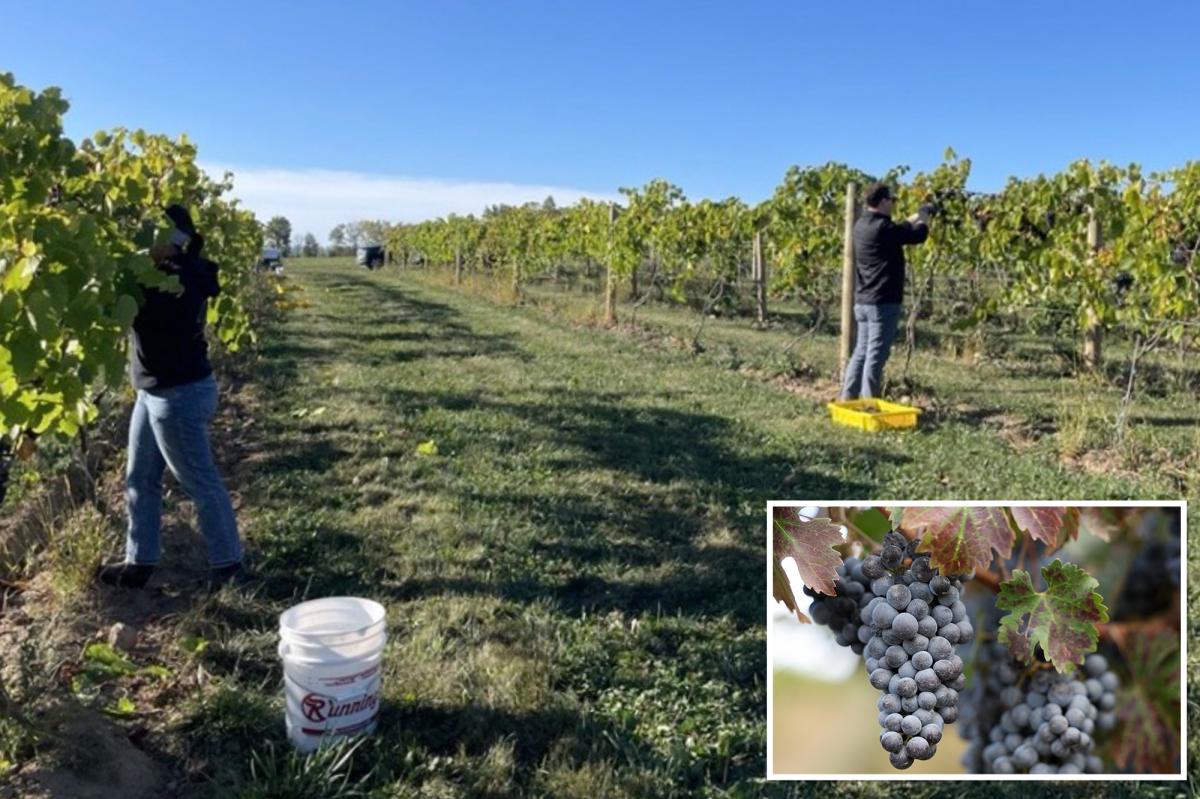
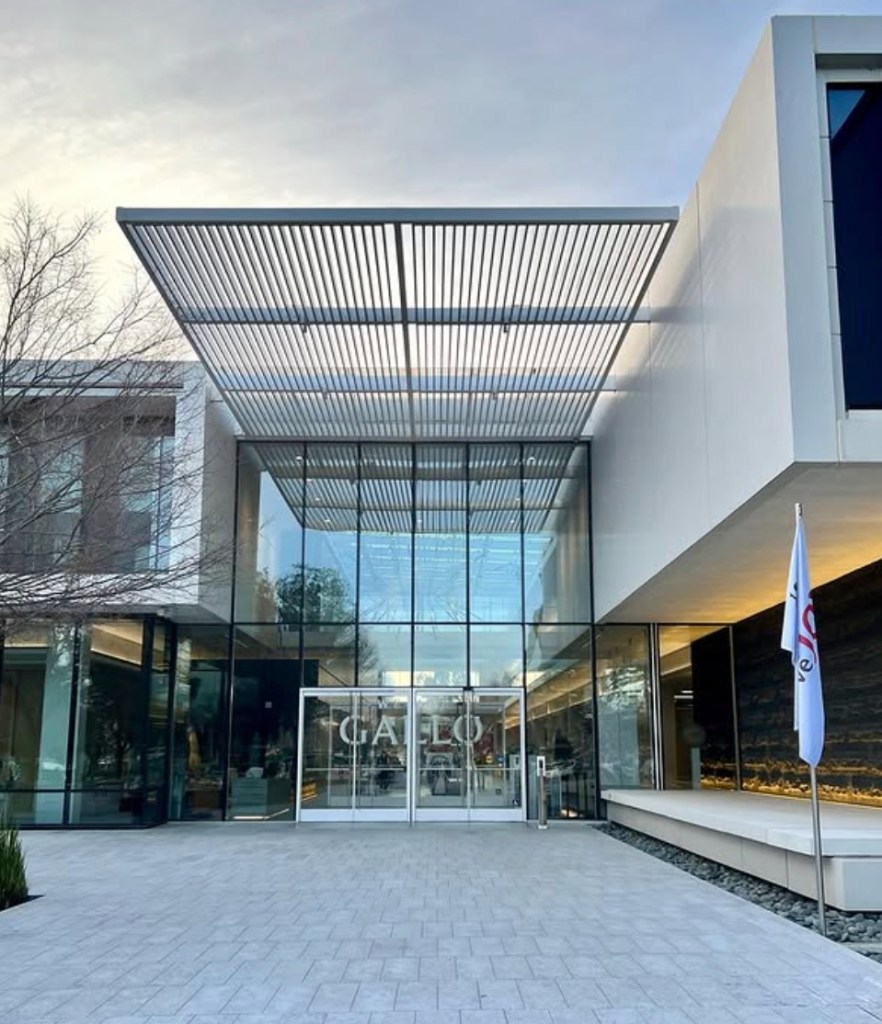
G-3 Enterprises is laying off 66 workers at its Modesto wine-cap facility as the California wine industry faces what company leadership called “significant headwinds.”
Laura Bream, the company’s vice president for human resources, sent the notice to employees this week, according to a Worker Adjustment and Retraining Notification letter filed with the state. Most of the affected employees work in wine cap closure operations and will be laid off between Oct. 6 and Dec. 31. G-3 Enterprises operates as a wine logistics company under E. & J. Gallo Winery, the largest winery in the United States.
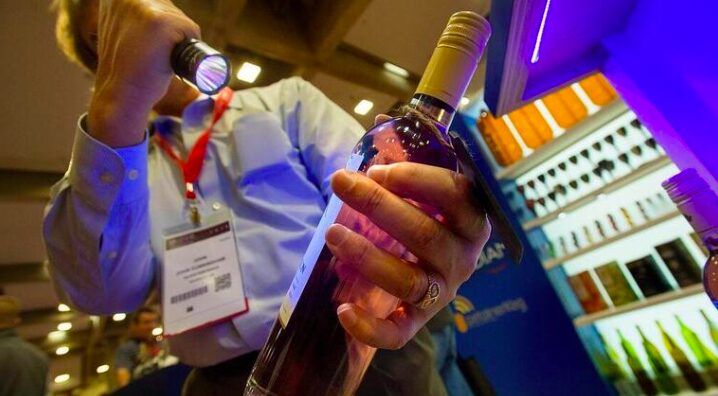
“Like many companies in our industry, we have experienced changes in customer purchasing patterns and production volumes,” Bream wrote in an email to staff. “While these changes have contributed to the need for restructuring, they reflect broader market dynamics affecting the entire wine sector.”
The Modesto layoffs arrive amid a historic shift in American drinking habits. A 2025 Gallup poll showed a record-low 54% of Americans reported consuming alcohol, with the 46% who abstained representing the largest percentage since the poll began in 1939. The pollsters noted the decline coincided “with recent research indicating that any level of alcohol consumption may negatively affect health.”
“This has been a sharp reversal from previous recommendations that moderate drinking could offer some protective benefits,” Gallup noted in its findings.
Wine has suffered disproportionately as younger consumers turn away. Industry observers have tracked particular disinterest from Gen Z and millennials, demographics that have not embraced wine culture at rates comparable to prior generations.
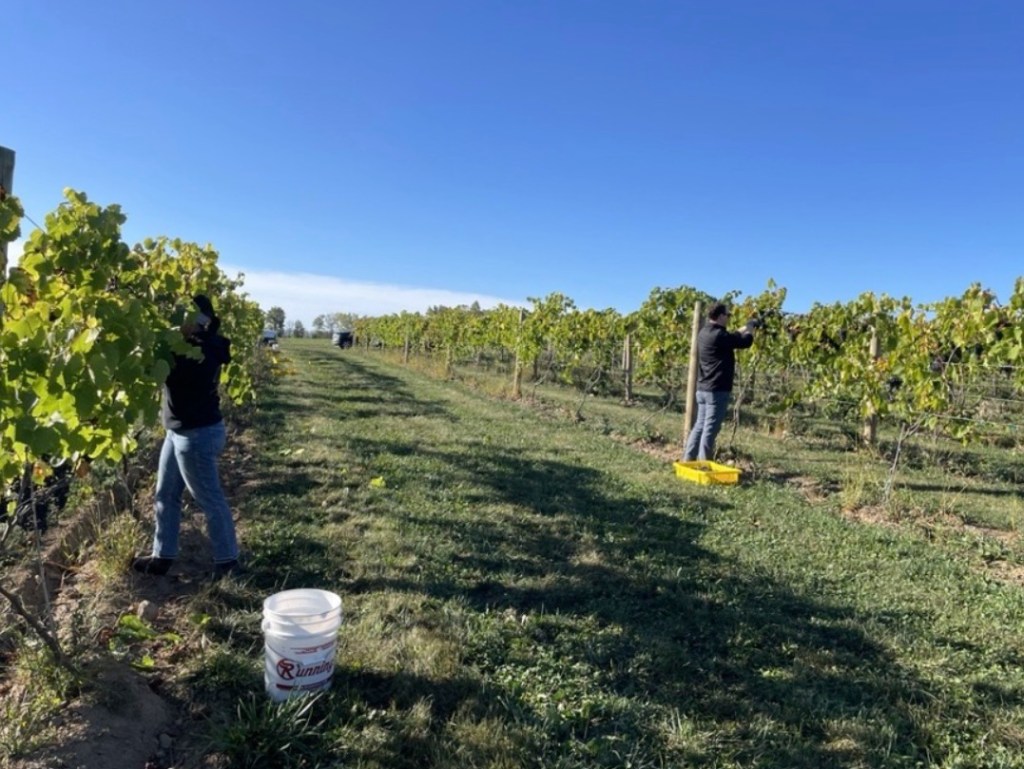
Jon Phillips, a California winery owner, told The California Post in February that he believed the wine industry is dying because baby boomers, historically the top wine-consuming generation, are aging out. “A lot of people have a misconception that the boomers are drinking less,” Phillips said. “This cannot be emphasized enough: It’s not because the boomers are drinking less, it’s because there are less boomers.”
Phillips suggested the generational gap reflects timing rather than permanent rejection. “I think it’s just really just a timing and more [of] a maturity [thing],” he continued.
Rob McMillan, wine business analyst at Silicon Valley Bank, expressed a similar assessment to the Los Angeles Times. “At this point, the entire industry, and it’s not just California, recognizes that there’s a consumer change,” he said.
The G-3 Enterprises cuts follow a wave of winery closures in California’s premier growing regions this year. Carneros Hill Winery, which was Gallo-owned, and Ranch Winery both shuttered operations in Napa and Sonoma counties. The consolidation signals stress throughout the supply chain, from grape growers to packaging suppliers like G-3.
McMillan maintains the industry is approaching its lowest point. He believes the rock bottom for the sector is near and anticipates stabilization ahead, though the timeline for recovery remains uncertain.
The broader shift away from alcohol has transformed from health-trend curiosity into economic force. The Gallup data captures a decades-long trajectory accelerating rapidly: what began as modest fluctuation in drinking rates has become a structural reorientation of American consumption, with wine — once the beverage of choice for aging professionals and dinner-party hosts — now struggling to find its place in a culture increasingly oriented toward sobriety, wellness, and alternative social rituals. The California wine sector, which built its global reputation on boomers’ aspirational lifestyles, now confronts the mathematical reality that its core customer base is shrinking while the generations behind them show little inclination to pick up the corkscrew.
The layoffs at G-3 Enterprises will proceed in phases through the end of December, with affected workers entering a Stanislaus County job market where unemployment stood at 7% in June, well above the statewide rate of 5.2%.