A defense attorney revealed in federal court Friday that the two Ole Miss students found dead last month perished from starkly different causes: one from a cocktail of substances including cough syrup, the other from inhaling gas until he suffocated.
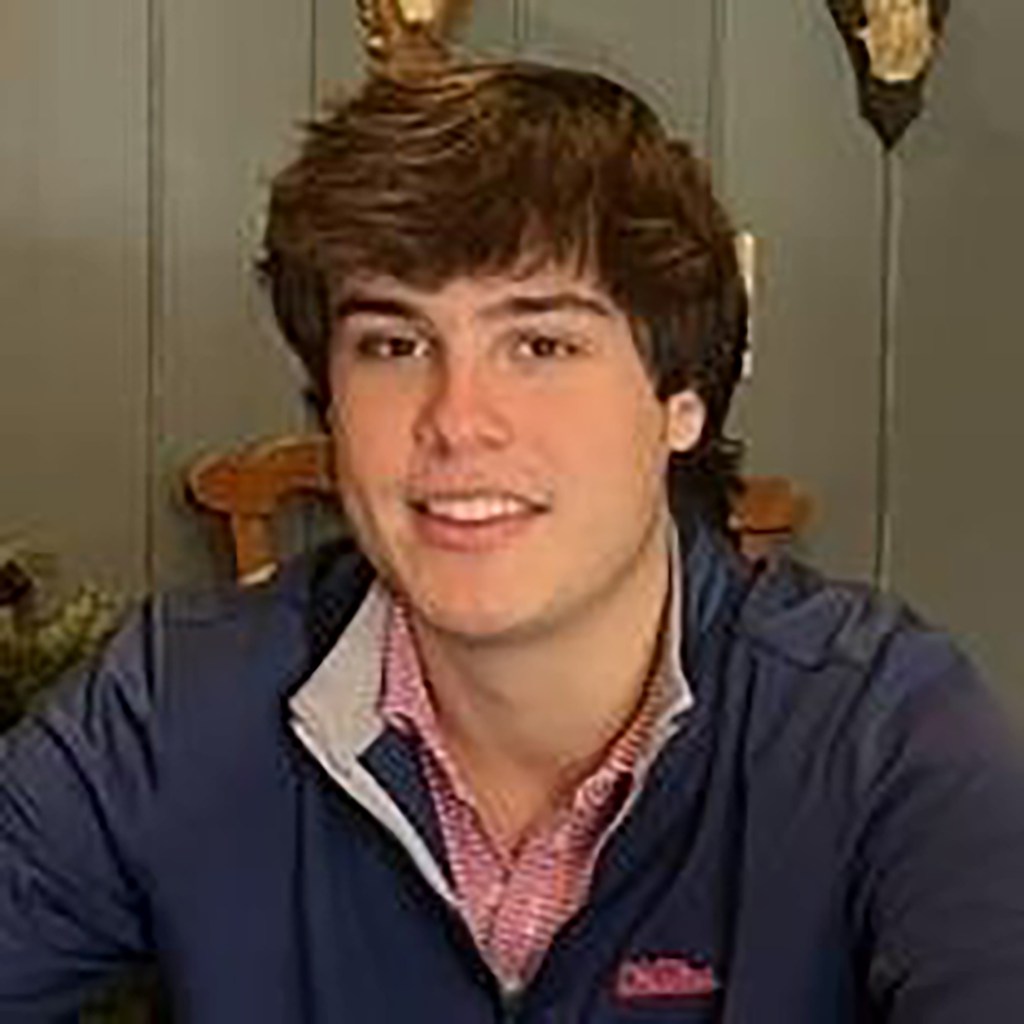
The disclosure came during a detention hearing in Mississippi for Yahya Mosleh, 51, and his son Islam Mosleh, 18, the clerks accused of selling illegal synthetic kratom pills to at least one of the victims. Aidan Hamilton, 18, and Robert Strang, 20, both University of Mississippi students, were discovered dead on Sept. 21 in separate locations roughly an hour apart.

Toxicology screens showed both young men had mitragynine pseudoindoxyl, MGM-15 and 7-OH in their systems at death, according to court records obtained by investigators. These compounds match the contents of SMAX Pseudo-DHM tablets recovered from both scenes, a product the Drug Enforcement Administration classified as a Schedule I controlled substance through an emergency order issued in August.
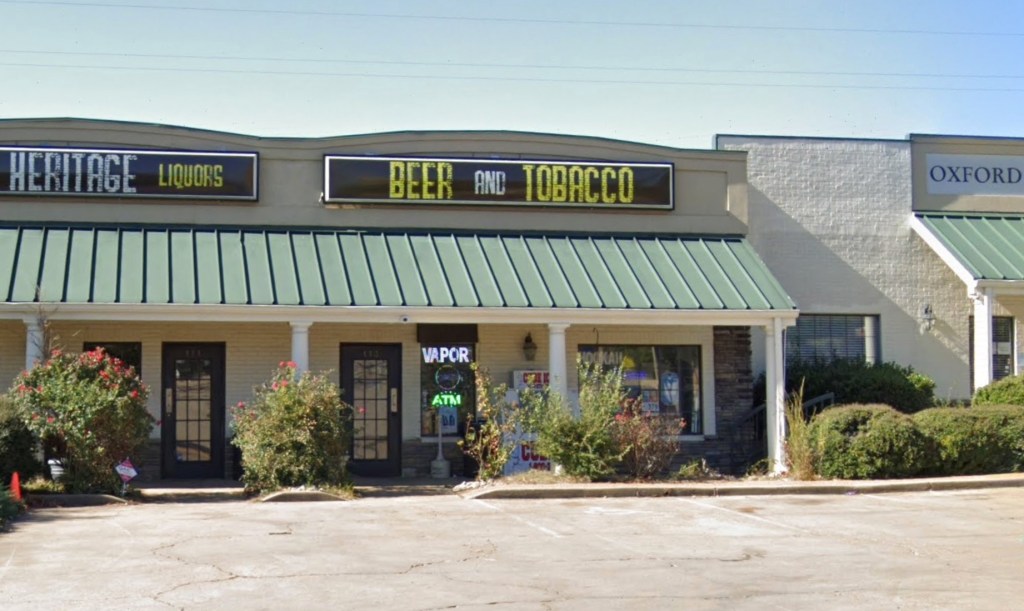
Hamilton had purchased the SMAX pills twice from Puffs Vape, Tobacco and Beer in Oxford in the days leading up to his death, authorities believe. His roommate told investigators that Hamilton smoked marijuana heavily and had developed a persistent cough from it, according to the criminal complaint.
Caleb Easter, an agent with the Lafayette County Metro Narcotics Unit, testified that Hamilton was already in rigor mortis when authorities reached his dorm room. Easter said Hamilton had white foam around his mouth and blood in his teeth, according to courtroom reporting.
The defense attorney’s revelation about cause of death painted a split picture: Hamilton died from combined use of multiple substances including cough syrup, while Strang’s death was ruled inhalation asphyxiation.
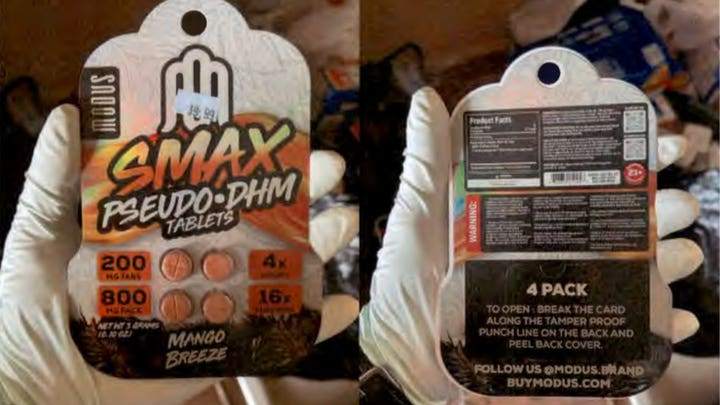
Strang had bought dangerous products from another smoke shop about 20 miles from Oxford, investigators said, though he also made purchases at Puffs. When police found him not breathing and frigid to the touch in his off-campus apartment, they recovered 20 to 30 nitrous oxide canisters from the scene. His roommates told authorities he frequently used “whippets,” and he had also taken Xanax. SMAX pills sat on his nightstand.
The Moslehs were arrested after an undercover operation on Sept. 24, three days after the students’ deaths. An agent entered Puffs and requested 7-OH kratom pills, according to the criminal complaint. Yahya Mosleh allegedly unlocked a drawer beneath the register and produced a selection containing mitragynine pseudoindoxyl.
“[Yahya] told the informant to be careful taking these pills because people were dying from them,” the complaint reads.
Agents returned with a warrant and seized THC cartridges, gummies, pre-rolls and more than 500 units of kratom, court documents state. They also found multiple Schedule I controlled substances.
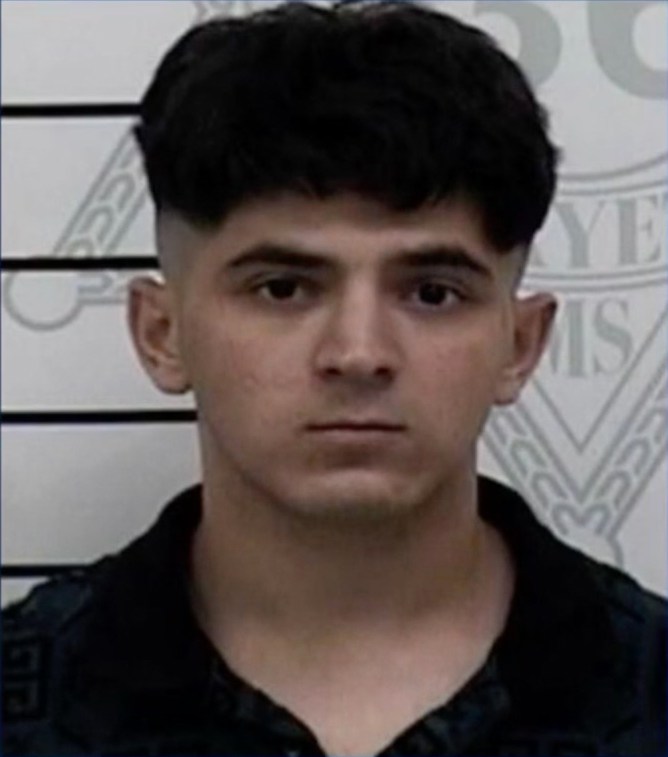
Yahya Mosleh remains in custody, while his son Islam is set for release on a $20,000 conditional bond. The store’s owner, Amer Alowdi, faces separate complications: he was indicted for alleged narcotics trafficking in 2022 but is accused of fleeing the United States before prosecution.
Federal prosecutors argued for detention in court, according to reporting from the hearing. “This case comes from several tragic overdose cases of students here in Oxford,” they said. “Evidence supports the detention… victims died of conditions consistent to overdoses.”
The emergency DEA scheduling in August made both MGM-15 and mitragynine pseudoindoxyl illegal to buy or sell, placing them alongside heroin and LSD as substances with no accepted medical use and high abuse potential. The SMAX Pseudo-DHM pills found at both death scenes contained all three flagged compounds.

Attorneys for the Moslehs declined to comment when approached.
The case has drawn attention from kratom advocates who dispute characterizations of the substance, though the synthetic variants involved here fall outside traditional kratom products. The natural plant-derived mitragynine in standard kratom differs chemically from the lab-created pseudoindoxyl form that the DEA emergency-scheduled.