

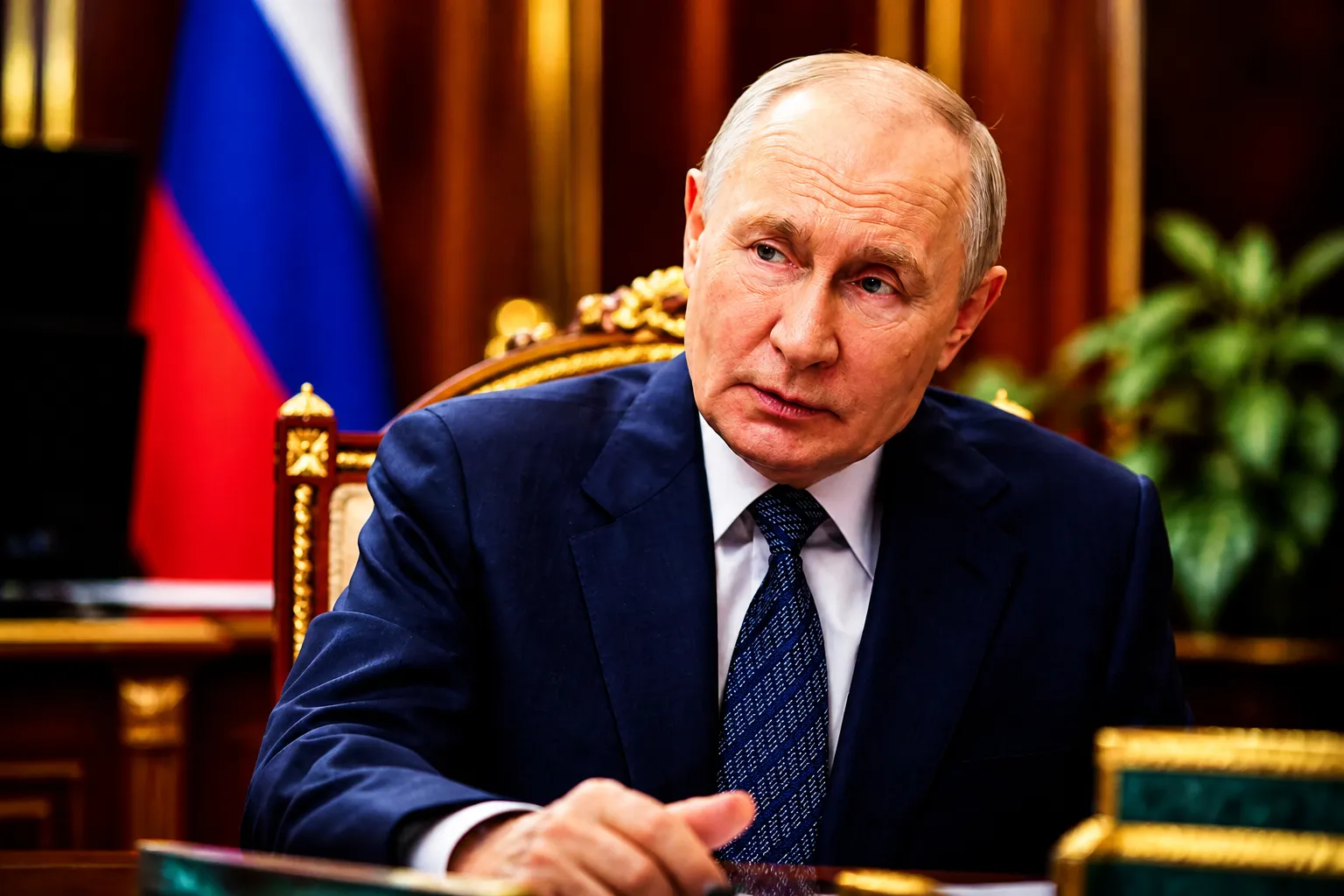
CIA Director John Ratcliffe made a secret trip to Moscow this week to deliver a blunt assessment directly to Vladimir Putin’s top spy.
Ratcliffe, 59, flew to the Russian capital for a clandestine meeting with Aleksandr Bortnikov, 73, chief of the FSB, Russia’s domestic intelligence agency, according to current and former officials familiar with the encounter. The sit-down took place outside the Trump administration’s official diplomatic channels, which are being handled by presidential envoy Steve Witkoff and Trump son-in-law Jared Kushner.
The CIA maintains its own long-standing backchannels with both the FSB and Russia’s foreign intelligence service, the SVR. Officials believe a direct message from America’s top spy might carry more weight with Putin than conventional diplomacy, given the Russian president’s own background as a former KGB intelligence officer.
Ratcliffe used the meeting to lay out a grim picture of how the war against Ukraine is actually going for Moscow, sources said. He pressed the Russians to get serious about striking a deal before their position deteriorates further.
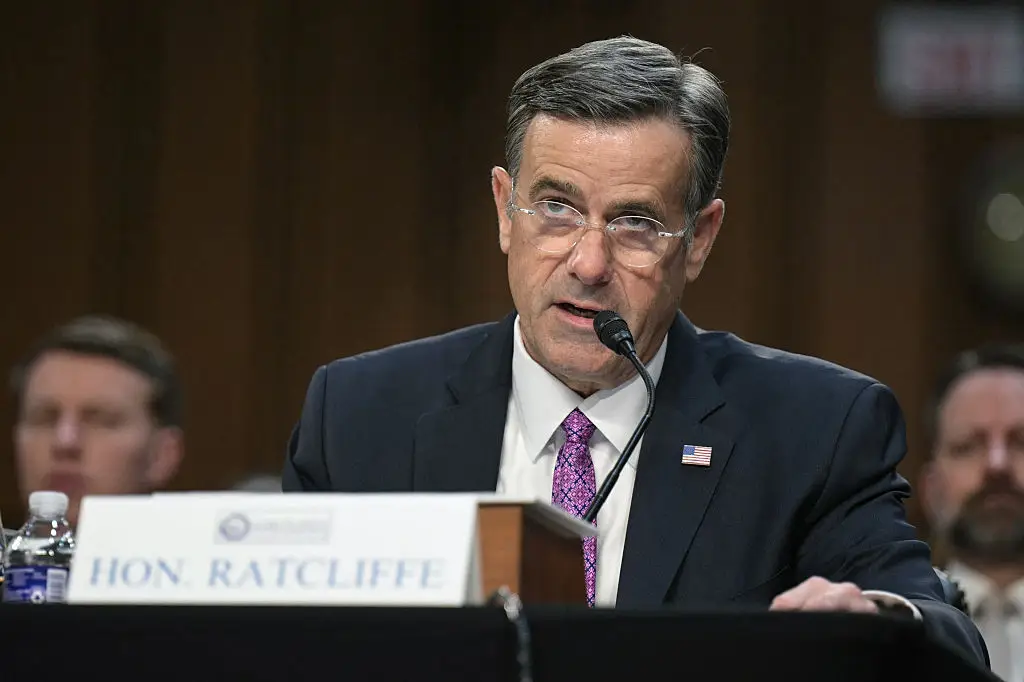

The CIA chief reportedly stopped short of threatening specific consequences if Putin ignored the warning and continued fighting. Instead, Ratcliffe framed his message around Russia’s increasingly bleak military and economic outlook, telling Bortnikov the moment had arrived for Moscow to pursue an end to the war through negotiations.
Some officials have wondered whether Putin’s inner circle has been fully honest with him about the extent of Russian setbacks on the battlefield. The report notes CIA analysts have harbored this suspicion for some time.
Trump and several senior advisers were reportedly confident as recently as last year that Russia was headed for a decisive victory in Ukraine. That assessment has not held up: Russian forces have suffered heavy losses since then, and their territorial advances have largely stalled out.
Whether Ratcliffe’s Moscow trip signals any actual shift in US policy toward Russia or Ukraine remains unclear. What does seem clear is that it fits a broader pattern from the Trump administration, which has been trying multiple angles to restart stalled negotiations as it becomes increasingly apparent Kyiv is not backing down in the east even as American military support has scaled back.
The Trump administration has been pursuing parallel diplomatic tracks on Russia-Ukraine negotiations, with Witkoff and Kushner leading official outreach while intelligence channels operate separately. The dual-track approach reflects the administration’s urgency to break the deadlock as the conflict drags on with no clear resolution in sight.
The secret Moscow meeting underscores the CIA’s continued role in high-stakes diplomacy even as the White House pursues more public-facing negotiations through political envoys.