

The Justice Department is preparing to issue dozens of grand jury subpoenas Thursday as it intensifies its criminal investigation into Alaska’s Senate race.
The escalation targets efforts to recruit a “decoy” candidate who shares the name of incumbent Republican Sen. Dan Sullivan, 60, according to people familiar with the matter. Prosecutors are now exploring whether to bring charges alleging a conspiracy to violate voters’ rights, a DOJ official said.
The department, acting at President Trump’s direction, had already filed a civil lawsuit last week seeking to block Alaska from certifying election results should Sullivan lose with “Decoy Dan” — Daniel J. Sullivan Jr. — on the ballot. That civil action now runs parallel to the accelerating criminal probe.
The new subpoenas will seek information about the recruitment operation and who orchestrated it. The scheme was first exposed in the outlet report that tied it to Democratic campaign officials and indicated that Democratic candidate Mary Peltola was aware of the efforts.
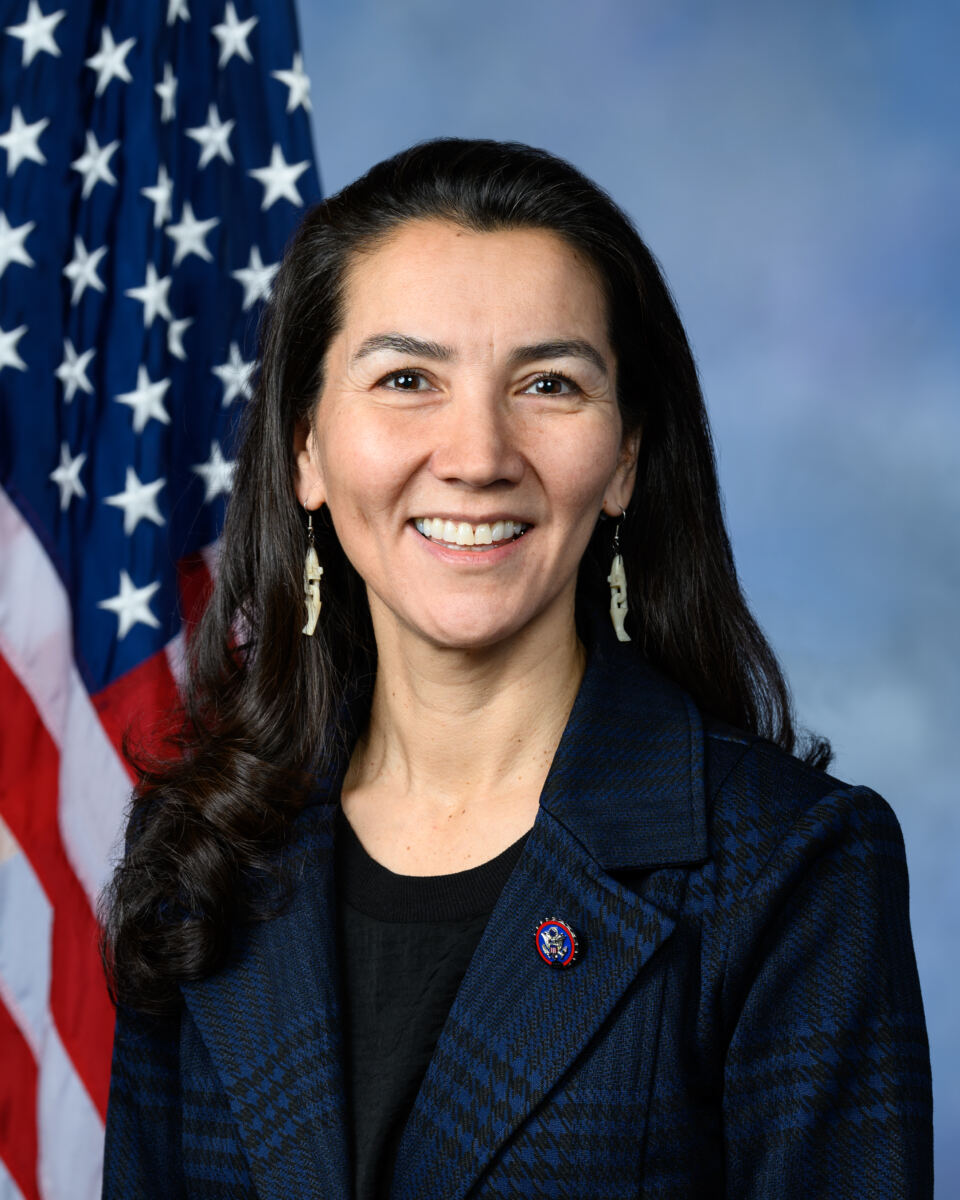
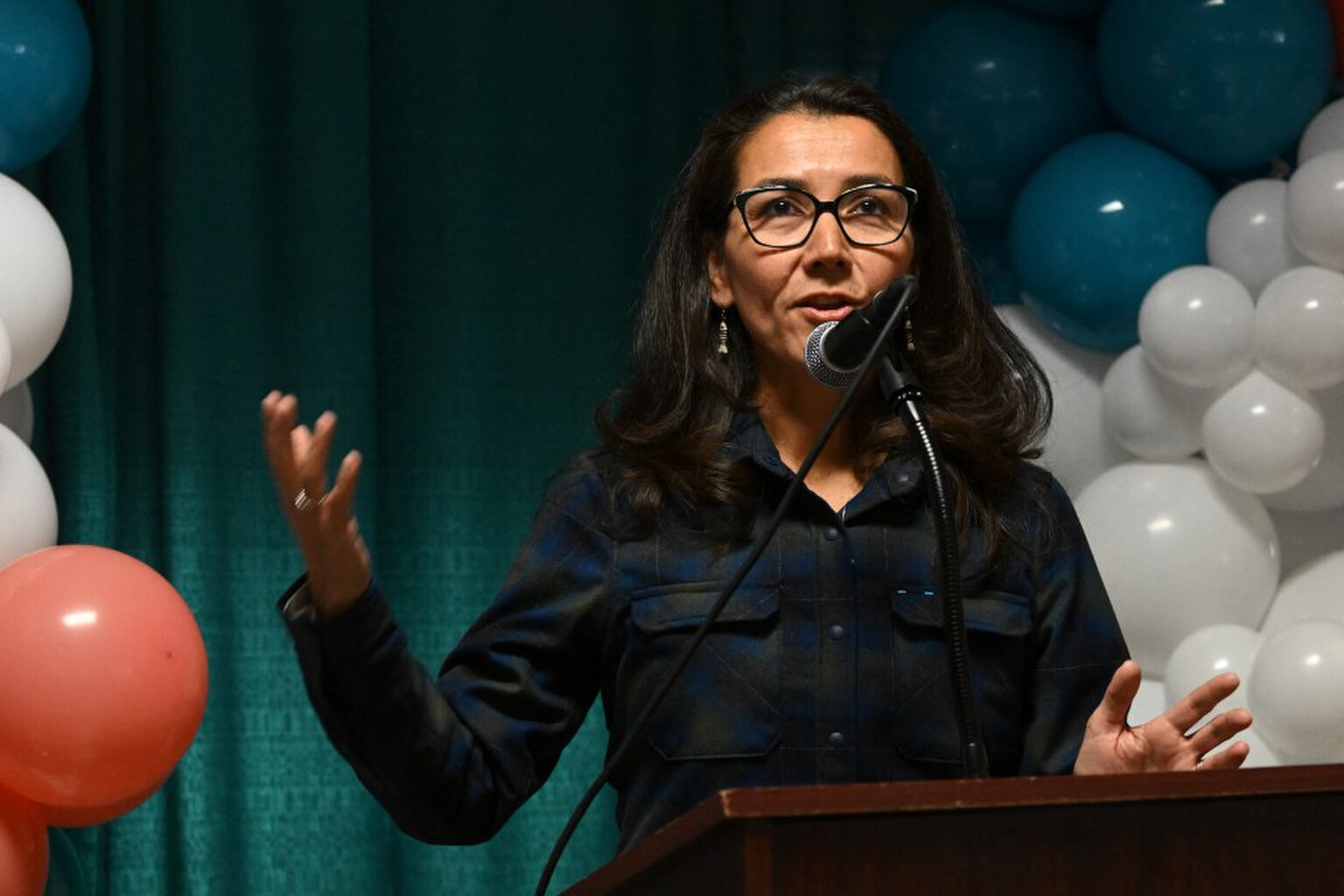
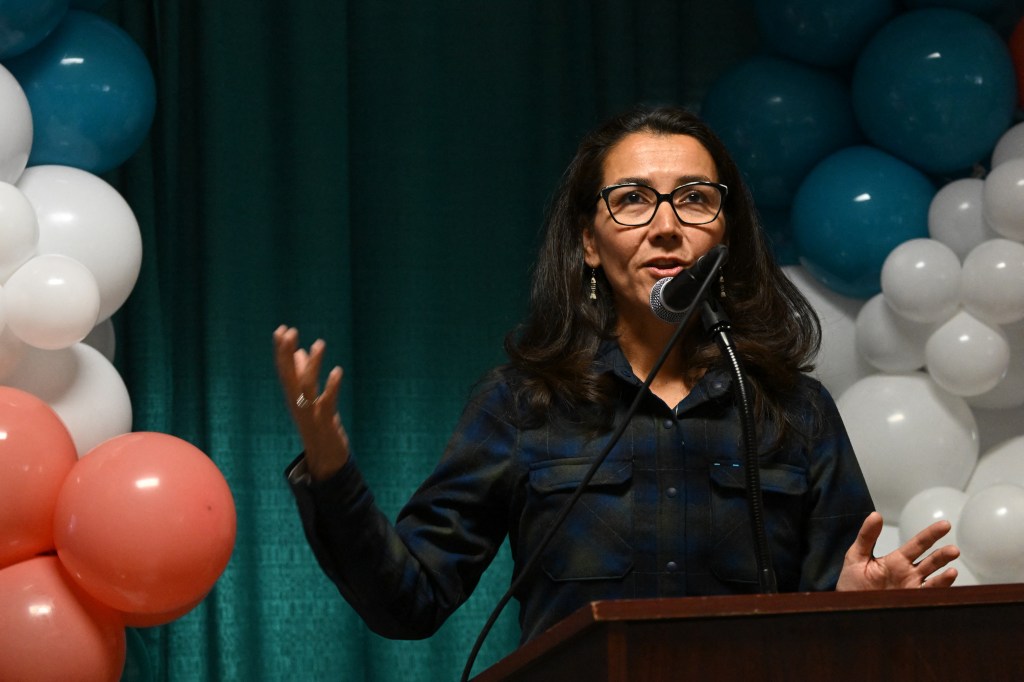
Peltola, who has served as Alaska’s at-large U.S. Representative since 2022, has not publicly addressed her alleged knowledge of the scheme since the criminal probe intensified. The subpoenas issued Thursday will likely force testimony and document production from multiple individuals connected to the operation.
The decoy candidate, Daniel J. Sullivan Jr., shares the same first and last name as the sitting senator but is not the same person. Ballot confusion between the two men could split votes and potentially alter the outcome in a state where elections are often decided by narrow margins.
The dual-track approach — civil lawsuit plus criminal grand jury — represents an unusually aggressive federal response to an election tactic. The civil suit seeks preventive relief to protect certification, while the criminal investigation could result in felony charges carrying potential prison sentences.
A DOJ official confirmed prosecutors are specifically weighing conspiracy charges related to voters’ rights violations. That statute criminalizes schemes intended to deprive citizens of their right to fair and accurate elections.
Trump has made election integrity a centerpiece of his administration’s early priorities, and the Alaska case marks one of the most significant federal interventions in a pending Senate contest. The president’s direct involvement in ordering the civil lawsuit signals White House attention to the race.
The outlet reporting that triggered the escalation identified Democratic operatives as the architects of the recruitment effort. Their specific identities and whether they acted with formal campaign authorization remain central questions the grand jury subpoenas will probe.
Alaska’s unique election system, which uses ranked-choice voting in general elections, adds complexity to how a decoy candidate might affect outcomes. Voters rank candidates in order of preference, and lower-finishing candidates are eliminated with their votes redistributed until someone achieves majority support.
The state certified its primary results with both Sullivan and Sullivan Jr. On the ballot, setting up the November general election confrontation that the Justice Department now seeks to preempt through its civil litigation while simultaneously pursuing criminal accountability.
The timing of Thursday’s subpoena issuance suggests prosecutors are moving quickly to gather evidence before the general election. Grand jury proceedings are secret, but the volume of subpoenas — dozens, according to sources — indicates a wide investigative net.
Daniel J. Sullivan Jr. Has not been reported to have commented publicly on his candidacy or the federal investigation surrounding it. His motivations for entering the race and any connections to organized political efforts remain unclear from publicly available information.
The convergence of criminal and civil actions in a single election dispute is rare in modern American politics. Legal experts following the case note that the dual approach maximizes federal leverage but also risks appearing politically motivated given the president’s direct role in initiating the civil component.
The Senate race itself remains competitive, with control of the chamber potentially hanging on a handful of seats. Alaska’s Republican lean makes Sullivan the favorite, but Peltola’s previous statewide victories demonstrate Democratic viability in the state.
The Justice Department has not set a public timeline for completing its criminal investigation or deciding whether to seek indictments. Grand jury proceedings can extend for months, though the proximity to Election Day may accelerate prosecutor decisions in this case.