

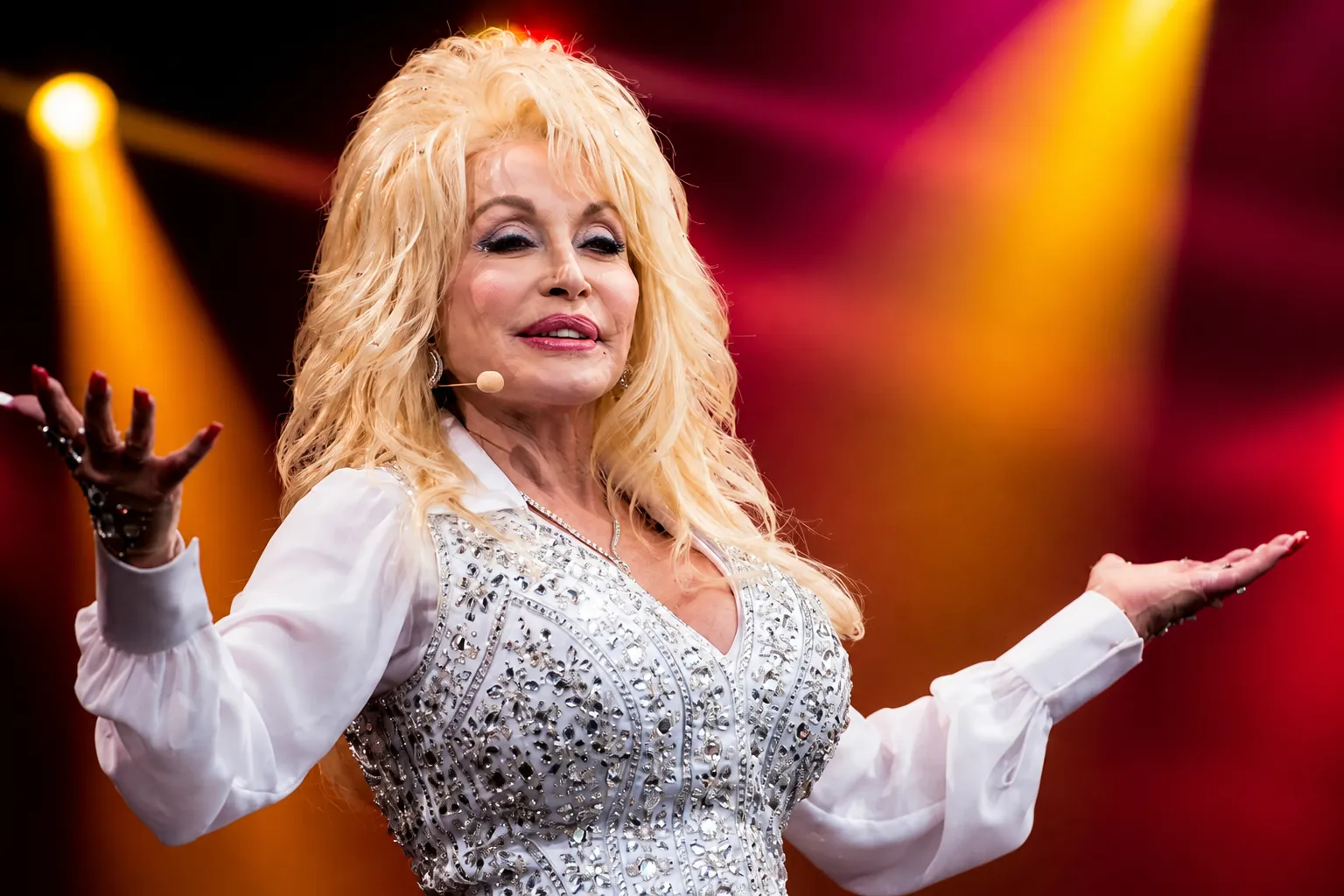
Dolly Parton has died at age 80, prompting tributes from Donald Trump and Bill Clinton that have resurfaced her complicated history of declining presidential honors.
The country music legend, actress and philanthropist died on August 25 after a brief, private battle with cancer, her team confirmed. President Trump, 79, posted a tribute on Truth Social praising the “Jolene” singer, writing that “there has never been anyone like her.” The gesture drew attention to Parton’s earlier refusals of the Presidential Medal of Freedom during his first administration.
Parton, 80, turned down the nation’s highest civilian honor twice during Trump’s presidency, she revealed in a 2021 interview on NBC’s Today show. The singer explained that her first refusal came because her husband, Carl Dean, was ill at the time. When invited again, she declined due to COVID-19 pandemic travel concerns.
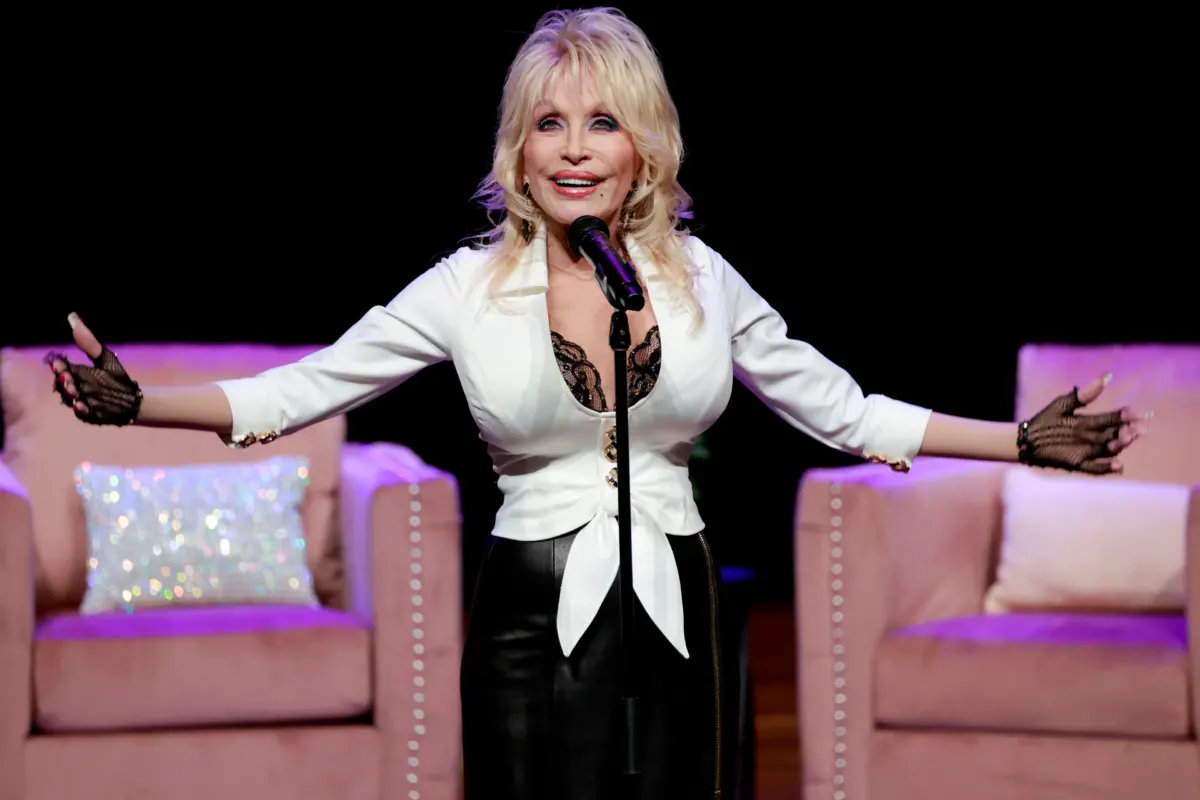
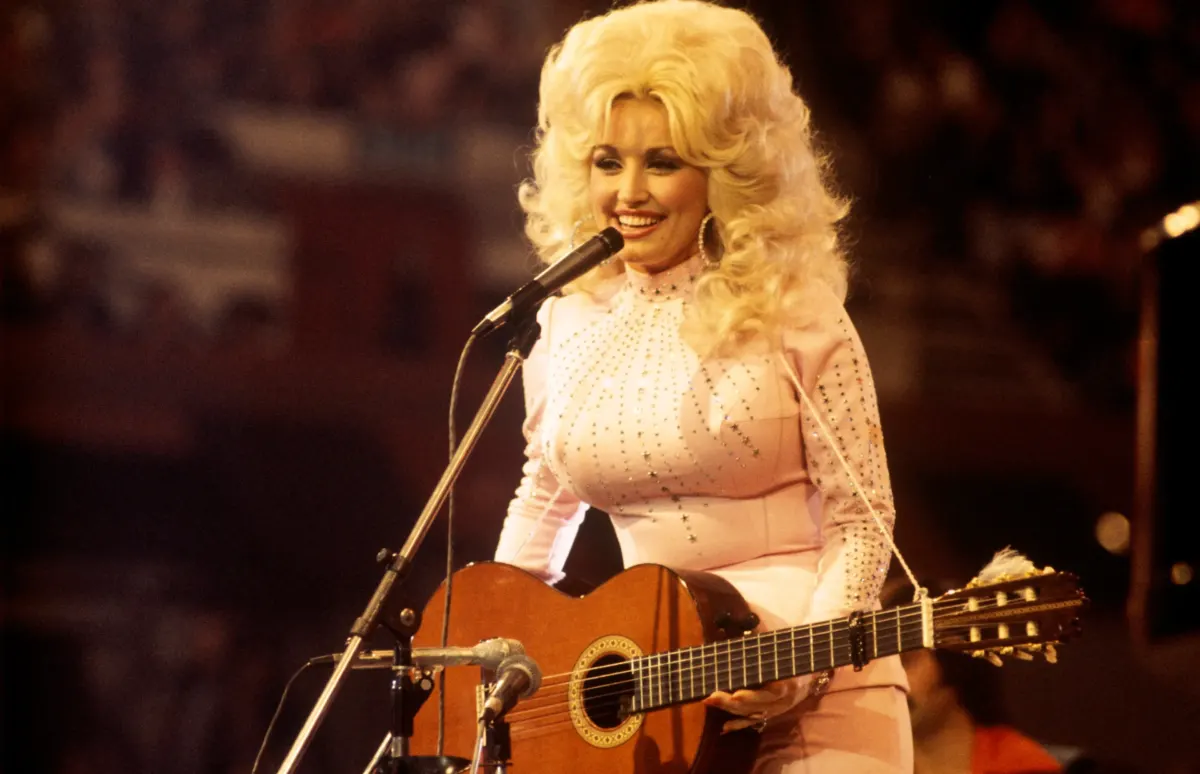
She emphasized that neither decision was politically motivated. Parton also hesitated when Joe Biden later invited her during his presidency, ultimately refusing again because she feared accepting would be perceived as making a political statement.
Parton’s political neutrality stretched back decades. During the 2016 presidential election between Trump and Hillary Clinton, she resisted pressure to endorse either candidate. She clarified reports that she had backed Clinton, saying in July 2016:
“No, I did not say that. That was a misquote. I have not endorsed Hillary Clinton or Donald Trump.”
She continued, explaining the context of her earlier remarks: “Someone asked me, ‘Would I think about a woman being president?’ I was saying that I think a woman would be great, I’m sure Hillary would be fine. I have not endorsed either candidate. I was only saying I might run myself because I have the hair for it, it’s huge. And I think we could use more boobs in the race. I do not get involved in political things. I have not decided who I am voting for.”
Former President Bill Clinton, 78, also paid tribute to Parton on Tuesday via Twitter/X. He described her as “one of a kind” and noted that she “told the stories of everyday Americans” and “never forgot where she came from,” He added: “Hillary and I were big fans and first saw her in 1974, and will always be grateful for the music and the memories. Our thoughts and prayers are with her family, her legion of fans, and everyone who loved her.”
Parton’s 2016 clarification to The Guardian became a touchstone for her insistence on staying above the partisan fray. She maintained that her comments about women in leadership had been deliberately twisted into an endorsement she never made, and she used humor to deflect while restating her refusal to engage in electoral politics.
Beyond music and political neutrality, Parton built a massive philanthropic legacy. She launched the Dollywood Foundation in 1988 in her native Sevier County, Tennessee, creating the Buddy Program that paid seventh and eighth graders $500 for completing high school. The dropout rate there fell from 35 percent to 6 percent. Her Imagination Library, founded in 1995, has gifted more than 304.5 million books to children. She donated $1 million to Vanderbilt University for coronavirus research that helped fund Moderna’s COVID-19 vaccine, gave another $1 million to pediatric infectious disease research at the same hospital, and contributed millions to wildfire and flood relief efforts across Tennessee and the Southeast.