


A British microbiologist has pushed back against panic over a possible Russian plague outbreak, stressing the illness behaves nothing like Covid-19.
Dr Simon Clarke, associate professor in cellular microbiology at the University of Reading, spoke out this week after the death of Darya Shipilova, 28, a lab worker at the Anti-Plague Research Institute in Shelekhov, Siberia. Shipilova died in late September after breaking a test tube containing live plague bacteria, though Russian officials have so far only confirmed she suffered “pneumonia of undetermined origin.”

The case has drawn White House attention, with U.S. Officials describing the situation as an “outbreak” and pressing Moscow for transparency. Russian authorities have downplayed the threat, denying any lab accident and insisting the scientist died of “pneumonia of unknown origin.” Around 200 people who came into close contact with Shipilova have been placed under quarantine.
Clarke, who has worked in high-containment laboratories, sought to calm fears by explaining the fundamental differences between pneumonic plague and the coronavirus pandemic that swept the globe seven years ago.
“Reports from Russia have inevitably drawn comparisons with Covid-19, but it is important to remember that pneumonic plague is a very different disease,” he said. “It is caused by bacteria, Yersinia pestis, famous for causing the Black Death, that remains with us today mostly in animals across parts of Asia, Africa and the Americas.”
“Pneumonic plague is particularly serious because it means the infection has reached the lungs and is nearly always fatal if not treated promptly,” Clarke continued. “Unlike the bubonic plague which enters the body via infected flea bites, pneumonic plague can spread between people through respiratory droplets during close contact.”
The key distinction, he emphasized, lies in treatment options.
“Unlike many viral respiratory diseases, plague is caused by bacteria and is generally treatable with antibiotics if identified quickly,” Clarke added.
That bacterial origin marks a critical divergence from Covid-19, which was caused by a virus and could not be treated with antibiotics. Both illnesses can spread through respiratory droplets during close contact, but the therapeutic approaches differ dramatically.
Clarke also cast doubt on whether Shipilova’s death signals broader danger, noting that laboratory protocols make accidental infection far from automatic.
“Having worked in high-containment laboratories, I know that handling dangerous pathogens involves multiple layers of protection, strict procedures, safety cabinets, airflow systems and careful procedures carried out by well-trained staff,” he said. “Lab-acquired infections are rare events, and a broken tube would not automatically lead to exposure or infection. We also don’t tend to use test tubes very much.”
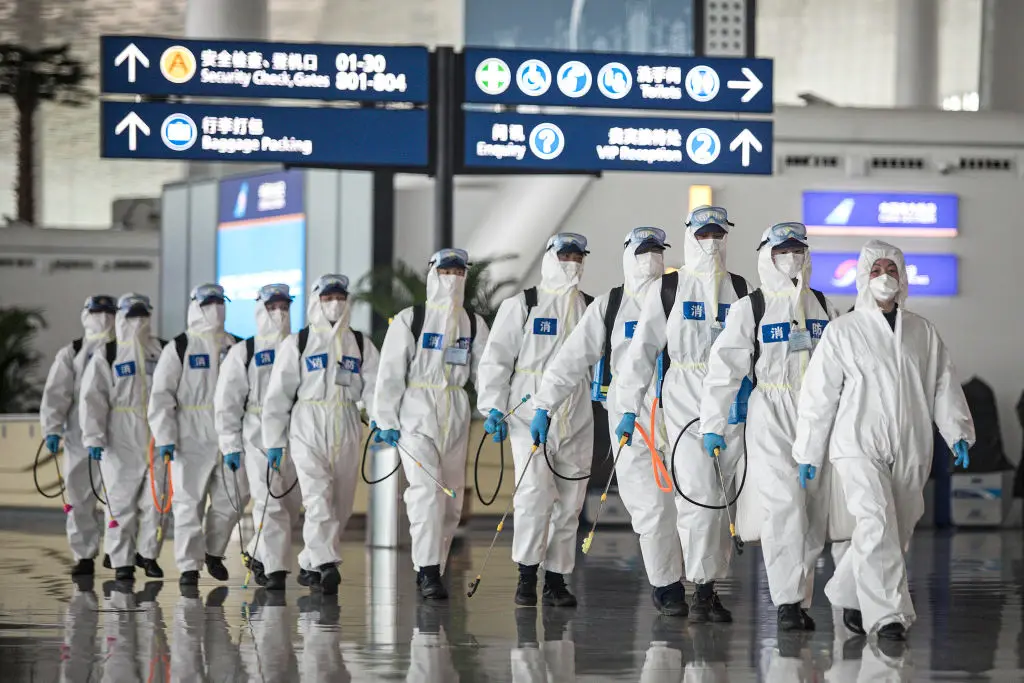
The circumstances of Shipilova’s exposure have raised questions among experts. She broke a test tube in the lab where she worked, and the “live bacteria” inside has fueled speculation about whether proper safety measures were followed. Russian public health officials have resisted labeling the case as plague-related, creating tension with international observers.
Clarke stressed that much remains unknown.
“Until more details emerge, it is difficult to assess whether this represents an isolated case, an occupational exposure, or evidence of wider transmission,” he said.
He pointed to three priorities for managing any potential spread.
“Transparency, rapid diagnosis and effective contact tracing would be the most important factors in managing an outbreak,” Clarke shared.
The White House has publicly urged Russia to address the death “quickly and openly,” adding geopolitical pressure to the public health situation. Moscow’s resistance to confirming plague as the cause has only amplified concerns, even as the quarantine of roughly 200 contacts suggests officials are taking precautions.
Pneumonic plague, the most severe form of plague, occurs when Yersinia pestis bacteria infect the lungs. Without prompt antibiotic treatment, it is nearly always fatal. The bacteria is the same organism responsible for the bubonic plague that devastated medieval Europe, though modern medicine has made it treatable when caught early.
The case echoes past laboratory incidents involving dangerous pathogens, though Clarke’s assessment suggests such accidents should be containable with proper protocols. Whether Shipilova’s death represents a isolated breach or something more troubling depends on information Russian authorities have yet to fully disclose.