

Kobe Bryant’s $6 million bet on sports drink BodyArmor ultimately returned hundreds of millions to his family before his death, cementing his reputation as one of the most financially savvy athletes in modern sports history.
The Los Angeles Lakers icon, who would have turned 47 on August 23, spent 20 seasons with the franchise before retiring in 2016. While his on-court earnings totaled more than $320 million in salary alone, the investment he made away from basketball proved even more transformative for his family’s long-term wealth.
Bryant first put roughly $6 million into BodyArmor in 2014, acquiring more than 10 percent of the then-fledgling sports drink company. At the time, BodyArmor was a small challenger to Gatorade, with little market share and no major corporate backing. Bryant did not simply write a check and walk away. He served on the company’s board and took an active hand in its marketing, writing and co-directing advertisements featuring athletes including James Harden, Kristaps Porzingis, Mike Trout and Skylar Diggins-Smith.
The brand’s trajectory shifted dramatically in 2018 when Coca-Cola invested $300 million at a reported $2 billion valuation. At that point, Bryant’s stake was estimated to be worth approximately $200 million — more than 30 times his original investment. BodyArmor co-founder Mike Repole later credited Bryant’s early belief in the product as instrumental to that rise. “If it wasn’t for Kobe Bryant’s vision and belief, BodyArmor would not have been able to achieve the success we had,” Repole said in a late 2021 press release from Coca-Cola.
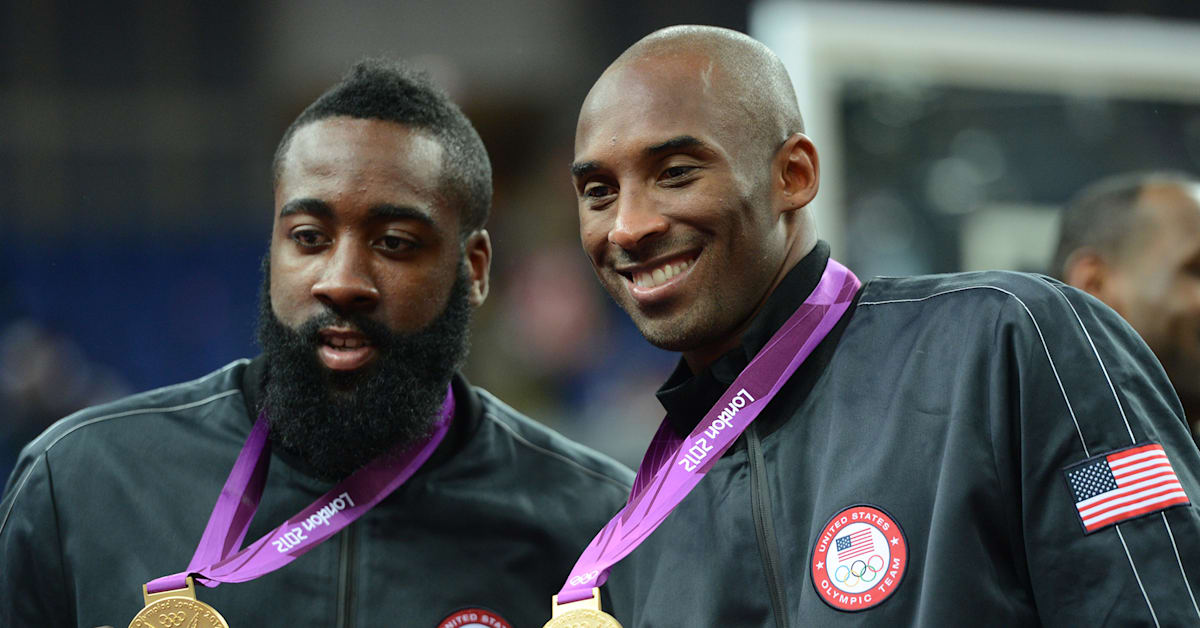
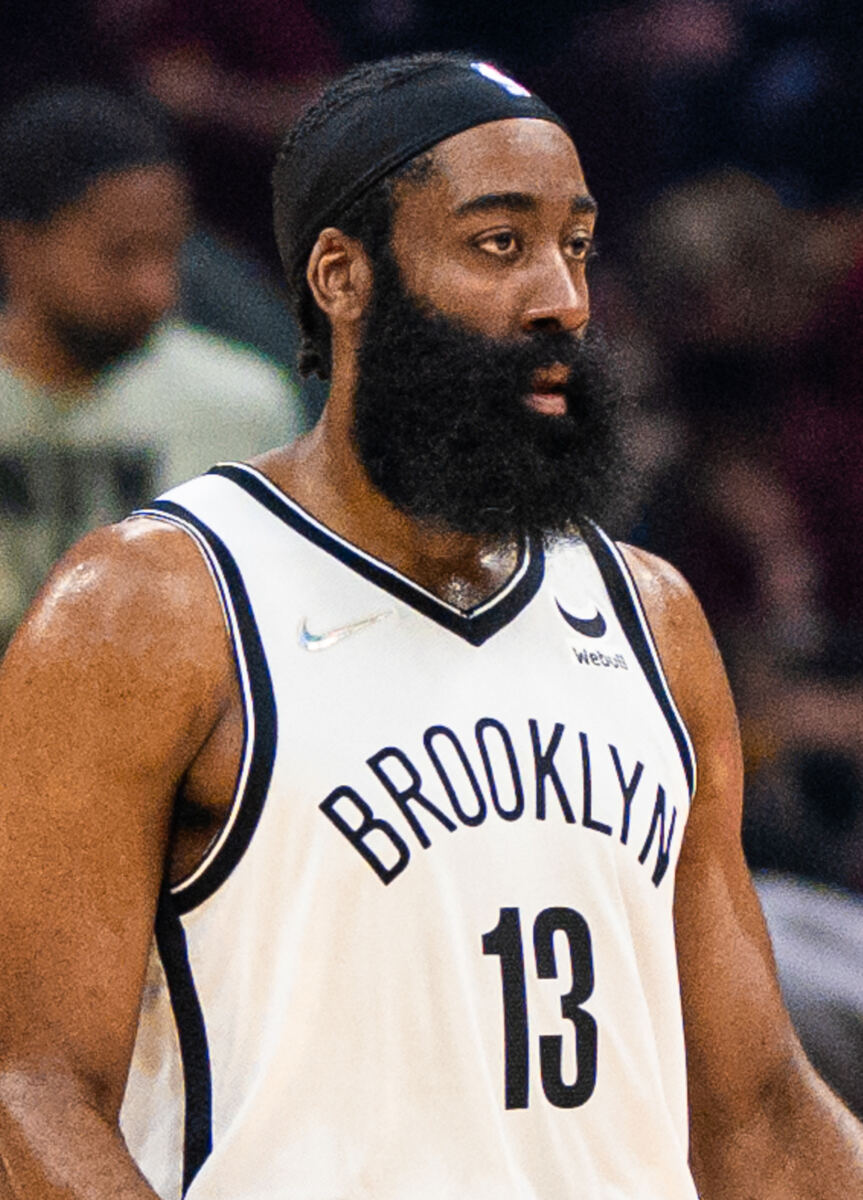
Bryant’s business approach with BodyArmor also opened doors for other athletes. James Harden, the Philadelphia 76ers guard, later revealed that Bryant had recruited him to invest alongside him. “Kobe basically was like, ‘We going to put a stash of $5 million and then any business opportunities — it might be a little $200,000, it might be $500,000 just depending on what investment it is — we going to put a pot together and we just going to invest our money,'” Harden said in an interview with Earn Your Leisure. Harden put $500,000 into BodyArmor and received what he described as “a good amount of money back” when Coca-Cola completed its acquisition.
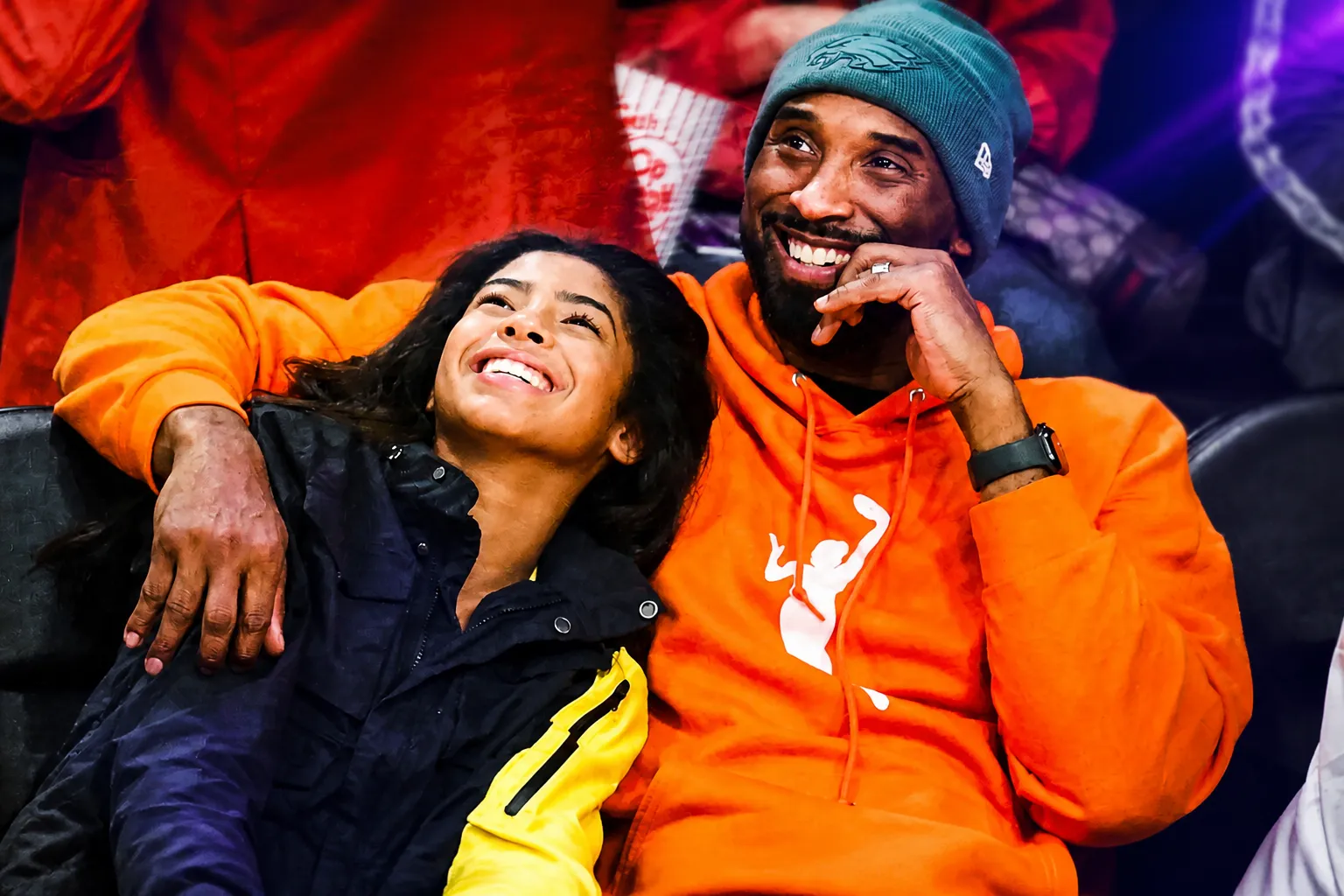
Bryant tragically died aged 41 in a helicopter crash in January 2020 alongside his 13-year-old daughter Gianna and seven others. The value of his BodyArmor investment continued to climb after his death. In November 2021, Coca-Cola bought the remaining stake in the sports drink company in a $5.6 billion cash deal that valued BodyArmor at around $8 billion. The Wall Street Journal reported that Bryant’s estate stood to receive roughly $400 million for its stake — a figure that exceeded his entire NBA career earnings.
He launched Kobe Inc. In 2014 and made BodyArmor his first major investment. He explained his philosophy in a 2018 interview with Taste Radio at the National Association of Convenience Stores Show, describing how he evaluated entrepreneurs before committing his money. “Come with your idea, come with your product, and I’ll look at the product, but I’ll also look at you as a person and spend time with you and get to know you,” Bryant said. “If you have the internal fortitude to see your idea all the way through, if you have a plan, a very detailed plan, that’s something I can align myself with.” He recalled BodyArmor co-founder Mike Repole warning him that he could lose all his money, then breaking out charts mapping every year, month and week of the company’s planned growth. “This guy has thought this thing all the way through, from soup to nuts,” Bryant continued. “That’s somebody that you want to give your money to.”
When the 2021 sale was announced, Harden paid tribute to Bryant on social media. “We did it bro!” He wrote alongside a photo of them together. “The best sports drinks created. Wish you were here to celebrate. We still coin hard for you. Much love.”
BodyArmor remains a significant player in the sports drink market, ranked as the No. 2 brand behind Gatorade with approximately 12 percent U.S. Market share as of 2026.