

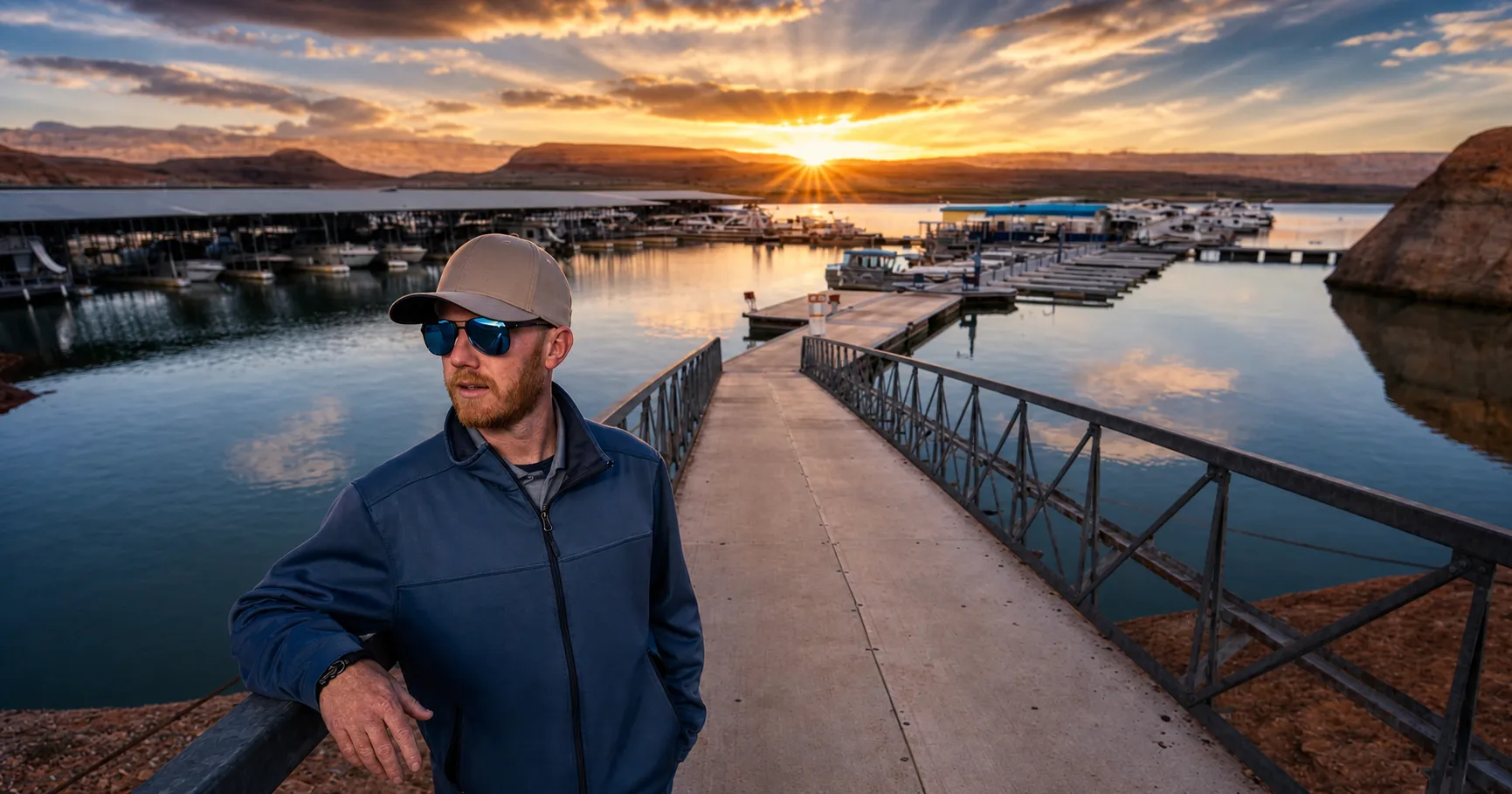
Lake Powell, the second-largest reservoir in the United States, is confronting an unprecedented crisis that is forcing its marinas to undertake dramatic adaptations never before attempted at the lake. As one of the West’s most critical water storage facilities on the Colorado River, Lake Powell has shrunk to dangerously low levels—currently sitting at approximately 26 percent capacity—due to a prolonged megadrought, record-low snowpack, and relentless heat waves that have persisted across the Southwest.
The shrinking reservoir presents an existential challenge to the marinas that serve millions of visitors annually. The National Park Service spent $74 million to undertake what officials described as an unprecedented engineering feat: moving the massive Bullfrog Marina three miles to deeper water near Halls Crossing Marina. The floating structure with hundreds of houseboats and slips had to be transported by tugboats to avoid being left stranded on dry ground. Without the move, the marina would likely have ended up sitting on exposed rock by summer.
The situation at Lake Powell has become so dire that some facilities have disappeared entirely. Dangling Rope Marina, which served as the only refueling station in a 100-mile stretch of the lake between Wahweap and Bullfrog, permanently closed in 2024 due to low water levels, damaged infrastructure, and the unsustainability of operating at such diminished elevations. The marina, which opened in 1984 when Lake Powell’s waters were at peak levels, was never designed to function below an elevation of 3,547 feet. Today, the lake sits at approximately 3,523 feet.
The economic stakes are substantial. The National Park Service reported that Lake Powell visitors spent more than $500 million in nearby communities in 2024, with boat rentals, houseboats, fuel sales, and lodging generating critical income for the region. Yet as water levels continue to plummet, the recreation industry faces mounting pressures from reduced access and increased congestion at the remaining viable launch points.
Marina operators are implementing creative solutions to maintain access even as conditions worsen. At Antelope Point Marina, the original walking ramp no longer reaches the water, requiring the marina to operate a cart service to transport visitors between the upper marina area and docks. The park is exploring temporary ramp extensions at multiple locations, including the Stateline Auxiliary Ramp near Wahweap. The National Park Service is also planning for long-term infrastructure, including a $73.4 million permanent ramp project at Stanton Creek near Bullfrog, designed to function at water elevations as low as 3,500 feet.
The underlying cause of this crisis is clear: the Colorado River Basin is experiencing the worst drought in 1,200 years. The National Park Service forecast that water inflow to Lake Powell for 2026 would be only about 29 percent of the historical average. Federal officials have implemented emergency measures, including reducing the annual release volume from Lake Powell from 7.48 million acre-feet to 6.0 million acre-feet, the minimum allowed under current regulations. They have also released emergency water from upstream reservoirs to keep Lake Powell from falling below critical thresholds.
Beyond the immediate threat to recreation, the low water levels pose risks to hydroelectric generation at Glen Canyon Dam, which supplies power to millions of people across the West. The dam requires a minimum water elevation of 3,490 feet to produce power effectively. At the current trajectory, Lake Powell is approaching dangerously close to this threshold.
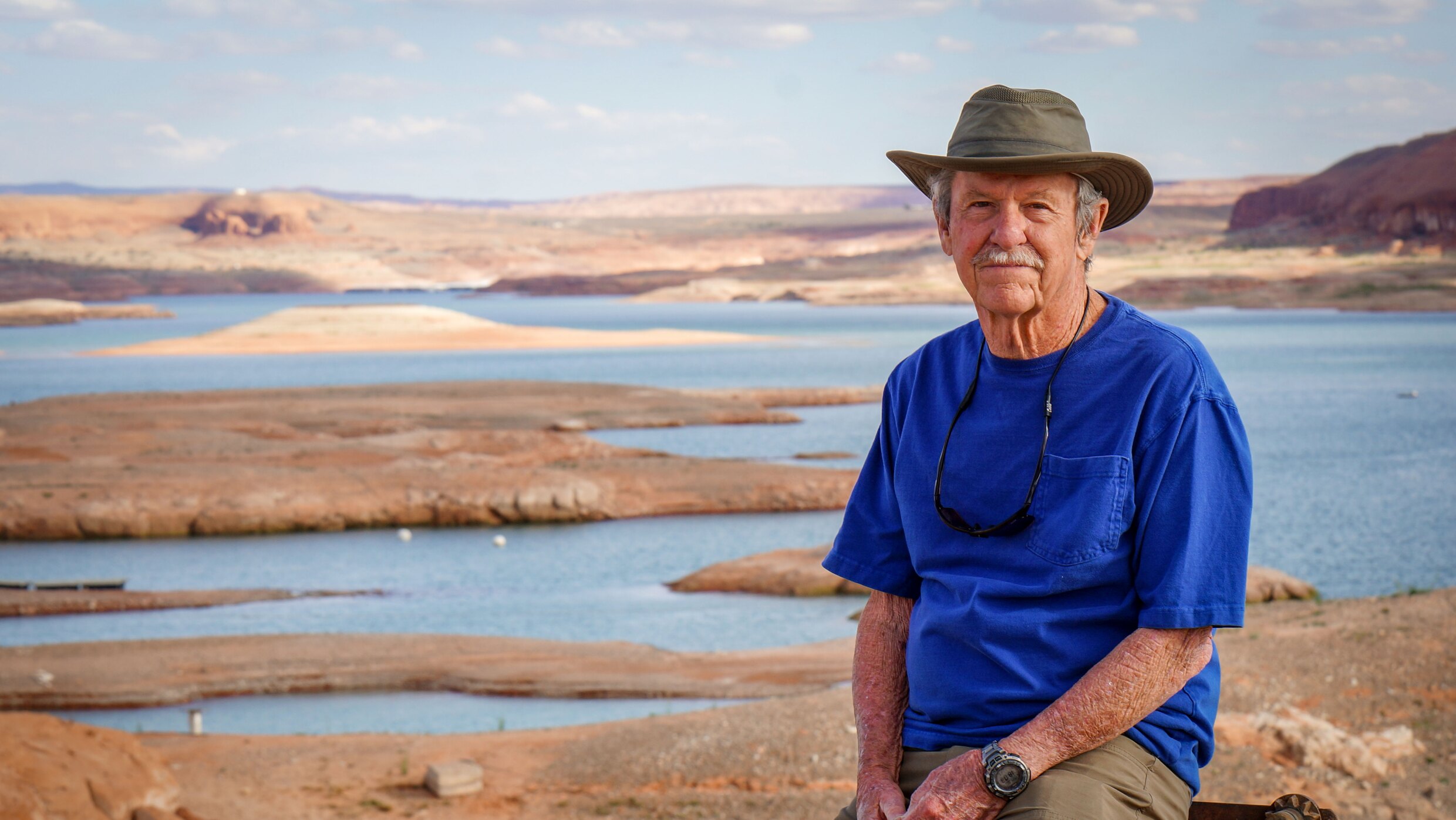
Marina personnel have begun calling customers to explain the changes and coordinate logistics. Titus Crawford, director of Bullfrog Marina Services and Dry Storage, spent days in spring 2026 contacting boaters about the impending move. “It’s an engineering feat that hasn’t been done in this capacity,” said Robert Knowlton, regional vice president with Aramark, the concessionaire that operates the marina. Despite the logistical challenges, Knowlton anticipated that boaters would still be able to access the lake through the summer months.
The adaptations extend beyond moving floating structures. The National Park Service is working with concessioners to maintain temporary boat ramps and adjust facilities in ways that allow continued access. Officials have warned boaters about narrowing channels and increased congestion as more visitors are funneled into fewer functional launch points. The agency has also advised visitors to check current conditions and ramp status frequently before traveling, as water levels can change rapidly.
Local economic leaders have recognized the urgency. Arizona Senator Mark Kelly advocated before Congress for prioritized boat ramp rehabilitation at Lake Powell, emphasizing that declining water levels are curtailing the launching of motorized boats and threatening the outdoor recreation economy in Arizona.
For now, despite the unprecedented challenges, Lake Powell remains open for water-based recreation. Houseboats can still navigate the main channel and most major coves, with ample depth for safe operation at the dam. Wahweap and Antelope Point marinas remain operational, though with adjusted launch procedures. Yet the fundamental reality persists: unless water conditions improve dramatically in the coming years, the marinas and the recreational culture surrounding Lake Powell will continue to face an uncertain future, requiring ever-more creative engineering solutions and operational adjustments to sustain the lake’s role as a major recreation destination for the American West.