

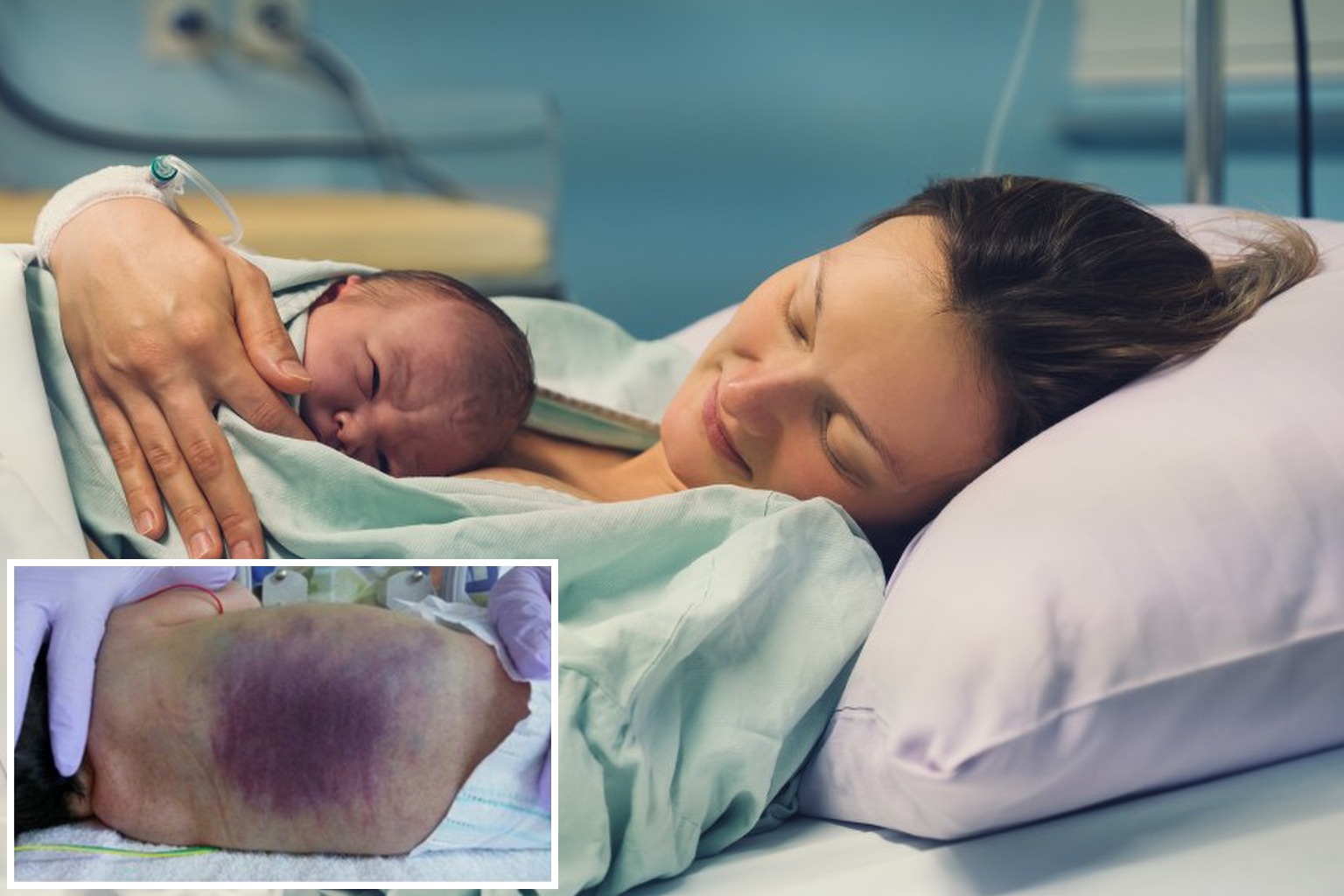
A new study tracking more than five million American newborns has found that life-threatening infant bleeding rates have doubled in a year as growing numbers of parents refuse a routine vitamin K shot.
The research, led by Dr. Kristan Scott and published last week, analyzed electronic health records for 5.2 million babies born between 2017 and 2025 across the US. Roughly 4.5 percent of those infants — 234,825 in total — had no documented record of receiving the injection, which has been recommended for all newborns since 1961 by the American Academy of Pediatrics.
Babies without the shot faced dramatically worse outcomes. They experienced 288 bleeding events per 10,000 births in their first six months, compared with 186 per 10,000 among those who received the injection. After controlling for gestational age, sex, maternal characteristics and insurance status, researchers calculated that infants without vitamin K had a 47 percent higher risk of bleeding overall.

“The difference was particularly concerning for bleeding in or around the brain, a potentially life-threatening complication,” Dr. Kevin Dysart, senior study co-author and attending neonatologist at the Children’s Hospital of Philadelphia, said in a press release.
The brain bleed numbers were stark. Infants without documented vitamin K had more than twice the risk of intracranial bleeding, with 33 cases per 10,000 births versus 13 among those who got the shot. Death during the birth hospitalization was also more common when bleeding was diagnosed in babies who had skipped the injection.
“While bleeding risk increased for all babies over the course of the study period, the excess risk among infants without vitamin K was striking and present in every year of the study,” Scott said. “The findings reinforce the longstanding recommendation that newborns receive the one-time intramuscular vitamin K injection shortly after birth and highlight the need to better understand why its use is declining.”
The shot matters because babies are born with very low levels of vitamin K, which is essential for blood clotting. They typically do not get significant amounts from food until they begin eating solids, including leafy greens, around six months old. That leaves a critical vulnerability window for vitamin K deficiency bleeding, or VKDB, a rare but potentially fatal condition that can trigger spontaneous internal bleeding.
Without the injection, babies are 81 times more likely to develop VKDB. The researchers estimated that for every 114 newborns who skipped the shot, there would be one additional bleeding event during the first six months compared with babies who received it.
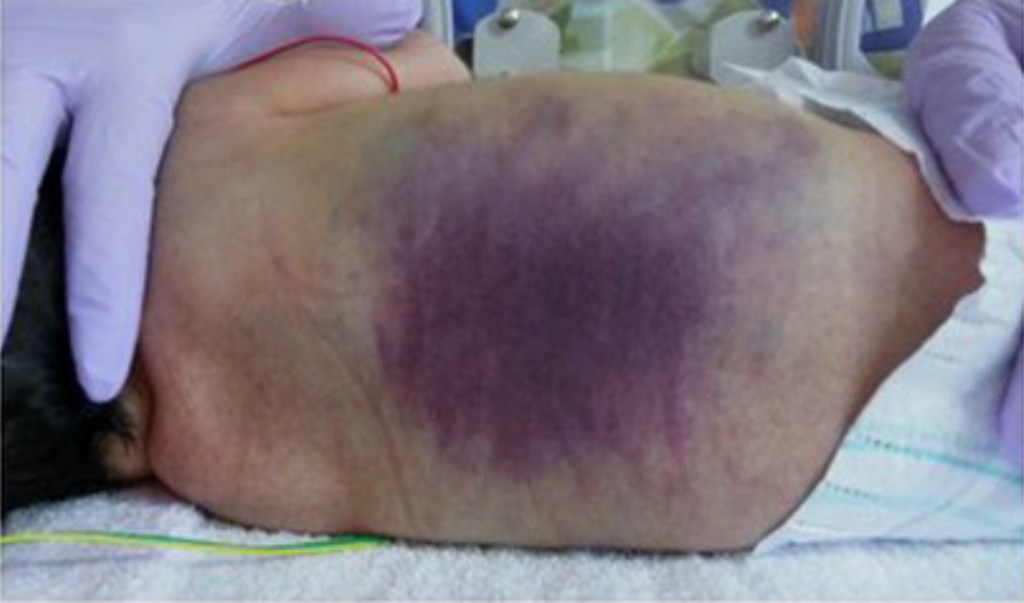
The consequences of VKDB can be devastating even when not fatal. The condition can cause severe bleeding in the brain or gut, unexplained bruising, seizures, vomiting blood and blood in the stool. About one in five babies who develop VKDB die. Among survivors, roughly 40 percent suffer long-term neurological damage, including seizures or paralysis. Most babies show no warning signs before bleeding begins.
The growing rejection of the vitamin K shot tracks with broader distrust of public health recommendations that has accelerated since the COVID-19 pandemic. Some parents appear to be conflating the injection with vaccines.
“I have families who think maybe this is a vaccine, but it’s very important to emphasize this is a naturally occurring vitamin that we all have and that we all need,” Dr. David Hill, a hospitalist, pediatrician and AAP spokesperson, said. “It has nothing to do with vaccines.”
The study’s authors are calling for renewed efforts to understand and reverse the declining use of a treatment that has prevented countless deaths over more than six decades.