

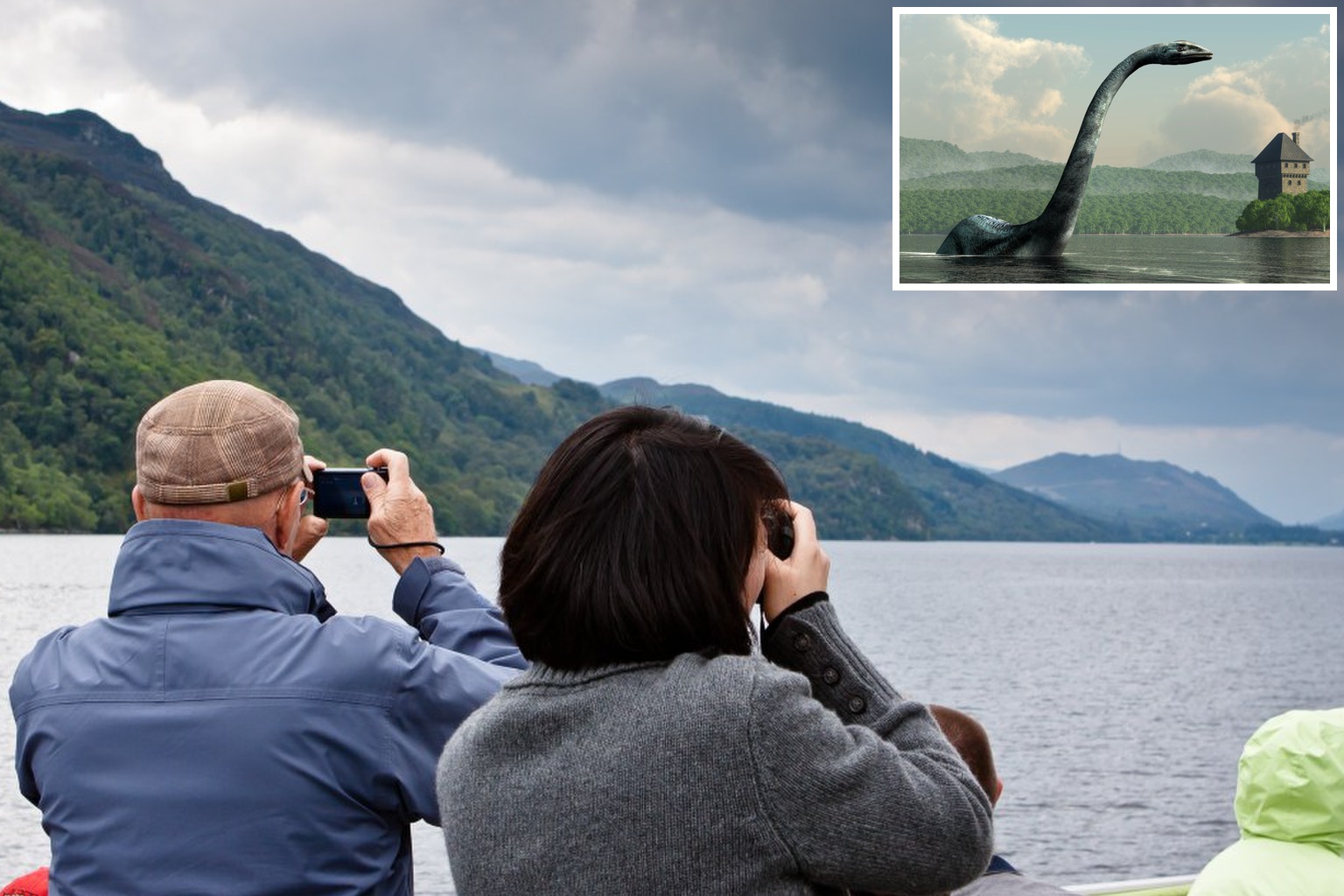
Reported sightings of the Loch Ness Monster have more than doubled this year compared to all of 2025, according to the Official Loch Ness Monster Sightings Register.
The register has accepted 15 reports of Nessie so far in 2026, up from just six in all of 2025, with over two months still remaining in the year. Over the last decade, the register has recorded more than 1,180 sightings at the Scottish lake.
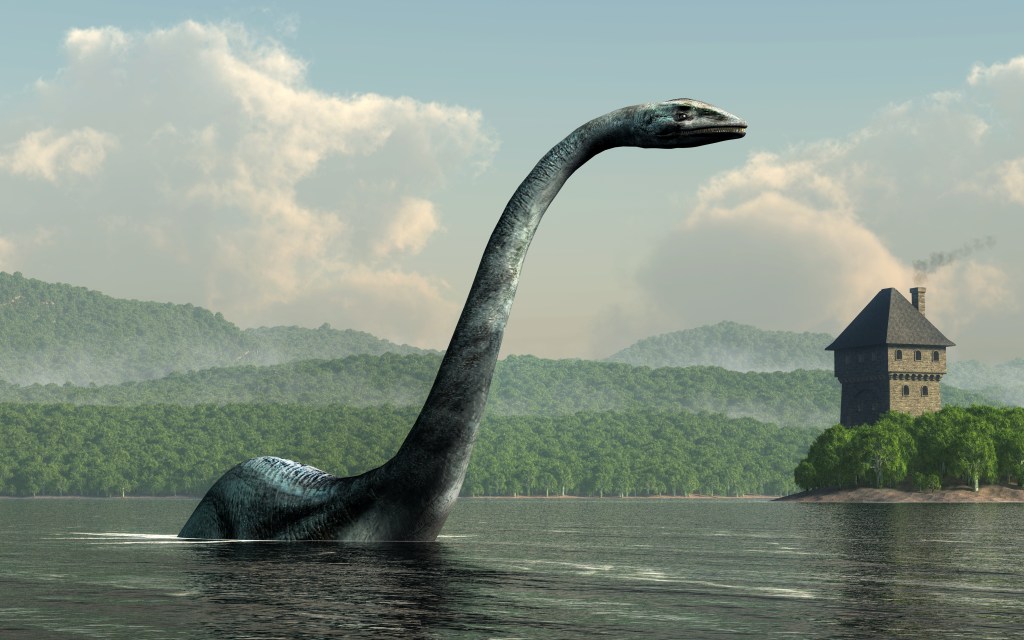
The most recent accepted sighting came on Aug. 21 from Felix Tiekemeier, a German tourist who said he spotted a creature about 20-feet long that surfaced roughly 1,000 feet offshore just before noon. “The object was black and surfaced, remained at the water’s surface for about 20 seconds, and then disappeared again,” the register said of the accepted sighting. “It was swimming close to the surface and appeared to have a head,” it detailed.
Earlier in August, Barcelona-based tourist Jocelyn Boyce said she and her family saw “a dark, almost black, mound-like shape protruding above the surface of the water” from a lookout at Urquhart Castle. Norbert Kawka of Malta reported that he watched something swim against the current near Fort Augustus for 15 minutes, bobbing in and out of the water like “a very large eel.”
The surge in sightings comes despite scientific findings that have challenged the notion of a prehistoric creature lurking in the depths. Researchers led by New Zealand’s University of Otago sampled DNA from the loch’s water in 2019 and found eel DNA nearly everywhere they tested rather than any prehistoric marine reptile roots. “Our data doesn’t reveal their size, but the sheer quantity of the material says that we can’t discount the possibility that there may be giant eels in Loch Ness,” geneticist Neil Gemmell said at the time.
But longtime investigators remain divided on what the reports actually mean. Adrian Shine, a self-described expert who has spent 53 years probing the mystery, argues in his new book, “A Naturalist’s View of the Loch Ness Enigma,” that genuine sightings follow specific conditions. “Loch Ness monsters are not seen in waves — Loch Ness monsters are seen in calm, flat water,” he wrote.
The legend’s endurance has made it a powerful economic force for the Scottish Highlands. The monster pulls in about $55 million in tourism cash for the region every year, according to various estimates. That financial incentive has helped sustain centuries of speculation since at least the year 565, when the Irish missionary St. Columba is said to have encountered a beast in the River Ness.
Whether the 2026 spike represents a genuine increase in unexplained activity, improved visitor vigilance, or simply more people eager to join the register, the sightings continue to accumulate faster than any scientific explanation can fully dismiss.