

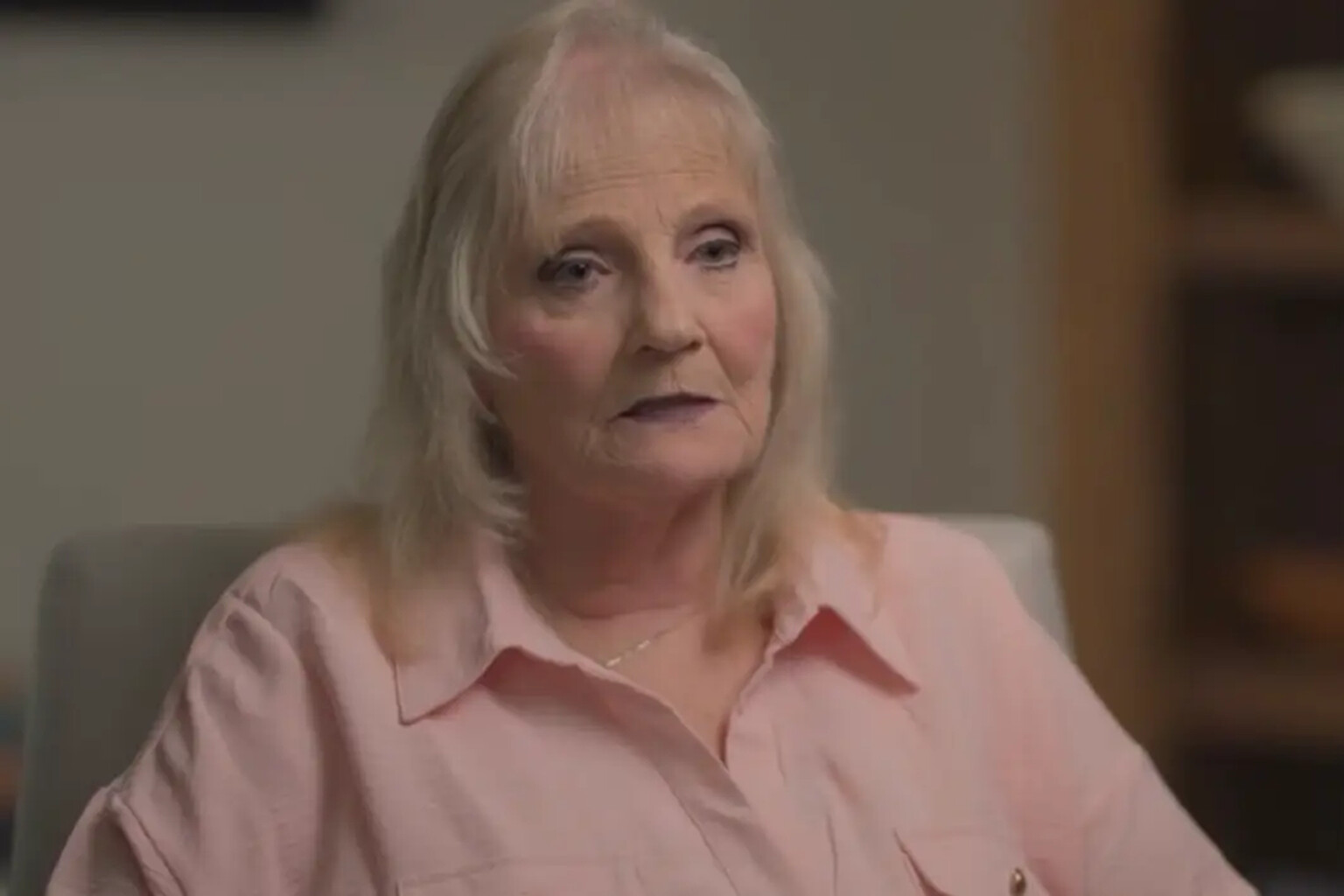
May Martinez is speaking out about the 16-year fight to reclaim her murdered daughter’s remains from Tennessee authorities.
Martinez, the mother of Colleen Slemmer, detailed how state institutions repeatedly mishandled anatomical evidence after the 19-year-old was tortured and killed in Knoxville in 1995. Her account appears in the documentary Christa Pike’s Last Fight to Stop Her Execution, which chronicles the case as Pike, now the only woman on Tennessee’s death row, mounts a clemency bid.
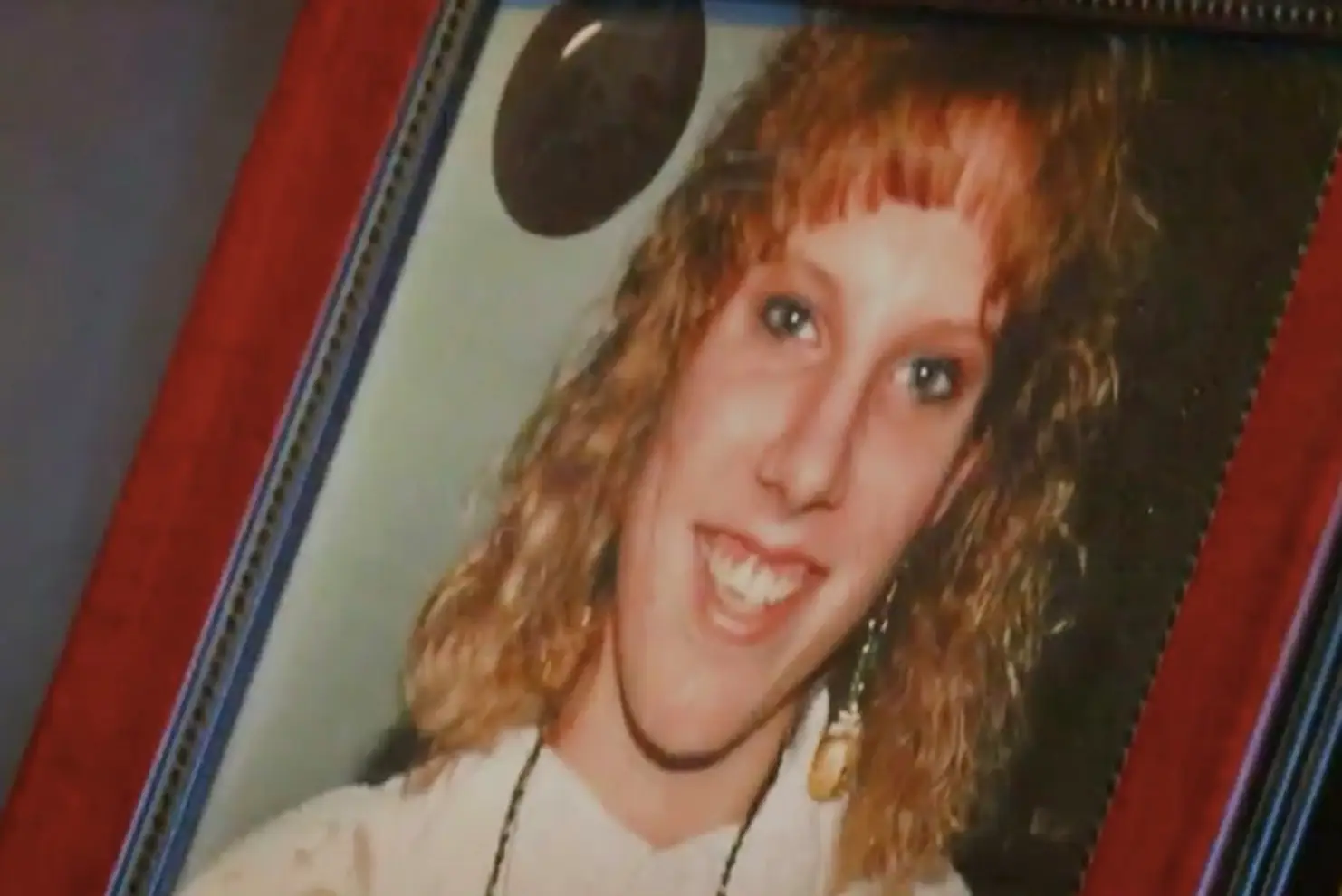
The trauma for Martinez began inside the courtroom during the 1996 trial, where she was confronted with graphic evidence without warning. “The state of Tennessee has really failed me. They put my life upside down,” Martinez said in the documentary. “When I get to the courtroom and here I see my daughter’s skull in front of me, that’s a little hard to take.”
After years of formal correspondence and persistent advocacy, Martinez eventually secured the return of Colleen’s skull. What followed, however, compounded her grief into what she described as an unending institutional nightmare.
The University of Tennessee subsequently shipped additional preserved body parts to Martinez’s home in cardboard boxes, delivered without explanation or advance notice. “After 16 years of me fighting and writing letters and going back and forth, I got Colleen’s skull back, and then Tennessee University sent me body parts in a box and they wouldn’t tell you what it was,” she recalled.
Martinez described the piecemeal arrivals in harrowing specificity. “The first time was her genitals. Second time was her nose and the piece on her chin,” she explained. “The third one was two pieces that was here. And then I got the layer of the outer skin of the pentagram,” She added: “I didn’t get no warning. I got a little brown box, opened it up, and I couldn’t figure it out. It was just pieces.”
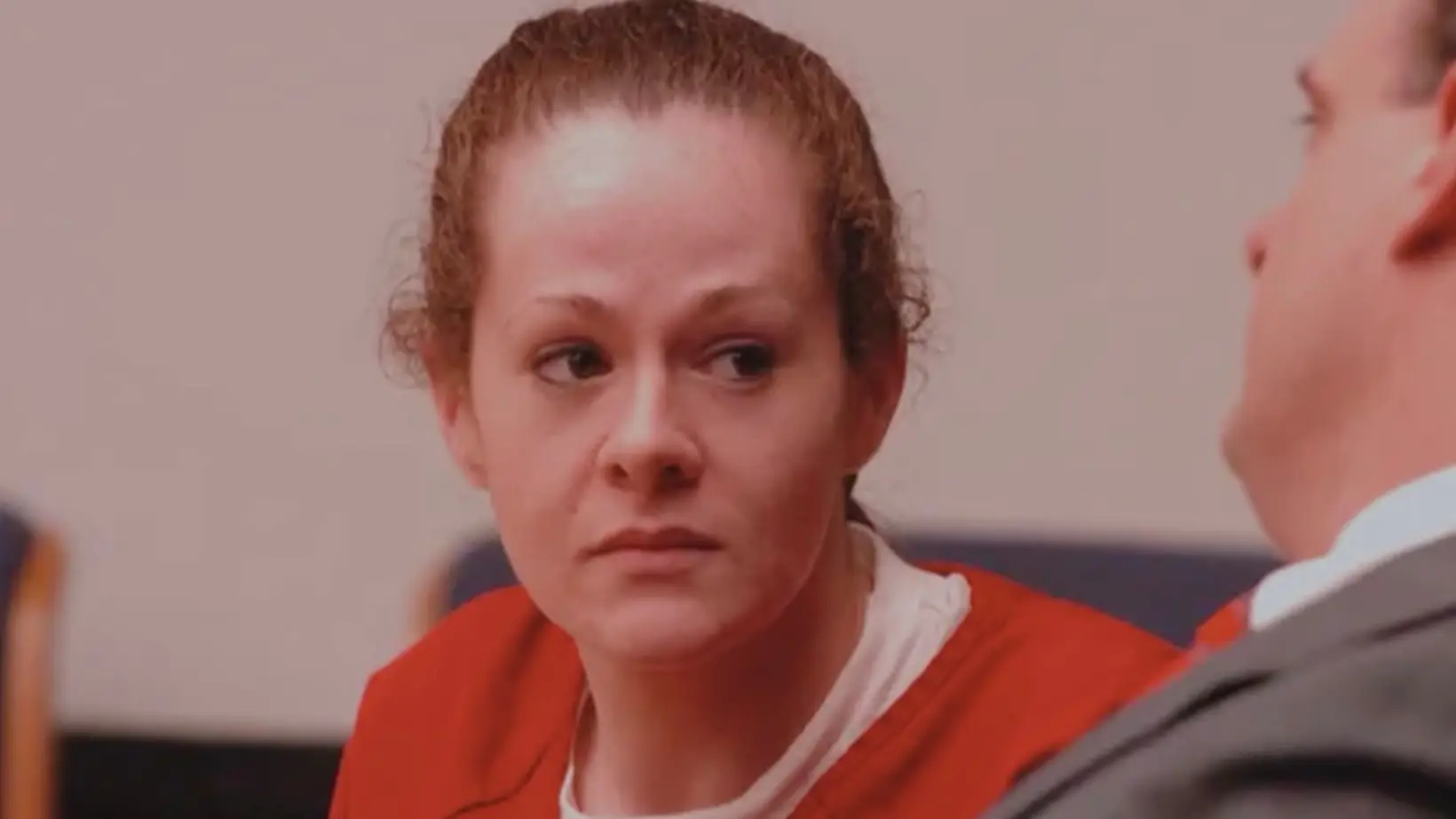
The pentagram reference connects to the brutal nature of Slemmer’s death. Fellow Job Corps student Christa Pike, then 18, tortured and murdered Slemmer in a killing that became one of Tennessee’s most notorious criminal cases. Pike remains the only woman on the state’s death row.
The institutional failures extended beyond the mishandled remains. When state authorities finally offered Martinez trauma counseling, the first session ended abruptly. The therapist dismissed her grief by saying, “Well, that’s life. You have to deal with it”—prompting Martinez and her husband to walk out immediately.
“The state should bear some responsibility,” Martinez maintained in the documentary, emphasizing that the trauma inflicted by these failures has left permanent scars.
For Martinez, Pike’s pending execution represents a long-overdue reckoning. She has rejected arguments rooted in Pike’s childhood trauma and dismissed alternatives to capital punishment. “Most kids do go through a lot of stuff and they don’t go out and kill. Christa committed and admittedly committed—and that’s a big thing in this case is admittedly committed—a heinous, vile, disgusting, cruel murder. So, does she deserve any different?” Martinez insisted.
She made clear that no leniency should be shown at the end. “I don’t think Christa should have any kind of privilege. She do something like that to somebody, you need to pay the price,” Martinez said, adding: “I want to see Christa look at Colleen’s picture lasting in her mind when she dies.”
Ahead of her scheduled execution date, Pike herself described living with raw trauma and having “nowhere to hide” from her past.