

An anonymous celebrity will learn Tuesday afternoon whether London’s High Court will block publication of sexual misconduct allegations against him.
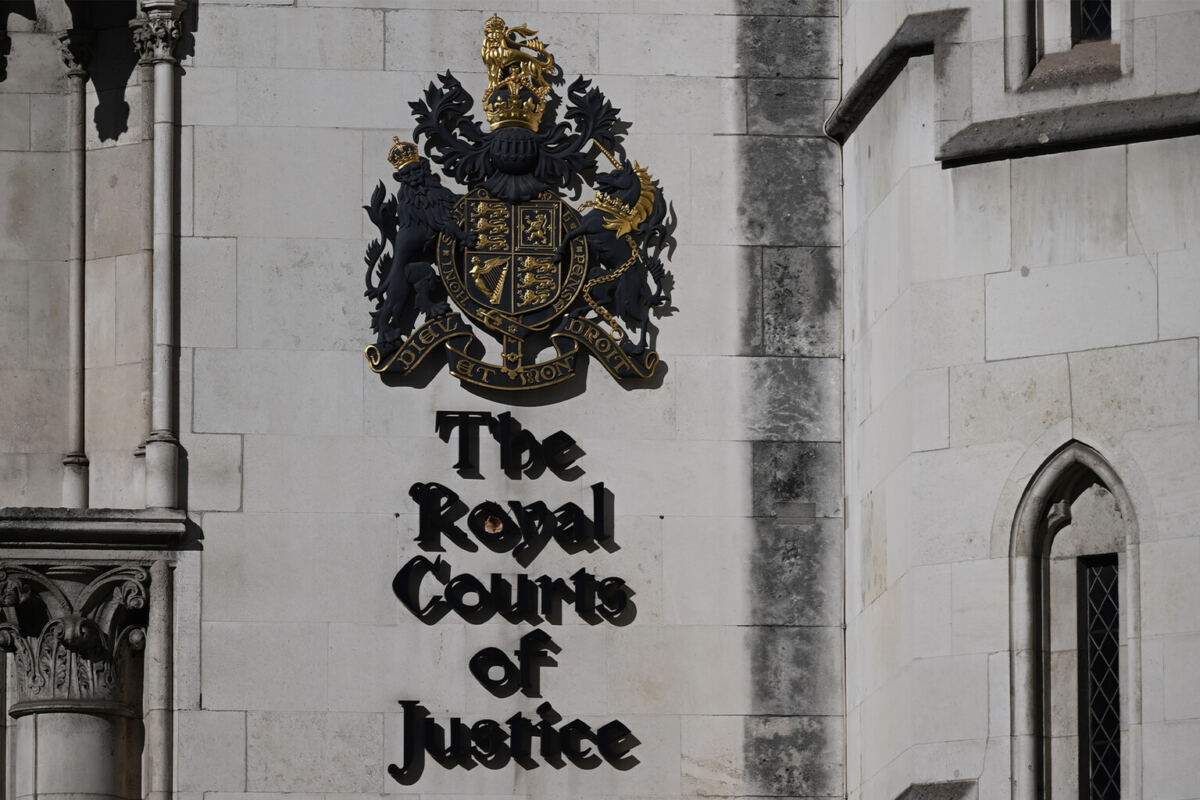
Mr. Justice Nicklin is scheduled to deliver his ruling at the Royal Courts of Justice after the entertainer sought an emergency injunction against ITN and The Guardian newspaper. The legal battle has centered on claims the star engaged in “inappropriate and exploitative sexual activities with a large number of girls and young women.”
The mystery figure’s barristers have mounted their defense around an extraordinary claim about his mental state. His legal team argued in filings that he will “very likely” take his own life if his identity and the detailed allegations become public.
That suicide threat carries added weight because the man has already attempted to end his life on two separate occasions, according to arguments presented in court. His lawyers contend that unmasking him would represent not merely a reputational blow but an active threat to his survival.
The case pits press freedom against personal privacy in a jurisdiction where both carry substantial legal weight. ITN and The Guardian are pushing to name the entertainer and publish accounts from multiple women who have come forward with claims about his conduct.
The celebrity’s identity has remained protected throughout preliminary hearings under a temporary reporting restriction. Several women are understood to have provided statements describing a pattern of behavior they characterize as exploitative, though the full scope of their allegations has not yet entered the public record.
British courts have historically grappled with similar tensions. Previous injunction cases involving public figures have turned on whether the public interest in knowing a famous person’s alleged misconduct outweighs their right to family and private life under Article 8 of the European Convention on Human Rights.
The “very likely” suicide formulation in this celebrity’s legal papers echoes language courts have encountered before in high-stakes privacy litigation. Judges have sometimes granted temporary anonymity while scrutinizing whether claimed mental health risks are substantiated or strategic.
ITN’s involvement signals broadcast intent to air the story across television platforms, amplifying the reach any publication would achieve. The Guardian’s parallel interest indicates the allegations have been subject to journalistic investigation over a sustained period.
The specific phrase “inappropriate and exploitative sexual activities with a large number of girls and young women” appears in the claimant’s own legal characterization of what outlets wish to report. His team does not appear to dispute that this description captures the essence of the allegations, focusing instead on the consequences of disclosure.
Tuesday’s ruling will not determine whether the underlying claims are true or false. Mr. Justice Nicklin’s decision addresses solely whether the temporary veil of anonymity lifts or extends, and whether the allegations themselves may be published at all.
Should the injunction fail, multiple women would be free to speak publicly and be named in connection with their accounts. Should it succeed, the celebrity would retain his anonymity indefinitely unless a future legal challenge prevails or accusers pursue alternative routes to tell their stories.
The case has drawn limited public attention by design, given reporting restrictions. Legal observers note that the suicide risk claim, combined with two prior attempts, creates an unusually stark framework for what is typically a balancing exercise between competing rights.
Mr. Justice Nicklin will issue his decision Tuesday afternoon at the Royal Courts of Justice.