

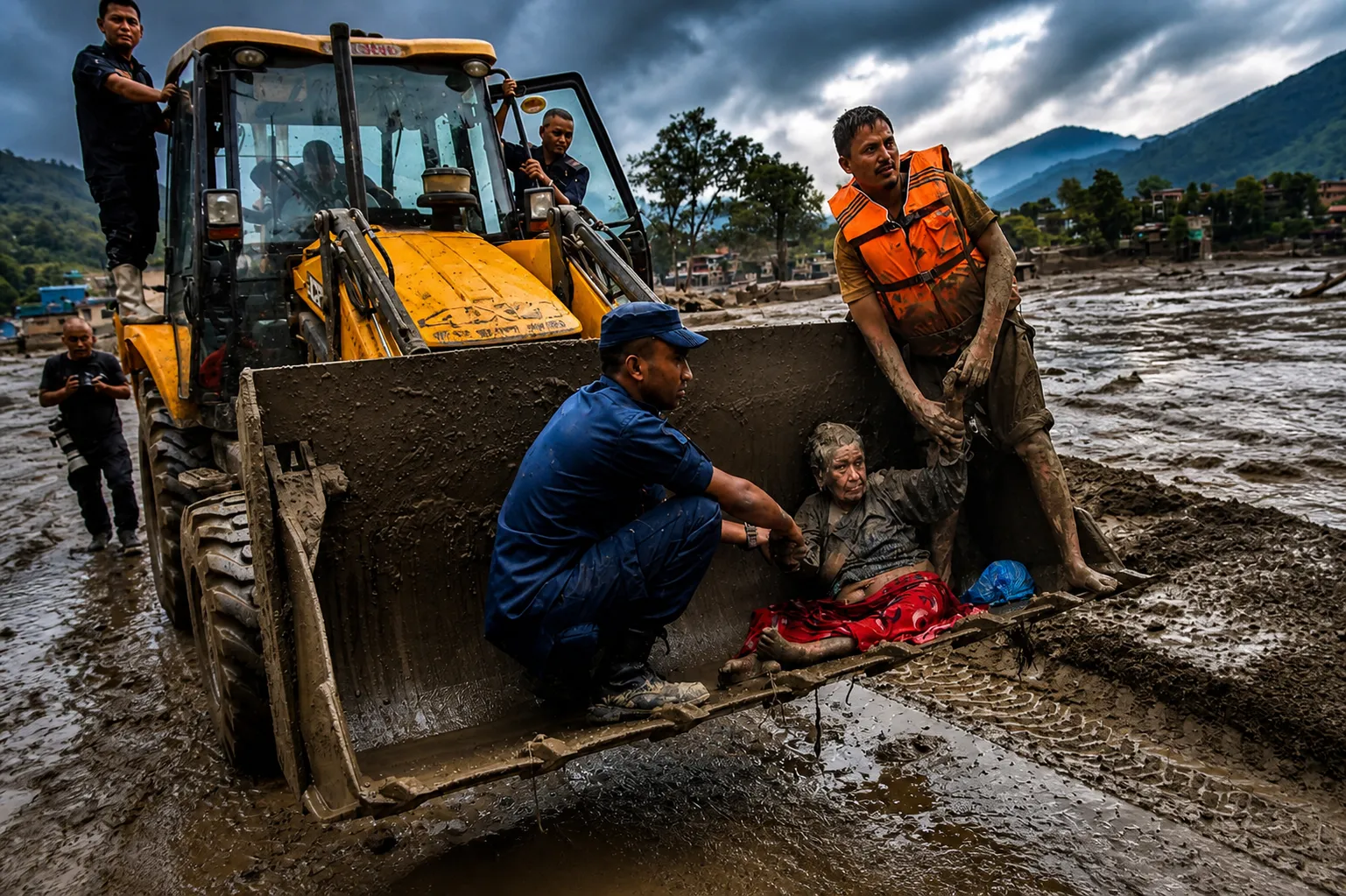
Nepal is bracing for a potentially catastrophic second flash flood as the number of Americans listed among the missing surged to 65 following last week’s deadly deluge.
The crisis unfolded when a massive wave struck the Nepal-China border at around 8 a.m. Local time on Wednesday, August 26, triggering devastating floods and landslides across the region. Nepal’s disaster management authority initially reported that more than 800 people were missing on their side of the border alone, alongside approximately 400 foreign tourists including 65 from the USA and 178 tourists from India. However, the true scope of the disaster is believed to be far wider, with people from over 30 countries now counted among the missing.
Nepal’s foreign minister Shisir Khanal addressed parliament about the possible cause of the disaster. He told lawmakers that an avalanche triggered by an earthquake may have been responsible, citing a 4.4-magnitude earthquake that the US Geological Survey had reported around 41 miles north of Kathmandu. But that theory collapsed when the earthquake report was retracted, with officials stating it had not actually been witnessed. Attention then shifted to a glacier collapse as the likely culprit.
The immediate death toll stands at 353 confirmed dead, with nearly 1,500 people swept away and still considered missing. The scale of destruction has prompted urgent international concern, particularly over the fate of hundreds of foreign nationals caught in the flood zone.
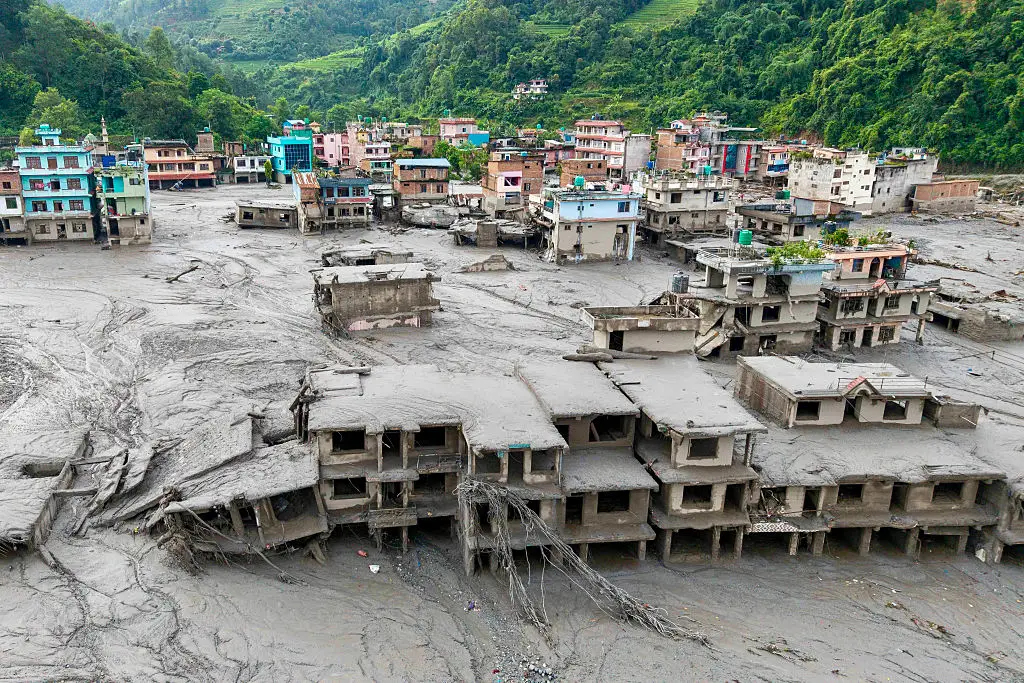
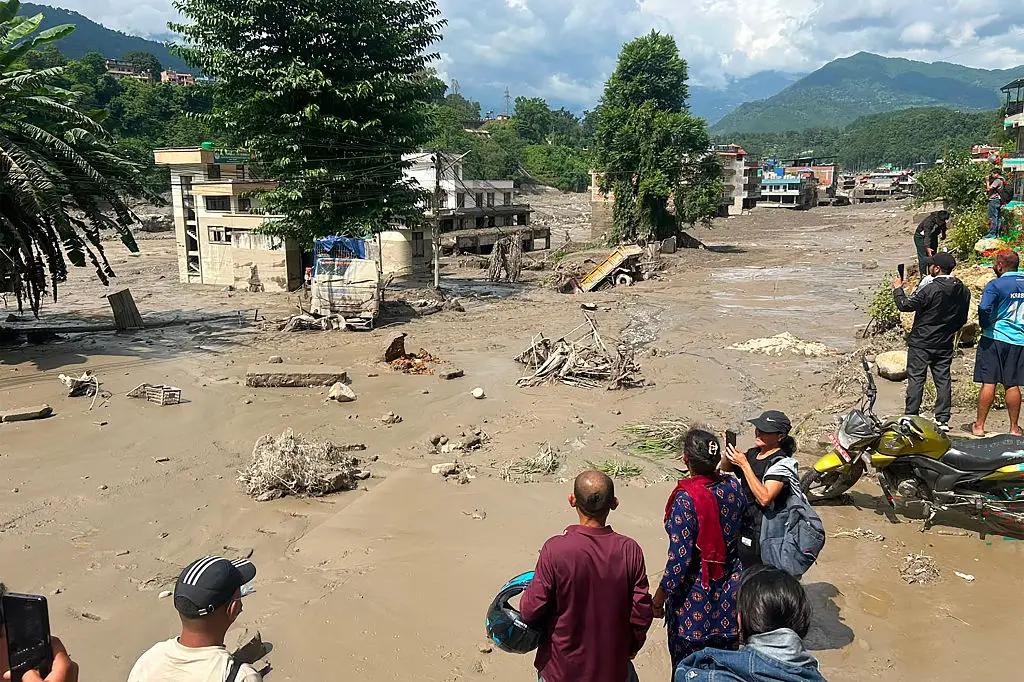
A new and mounting threat has emerged in the aftermath. According to CCTV News, China’s Ministry of Water Resources revealed on Thursday, August 27, that a significant landslide dam has blocked water flow near where the Tsogyal River and the Purupqiangzangbu River meet in Nepal. This blockage has created a dangerous reservoir with what officials describe as a “high risk of breaching.”
Researchers measured approximately 2 million cubic meters of water already trapped in the lake, with an expected 3 million cubic meters projected to flow in over the next three days. The combination of existing volume and incoming water has intensified fears that a breach could unleash a second deadly wave upon communities still reeling from the first disaster.
Nepal’s office of the prime minister issued a formal statement expressing the government’s response to the tragedy.
“Offering heartfelt tribute to all those who lost their lives in this natural disaster, it extends its sincere condolences to the bereaved families and relatives,” they wrote.
The statement conveyed “deep sorrow” over the loss of life while offering official condolences to those who have lost relatives in the flooding.
The fate of American citizens remains a particular focus of diplomatic attention. A spokesperson for the State Department noted that the exact number of Americans missing following the natural disaster is still being established. Meanwhile, Nepal’s tourism board revealed there are still 777 tourists who have not been able to be contacted, sparking acute fears over their status and whereabouts.
The 65 Americans represent a significant portion of the hundreds of foreign nationals still unaccounted for after the disaster, placing additional pressure on both Nepalese authorities and U.S. Officials to coordinate search and recovery efforts in treacherous conditions.
Footage circulated widely online showing the deadly wave crashing through the border region. The images captured the raw destructive power of what initially appeared to be a sudden, unpredictable natural event but is now understood to have stemmed from a glacier collapse in the Himalayan region. The video documentation has served as both a warning to downstream communities and a stark record of the disaster’s immediate impact on the mountainous terrain straddling Nepal and Tibet.
Emergency response teams continue operations in the flood-affected zone while monitoring the landslide dam situation for any signs of imminent failure.