

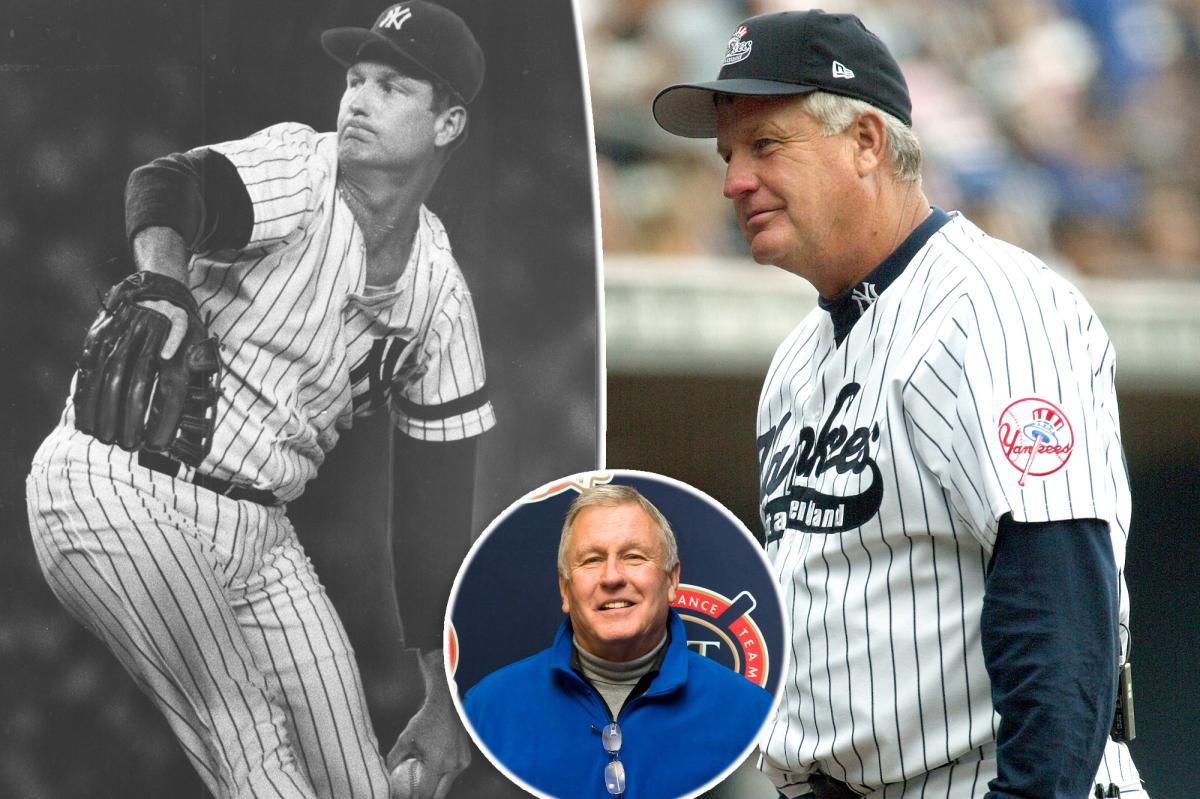
Tommy John, the pioneering pitcher whose name became synonymous with career-saving elbow surgery, has died at 83.
The left-hander passed away in hospice care at his home in Bradenton, Florida, after a career that spanned 26 major league seasons and produced 288 victories. Born Thomas Edward John Jr. On May 22, 1943, in Terre Haute, Indiana, he made his MLB debut with Cleveland in 1963 at age 20 and went on to pitch for seven franchises, becoming a four-time All-Star and one of the most durable arms in baseball history.

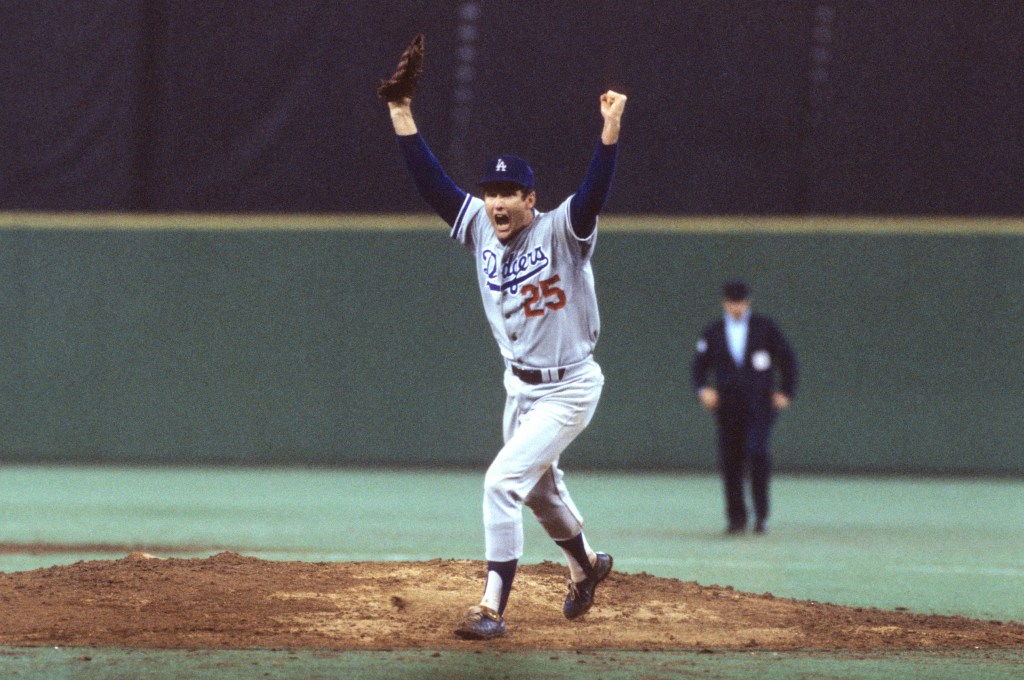
Stan Kasten, President and CEO of the Los Angeles Dodgers, released a statement on the team’s behalf. “We are saddened to hear the news of Tommy John’s passing today,” Kasten said. “Tommy was an exceptional pitcher throughout his career in Major League Baseball, and his courageous role in becoming the first to have surgery that would go on to bear his name can’t be overstated. His impact both on and off the field has been felt by ballplayers of all ages and will be for generations to come.”
John’s career took its defining turn in 1974 when, at 31, he tore the ulnar collateral ligament in his left elbow during a July 17 start against the Montreal Expos. He had thrown a pitch to Hal Breeden when disaster struck. “Right at the point where I put force on the pitch, the point where my arm is back and bent, something happened,” John later recounted. “It felt as if I had left my arm someplace else. It was as if my body continued to go forward and my left arm had just flown out to right field, independent of the rest of me.”
He managed one more toss before manager Walt Alston removed him from the game. When the injury failed to heal, Dodgers team physician Dr. Frank Jobe proposed an unprecedented solution: replacing the damaged ligament with a tendon from John’s right forearm. The procedure, performed that September, carried roughly 1-in-100 odds of success by Jobe’s own estimation.
“I couldn’t pitch anymore,” John told The Post in 2019. “And I wanted to pitch and make a living playing baseball. If I didn’t have the surgery, I wouldn’t have been able to continue playing the game.”
The gamble paid off spectacularly. After missing all of 1975, John returned to the Dodgers in 1976 and promptly earned the nickname “The Bionic Man.” He finished second in National League Cy Young voting in 1977, then signed with the Yankees as a free agent before the 1979 campaign. In each of his first two seasons in The Bronx, he topped 20 wins, placing second in AL Cy Young voting in 1979 and fourth in 1980.
Ron Guidry, his former Yankees teammate, spoke about John’s influence at Old-Timers’ Day. “It was great having him on the team,” Guidry said. “He was so knowledgeable. When we were together, we were pretty much 1-2 on the staff and having him around gave me great comfort. He could talk and it was nice to have him around because he would answer any question you had and he did so much in the game.”
John’s 1974 surgery became the template for what is now among the most common procedures in sports medicine. The operation — ulnar collateral ligament reconstruction using a tendon graft — has been performed on more than 1,000 professional baseball pitchers and an untold number of amateur athletes across multiple sports. What began as a desperate Hail Mary for one pitcher’s career evolved into standard practice, with modern success rates exceeding 85 percent and recovery timelines of roughly 12 to 15 months for pitchers.
John himself won 164 games after the surgery, more than half his career total, and pitched until age 46. His final start came in May 1989 with the Yankees, by which point he had tied Deacon McGuire’s record for most seasons pitched — a mark later broken by Nolan Ryan. He started 700 career games, eighth-most in MLB history, and logged 4,710 1/3 innings, 19th all-time.
Yet the procedure’s ubiquity brought mixed feelings. John lamented how commonplace Tommy John surgery became, particularly among increasingly young pitchers. In a farewell letter published online on Aug. 8 during Old-Timers’ Day at Yankee Stadium, he thanked Jobe, who “saved my arm and made it possible for me to continue pitching. That surgery has since gone on to save the careers of countless pitchers, including many of the very best in the game today.”
Despite his longevity and achievements — including three 20-win seasons, three league shutout titles, and a key role in the Yankees’ 1981 American League pennant — John never came close to Hall of Fame election. Only Roger Clemens, himself mired in scandal, has more wins in the Modern Era without a Cooperstown plaque. John also endured profound personal trials: his two-year-old son Travis survived a critical fall from a third-story window during his Yankees tenure, and in 2010 his son Taylor died by suicide, prompting John’s work with the American Foundation for Suicide Prevention. He later battled bladder cancer and worked in broadcasting and minor league managing, including a 2004 stint with the Staten Island Yankees.
Current Yankees ace Gerrit Cole, who underwent the procedure in 2025, acknowledged the debt modern pitchers owe. “It’s weird to think about the surgery saving us, but the player had to step up to the table and do it,” Cole said. “He had tremendous success afterwards. He was really writing the book for all of us. There’s a lot of gratitude towards him.”