

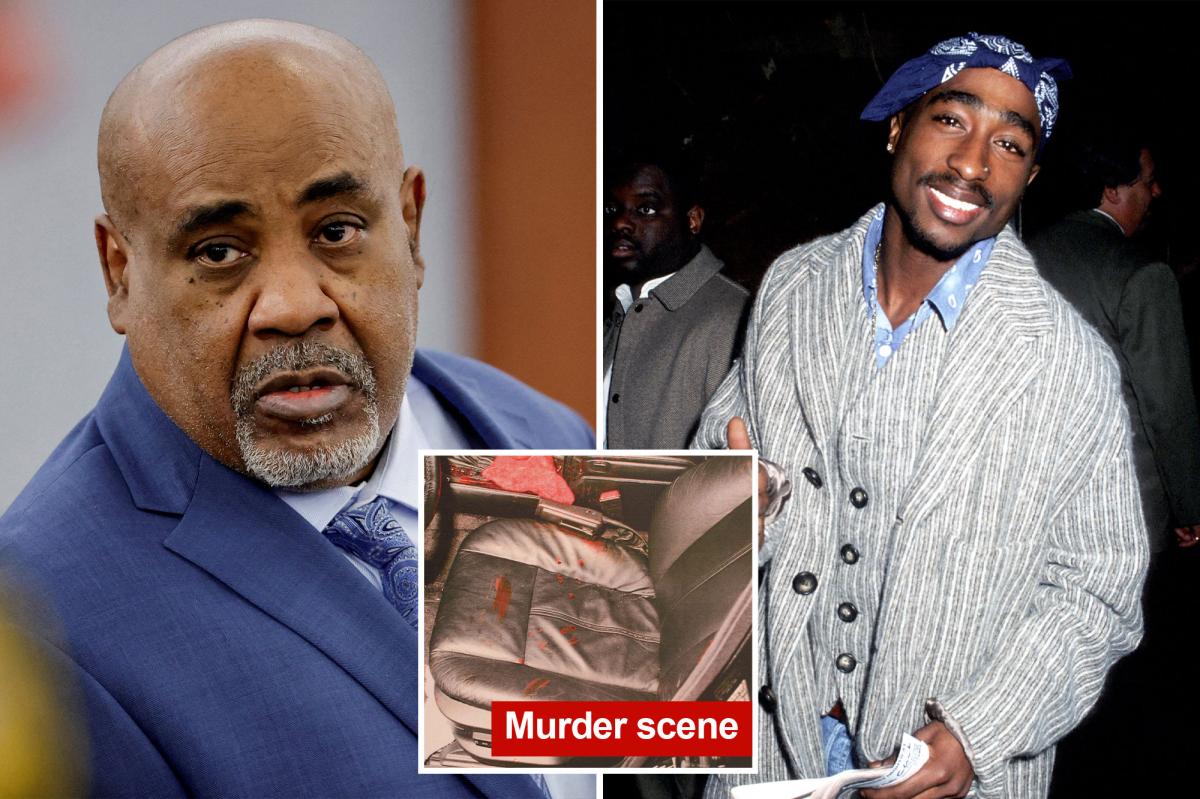
Duane “Keefe D” Davis, 63, is facing backlash from his own longtime supporter over reports that he is shopping his memoir for a Hollywood movie deal from behind bars.
Filmmaker Richard “R.J.” Bond, who has advocated for Davis’ acquittal for years and even assisted defense attorney Mike Sanft with trial preparations, said the alleged negotiations directly contradict Davis’ central legal argument that his public admissions about Tupac Shakur’s 1996 murder were fabricated for profit.
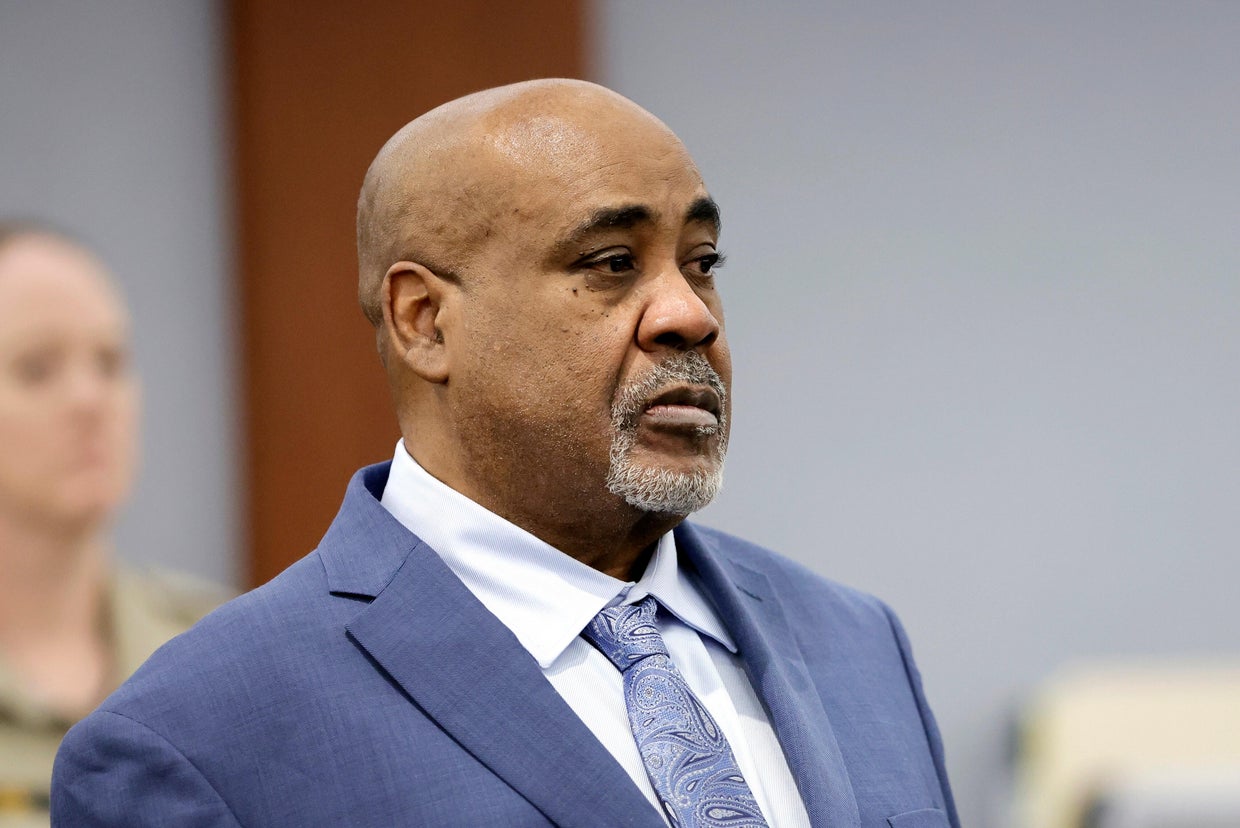
“It’s extremely disingenuous to make a claim that your book is fiction and still be trying to sell it as if a fact,” Bond told The Post.
“I have some concerns it may jeopardize his defense.”
The criticism carries particular weight given Bond’s deep ties to Davis’ camp. He has grown close to the defendant’s family and spent years working to secure his freedom.
“I have advocated for an acquittal for him for years,” Bond said. “It appears that his desperation and his motive to get paid far outweighs any loyalties that he has,” he continued.
Davis’ attorney Sanft, when asked whether his client was being “disingenuous,” focused on the trial risks.
“The danger is that conjecture and speculation will trump all the facts proven during trial. We trust the jury will discern between fact and fiction, and follow only the facts shown to them during the trial and nothing else,” he told The Post.
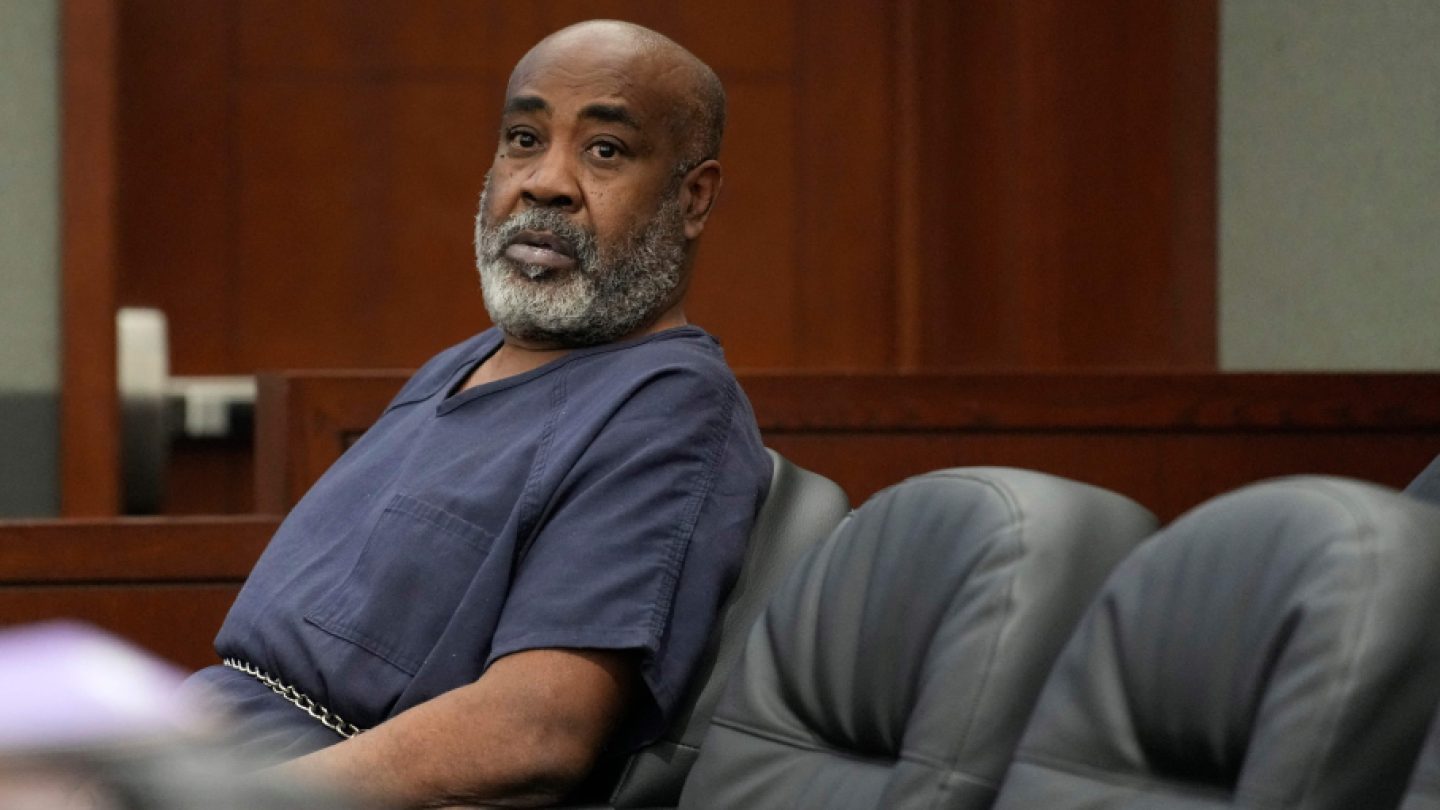
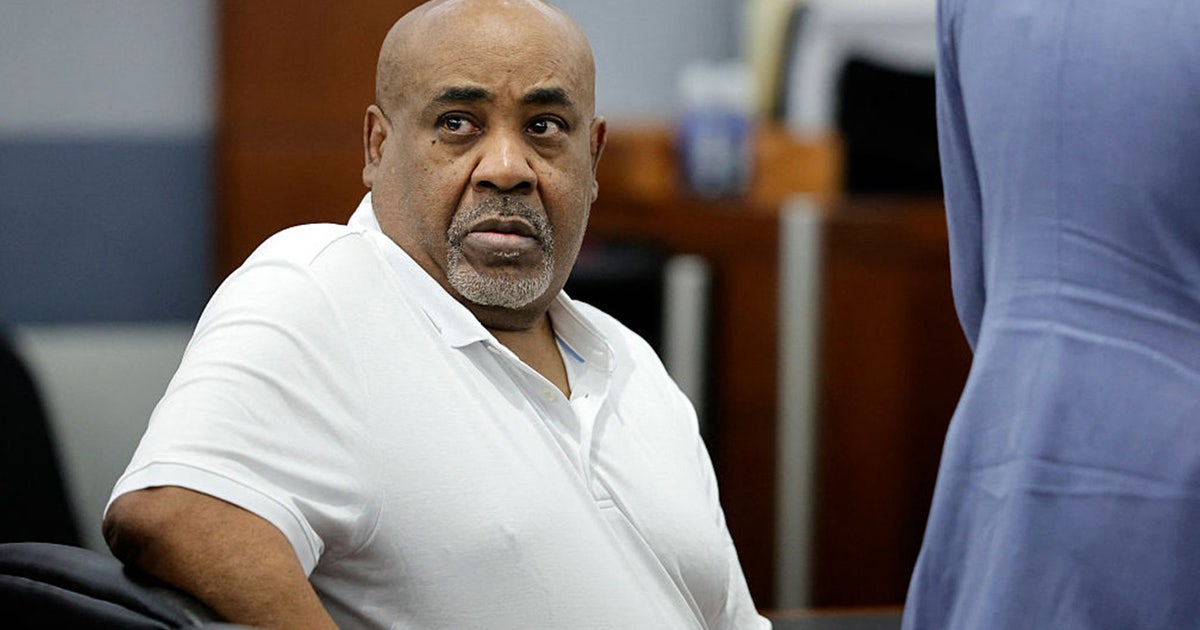
The movie deal reports surfaced just as Davis’ murder trial kicked off in Las Vegas. Prosecutors have built their case largely around Davis’ own words, including two police interviews, numerous media appearances, and his 2019 memoir “Compton Street Legend,” in which he allegedly portrayed himself as the “shot caller” behind Shakur’s killing.
Last week, The Post revealed exclusive audio submitted by prosecutors where Davis contradicted his own defense. Davis confirmed to his mistress that he wrote his memoir — despite Sanft’s efforts to distance him from its contents — and teased he was ready to tell “the mother f—ing truth” about the murder.
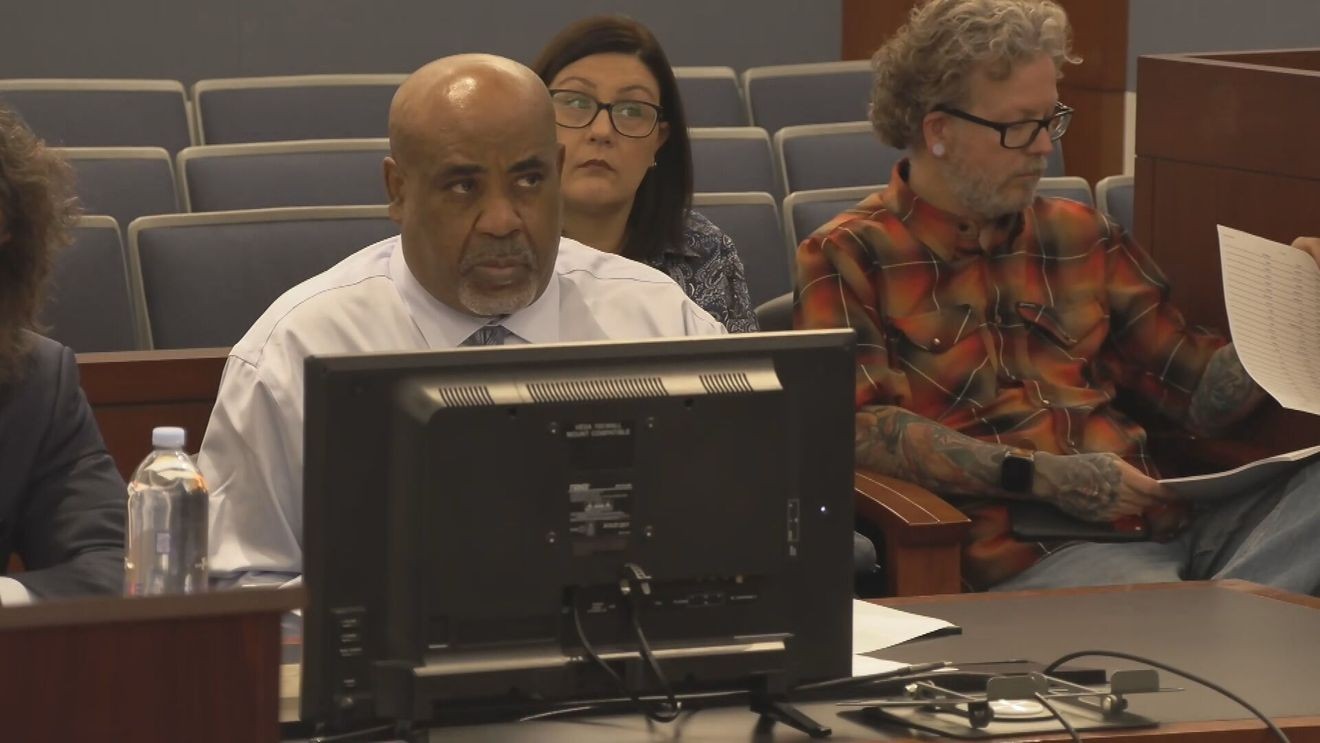
Davis now claims those prior admissions were simply for “fame and fortune” and lacked legitimacy. He faces life in prison if convicted.
The case lacks a murder weapon, direct eyewitness testimony, and other physical evidence tying Davis to Las Vegas that night, leaving legal experts divided over his chances at trial. If acquitted, Nevada’s double-jeopardy protections would prevent the state from trying Davis again for the same crime — even if he later confessed, Las Vegas attorney Sam Mirejovsky noted.
“Under double jeopardy laws, you can’t be prosecuted twice for the same crime by the same sovereign,” Mirejovsky said.
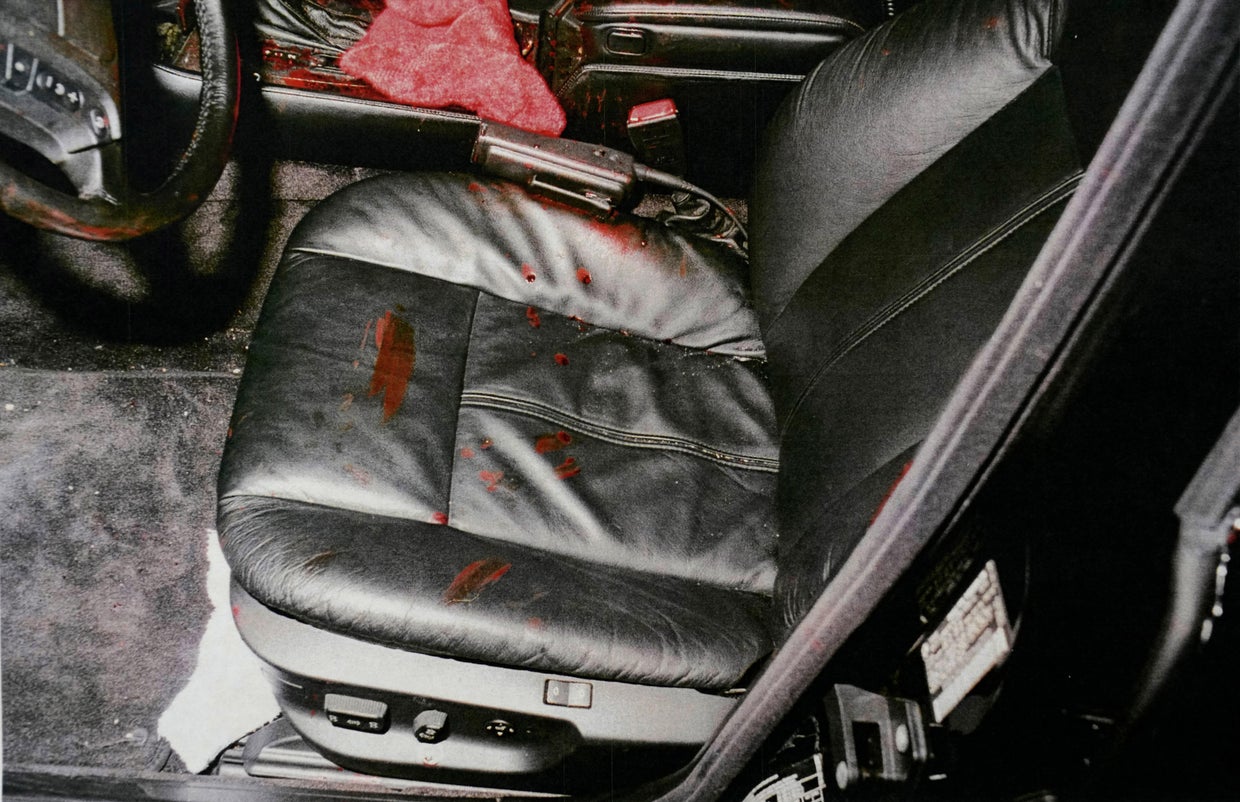
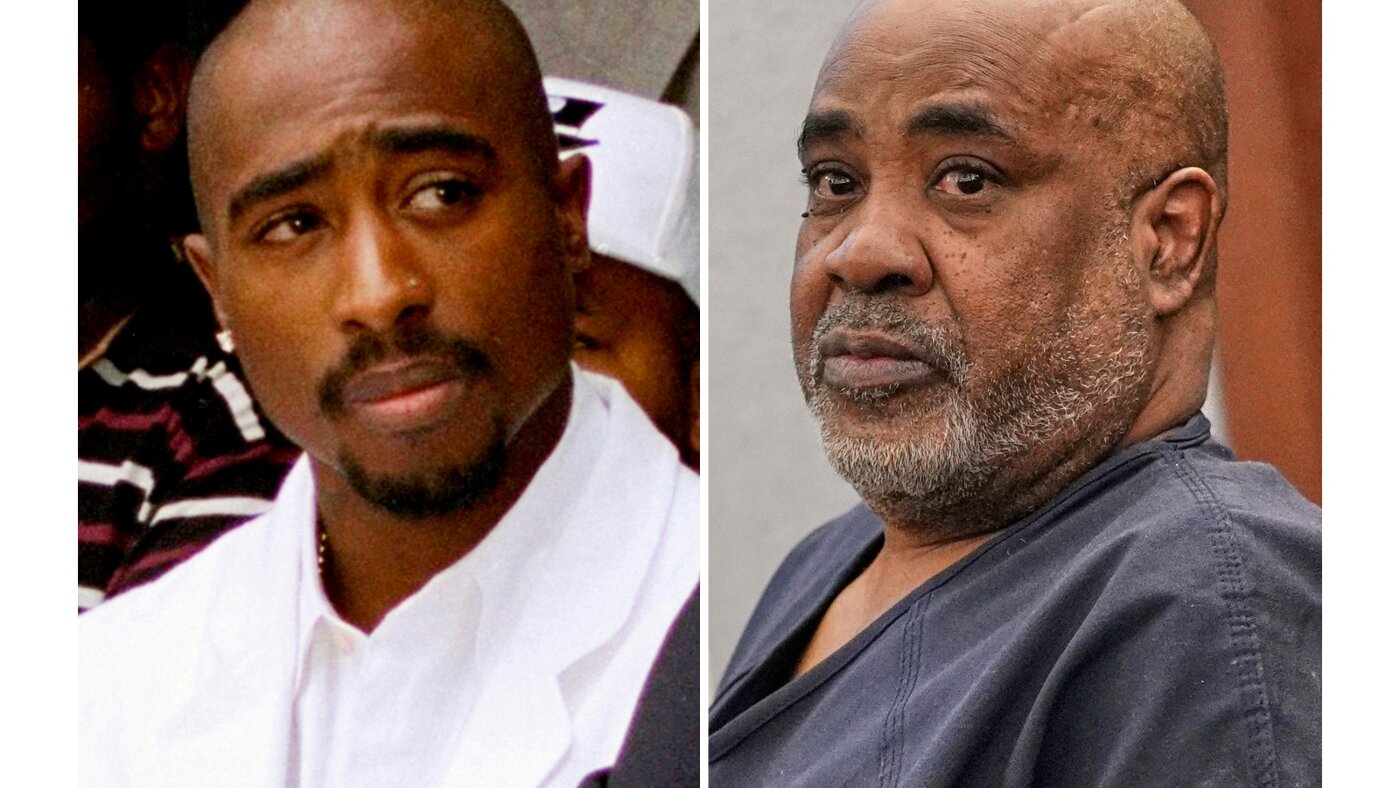
Shakur was gunned down in a drive-by shooting near the Las Vegas Strip on September 7, 1996, after attending a Mike Tyson boxing match at the MGM Grand. The 25-year-old rapper was in the passenger seat of a black BMW driven by Death Row Records founder Marion “Suge” Knight when a white Cadillac pulled alongside them at a red light and gunfire erupted. Shakur died six days later from multiple gunshot wounds. Knight survived with minor injuries. The case went cold for nearly three decades until Davis began making public statements about his alleged involvement, including in his memoir and various interviews, which revived the police investigation and led to his September 2023 arrest.
Opening statements in Davis’ trial are expected to begin August 17 in Las Vegas.