

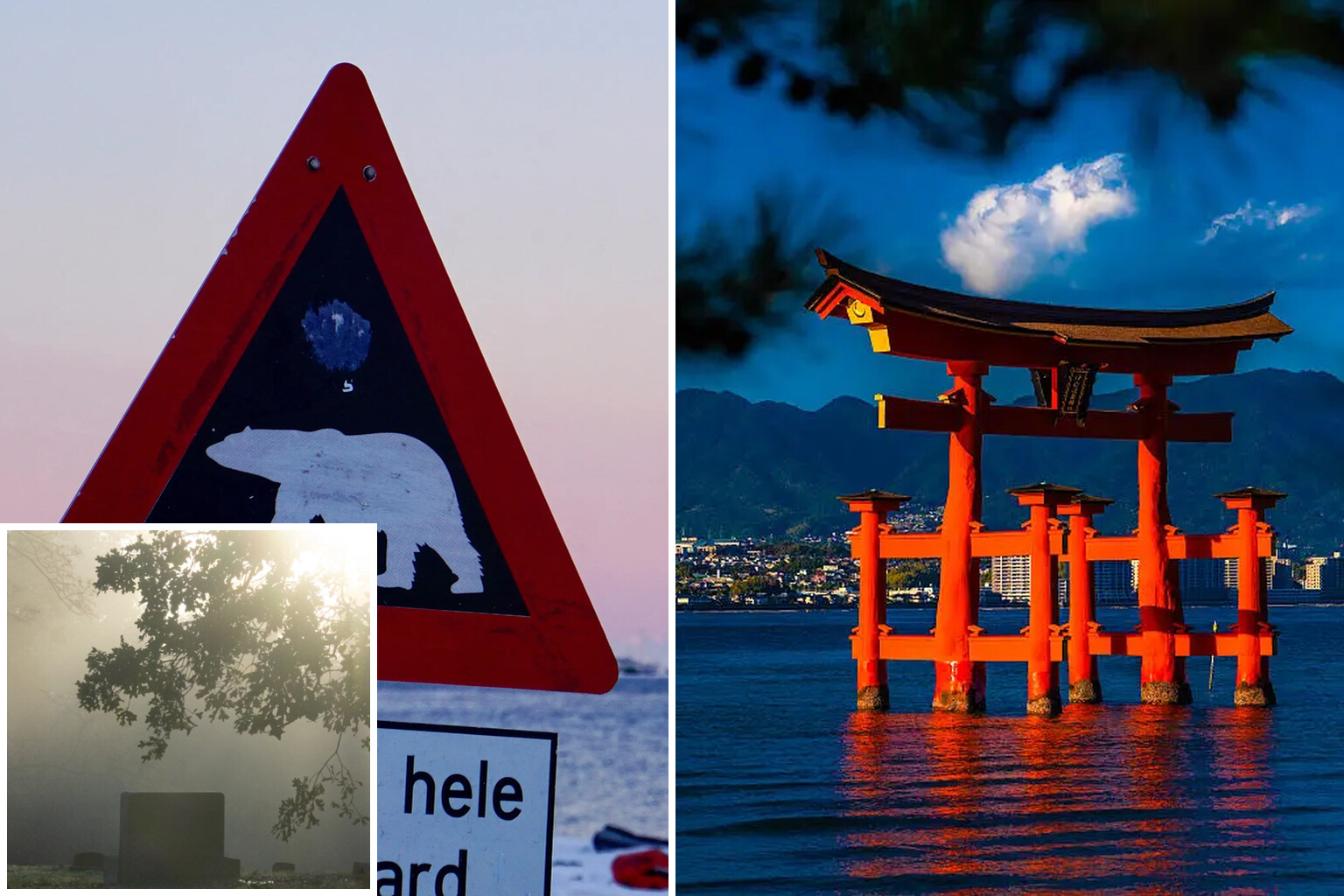
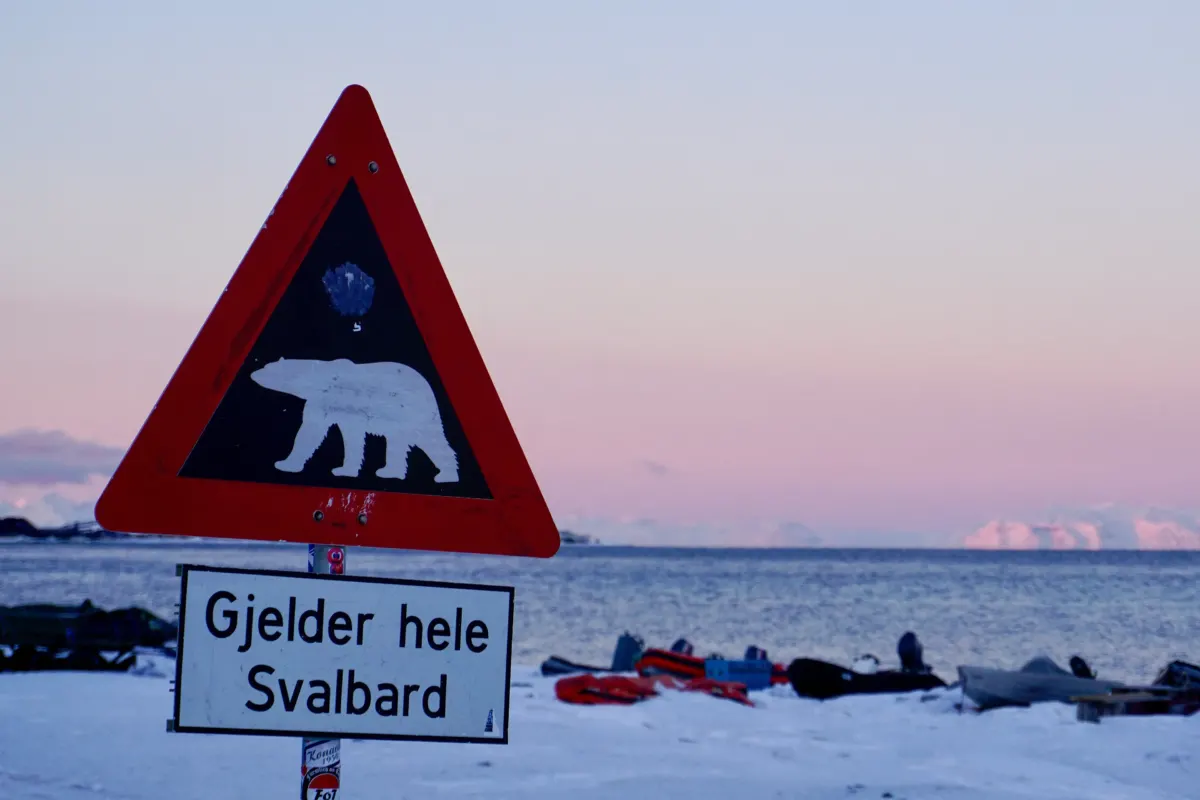
Longyearbyen, Norway, has forbidden burials since the 1950s, making it one of roughly a dozen jurisdictions worldwide where local law or custom effectively bans death itself.
The Arctic settlement, the world’s northernmost town with a permanent population, enacted the prohibition after scientists discovered that permafrost prevents bodies from decomposing and can preserve deadly viruses for decades. Anyone who dies in Longyearbyen must be flown off the island for burial elsewhere.
The ban reflects practical necessity rather than moral judgment, a pattern repeated across several European municipalities that have passed similar decrees in recent decades. In France, two mayors deployed the tactic to protest cemetery shortages. Cugnaux’s mayor banned death inside the city in 2007 after regional authorities rejected plans to expand local burial grounds. The following year, Sarpourenx passed its own mock prohibition, adding a tongue-in-cheek threat of punishment for violators.
Both French decrees were designed to attract media attention and pressure higher authorities, not to actually prosecute the dying. The Sarpourenx measure explicitly threatened consequences for breaking the law by dying, an absurdity that succeeded in generating the intended publicity.
Spain had already employed this strategy before the millennium. Lanjarón passed a mock ban on dying in 1999, establishing the template that French officials would later adapt. The Andalusian town’s measure similarly used dark humor to highlight infrastructure limitations.
Italy presents two distinct cases with different motivations. In Falciano Del Massico, Mayor Giulio Cesare Fava banned dying in 2012 during an active dispute with neighboring Mondragone over cemetery access. The conflict had made local burial nearly impossible, and the decree spotlighted the town’s lack of space for the deceased.
Sellia, Italy, took a different approach entirely. Since 2015, the southern town has made it effectively illegal to get sick or die, with Mayor Francesco Palumbo imposing a €10 fine for residents who skip their annual medical checkup. The penalty functions as a health incentive rather than a posthumous punishment.
The demographic context makes the Sellia measure particularly pointed: almost all residents are over 65. The fine aims to keep the aging population alive and the municipality viable, addressing Italy’s broader challenge of rural depopulation.
Some prohibitions stretch back millennia and carry genuine spiritual weight. On Delos, Greece, both childbirth and death have been banned since the 6th century BCE. Ancient authorities considered the island too sacred for such messy biological realities. Existing graves were excavated and relocated to neighboring Rhenea, which also served as the designated place to ship anyone nearing death.
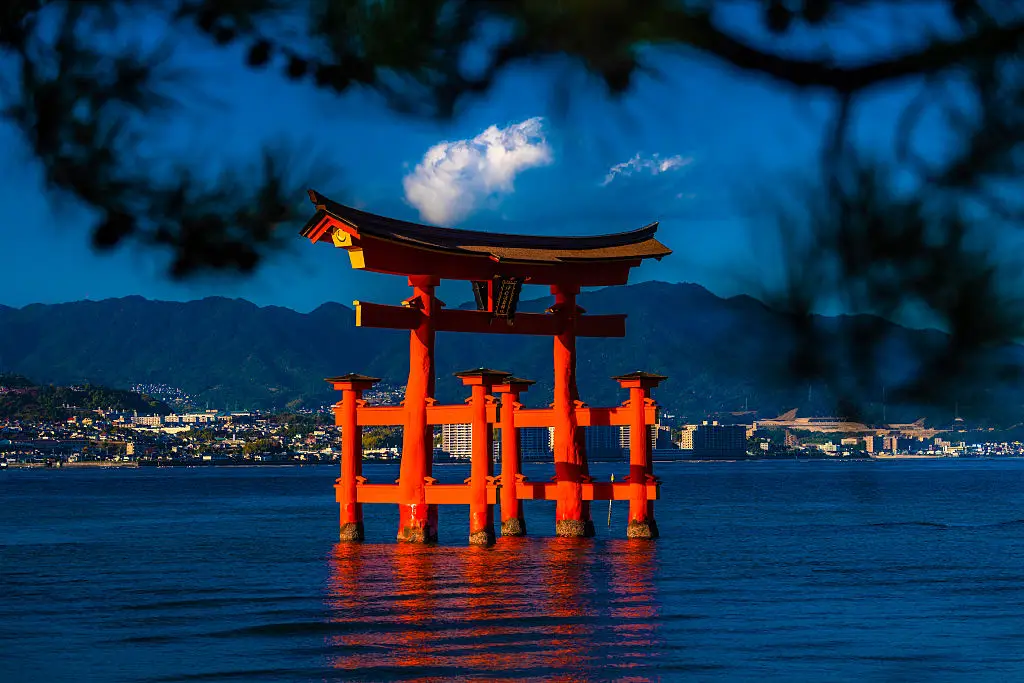
Japan’s Itsukushima maintains an even longer continuous tradition. The sacred island, famous for its red torii gate that appears to float at high tide, has banned both death and birth for centuries under Shinto belief. Each was considered spiritually impure. The prohibition was so strictly observed that even samurai were relocated before they could die on the island.
The common thread across these bans is administrative desperation meeting cultural taboo. Where European mayors used satirical decrees to force infrastructure solutions, ancient Greek and Japanese authorities enforced genuine prohibitions rooted in religious purity. Longyearbyen occupies a middle ground: scientifically grounded, permanently in force, and practically absolute.
None of these places actually prosecutes the dead. The European mock bans carry no real penalties, and even Longyearbyen’s prohibition applies to burial rather than the fact of death itself. The laws target living officials and surviving families, using mortality as leverage for policy attention.
The phenomenon first gained modern international notice when Lanjarón’s 1999 decree attracted coverage beyond Spain, establishing the template of using death bans as protest theater that would spread through France and Italy over the following two decades.
The Itsukushima shrine remains an active pilgrimage destination, with the death ban still technically in effect though managed through relocation rather than prevention.