

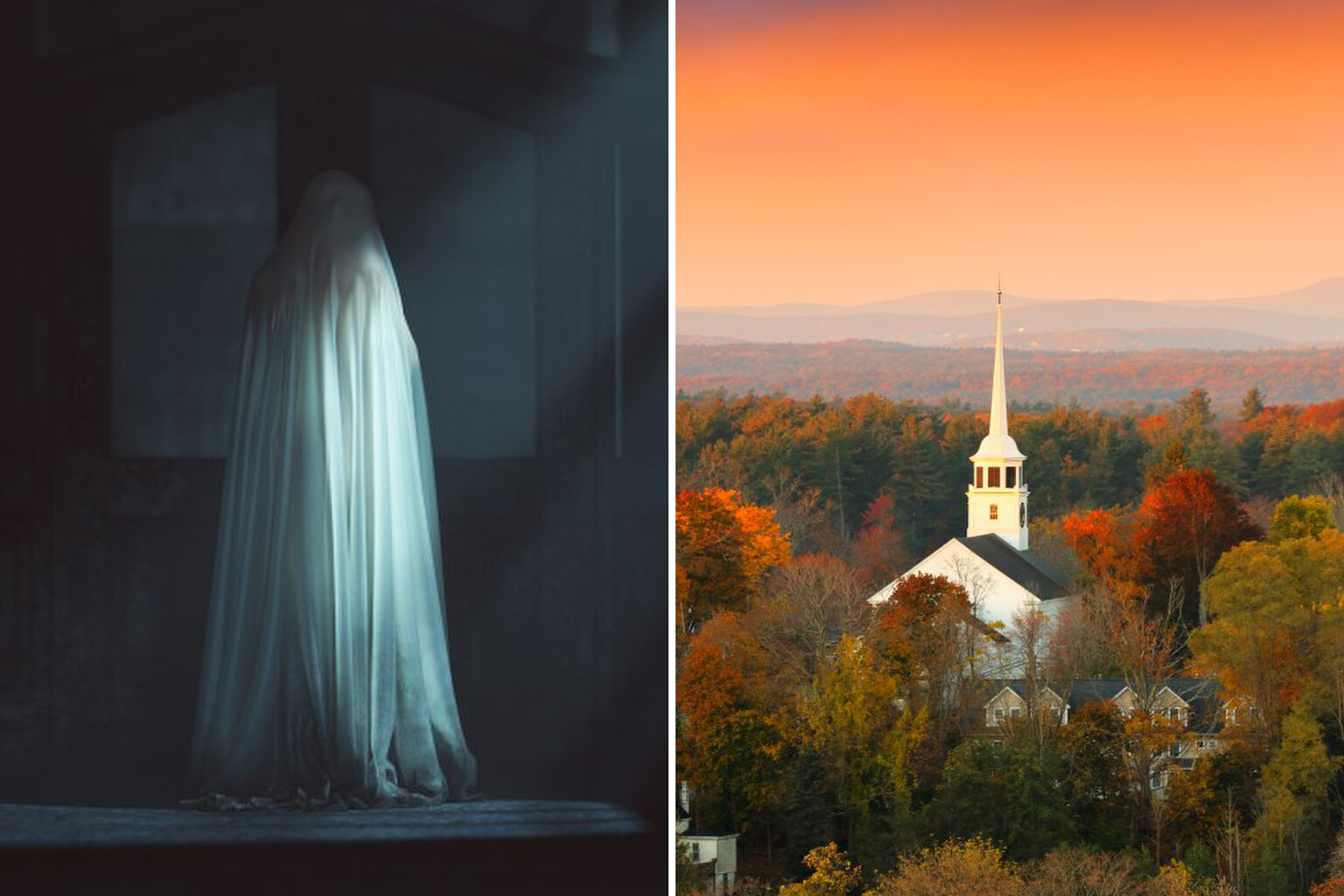
A new study has crowned Maine the most superstitious state in America, with its New England neighbors close behind.
The ranking, released by Manhattan Mental Health Counseling ahead of Halloween, placed New Mexico second and New Hampshire third in a nationwide comparison of 48 states. Florida ranked fourth and Arizona fifth.
Researchers measured “superstition” through a blend of survey data and real-world markers: the density of metaphysical shops, interest in psychics, bad-luck-related internet searches, and belief in spiritual happenings beyond the natural world. Maine dominated with 874 superstition-related “mentions” per 100,000 residents and 5.14 psychic services per 100,000 people.
New Mexico stood out for sheer conviction, with 86% of residents telling researchers they believe in spiritual happenings beyond the natural world. New Hampshire’s distinction came from its business landscape — 4.28 metaphysical shops and 6.61 psychic services per 100,000 residents.
Mike Accomando, who runs Spooky World in Litchfield, New Hampshire, sees that appetite for the paranormal up close every October. His “scream park” draws crowds with a haunted hay ride and a “horror maze,” but he says the region’s fascination runs deeper than seasonal entertainment.
“I’d say the history of the Salem witch trials plays a role in why New England loves this stuff,” Accomando said.
The park owner traced the pattern to long winter nights and older settlements. “It’s been a tradition in New England to sit by the fireplace and tell tales of hauntings,” he said. “We have more history — so we’ve had more time to come up with these stories.”
Accomando’s own property may have supplied fresh material. He told The Post that a worker cleaning a basement at Spooky World fled in terror after a “spine-chilling figure of a ‘haunted spirit'” emerged from the shadows. “This big burly guy jumped like he had seen a ghost and ran out of there,” Accomando said.
The basement had formerly housed a restaurant where someone died unexpectedly decades earlier, he explained. Most of his employees are now convinced the space is home to a ghost.
That workplace panic illustrates the study’s broader finding that New England residents, particularly those in Maine and New Hampshire, are more prone to ghosts, hauntings, and “the metaphysical” than Americans elsewhere. Researchers compared states on belief in “the unexplained,” a category encompassing haunted locations and psychic-related topics.
The study’s methodology blended behavioral signals with self-reported belief, counting everything from Google searches for bad luck to the concentration of storefronts offering tarot readings and spiritual goods. The result is a regional portrait where the Northeast’s oldest states outpace the rest of the country in openness to the unseen.
Accomando’s explanation centers on accumulated time. New England’s centuries of settlement, punctuated by episodes like the 1692 Salem witch trials, have layered the landscape with documented tragedy and oral tradition. That depth of history, he suggests, provides more raw material for ghost stories to take root and more cultural permission to take them seriously.
The study excluded two states from its 48-state comparison, though researchers did not specify which ones were left out.