


Becky Jones has launched legal action against the NHS after learning she never had the brain cancer she spent 11 years treating with chemotherapy.
Jones, 34, a mother-of-two from the UK, claims doctors at University Hospitals Coventry and Warwickshire (UHCW) diagnosed her with a Grade 4 glioblastoma in 2012 and told her she would not live past a year. She now says she was rushed into aggressive treatment before biopsy results had been properly investigated, only to discover in 2025 that she had been suffering from an inflammatory brain condition all along.

The timeline of her alleged misdiagnosis began with a December 2012 scan that showed some form of mass in her brain. A biopsy was performed, but the results were lost in the system. She was then transferred to UHCW, where clinicians made the glioblastoma determination without ever seeing those missing results.
“When the results came back it was either a lesion, an infection or a tumefactive demyelination,” Jones said in her statement. “But instead of going ahead with the investigative work, they went straight into chemotherapy.”
Jones spent the next 11 years taking temozolomide (the outlet), a chemotherapy drug, while also undergoing radiotherapy. She estimates she endured 156 cycles of the treatment, which she now says was completely unnecessary.
The physical toll was severe. Jones suffered nausea, fatigue, depression, anxiety, ulcers, stomach pain and possible early menopause. The treatment also derailed her career aspirations — her dream of joining the police force ended when her driving licence was revoked for two years.
Her personal life crumbled alongside her health. She stopped attending family events and unnecessarily shielded during the Covid-19 pandemic, believing her compromised immune system put her at fatal risk. The missed time with loved ones stings most acutely when she thinks about her own mother, who was diagnosed with cancer during this period.
“At times when I didn’t need to be locked in home with cancer I didn’t have, I could have spent time with her instead – which is hard,” Jones said.
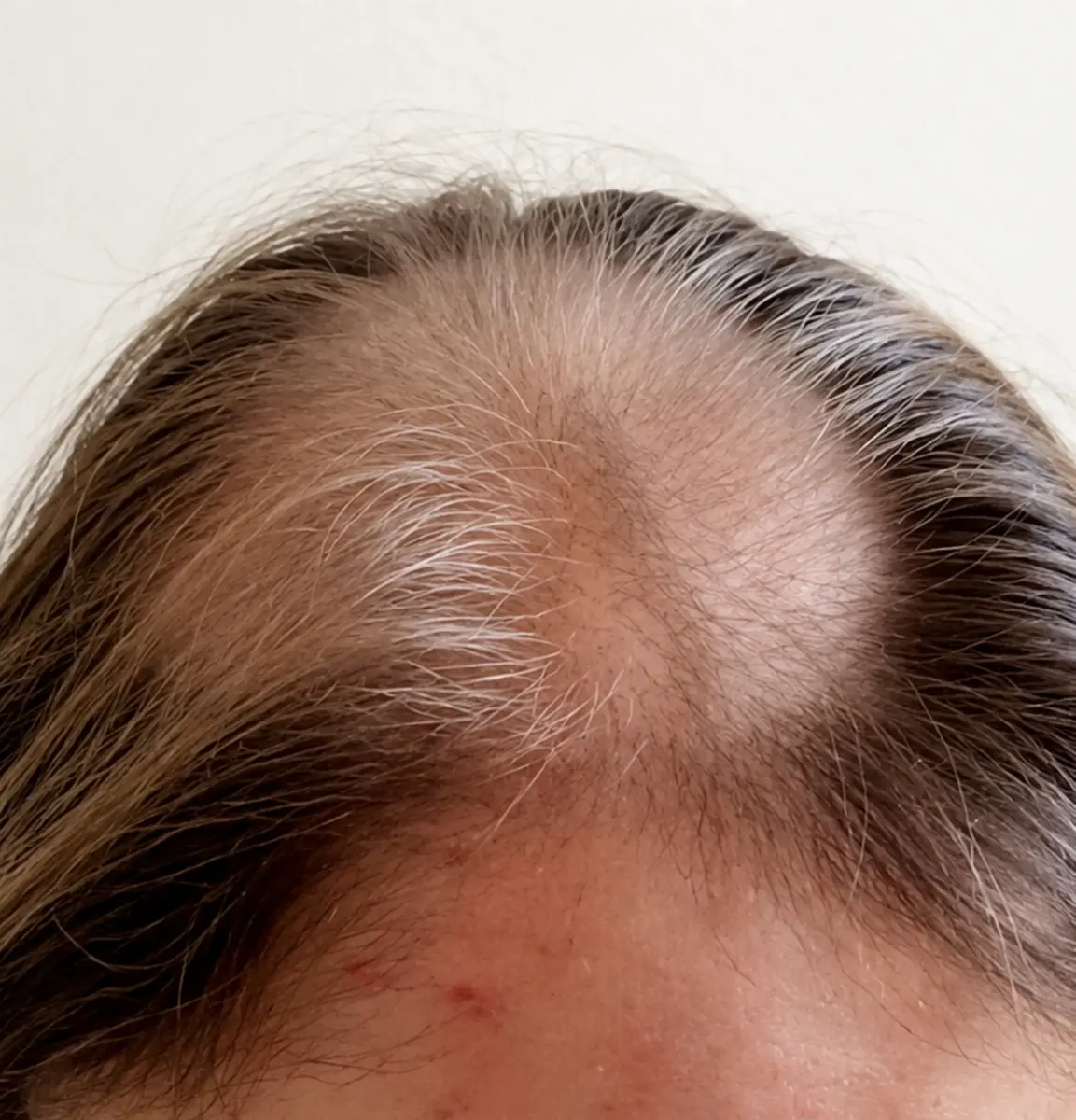
Jones began questioning her diagnosis in 2025 after years of clear MRI scans and two natural births — pregnancies healthcare professionals had told her would be impossible. The final confirmation came during a Teams conference with her clinical experts two weeks before she spoke out.
“I found out over a teams conference with my clinical experts two weeks ago that I didn’t have a tumour,” she said. “It had been expected but until someone tells you you’ve never had cancer that’s when it really hits you.”
The condition she actually had, tumefactive demyelination, is an inflammation of the brain that could have been treated with steroids rather than years of toxic chemotherapy.
Jones is not alone in her allegations against UHCW. More than 40 patients and their families are taking legal action over claims of prolonged or unnecessary cancer treatment at the trust, many linked to retired neuro-oncology consultant Ian Brown. Jones has been explicit about who she holds responsible.
“I just want answers from the trust as to why he was able to run his show for so long without anyone checking up on him,” she said. “I want him held accountable for what he has done, I want him behind bars.”
A spokesperson for University Hospitals Coventry and Warwickshire said Group that the trust commissioned an independent review by the Royal College of Physicians following concerns about extended adjuvant the outlet chemotherapy in high-grade brain tumour treatment and the care provided by Brown. The review is expected to publish later in Autumn, and the trust has already implemented more robust oversight of the outlet prescriptions based on initial feedback. All patients receiving the drug at the time of Brown’s retirement have been reviewed by senior clinicians with appropriate care plans put in place.
The trust is also conducting an independent review of its speak-up processes, led by an outside party, to ensure staff feel supported in raising concerns. The spokesperson declined to comment on individual patient care but directed concerned patients to the trust’s Patient Relations Service.
Jones’s case traces back to a 2012 medical pathway where lost biopsy results and a premature cancer diagnosis set in motion more than a decade of unnecessary treatment, permanently altering her health, career, and family relationships.
The Royal College of Physicians review is expected to publish its findings later this Autumn.